Hemostasis

Key Takeaways
- Hemostasis includes vessel constriction, platelet plug formation, and coagulation.
- Symptoms of a hemostasis problem can include frequent bruising, nosebleeds, heavy periods, or prolonged bleeding after cuts.
- Causes may involve inherited conditions, liver disease, medications, vitamin deficiencies, or platelet disorders.
- Diagnosis often uses blood tests that check platelets and clotting factors, along with a careful medical history.
- Treatment depends on the cause and may include medication review, replacement therapy, or procedures to control bleeding or clotting.
Hemostasis is the body’s natural process for stopping bleeding and protecting damaged blood vessels. When it works well, bleeding settles quickly; when it does not, people may bruise easily, bleed longer, or form clots in the wrong place.
Overview
Hemostasis is the body’s built-in system for keeping blood inside the vessels when injury occurs. It is a carefully timed response that narrows the damaged vessel, gathers platelets at the site, and creates a stable clot so healing can begin.
For most people, this process happens quietly in the background. A small cut stops bleeding, a scrape forms a scab, and the skin repairs itself. When hemostasis is disrupted, the balance shifts either toward too much bleeding or toward clot formation that happens where it should not.
For international patients, understanding hemostasis can make medical visits easier to plan. A doctor may review the person’s bleeding history, medications, and prior procedures before recommending tests or treatment, especially if surgery, dental work, or travel is coming up soon.
Symptoms
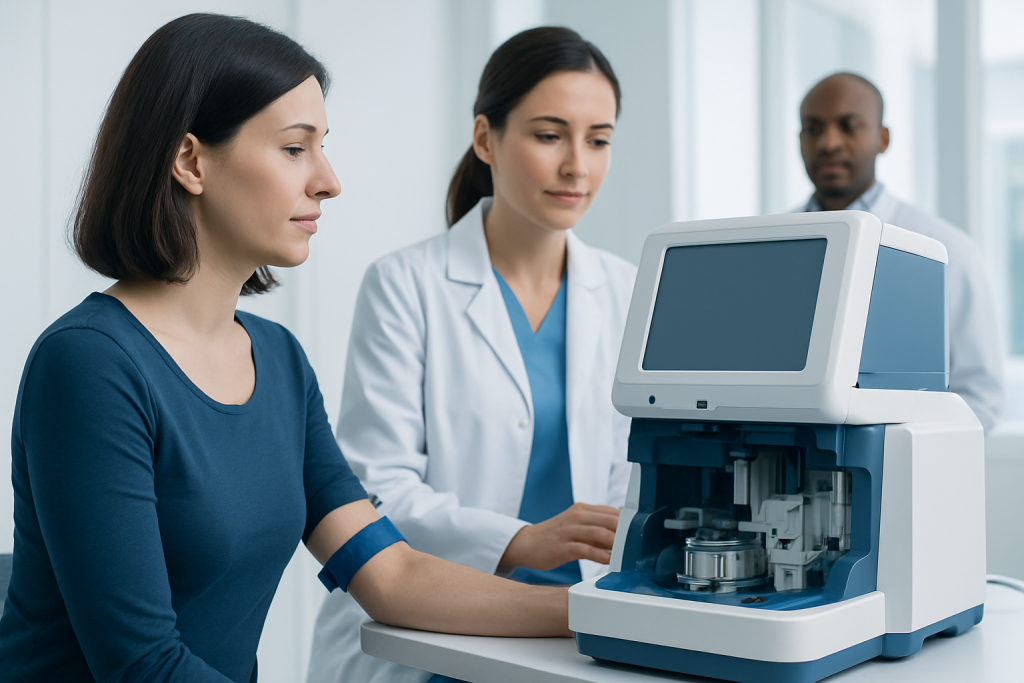
Problems with hemostasis often show up as bleeding that seems disproportionate to the injury. Some people notice that a small cut keeps oozing longer than expected, while others find that a routine blood draw leaves a large bruise or takes longer than usual to stop bleeding.
Bleeding symptoms can look different depending on the underlying cause. Common warning signs include frequent nosebleeds, bleeding gums, heavy menstrual bleeding, blood in the urine or stool, and easy bruising without a clear reason.
In some situations, abnormal hemostasis causes the opposite problem: a clot forms inside a blood vessel and limits blood flow. This may cause swelling, pain, warmth in a leg, chest discomfort, shortness of breath, or sudden neurologic symptoms that need urgent evaluation.
- Bleeding that lasts longer than expected
- Easy or unexplained bruising
- Frequent nose or gum bleeding
- Heavy menstrual bleeding
- Swelling, pain, or sudden shortness of breath from possible clotting
Causes & Risk Factors

Hemostasis depends on healthy blood vessels, platelets, clotting proteins, and the liver’s ability to make those proteins. If any part of the chain is weakened, the body may struggle to stop bleeding or may clot too easily.
Some causes are inherited, such as hemophilia or von Willebrand disease. Others develop later in life because of liver disease, Kidney Disease Treatment" class="ahp-ilk">kidney disease, certain cancers, severe infections, autoimmune conditions, or nutritional problems such as low vitamin K. Medications also matter; blood thinners, aspirin, and some anti-inflammatory drugs can affect bleeding risk.
Risk can rise when more than one factor is present. A person who already bruises easily may notice more symptoms after starting a new medication, after alcohol misuse, during pregnancy, or before an operation. A doctor usually looks at the full picture rather than one test result alone.
Diagnosis
Diagnosis begins with a detailed discussion of bleeding patterns, past surgeries, family history, and current medications. This history is especially important because many hemostasis problems are first noticed after dental work, childbirth, or another procedure.
Blood tests often help clarify the reason. A complete blood count can check platelet numbers, while clotting studies such as PT and aPTT assess how well the coagulation pathway is working. Depending on the findings, a doctor may order tests for von Willebrand factor, liver function, kidney function, or specific clotting factors.
When the concern is a clot rather than bleeding, imaging studies may be used to look for deep vein thrombosis or pulmonary embolism. In complex cases, a hematologist may guide testing so the workup is thorough but not excessive.
Treatment Options
Treatment for hemostasis problems depends entirely on the cause. Some people need only a medication review and a plan to avoid triggers, while others may require medicines that replace missing clotting factors or help the body control bleeding more effectively.
If a medication is contributing to bleeding, a doctor may adjust it or switch to a different option. For inherited bleeding disorders, treatment can include factor replacement, desmopressin in selected cases, or medications that help stabilize clots. For clotting disorders, treatment may involve anticoagulation, compression therapy, or procedures chosen by the care team.
Supportive care matters as well. Iron treatment may be needed after ongoing blood loss, and surgery or dental procedures may require special planning. Patients traveling for care often benefit from a coordinated team that reviews test results, timing, and follow-up before they return home.
Prevention & Self-care
Not every hemostasis problem can be prevented, especially when it is inherited. Even so, practical steps can lower the chance of complications and help a person recognize changes early.
People with bleeding concerns are usually advised to keep an updated list of medications and supplements, because some products affect clotting more than many expect. It also helps to tell every clinician, dentist, or surgeon about unusual bleeding, previous transfusions, or a family history of clotting disorders.
Self-care is often about reducing avoidable strain on the body. Using soft toothbrushes, protecting the skin from injury, following instructions about activity after procedures, and attending scheduled lab checks can all support safer healing. Any person with a known disorder should ask the care team before starting a new medicine, supplement, or exercise program.
When to See a Doctor
Medical advice is appropriate when bleeding seems excessive, happens often, or appears without a clear reason. A doctor should also be consulted if bruises are large or frequent, periods become much heavier than usual, or minor injuries keep bleeding longer than expected.
Urgent assessment is important for signs of serious blood loss or a possible clot, including fainting, severe weakness, black stools, vomiting blood, sudden chest pain, shortness of breath, or swelling and pain in one leg. These symptoms are not typical and should not be watched at home.
People planning surgery, dental treatment, pregnancy care, or long-distance travel should mention any bleeding history early. Acibadem Health Point’s multidisciplinary specialists and JCI-accredited hospitals diagnose and treat hemostasis-related conditions for international patients, with coordinated evaluation before and after treatment.
Frequently asked questions
What does hemostasis mean in simple terms?
Hemostasis is the body’s way of stopping bleeding after a blood vessel is injured. It involves the vessel narrowing, platelets gathering, and clotting proteins forming a stable seal.
Is hemostasis only about blood clotting?
Not exactly. Blood clotting is one part of hemostasis, but the process also includes vessel constriction and platelet activity. All three steps work together to prevent blood loss.
What are common signs that hemostasis may not be working properly?
Common signs include easy bruising, frequent nosebleeds, bleeding gums, heavy menstrual bleeding, or cuts that take a long time to stop bleeding. Some people may also develop symptoms of a clot, such as leg swelling or shortness of breath.
Can medications affect hemostasis?
Yes, several medicines can change how the body bleeds or clots. Blood thinners, aspirin, and some anti-inflammatory drugs are common examples, which is why a full medication review is important before procedures.
How is a hemostasis problem diagnosed?
Doctors usually begin with a bleeding history and blood tests that measure platelets and clotting time. If needed, more specific tests may be ordered to check clotting factors, liver function, or platelet behavior.
Can someone with a hemostasis disorder travel for treatment?
Many people can, but the trip should be planned carefully with the medical team. It helps to arrange follow-up, bring test results, and understand which symptoms would require prompt medical attention during travel.
References
- MedlinePlus
- National Heart, Lung, and Blood Institute
- World Health Organization
- Mayo Clinic
- American Society of Hematology
This article is for general information only and is not a substitute for professional medical advice. Please consult a qualified doctor about your individual situation.