Prolapsed Anus: Symptoms, Causes and Treatment
Key Takeaways
- A prolapsed anus usually involves part of the rectum or lining sliding downward through the anus.
- Symptoms may include a bulge, mucus discharge, bleeding, discomfort, or trouble controlling bowel movements.
- Chronic constipation, straining, weakened pelvic floor muscles, and some neurological conditions can contribute.
- Diagnosis often relies on a careful physical examination and sometimes additional tests to assess bowel function.
- Treatment ranges from lifestyle measures and bowel management to surgery, depending on the severity and cause.
Medically reviewed by the Acıbadem clinical team — August 19, 2026
Prolapsed anus is a condition in which tissue from the rectum or anal canal slips out of its normal position, often after bowel movements. It can be uncomfortable and worrying, but many cases can be evaluated and treated effectively with the right medical guidance.
Overview
When people use the term prolapsed anus, they are often describing a condition in which tissue from the rectum or anal lining moves downward and may appear at or beyond the anal opening. In medical terms, this is usually discussed as rectal prolapse or, in some cases, prolapse of the anal mucosa. The appearance can be unsettling, especially if it happens suddenly after straining or a bowel movement, but it is a recognized medical problem with clear pathways for evaluation and care.
This condition is not the same as hemorrhoids, although the two can be confused. Hemorrhoids are swollen veins, while prolapse involves tissue slipping out of its normal position. Understanding that difference matters because the causes, examination findings, and treatments are not identical.
For patients considering care abroad, the first practical step is usually a straightforward assessment by a gastroenterologist or colorectal surgeon. The visit focuses on how long the problem has been present, whether it occurs only during bowel movements or also at other times, and whether symptoms such as leakage or bleeding are affecting daily life. That early conversation often shapes the entire treatment plan.
Symptoms
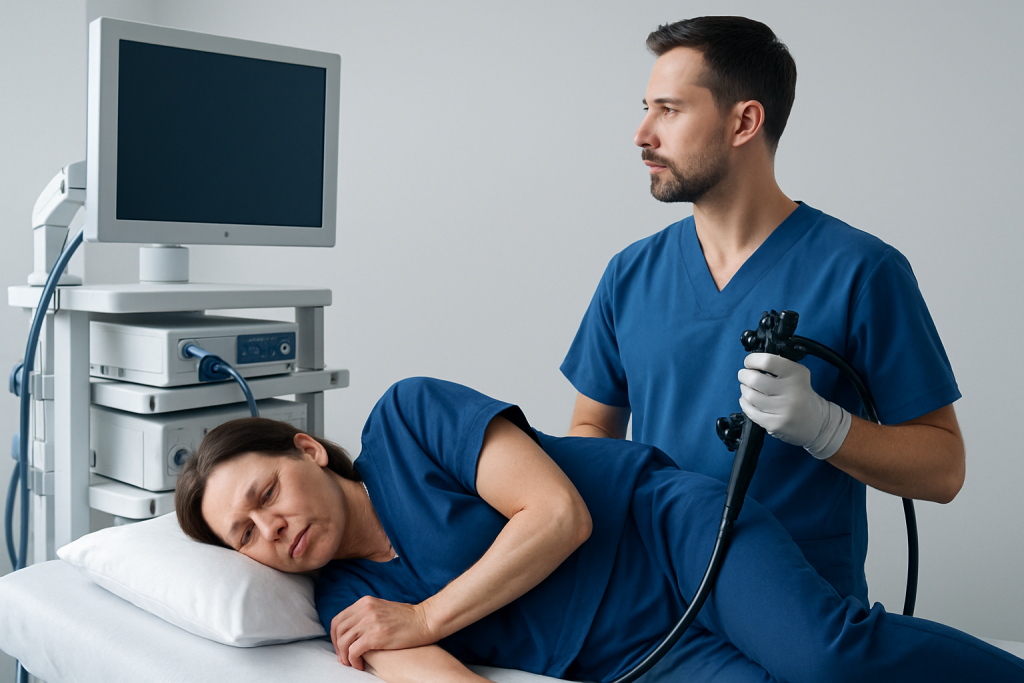
The most visible sign is a soft bulge of tissue coming through the anus. In some people, it appears only after passing stool and then goes back in on its own; in others, it may need to be gently pushed back, or it may remain outside for longer periods. The amount of tissue involved can vary from a small protrusion to a more noticeable prolapse.
Other symptoms may develop alongside the bulge. These can include mucus discharge, a feeling that the bowel has not emptied completely, discomfort while sitting, and irritation of the surrounding skin. Some people notice small amounts of bleeding, particularly if the tissue is exposed or rubbed during cleaning.
Bowel control can also be affected. Leakage of stool or gas may occur if the muscles and nerves that support continence are under strain. In children, prolapse may be noticed during toilet training or after repeated constipation, while in adults it may gradually become more frequent over time.
- Visible tissue at or beyond the anus
- Discomfort, pressure, or a pulling sensation
- Mucus or small amounts of bleeding
- Difficulty fully controlling bowel movements
- Feeling of incomplete evacuation
Causes & Risk Factors
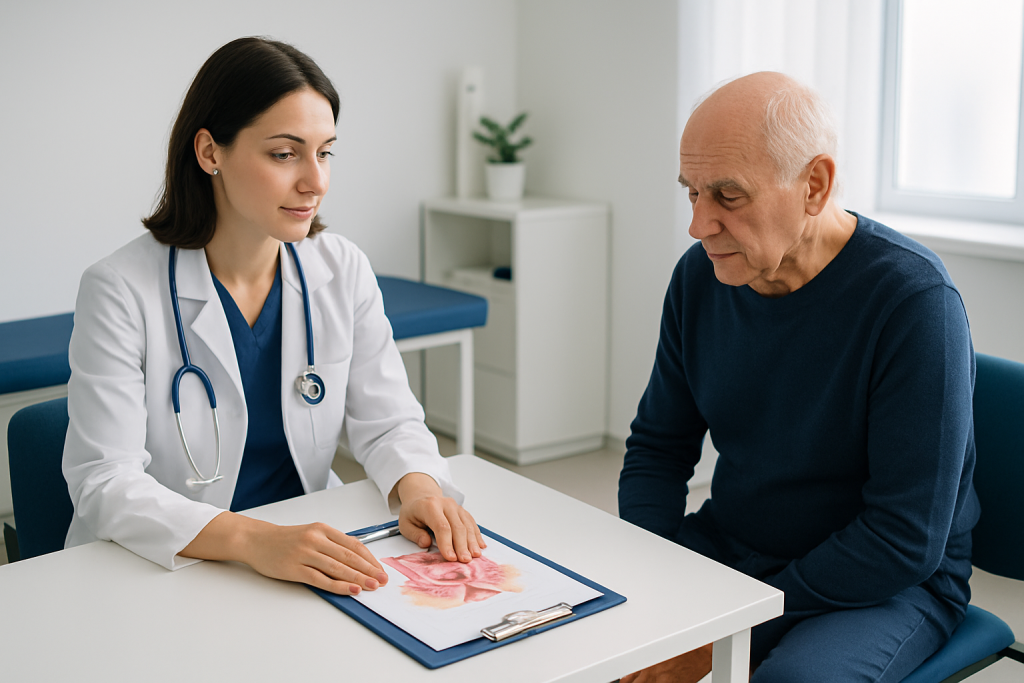
Rectal or anal prolapse usually develops when the structures that help anchor the rectum become weakened or repeatedly stressed. Chronic constipation is one of the most common contributors, especially when a person strains often or spends a long time trying to pass stool. Repeated pressure can gradually stretch the supporting tissues.
Age-related weakening of the pelvic floor can also play a role, as can prior childbirth, chronic coughing, heavy lifting, or conditions that affect nerve supply to the bowel. Some people have a history of pelvic floor disorders or prior surgery that changes support around the rectum and anus.
Risk factors may also include neurological conditions that impair coordination of the bowel muscles, long-standing diarrhea, or certain developmental issues in children. The exact pattern differs from one person to another, which is why diagnosis depends on more than the visible prolapse alone. A good evaluation looks for the reason the prolapse developed, not just the tissue that is showing.
Diagnosis
Diagnosis begins with a clinician’s examination, often including a visual assessment while the person is asked to bear down. This helps the doctor see whether the tissue is prolapsed rectum, anal mucosa, or another condition that may resemble it. A careful medical history is just as important, since the timing of symptoms can point toward constipation, nerve problems, or pelvic floor weakness.
Depending on the findings, additional tests may be recommended. These can include imaging studies, endoscopic examination, or tests that evaluate how well the rectum and pelvic floor are functioning. The goal is to confirm the diagnosis and rule out other causes of bleeding, pain, or protruding tissue.
For international patients, diagnostic planning is often coordinated so that necessary testing can be completed efficiently during a single visit or a short stay. That can be helpful when follow-up care will happen back home, because the results and next steps need to be clear before travel.
Treatment Options
Treatment depends on the severity of the prolapse, how often it occurs, and whether symptoms such as bleeding or incontinence are present. In mild or early cases, doctors may focus on making bowel movements easier and reducing strain. This may involve diet changes, fiber guidance, fluid intake, and a plan to prevent constipation or repeated straining.
When prolapse is more significant, persists outside the anus, or affects bowel control, surgery is often considered. Surgical options are chosen based on the person’s age, overall health, anatomy, and whether there are other pelvic floor problems. The aim is to return the tissue to its proper position and improve function, not just to treat what is visible on the outside.
Some patients, especially those traveling for care, appreciate having both diagnosis and treatment options reviewed in one coordinated plan. In that setting, multidisciplinary teams may involve colorectal surgeons, gastroenterologists, anesthesiology specialists, and rehabilitation support when needed. Acibadem Health Point’s multidisciplinary specialists and JCI-accredited hospitals can diagnose and treat this condition for international patients, with attention to both procedure planning and recovery needs.
- Bowel habit optimization and constipation management
- Pelvic floor support and education
- Surgical repair for recurrent or significant prolapse
- Follow-up to monitor healing and continence
Prevention & Self-care
Not every case can be prevented, especially when tissue support has already weakened, but there are practical ways to reduce strain on the bowel. The most useful goal is to make stools soft, regular, and easy to pass. That lowers the pressure that tends to push prolapse forward.
Self-care also includes avoiding long periods of sitting on the toilet and resisting the urge to strain. People with chronic constipation may benefit from a clinician-guided bowel routine, while those with diarrhea may need evaluation for the underlying cause. Good skin care around the anus can reduce irritation if mucus or leakage is present.
Patients recovering after treatment may need to avoid heavy lifting for a period of time and follow the surgeon’s bowel instructions closely. For someone returning home after treatment abroad, having a clear written plan for diet, wound care, warning signs, and follow-up appointments is especially helpful. General measures may include:
- Increasing fiber gradually if advised by a doctor
- Drinking enough fluids
- Responding promptly to bowel urges
- Avoiding straining during bowel movements
- Maintaining follow-up if symptoms return
When to See a Doctor
A person should seek medical assessment if a bulge appears at the anus, especially if it recurs or is associated with bleeding, pain, or trouble controlling bowel movements. Even if the tissue goes back in on its own, repeated episodes deserve attention because the underlying support problem may be getting worse.
Prompt medical review is also important if the prolapsed tissue becomes difficult to reduce, looks dark or swollen, or is accompanied by severe pain. These findings need professional evaluation to make sure the tissue is healthy and to plan the right treatment.
Anyone traveling for care should arrange follow-up before returning home, particularly if surgery has been performed. Clear instructions about medications, activity limits, bowel care, and the timing of review can make recovery smoother and reduce avoidable complications.
Living With the Condition
Living with prolapse can be physically uncomfortable and emotionally frustrating, especially when symptoms interfere with work, travel, or social confidence. Many people worry that the problem is unusual or embarrassing, but it is a medical condition that clinicians assess routinely and respectfully.
Practical routines often make daily life more manageable. That may include a bowel regimen, clothing that reduces friction, and a plan for cleaning and skin protection if leakage occurs. People who travel frequently may find it useful to keep a record of symptoms, stool patterns, and triggers so they can discuss them clearly with their doctor.
With the right evaluation, many patients move from uncertainty to a much clearer plan. Whether care is local or abroad, the important part is not to ignore the symptoms and not to assume they are simply hemorrhoids or a temporary irritation.
Frequently asked questions
Is a prolapsed anus the same as hemorrhoids?
No. Hemorrhoids are swollen veins, while prolapse means tissue from the rectum or anal lining has slipped downward. They can look similar to a patient, which is why a medical examination is important.
Can a prolapsed anus go back in by itself?
In some cases, the tissue may return to its normal position after a bowel movement or when the person lies down. If it keeps happening, or if it no longer goes back in easily, a doctor should evaluate it.
Does prolapse always need surgery?
Not always. Mild cases may be managed by improving bowel habits and reducing strain, but more significant or recurring prolapse often needs surgical treatment. The choice depends on symptoms, cause, and overall health.
What makes prolapse worse?
Straining, constipation, long toilet sessions, and untreated bowel problems can all make prolapse more likely to recur or worsen. Addressing the underlying bowel pattern is an important part of care.
Can children get a prolapsed anus?
Yes, children can develop prolapse, often in connection with constipation, toilet training, or repeated bowel strain. A pediatric assessment is important so the underlying cause can be identified.
How is recovery after treatment usually handled?
Recovery depends on the treatment type, but it usually includes bowel management, activity guidance, and follow-up visits to check healing. Patients traveling home after treatment should make sure they have clear written instructions and a contact plan for questions.
References
- World Health Organization
- Mayo Clinic
- Cleveland Clinic
- MedlinePlus
- American Society of Colon and Rectal Surgeons
This article is for general information only and is not a substitute for professional medical advice. Please consult a qualified doctor about your individual situation.
Persistent digestive symptoms? Get evaluated in Turkey
JCI-accredited · board-certified surgeons · reply within 24h
Add us as a Preferred Source to see more of our trusted health content across Google Search, AI Overviews and Discover.