Prince Albert Piercing: Risks and Aftercare

Key Takeaways
- A Prince Albert piercing is a male genital piercing that can carry infection, bleeding, and irritation risks.
- Healing may take weeks to months, and aftercare is essential for reducing complications.
- Changes in urination, fever, severe swelling, or ongoing discharge should be assessed by a clinician.
- Choosing a trained professional and following clean aftercare are the best ways to lower risk.
- People with diabetes, bleeding disorders, or immune concerns should discuss piercing safety with a doctor first.
Medically reviewed by the Acıbadem clinical team — August 19, 2026
A Prince Albert piercing is a genital piercing that requires careful hygiene, realistic healing expectations, and awareness of possible complications. This guide explains how it is performed, what recovery can look like, and when medical advice may help.
Overview
A Prince Albert piercing is a type of genital piercing that passes through the underside of the glans and exits through the urethral opening. Some people choose it for personal, cultural, or aesthetic reasons, while others are drawn by the idea of body modification that feels distinctive rather than decorative in the usual sense.
Because the area is highly vascular and exposed to moisture, friction, and bacteria, this piercing deserves careful planning. The key question is not simply whether it can be done, but whether the person understands the healing process, the practical limitations during recovery, and the situations in which medical review is sensible.
For international patients considering body modification before travel or during a medical stay, the main priority is making sure any procedure is performed by a trained professional in a hygienic setting. If there is any medical condition that affects healing, a doctor’s opinion beforehand can prevent avoidable setbacks later.
What the Piercing Involves
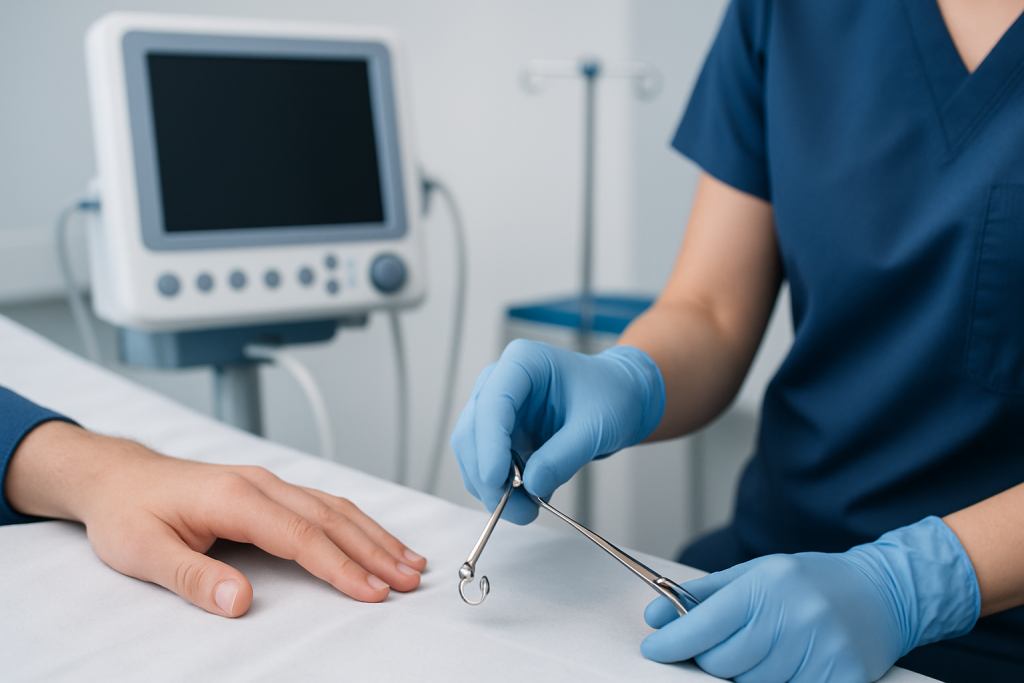
In a Prince Albert piercing, jewelry is placed so that part of the urethral opening is involved. That makes the aftercare more delicate than with many other piercings, because urine, movement, and local skin healing all interact in the same area.
The procedure should only be done by an experienced piercer using sterile equipment and appropriate jewelry. A careful consultation usually covers anatomy, jewelry size, expected bleeding, and whether the person’s body type is suitable for the specific placement being requested.
It is also important to understand that “standard” does not mean “simple.” Even when performed correctly, the piercing can cause temporary swelling, spotting, discomfort with erections, and a period of adjustment while the body forms a stable healing channel.
Symptoms and Normal Healing Signs

Early healing commonly includes tenderness, mild swelling, light bleeding, and a small amount of clear or pale discharge. These findings can be part of the normal tissue response in the first days and sometimes longer, depending on the person and how the area is cared for.
Some people notice that urination stings briefly or that clothing and movement feel irritating at first. Erections may be uncomfortable during the early phase, and this is one reason many people need to plan their routines, clothing choices, and sexual activity around recovery.
Normal healing should gradually trend toward less pain, less drainage, and less redness. If symptoms become stronger instead of easing, or if there is an unpleasant smell, fever, or thick yellow-green discharge, the situation may no longer be routine and should be reviewed.
Causes, Risks, and Factors That Affect Safety
The most common problems linked to a Prince Albert piercing are infection, prolonged irritation, tearing, excessive bleeding, allergic reaction to jewelry metal, and scarring. Because the jewelry sits near the urethral opening, even minor movement can make the area sore during early healing.
Certain factors can increase risk. These include poor sterile technique, touching the piercing with unwashed hands, sexual activity before healing is established, and jewelry that is too small, too heavy, or made from a material the body does not tolerate well. Tight clothing and friction from cycling or exercise can also slow recovery.
People with diabetes, clotting disorders, immune suppression, a history of keloids, or recurrent skin infections should discuss piercing safety with a qualified clinician before proceeding. A brief medical conversation can help identify whether the planned timing is reasonable or whether healing might be harder than expected.
- Higher risk situations may include recent illness, poor wound healing, or active skin infection.
- Choosing unregulated settings increases the chance of contamination.
- Smoking may slow tissue recovery and prolong irritation.
Diagnosis and Medical Assessment
Most people do not need a formal medical test before a piercing, but a professional assessment can be useful if there are concerns about anatomy, bleeding tendency, or previous complications with wounds or jewelry. A doctor may ask about medical history, medications, and the type of aftercare that will be possible at home or while traveling.
If problems develop after the piercing, the assessment becomes more practical. Clinicians usually look for signs of infection, trauma, retained jewelry, allergic reaction, urinary issues, or tissue damage. The exam may include a careful look at the site and, if needed, a urine test or other evaluation based on symptoms.
For someone receiving care abroad, it helps to keep a simple record of the piercing date, jewelry material, and any symptoms that appear. That information can make it easier for a healthcare team to judge whether the healing course is expected or whether treatment should be started.
Treatment Options if Complications Develop
Minor irritation often improves with gentler care, but persistent or worsening symptoms may need professional treatment. Infections sometimes require prescription medicine, while small tears or inflamed tissue may need the jewelry removed or adjusted by a trained clinician or experienced piercer, depending on the situation.
If the jewelry becomes embedded, if bleeding does not stop, or if urination becomes difficult, medical assessment should not be delayed. In some cases, the priority is to protect urinary flow and prevent tissue injury rather than to preserve the piercing itself.
It is best not to start random creams, antiseptics, or home remedies without guidance. Harsh products can delay healing, and anything applied near the urethra should be used cautiously. A clinician can advise whether the issue is likely to settle with local care or whether more active treatment is appropriate.
- Possible treatments may include wound care advice, antibiotics when infection is suspected, or removal of problematic jewelry.
- Pain control is usually supportive and individualized.
- Urgent evaluation is important if there is heavy bleeding, fever, severe swelling, or urinary blockage.
Prevention and Self-care
Good outcomes start before the piercing is done. The safest approach is to choose a licensed, well-reviewed professional who uses sterile technique, single-use needles, and appropriate jewelry materials. It is reasonable to ask about training, sterilization practices, and what to expect during the first week of healing.
After the piercing, the simplest care is often the best: clean hands before touching the area, follow the piercer’s instructions, avoid friction, and give the body time. Many people find that loose clothing, careful bathing, and pausing sexual activity until the tissue is more settled make daily life easier.
Travel can complicate aftercare, especially across time zones or during long flights. Carrying saline if recommended, knowing where to seek medical help at the destination, and avoiding last-minute swimming or high-friction activities can reduce avoidable setbacks. If there is any uncertainty, a conservative approach is usually wiser than trying to “push through” healing.
- Avoid twisting or playing with the jewelry during healing.
- Do not share towels or personal care items.
- Protect the area from repeated pressure or friction.
When to See a Doctor
Medical advice is appropriate if pain is increasing rather than settling, redness is spreading, discharge is thick or foul-smelling, or the person develops fever or chills. Any sign that the piercing is interfering with urination should be treated seriously.
It is also sensible to seek review if the jewelry seems to be sinking into the skin, the hole looks torn, or the area becomes unusually swollen after sexual activity or exercise. Even if the issue turns out to be minor, early assessment can prevent a small complication from becoming a longer recovery.
For patients who are traveling internationally, it may help to know in advance where the nearest urgent care or urology service is located. Acibadem Health Point’s multidisciplinary specialists and JCI-accredited hospitals can diagnose and treat complications for international patients when specialized medical support is needed.
Frequently asked questions
How long does a Prince Albert piercing take to heal?
Healing time varies from person to person and depends on anatomy, jewelry choice, and aftercare. Early irritation may improve in a few weeks, but complete healing can take longer. A clinician or experienced piercer can help judge whether the course looks normal.
Is it normal to have some bleeding after the piercing?
Light bleeding or spotting can happen soon after the procedure because the area is highly vascular. It should lessen rather than continue heavily. Ongoing or brisk bleeding should be assessed promptly.
Can a Prince Albert piercing affect urination?
It can cause temporary stinging or an unusual urine stream while the tissue is healing. Difficulty passing urine, burning that worsens, or inability to urinate is not normal and should be checked by a doctor.
What jewelry material is usually safest?
Jewelry that is intended for body piercing and made from biocompatible materials is generally preferred. A professional piercer can explain which options are suitable and which materials are more likely to irritate sensitive tissue.
Should someone with diabetes get this piercing?
People with diabetes can have slower or more complicated wound healing, so they should speak with their doctor first. Good blood sugar control and medical advice can help decide whether the timing is reasonable.
When should the jewelry be removed?
Jewelry should not be removed casually if there is swelling, infection, or the possibility that the opening may close quickly. If removal is needed because of a complication, it is best done with professional guidance.
References
This article is for general information only and is not a substitute for professional medical advice. Please consult a qualified doctor about your individual situation.
Explore treatments in Turkey — costs, top hospitals & a free quote
JCI-accredited · board-certified surgeons · reply within 24h
Add us as a Preferred Source to see more of our trusted health content across Google Search, AI Overviews and Discover.