

Physical Therapy for Sciatica: Treatment and Exercises

Key Takeaways
- Sciatica is a symptom pattern, not a single disease, and physical therapy is often used to address the underlying mechanical causes.
- A good therapy plan may include guided exercise, posture training, nerve-friendly movement, and education on activity pacing.
- Physical therapy is usually most effective when it is individualized to the person’s pain pattern, mobility, and daily routine.
- Home exercises and self-care habits often matter as much as clinic sessions for longer-term improvement.
- New weakness, loss of bladder or bowel control, or rapidly worsening symptoms need prompt medical assessment.
Medically reviewed by the Acıbadem clinical team — August 19, 2026
Physical therapy is often a central part of sciatica care because it can help reduce nerve irritation, improve movement, and build support around the spine and hips. For many people, the goal is not only pain relief, but also a safer, steadier return to daily activities, work, and travel.
Overview
Sciatica describes pain that travels along the path of the sciatic nerve, usually starting in the lower back or buttock and moving into one leg. It is commonly linked to irritation or compression of a nerve root in the spine, but the experience can vary widely from person to person. Some people feel a sharp, electric pain; others notice aching, tingling, numbness, or a heavy sensation in the leg.
Physical therapy is often recommended because it looks beyond pain relief alone. A therapist can assess how the spine, hips, muscles, and movement habits interact, then build a plan that fits the person’s specific pattern of symptoms. That plan may be especially useful for international patients who want a clear, structured recovery strategy before they return home or continue treatment across borders.
In sciatica care, timing matters. Early guidance can help people stay active safely, avoid unnecessary guarding, and reduce the chance of turning a short flare-up into a longer period of disability. The aim is usually gradual, steady progress rather than a quick fix.
Symptoms
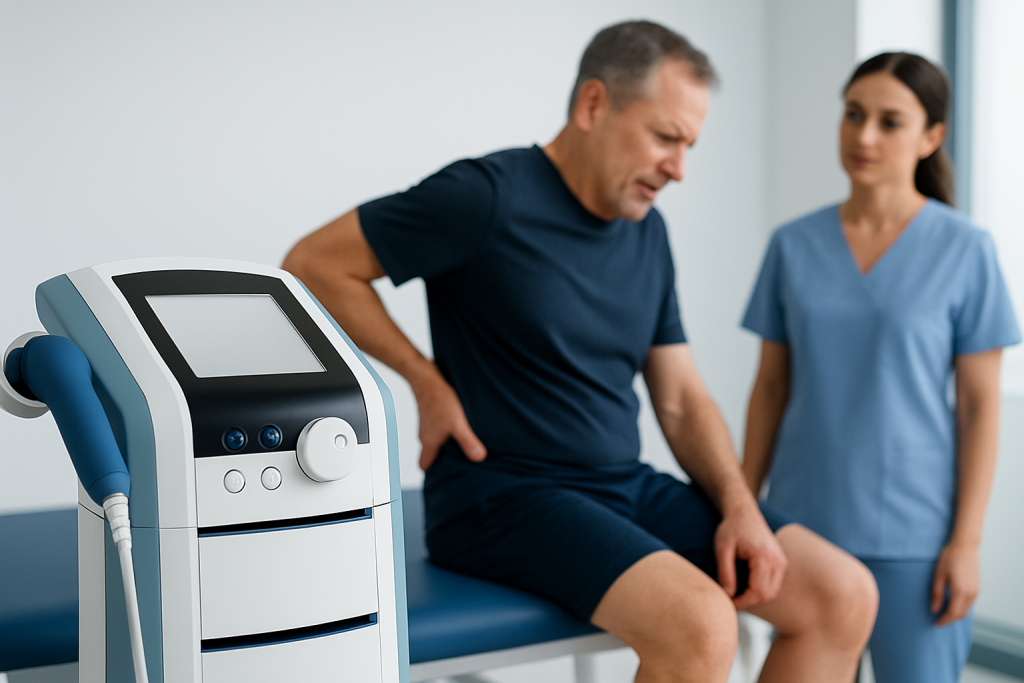
Sciatica often begins as pain in the lower back, buttock, or back of the thigh, then extends farther down the leg. The pain may be one-sided, and it can worsen with sitting, bending, coughing, twisting, or long periods in one position. Some people describe it as burning or shooting, while others feel intermittent zaps or deep tightness.
Along with pain, sciatica may cause numbness, tingling, or a sense that one leg is weaker or less reliable. In milder cases, symptoms may come and go. In more persistent cases, people may start avoiding walking, driving, lifting luggage, or sleeping comfortably, which can affect daily life and travel plans.
Symptoms do not always reflect the same cause. For example, a person with a small disc problem may have intense pain, while another with more visible imaging findings may have only mild discomfort. That is one reason a physical therapist and physician usually focus on both the symptom pattern and the movement exam rather than imaging alone.
Causes & Risk Factors
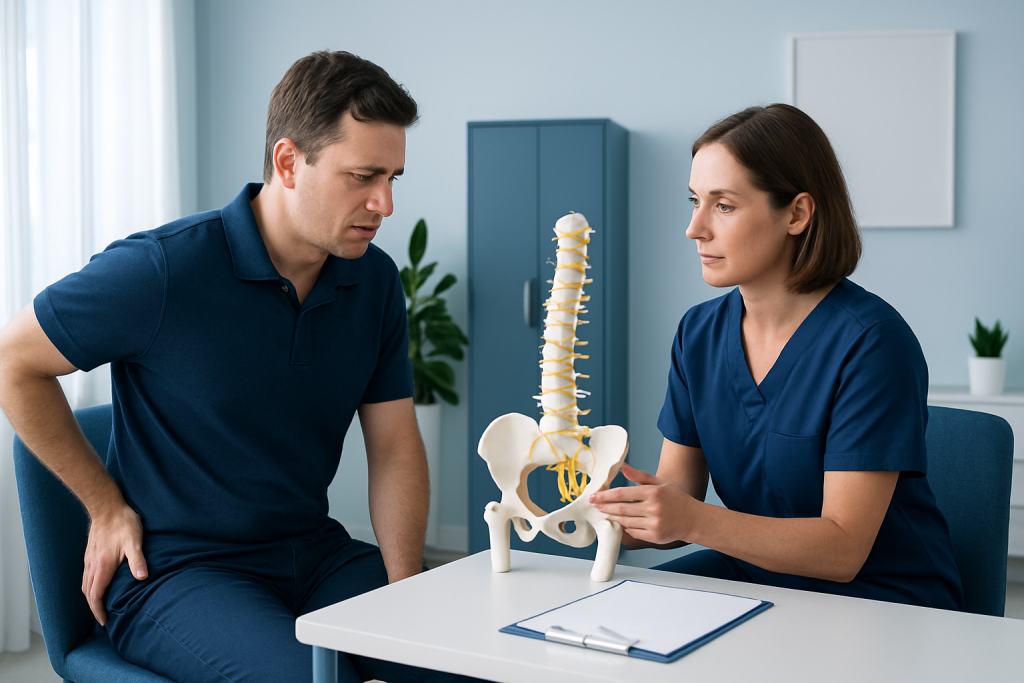
Sciatica is most often caused by pressure or inflammation around a lumbar nerve root. Common contributors include a herniated disc, age-related changes in the spine, spinal stenosis, or irritation from surrounding muscles and tissues. In some people, posture habits, repetitive lifting, or sudden strain can trigger symptoms, especially when the back and hips are already under stress.
Several factors may make sciatica more likely or more persistent. These include limited core and hip strength, prolonged sitting, jobs that involve heavy physical work, previous back injuries, and reduced general activity. Weight, smoking, and poor sleep can also influence recovery, not because they directly “cause” sciatica in every case, but because they may affect tissue healing, inflammation, and movement tolerance.
For travelers and international patients, long flights, unfamiliar beds, and carrying luggage can temporarily aggravate symptoms. That does not mean travel must be avoided in all cases, but it does mean planning ahead is helpful. A clinician may suggest movement breaks, seating changes, and a realistic schedule around treatment and recovery.
Diagnosis
Physical therapy begins with a careful history and movement assessment. The therapist asks where the pain starts, where it travels, what worsens it, and what seems to relieve it. This helps distinguish sciatica-like pain from other causes of leg discomfort, such as hip problems, muscle strain, or vascular issues.
The physical exam often includes posture observation, walking assessment, range of motion, strength testing, reflex checks, and simple nerve tension tests. If symptoms suggest a more complex problem, the person may also be referred for imaging or a physician evaluation. Imaging is not always required, especially when the symptoms and exam already point to a common mechanical cause and there are no warning signs.
A well-designed diagnosis is practical, not abstract. The goal is to identify the movements and positions that the nervous system tolerates, the ones that provoke symptoms, and the areas that need support. That information shapes the therapy plan and helps avoid generic exercises that may not fit the person’s condition.
Treatment Options
Physical therapy for sciatica is usually tailored to the person’s stage of symptoms. Early care may emphasize gentle movements, pain-reducing positions, and education about staying active without overdoing it. As symptoms settle, therapy often shifts toward strengthening, mobility work, and improving control of the trunk, hips, and pelvis.
Common components may include supervised stretching, targeted strengthening, core stabilization, nerve gliding or nerve mobility techniques, and postural retraining. Some people benefit from manual therapy, such as soft tissue work or joint mobilization, when it is clinically appropriate. The right approach depends on whether the person responds better to extension-based, flexion-based, or more neutral movement patterns.
Education is a major part of treatment. A therapist may explain how to change sitting habits, how to lift more safely, how to get in and out of cars or beds with less strain, and how to pace activity during a flare. For patients traveling for care, this guidance can be especially valuable because it supports the transition from clinic treatment to independent recovery.
Other treatments may be considered alongside physical therapy, depending on the cause and severity of symptoms. These can include pain-relief medicines recommended by a physician, targeted injections in selected cases, or, when needed, surgical evaluation. Physical therapy often remains important even when additional treatment is used, because movement retraining and strength work can support longer-term recovery.
Examples of therapy goals may include:
- Reducing leg pain enough to sit, walk, or sleep more comfortably
- Improving trunk and hip strength to support the lower back
- Restoring confidence in daily movement
- Teaching symptom-safe home exercises
- Preparing for return to work, travel, or sport
Prevention & Self-care
Self-care does not replace evaluation, but it can make sciatica easier to manage. Many people do best when they keep moving within a tolerable range rather than resting completely. Short, frequent walks and gentle position changes are often more helpful than long periods of lying down.
Other practical habits can reduce strain on the irritated nerve. These include using supportive seating, avoiding prolonged slouched positions, changing posture regularly, and lifting with the legs and hips rather than rounding the back. Some people also improve with simple sleep adjustments, such as placing a pillow between the knees or under the knees, depending on what feels more comfortable.
For people recovering while living abroad or planning treatment travel, consistency matters. It helps to keep the home exercise plan simple enough to continue after discharge, save therapist instructions digitally, and ask for clarification before leaving the clinic if a movement feels uncertain. A measured, realistic routine often works better than trying to do too much all at once.
When to See a Doctor
Medical assessment is important if leg pain is severe, lasts more than a short period, or limits walking, work, or sleep. It is also wise to seek care if pain keeps returning, if numbness is spreading, or if the person is not improving with basic self-care. A doctor or physical therapist can check whether the problem is truly sciatica and whether another condition needs attention.
Some symptoms should be treated as urgent. These include new or worsening weakness in the leg or foot, numbness in the groin or saddle area, or changes in bladder or bowel control. Fever, unexplained weight loss, or pain after significant trauma also deserve prompt evaluation.
For international patients, it is helpful to plan follow-up before traveling home. A clear diagnosis summary, written exercise plan, and advice on warning signs can make continued care much smoother. Acıbadem Health Point’s multidisciplinary specialists and JCI-accredited hospitals diagnose and treat sciatica for international patients, with attention to both the medical workup and the recovery plan that follows.
Recovery Expectations
Recovery from sciatica varies depending on the cause, how long symptoms have been present, and how the body responds to treatment. Some people notice meaningful relief within a few weeks of targeted physical therapy, while others need a longer, stepwise plan. Improvement often comes in stages rather than all at once.
One helpful sign is when pain becomes more manageable during routine tasks, even before it fully disappears. Another is when walking, sitting, or sleeping becomes less guarded. A therapist may adjust exercises as symptoms change, which is why follow-up visits can be useful instead of relying on a single session.
People who recover well usually continue some version of their home program after the worst pain has settled. That maintenance approach can lower the chance of recurring irritation and helps protect the back during work, exercise, or future travel. If symptoms return, early reassessment is usually easier than waiting until the flare becomes severe.
Frequently asked questions
Can physical therapy cure sciatica?
Physical therapy does not “cure” every cause of sciatica, because sciatica is a symptom pattern with different underlying reasons. It can, however, help reduce pain, improve movement, and support recovery in many people. The best results usually come from a plan matched to the person’s specific findings.
Should someone rest completely when sciatica starts?
Complete rest is usually not the best long-term strategy. Gentle activity, position changes, and guided movement are often more helpful than staying still for long periods. If movement sharply worsens symptoms, a clinician should help adjust the plan.
What exercises are commonly used in sciatica physical therapy?
Therapists often use exercises that improve core stability, hip strength, flexibility, and nerve mobility. The exact routine depends on the person’s pain pattern and what movements feel relieving or aggravating. Exercises are usually introduced gradually and modified as symptoms improve.
How long does it take for physical therapy to help sciatica?
The timeline varies, and it depends on the cause, severity, and how consistently the home program is followed. Some people feel better within a few visits, while others need several weeks of care. Progress is often measured by easier walking, sitting, and daily movement rather than pain disappearing overnight.
Is sciatica always caused by a slipped disc?
No. A herniated disc is a common cause, but sciatica can also come from spinal stenosis, age-related changes, or irritation of nearby tissues. A proper assessment helps identify the most likely source of symptoms.
When should someone get urgent help for sciatica?
Urgent medical care is needed if there is new leg weakness, numbness around the groin or saddle area, or loss of bladder or bowel control. Sudden severe pain after trauma also needs prompt attention. These signs may suggest a more serious problem than routine sciatica.
References
- National Institute of Neurological Disorders and Stroke
- American Academy of Orthopaedic Surgeons
- Mayo Clinic
- World Health Organization
- North American Spine Society
This article is for general information only and is not a substitute for professional medical advice. Please consult a qualified doctor about your individual situation.
Physical Therapy in Turkey — costs, top hospitals & a free quote
JCI-accredited · board-certified surgeons · reply within 24h
Add us as a Preferred Source to see more of our trusted health content across Google Search, AI Overviews and Discover.
More from the Health Library



Related Specialists

Fzt. Elif Tokgöz Nizam
Physical Medicine & Rehabilitation
Fzt. Gizem Aydın
Physical Medicine & Rehabilitation
Dr. Safiye Sayilir
Physical Medicine & Rehabilitation
Dr. Özgün Barış Çolak
Physical Medicine & Rehabilitation