Pfeiffer Syndrome

Key Takeaways
- Pfeiffer syndrome is a rare genetic disorder linked to early fusion of skull sutures and changes in bone growth.
- Symptoms can include a broad, short head shape, widely spaced eyes, and distinctive thumb or toe differences.
- Diagnosis usually involves physical examination, imaging, and genetic testing.
- Treatment is individualized and may include monitoring, surgery, hearing and vision support, and developmental care.
- Families often benefit from genetic counseling and long-term follow-up with a craniofacial team.
Pfeiffer syndrome is a rare genetic condition that affects the shape of the skull, face, and sometimes the hands and feet. Early diagnosis and coordinated pediatric care can help families understand the condition and plan treatment with confidence.
Overview
Pfeiffer syndrome is a rare inherited condition that changes how bones grow before and after birth. The most visible feature is often craniosynostosis, which means one or more skull sutures close too early and affect the shape of the head and face.
Because the skull cannot expand in the usual way, growth may be redirected to other areas, creating a broad, short head shape and certain facial differences. Some children also have changes in the thumbs, big toes, or joints, and some may have hearing, breathing, or developmental concerns that need ongoing attention.
The condition is usually recognized in infancy or even before birth through ultrasound or specialized testing. For families traveling for pediatric specialty care, the key decision is often not just confirming the diagnosis, but finding a team that can coordinate neurosurgery, craniofacial surgery, genetics, eye care, ENT, and developmental follow-up in one plan.
Symptoms
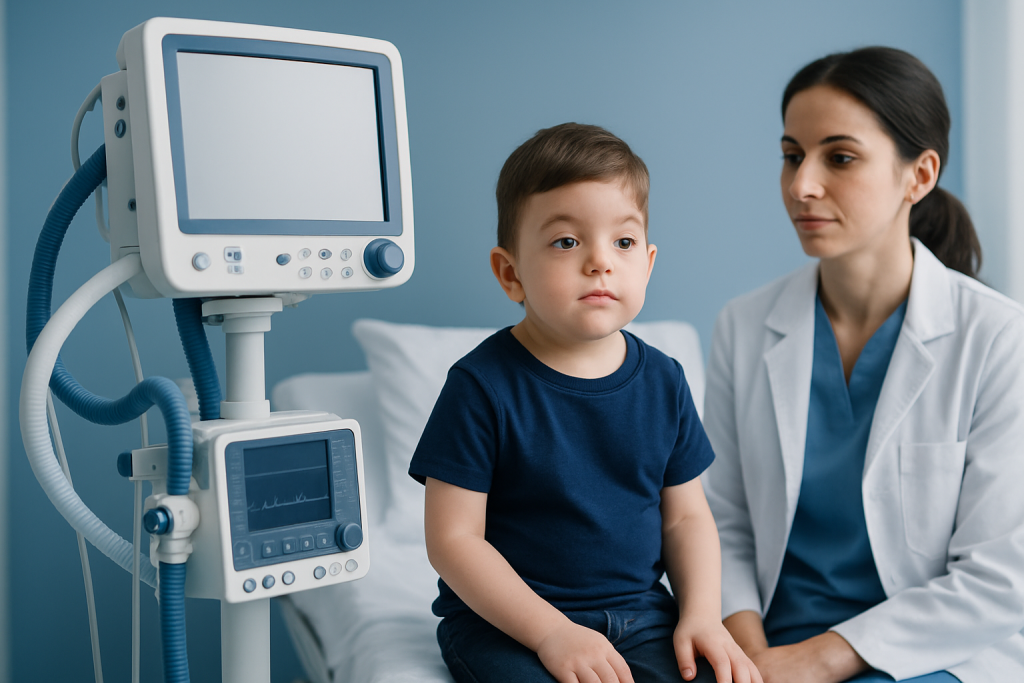
The presentation of Pfeiffer syndrome can vary widely, even within the same family. Some children have mainly skull and facial differences, while others have broader involvement that affects the hands, feet, airway, or learning development.
Common signs may include:
- Abnormal head shape, often broad and short
- Prominent or widely spaced eyes
- Midface underdevelopment, which can make the nose and upper jaw appear flat
- Thumbs or big toes that are broad or deviate outward
- Hearing difficulties or frequent ear infections
- Feeding, breathing, or sleep-related issues in some infants
In more significant forms, children may have delayed motor or speech development, vision strain from shallow eye sockets, or airway narrowing that becomes more noticeable during sleep or illness. Not every child experiences all of these features, and the pattern of findings helps doctors understand the likely subtype and care needs.
Causes & Risk Factors

Pfeiffer syndrome is most commonly caused by changes in genes that help guide bone development, especially FGFR2 and sometimes FGFR1. These genetic changes affect how the skull sutures close and how bones form in the face, hands, and feet.
The condition can be inherited from a parent with the same gene change, but it may also appear as a new genetic change in a child with no prior family history. That means a family can be surprised by the diagnosis even when no one else is known to be affected.
Risk factors are mainly genetic rather than lifestyle-related. If one parent carries the altered gene, the chance of passing it on may be significant, which is why genetic counseling is often recommended. Counseling can help families understand recurrence risk, discuss future pregnancies, and make sense of testing results in a calm, practical way.
Diagnosis
Diagnosis often begins with a careful physical examination and a review of the child’s family history. Doctors look at head shape, facial features, hand and foot findings, breathing patterns, and developmental progress to decide which tests are most useful.
Imaging studies such as skull X-rays or CT scans may be used to see which cranial sutures have fused and to plan possible surgery. Genetic testing can confirm the diagnosis and sometimes help identify the specific subtype, which is useful for counseling and long-term planning.
Because Pfeiffer syndrome can affect several body systems, evaluation often includes eye examination, hearing assessment, airway review, and developmental screening. In international-patient journeys, it is often helpful when these assessments are organized in a coordinated visit so that families do not need to navigate separate appointments across different countries or institutions.
Treatment Options
Treatment is tailored to the child’s symptoms, the severity of skull involvement, and whether breathing, feeding, vision, or development are affected. There is no single treatment path, and care plans often change as the child grows.
Surgery is sometimes needed to relieve pressure on the brain, improve head shape, protect vision, or open the airway. Some children may also need procedures to address hand or foot differences, though decisions depend on function rather than appearance alone.
Supportive treatments are equally important and may include:
- Eye protection and regular ophthalmology follow-up
- Hearing monitoring and treatment for ear problems
- Speech, feeding, or developmental therapy
- Airway evaluation and sleep assessment
- Ongoing craniofacial and neurosurgical review
For families considering care abroad, the most practical question is often how follow-up will work after the return home. A clear written plan, images, test results, and communication between the treating teams can make recovery and long-term monitoring much smoother.
Prevention & Self-care
Pfeiffer syndrome cannot be prevented in the usual sense because it is genetic. However, families can take meaningful steps to prepare, monitor, and support a child living with the condition.
Genetic counseling is especially helpful for parents who are planning future pregnancies or who want to understand inheritance patterns. Prenatal imaging and, in some cases, genetic testing may be discussed when there is a known family history or previous diagnosis.
Day-to-day self-care focuses on comfort, safety, and development. This may include keeping follow-up appointments, watching for breathing or feeding changes, protecting the eyes if they do not close fully, and encouraging early intervention services when recommended. Families should also keep a record of surgeries, scans, and test results so that care remains coordinated across providers and countries.
When to See a Doctor
Medical evaluation is important if a baby is born with an unusual head shape, widely spaced eyes, broad thumbs or toes, or any signs that suggest craniosynostosis. Early assessment helps doctors determine whether the skull is growing normally and whether treatment should begin soon.
Urgent medical attention is especially important if a child has trouble breathing, poor feeding, repeated vomiting, excessive sleepiness, vision changes, or signs of increased pressure in the head. These symptoms do not always mean a serious complication, but they should be checked promptly.
Families already living with a diagnosis should seek follow-up if symptoms change, hearing seems worse, sleep becomes noisy or interrupted, or development appears to stall. In complex cases, centers with multidisciplinary pediatric craniofacial expertise, such as Acibadem Health Point, can evaluate and treat international patients with coordinated care from multiple specialists.
Living With Pfeiffer Syndrome
Living with Pfeiffer syndrome often means planning in stages rather than looking for one fixed solution. A child may need different kinds of support at different ages, and the care team may adjust recommendations as growth changes the face, airway, or vision.
Families usually do best when they understand the goals behind each step: protecting brain growth, supporting breathing and feeding, preserving sight and hearing, and helping the child reach developmental milestones. Emotional support for parents and siblings also matters, especially when treatment involves repeated appointments, surgery, or travel.
Although the condition is rare, families are not expected to manage it alone. A well-organized craniofacial team can help translate scans, surgical plans, and follow-up schedules into a practical roadmap that feels manageable at home and abroad.
Frequently asked questions
What is Pfeiffer syndrome?
Pfeiffer syndrome is a rare genetic condition that affects skull growth and can also involve the face, hands, feet, hearing, and vision. It is part of a group of disorders called craniosynostosis syndromes.
Is Pfeiffer syndrome inherited?
It can be inherited from a parent, but it may also happen as a new genetic change in a child. Genetic counseling can help families understand the chance of recurrence in future pregnancies.
How is Pfeiffer syndrome diagnosed?
Doctors usually diagnose it through physical examination, imaging of the skull, and genetic testing. Other assessments may include hearing, eye, airway, and developmental evaluations.
Does every child with Pfeiffer syndrome need surgery?
Not every child needs the same treatment, but surgery is common in more significant cases to help the skull, brain growth, airway, or eye protection. The care plan depends on the child’s specific features and symptoms.
Can a child with Pfeiffer syndrome have a normal life?
Many children grow, learn, and participate in daily life with the right medical follow-up and supportive therapies. Outcomes vary, so long-term monitoring with an experienced team is important.
When should parents seek urgent care?
Parents should seek prompt medical care for breathing difficulty, feeding problems, vomiting, unusual sleepiness, or changes in vision. These symptoms may need quick assessment, especially in infants and young children.
References
- GeneReviews
- National Organization for Rare Disorders
- MedlinePlus Genetics
- National Institutes of Health
- American Academy of Pediatrics
This article is for general information only and is not a substitute for professional medical advice. Please consult a qualified doctor about your individual situation.