Sniffles

Key Takeaways
- Sniffles are a symptom, not a diagnosis, and they can come from colds, allergies, irritants, or sinus inflammation.
- Most mild cases improve with rest, hydration, nasal rinsing, and avoiding triggers.
- Colorful mucus alone does not always mean a bacterial infection.
- Persistent, one-sided, or severe symptoms deserve medical assessment.
- Children, older adults, and people with chronic conditions may need earlier evaluation.
Sniffles usually describe a runny, stuffy, or irritated nose, and they often improve on their own. This guide explains common causes, practical self-care, and the signs that suggest a medical review may help.
Overview
Sniffles is a simple word for a nose that is runny, blocked, or both. It may come with frequent sniffing, watery discharge, pressure in the face, or a sense that breathing through the nose is harder than usual. Although the symptom is common, the reason behind it can vary from day to day.
For many people, sniffles are linked to a short-lived viral infection such as the common cold. For others, the nose reacts to pollen, dust, smoke, perfume, temperature changes, or dry air. Less often, ongoing nasal symptoms point to sinusitis, nasal polyps, a deviated septum, or another condition that affects airflow.
The good news is that most cases are manageable at home. The key is to notice the pattern: when the symptoms began, what seems to trigger them, whether there is fever or facial pain, and whether the problem is improving or lingering. That information helps a clinician decide whether simple care is enough or whether further evaluation is appropriate.
Symptoms

Sniffles can look different depending on the cause. Some people mainly notice clear, watery drainage that comes and goes. Others feel congested, stuffy, or unable to smell normally for a few days. A sore throat, cough, sneezing, or mild fatigue may appear alongside a cold.
Allergy-related sniffles often arrive with itchy eyes, repeated sneezing, and symptoms that flare in certain places or seasons. Irritant-related symptoms may begin after exposure to smoke, dust, strong cleaning products, or very dry indoor air. In contrast, sinus inflammation can bring facial pressure, thicker mucus, or a heavy feeling around the cheeks and forehead.
- Clear, watery runny nose is often seen with allergies or early viral illness.
- Stuffy nose may be more noticeable at night or when lying down.
- Fever, body aches, or significant tiredness may suggest a viral infection.
- Symptoms lasting weeks, especially without improvement, may need a closer look.
Children may not describe discomfort clearly and may simply rub the nose, breathe through the mouth, or wake up restless. In adults, sniffles can also affect sleep, voice quality, and concentration, especially if nasal blockage becomes persistent.
Causes & Risk Factors
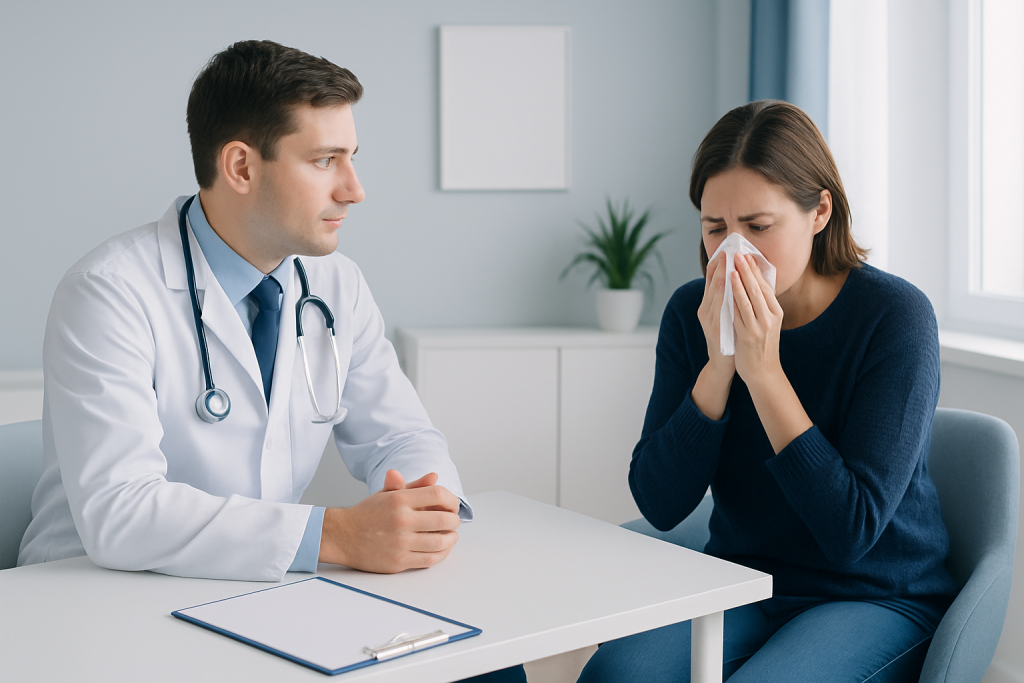
The most common causes of sniffles are everyday and familiar. Viral infections are frequent, especially in crowded settings, during travel, or when a person has close contact with someone who is ill. Allergies are another major reason, particularly when symptoms return in the same season or improve away from a particular environment.
Environmental irritation can also set off nasal symptoms. Dry air, air pollution, cigarette smoke, and strong odors may inflame the nasal lining and lead to repeated sniffing or discharge. Some people notice that spicy food, sudden temperature shifts, or exercise cause a temporary runny nose, which is usually not dangerous.
Certain conditions can make sniffles more likely or longer lasting. These include chronic sinusitis, nasal polyps, asthma, eczema, structural narrowing inside the nose, and frequent exposure to allergens at home or work. Young children, people with weakened immunity, and those with chronic medical problems may be more vulnerable to complications or slower recovery.
Travel can also matter. Different climates, long flights, recycled cabin air, and changes in sleep and hydration may dry or irritate the nose. International patients planning care should mention these details to their doctor, because timing, medication use, and recovery expectations can be shaped by travel-related factors.
Diagnosis
Most of the time, sniffles are diagnosed from a conversation and a physical examination. A clinician will usually ask when the symptoms began, whether they are seasonal or constant, and whether there is fever, facial pain, cough, sneezing, headache, or loss of smell. The appearance of the nasal discharge can help, but it is rarely the only clue.
In some cases, the nose and throat are examined with a light or a small camera to look for swelling, polyps, drainage, or signs of infection. If symptoms are recurring, severe, or unusually one-sided, further testing may be considered. This may include allergy assessment, sinus imaging, or additional evaluation for structural or chronic nasal disease.
Testing is not always necessary for a short-lived cold. However, if sniffles are affecting sleep, work, school, or travel plans, or if they do not settle in the expected time, a targeted evaluation can help identify whether the problem is allergic, infectious, inflammatory, or mechanical. That distinction matters because each cause is managed differently.
Treatment Options
Treatment depends on the cause rather than the symptom alone. Viral sniffles usually improve with supportive care, while allergy-related symptoms often respond best when triggers are reduced and the nasal lining is calmed. The aim is to ease discomfort, restore breathing through the nose, and prevent the problem from becoming prolonged.
Helpful measures may include saline nasal rinses or sprays, good hydration, rest, and humidified air when the environment is dry. If allergies are the likely cause, a clinician may suggest allergy-directed treatment such as non-sedating antihistamines or nasal sprays, chosen according to the person’s age, history, and other medications. For some patients, identifying and minimizing exposure to pollen, dust mites, pet dander, or workplace irritants makes a meaningful difference.
Antibiotics are not routinely needed for ordinary sniffles and are only used when a doctor believes a bacterial infection is likely. If a structural issue such as a deviated septum or nasal polyps is contributing, treatment may involve a specialist discussion about longer-term medical management or, in selected cases, procedural options.
For international patients, it can be helpful to bring a medication list, prior imaging, allergy history, and a brief timeline of symptoms before traveling for care. That information supports a more efficient evaluation and makes follow-up easier after returning home.
Prevention & Self-care
Simple habits can reduce how often sniffles appear and how uncomfortable they feel. Regular handwashing lowers the chance of catching viral infections, while avoiding smoke and strong irritants helps protect the delicate lining of the nose. People with known allergies often do best when they keep their home environment as clean and dust-controlled as practical.
Daily self-care may include drinking enough fluids, using saline sprays or rinses, and keeping indoor air from becoming overly dry. During allergy seasons, closing windows at high pollen times, showering after outdoor exposure, and changing clothes after coming in from outside may help. Sleeping with the head slightly elevated can also ease nighttime congestion.
- Use saline rinses gently and with clean, safe water as directed by a clinician or product instructions.
- Avoid overusing decongestant nasal sprays, which can worsen congestion if used too long.
- Track triggers such as weather, pets, dust, perfume, or certain foods.
- Rest when needed, especially during viral illnesses or after travel.
Parents and caregivers should watch hydration, sleep, and breathing comfort in children. Adults with recurrent sniffles may find it useful to keep a symptom diary, especially if they suspect allergies or repeated exposure to a workplace irritant. That record can make a future consultation far more precise.
When to See a Doctor
Medical advice is sensible when sniffles last longer than expected, return often, or interfere with breathing, sleep, or daily routines. A clinician should also be contacted if symptoms are severe, if there is significant facial pain or swelling, if fever is high or persistent, or if the mucus is one-sided and unusual in smell or appearance.
Children, older adults, and people with chronic health conditions should be assessed earlier if they seem unwell, are not eating or drinking well, or have trouble breathing through the nose and mouth. A doctor’s review is especially important if there is wheezing, ear pain, recurrent sinus infections, or a sudden change in smell that does not improve.
Care becomes more urgent if there is shortness of breath, chest pain, confusion, severe dehydration, or swelling around the eyes. These are not typical features of ordinary sniffles and deserve prompt medical attention. For non-urgent but persistent symptoms, an ENT specialist can help clarify whether the issue is allergy, infection, inflammation, or a structural concern.
Acibadem Health Point’s multidisciplinary specialists and JCI-accredited hospitals diagnose and treat ENT conditions for international patients, supporting both the initial evaluation and the follow-up that may happen after travel home.
Frequently asked questions
Are sniffles always a sign of a cold?
No. Sniffles can also be caused by allergies, irritants, dry air, sinus inflammation, or even changes in temperature. The pattern of symptoms and how long they last usually gives better clues than the symptom itself.
Does green or yellow mucus mean a bacterial infection?
Not necessarily. Mucus can change color during a viral illness or as the body clears inflammation. A clinician looks at the full picture, including fever, pain, duration, and overall health, before deciding whether infection is bacterial.
What is the safest home care for sniffles?
Rest, fluids, saline nasal sprays or rinses, and avoiding irritants are usually good first steps. It also helps to keep indoor air comfortably humid and to follow product instructions carefully, especially for children.
When should allergies be suspected?
Allergies are more likely when symptoms are itchy, watery, repetitive, and tied to a season, pet exposure, dust, or a specific environment. If symptoms keep returning in the same pattern, an allergy evaluation may be useful.
Can travel make sniffles worse?
Yes, travel can dry the nose and increase exposure to viruses, dust, or temperature changes. Staying hydrated and keeping up with any prescribed treatment plan can help, especially for people with frequent nasal symptoms.
Do sniffles ever need surgery?
Most do not. Surgery is only considered when a structural problem or chronic condition, such as nasal polyps or a deviated septum, is clearly contributing and other treatments have not been enough.
References
- National Institute on Deafness and Other Communication Disorders
- American Academy of Otolaryngology–Head and Neck Surgery
- NHS
- Mayo Clinic
- World Health Organization
This article is for general information only and is not a substitute for professional medical advice. Please consult a qualified doctor about your individual situation.