Vasectomy vs. Reversal: How Men Decide Whether to Move Forward or Restore Fertility

Key Takeaways
- A vasectomy is intended as a long-term form of contraception, while reversal is a fertility-restoring surgery that may not work for everyone.
- The best decision depends on age, family goals, timing since vasectomy, partner fertility, and overall reproductive health.
- A specialist evaluation can clarify whether reversal or assisted reproduction is the more practical path.
- Recovery after either procedure is usually manageable, but follow-up is important to confirm healing or sperm return.
- Men considering care abroad should plan for consultation, procedure timing, and post-treatment follow-up before traveling.
Vasectomy and vasectomy reversal are different choices that reflect different stages of family planning. Understanding how each procedure works, what influences success, and what recovery looks like can help men make a clear, informed decision with a qualified specialist.
Overview
For many men, the question is not simply whether to have a vasectomy or reverse one later. It is a larger family-planning decision that sits at the intersection of timing, relationships, health, and the practical realities of future fertility.
A vasectomy is designed to prevent sperm from entering semen, making pregnancy highly unlikely. A vasectomy reversal, by contrast, is a microsurgical procedure that aims to restore the pathway for sperm. The two options are not opposites in the everyday sense; they represent different intentions, and each comes with its own expectations and limitations.
Men often revisit the subject years later when circumstances change: a new partner, a desire for another child, or a different view of family life. In those moments, a careful discussion with a urologist or fertility specialist can help determine whether reversal is realistic, or whether another route to conception may be more suitable.
What a Vasectomy Means in Practice
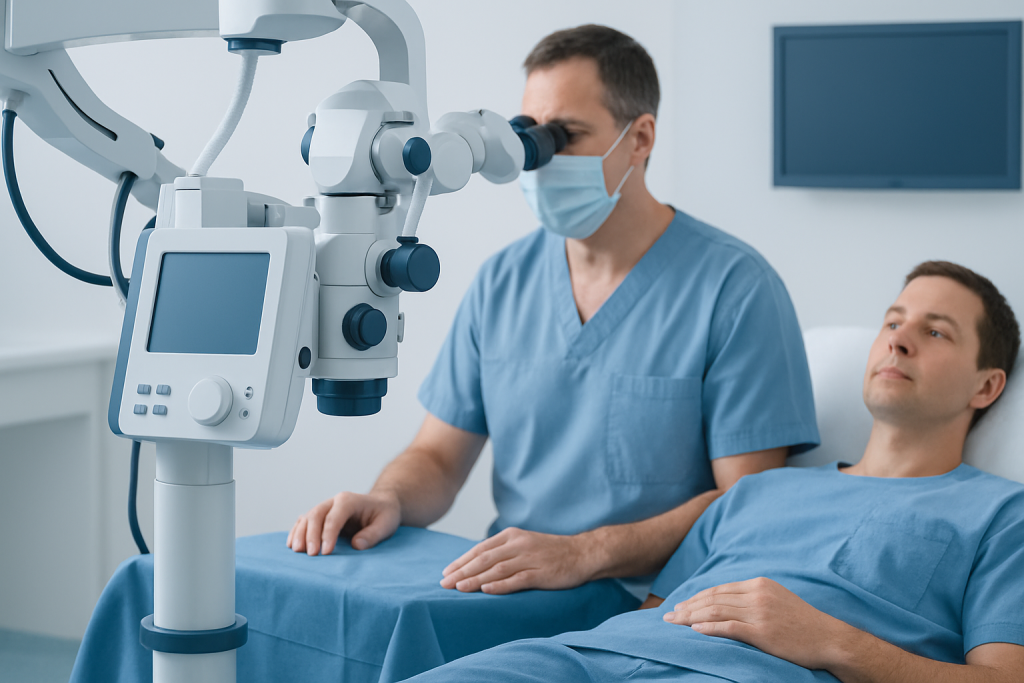
A vasectomy interrupts the tubes that carry sperm from the testicles into the semen. After the procedure, sperm production continues, but sperm are no longer delivered through the ejaculate. Because the body still makes hormones and semen, most men notice no change in sexual desire or erections from the procedure itself.
It is important to understand that vasectomy is considered a permanent form of contraception. While reversal is possible for some men, it should not be viewed as a simple undo button. The initial decision is best made with the assumption that the procedure may remain permanent.
Men deciding on vasectomy often look at the stability of their current family plan, the likelihood that they will want more children later, and whether they are comfortable with a procedure that may be difficult to fully reverse. That honest reflection is usually more helpful than trying to predict every possible future scenario.
When Reversal Becomes the Better Question

Vasectomy reversal is usually considered when a man who previously chose vasectomy wants to conceive again. The surgery reconnects the reproductive tract so sperm can once again travel into the semen. It is a delicate procedure, and the likely outcome depends on several individual factors rather than on the operation alone.
One of the most important questions is how long it has been since the vasectomy. Time can affect the chances that a straightforward reconnection is possible. The health of the partner, the age of both partners, and whether any other fertility issues exist also shape the decision.
In some families, reversal is the preferred route because it may allow natural conception. In others, assisted reproductive techniques may be discussed alongside or instead of surgery. A reproductive specialist can explain which path makes the most sense medically, emotionally, and practically.
Symptoms and Real-World Decision Points
There are usually no symptoms that force a man to choose one path or the other. Instead, the decision tends to arise from life changes and fertility goals. A man may feel physically well but still need guidance because his plans for fatherhood have evolved.
Common decision points include whether he wants children with a new partner, whether his current partner has age-related fertility considerations, and whether a pregnancy timeline matters. Some couples prefer a natural conception attempt after reversal, while others want to minimize delay and may consider fertility treatment sooner.
- Previous vasectomy and renewed desire for pregnancy
- Uncertainty about the chances of reversal success
- Questions about partner fertility or age
- Interest in preserving natural conception if possible
- Need for a realistic plan before traveling for care
In international-patient settings, these questions are often discussed before the trip is booked, so that imaging, semen analysis, or specialist consultations can be coordinated efficiently.
Causes & Risk Factors That Influence Success
Several factors can affect whether a vasectomy reversal is likely to restore fertility. The most obvious is the length of time since the vasectomy, but it is not the only consideration. Surgical anatomy, scar tissue, and the presence of any blockages higher in the reproductive tract can also matter.
Age does not determine success by itself, but it can influence the broader fertility picture, especially when partner fertility is part of the discussion. If the female partner has reduced ovarian reserve or other reproductive concerns, the couple may need a faster or different strategy.
Other factors that may be reviewed include previous testicular issues, prior groin or pelvic surgery, infection history, and general health conditions that affect healing. For some men, a reversal is technically possible but not the most efficient route to conception, especially when assisted reproduction could offer a more direct option.
Diagnosis and Pre-Procedure Evaluation
Before either vasectomy or reversal is planned, the evaluation is usually straightforward but thoughtful. For vasectomy, the discussion focuses on medical history, expectations, and making sure the patient understands the contraceptive intent and follow-up requirements.
For reversal, the evaluation is more detailed. A specialist may review prior operative details if available, perform a physical examination, and order tests that help assess fertility potential. Semen analysis, hormone testing, and partner evaluation may all be part of the conversation, depending on the situation.
This stage is often where decision-making becomes clearer. If a reversal appears technically feasible but the couple wants a quicker route to pregnancy, the doctor may explain alternatives. If reversal seems promising, the team can also outline what recovery and follow-up will look like, which is especially helpful for patients arranging care from another country.
Treatment Options
Vasectomy and reversal are not interchangeable treatments, but they sit on the same continuum of reproductive planning. Vasectomy is performed as a contraceptive procedure, while reversal is a reconstructive microsurgery intended to restore sperm flow.
Reversal techniques generally involve reconnecting the vas deferens or linking the vas deferens to the epididymis when needed. The exact approach depends on what the surgeon finds during the operation. Because the tissues are small and delicate, outcomes are closely tied to surgical expertise and the underlying anatomy.
Some couples may also hear about sperm retrieval combined with in vitro fertilization or intracytoplasmic sperm injection. These options can be useful when reversal is less likely to succeed or when time is a major factor. A balanced discussion should include the chance of natural conception, the timeline to pregnancy, and the emotional and logistical demands of each approach.
Prevention & Self-care After the Procedure
After vasectomy, self-care usually focuses on rest, scrotal support, and following the clinician’s instructions about activity and follow-up testing. Men should not assume immediate sterility; a post-procedure semen test is typically needed before relying on the vasectomy for contraception.
After reversal, recovery is more delicate. The surgical area needs time to heal, and patients are commonly advised to avoid heavy lifting, strenuous exercise, and sexual activity until the surgeon confirms it is appropriate. Follow-up testing helps determine whether sperm are returning to the semen and whether the repair is functioning as expected.
- Use support garments if recommended by the care team
- Keep the incision area clean and watch for healing changes
- Attend all follow-up appointments, even if recovery feels easy
- Ask before resuming exercise, sex, or travel plans
- Plan ahead for semen analysis or fertility follow-up after returning home
For international patients, it can be helpful to arrange a clear recovery window before departure. That way, there is time to receive instructions, understand warning signs, and coordinate any necessary follow-up with a local clinician if needed.
When to See a Doctor
A doctor’s input is useful before any permanent fertility decision is made, especially if there is uncertainty about future children. It is also important to seek specialist advice when a man is considering reversal after several years, because the chances of success are influenced by more than wish alone.
Medical review is also appropriate if there is pain, swelling, fever, wound drainage, or any unexpected change after either procedure. These symptoms do not always mean a serious problem, but they should be assessed promptly so healing can be confirmed and reassurance can be given.
Men and couples who are weighing care abroad may benefit from a center that can coordinate consultation, surgery, and follow-up in one pathway. Acibadem Health Point’s multidisciplinary specialists and JCI-accredited hospitals diagnose and treat this condition for international patients, with a focus on clear planning before travel and practical guidance after treatment.
Frequently asked questions
Is a vasectomy supposed to be permanent?
Yes, vasectomy is intended as a permanent form of contraception. Although reversal may be possible later, it should be chosen only if a man is comfortable with the idea that fertility restoration is not guaranteed.
How does a doctor decide if reversal is a good option?
The doctor looks at how long it has been since the vasectomy, the surgical history, the physical examination, and the fertility situation of both partners. The goal is to judge whether reversal offers a realistic chance of pregnancy or whether another fertility approach would be more efficient.
Does a vasectomy reversal always lead to pregnancy?
No, reopening the pathway for sperm does not automatically mean pregnancy will happen. Success depends on surgical findings, partner fertility, and how long conception takes after sperm return to the semen.
Will either procedure affect testosterone or sexual performance?
These procedures do not usually change testosterone levels or erectile function. They affect fertility, not masculinity or sexual desire, although temporary discomfort during recovery can delay sexual activity for a short time.
How soon can normal activities resume after reversal?
That depends on the surgeon’s instructions and how healing progresses. Many men need a period of reduced activity first, and they should wait for medical guidance before resuming exercise, lifting, or sex.
What if the couple wants a child soon and reversal seems uncertain?
That is a common reason to discuss assisted reproduction alongside surgery. A fertility specialist can explain the timing, complexity, and practical trade-offs so the couple can choose the most suitable path.
References
- American Urological Association
- U.S. National Library of Medicine
- Mayo Clinic
- European Association of Urology
- World Health Organization
This article is for general information only and is not a substitute for professional medical advice. Please consult a qualified doctor about your individual situation.