Pcp

Key Takeaways
- PCP is a fungal lung infection that usually appears when the immune system is weak.
- Shortness of breath, dry cough, and fever are common warning signs.
- Doctors diagnose PCP with imaging and laboratory tests, often including sputum or bronchoscopy samples.
- Treatment usually involves prescription medicines and supportive care, with prevention tailored to the person’s risk level.
- People with HIV, transplant recipients, and others on immune-suppressing treatment should discuss prevention with a doctor.
PCP, short for Pneumocystis pneumonia, is a lung infection that mainly affects people with weakened immune systems. With early testing and treatment, many patients recover well and can also reduce the chance of future episodes.
Overview
PCP stands for Pneumocystis pneumonia, a lung infection caused by the organism Pneumocystis jirovecii. It is not the same as ordinary community-acquired pneumonia, and it tends to appear in people whose immune defenses are reduced.
For patients and families, the condition often becomes relevant at an unexpected moment: persistent breathlessness that does not fit a routine chest infection, a cough that stays dry and tiring, or a fever that lingers despite simple treatment. Because the symptoms can build gradually, PCP may be overlooked at first.
The good news is that clinicians know how to look for it. Imaging, laboratory tests, and a clear review of immune status help doctors narrow the diagnosis. When treatment begins early, many patients improve steadily, although recovery may take time and follow-up is important.
Symptoms
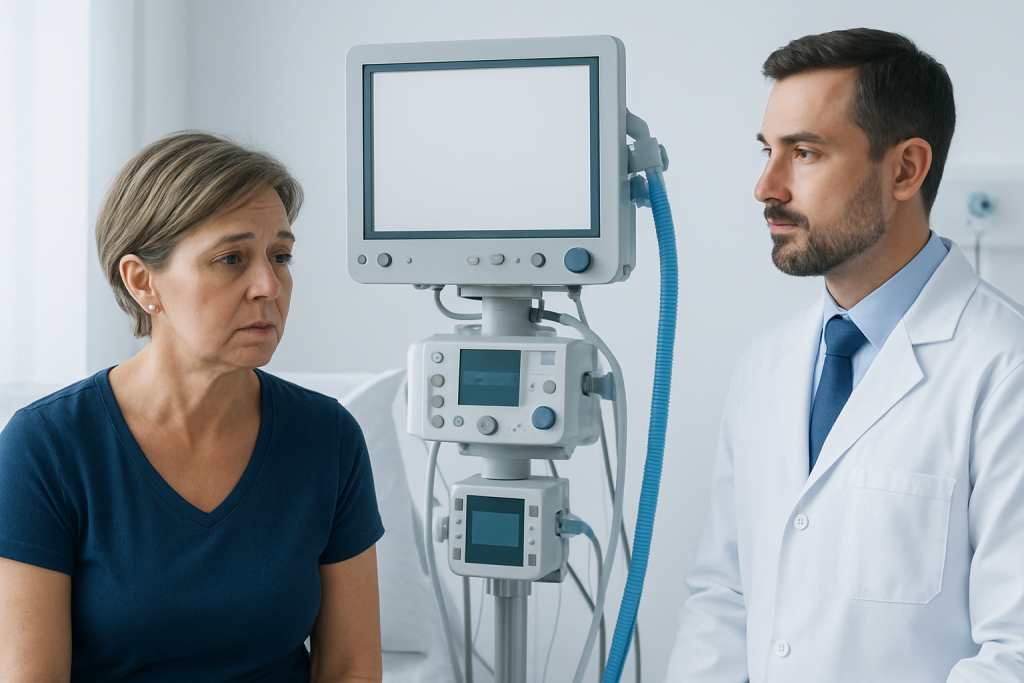
PCP often starts quietly. Some people notice reduced stamina before they feel seriously ill, such as becoming short of breath on stairs or needing to pause during normal daily tasks. Others describe a dry, nonproductive cough that lingers and does not seem to match a typical cold.
Common symptoms can include:
- Shortness of breath, especially with activity
- Dry cough
- Fever
- Chest discomfort
- Fatigue or weakness
- Rapid breathing
In people with advanced immune suppression, symptoms may intensify more quickly. Oxygen levels can fall without dramatic early warning signs, which is one reason medical assessment should not be delayed when breathing feels harder than expected.
Causes & Risk Factors

PCP is caused by a microscopic organism that mainly becomes a problem when the body cannot control it well. Many healthy people are exposed at some point without developing illness. The infection becomes much more likely when immune defenses are weakened.
Groups at higher risk include people living with HIV, especially when CD4 cell counts are low; transplant recipients; patients receiving chemotherapy or certain biologic medicines; and people taking long-term corticosteroids or other immunosuppressive drugs. Underlying illnesses that weaken the immune system may also increase risk.
Risk is not defined only by a diagnosis. Travel history, access to routine care, interruptions in medication, and whether preventive treatment has been used all matter. For international patients, a doctor will usually ask about previous infections, current medicines, and whether any recent changes in treatment could have lowered immune protection.
Diagnosis
Doctors usually begin by listening to the story of the symptoms and checking oxygen levels, breathing effort, and vital signs. Because PCP can resemble other lung problems, the next steps often focus on both the lungs and the immune system that protects them.
Common diagnostic tools include chest imaging, such as an X-ray or CT scan, and laboratory testing of blood, sputum, or fluid from the lungs. In some cases, a bronchoscopy is needed to collect a sample directly from the airways. Tests may also look for other infections at the same time, since more than one problem can be present.
Diagnosis is especially important in international-care settings, where patients may arrive after receiving partial treatment elsewhere. A detailed medication list, prior test results, and any history of immune suppression help the medical team avoid delays and choose the right next step.
Treatment Options
Treatment for PCP is guided by severity, overall health, and the reason the immune system is weakened. Prescription medicines are used to target the infection, and some patients also need oxygen or other supportive care if breathing is affected.
Depending on the case, doctors may also manage side effects, adjust immune-suppressing medicines if safe to do so, and treat any other infections found during the workup. If the patient has HIV, the broader treatment plan often includes careful coordination with infectious disease specialists so that recovery and long-term prevention move together.
Hospital care may be recommended when oxygen levels are low, breathing is difficult, or oral intake is poor. For patients traveling for care, discharge planning should include clear instructions on medicines, warning signs, and follow-up timing before leaving the country or returning home.
Prevention & Self-care
Prevention is an important part of PCP care because recurrence can sometimes be avoided with the right plan. Doctors may recommend preventive medicine for people at higher risk, particularly those with HIV, transplant histories, or ongoing immunosuppressive treatment.
Self-care supports recovery, but it does not replace medical treatment. Resting when tired, staying hydrated if permitted, taking medicines exactly as prescribed, and attending follow-up appointments all matter. People who are recovering after treatment abroad should keep a written record of their diagnosis, test results, and medications so their local doctor can continue care smoothly.
Practical prevention tips include:
- Keep regular appointments to monitor immune status
- Ask whether preventive medicine is appropriate
- Report new cough or breathlessness early
- Do not stop or change immune-related medicines without medical advice
- Bring prior reports when seeking care in another country
When to See a Doctor
Medical evaluation should be sought promptly if shortness of breath is new, worsening, or accompanied by fever or a persistent dry cough. People with a weakened immune system should treat these symptoms as more urgent, even if they seem mild at first.
Emergency care may be needed if there is severe breathlessness, blue lips, confusion, chest pain, or a marked drop in energy. These signs can indicate that oxygen levels are low and that the lungs need immediate attention.
If someone has already been treated for PCP, follow-up remains important to confirm improvement and to discuss prevention. Acibadem Health Point’s multidisciplinary specialists and JCI-accredited hospitals diagnose and treat this condition for international patients, with care pathways that can be coordinated across testing, treatment, and follow-up.
Living With the Condition After Treatment
Recovery from PCP can continue after the main infection has been treated. Some people feel better within days, while others need more time for breathing, stamina, and appetite to return to normal. Follow-up visits help doctors confirm that the lungs are healing and that preventive steps are in place.
For patients who live in another country, continuity matters as much as the initial treatment. A clear discharge summary, medication list, and test results make it easier for the next clinician to understand what happened and what still needs monitoring.
Many patients find it helpful to keep track of symptoms, activity tolerance, and any medication side effects in the weeks after treatment. That record can make later appointments more efficient and can help identify whether the recovery is progressing as expected.
Frequently asked questions
Is PCP contagious from person to person?
PCP is caused by an organism that many people may be exposed to, but illness usually develops when the immune system is weakened. It is not typically discussed as a routine contagious infection in the way flu or COVID-19 is. A doctor can explain the specific risk in a given case, especially in hospital settings.
Who is most likely to get PCP?
People with weakened immune systems are at the highest risk, including those with HIV, organ transplants, cancer treatment, or long-term immunosuppressive medicines. The exact risk depends on the person’s overall health and the strength of immune suppression. Regular monitoring helps doctors decide whether prevention is needed.
How do doctors confirm the diagnosis?
Doctors combine symptoms, imaging, and tests on blood or respiratory samples. In some cases, sputum collection or bronchoscopy is needed to identify the cause more clearly. Testing also helps rule out other lung infections that can look similar.
Can PCP be treated successfully?
Yes, many patients improve when treatment starts promptly and is matched to the severity of illness. Recovery may take time, especially if oxygen levels were low or other medical problems are present. Follow-up is important to make sure the infection is fully controlled.
Can PCP come back after treatment?
It can recur if the underlying immune problem remains or if prevention is not in place. Doctors may recommend preventive medicine for people at ongoing risk. Keeping follow-up appointments and sharing any new symptoms early can lower the chance of delays.
What should an international patient bring to an appointment for suspected PCP?
It helps to bring recent test results, a list of current medicines, information about immune-suppressing treatments, and any hospital discharge papers. If treatment was started in another country, details about what was given and for how long are especially useful. This makes it easier for the next doctor to continue care without repeating unnecessary tests.
References
- Centers for Disease Control and Prevention
- World Health Organization
- National Institutes of Health
- Mayo Clinic
- Merck Manual Professional Edition
This article is for general information only and is not a substitute for professional medical advice. Please consult a qualified doctor about your individual situation.
More from the Health Library



Related Specialists

Dr. Cenk İlham
Anesthesiology
Dr. Beyza Çitçi
Neurology
Assoc. Prof. Dr. A. Erdem Kilavuz
Ear Nose & Throat
Assoc. Prof. Dr. Oğuz Durakbaşa
Orthopedic Surgery & Traumatology