Hydrocolloid Bandages

Key Takeaways
- Hydrocolloid bandages can cushion and protect minor wounds while helping the skin heal in a moist environment.
- They are often used for blisters, small cuts, abrasions, and some superficial acne-related skin injuries.
- These dressings should not be placed over infected, heavily bleeding, or deep wounds without medical guidance.
- Keeping the area clean and watching for signs of irritation or infection helps reduce complications.
- A doctor should assess wounds that are large, painful, spreading, or slow to improve.
Hydrocolloid bandages are a simple wound-care option designed to protect minor skin injuries while supporting a moist healing environment. They are commonly used for blisters, shallow cuts, and small abrasions, but they are not suitable for every wound type.
Overview
Hydrocolloid bandages are a type of wound dressing made to stay in place over a minor skin injury and create a protected, slightly moist healing environment. Rather than drying out the surface of the wound, they help the body heal in a way that can reduce friction, absorb some drainage, and cushion the area from repeated irritation.
People often encounter them after a new blister from walking, a small scrape from sports, or a superficial cut that keeps reopening because it sits in a high-movement area. They are also popular for certain acne spots or friction-related skin damage, although their main role is still basic wound protection.
For someone managing a wound at home, especially while traveling or after activity, the appeal is straightforward: a hydrocolloid bandage can be easy to apply, discreet under clothing, and less demanding than dressings that need frequent changes. Even so, it works best when the wound is clean, uncomplicated, and monitored for normal healing.
How Hydrocolloid Bandages Work

Hydrocolloid dressings contain materials that interact with wound fluid and form a soft gel. That gel helps keep the injury covered, limits exposure to dirt and rubbing, and maintains a healing environment that is neither too dry nor too wet. For shallow wounds, that balance can be useful because the skin is protected while new tissue forms.
As the dressing absorbs moisture, it may swell or develop a cloudy appearance. This change is usually part of the normal function of the product rather than a sign of failure. Many people mistake the gel-like pocket under the bandage for pus, so it helps to know that a thickened dressing does not automatically mean infection.
These bandages are designed for low- to moderate-drainage wounds. If the dressing becomes saturated quickly, loosens at the edges, or leaks, the wound may need a different type of care. A clinician can help decide whether a hydrocolloid dressing is the right match or whether a simpler covering, gauze, or a more advanced wound product would be safer.
Common Uses
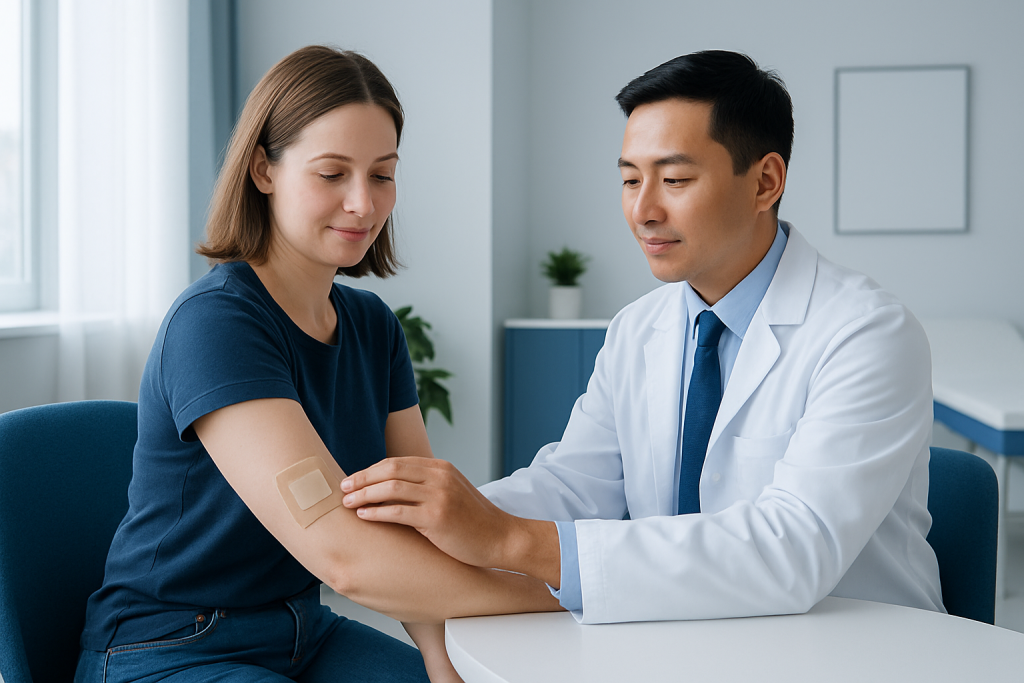
Hydrocolloid bandages are most often used for superficial skin injuries. They are especially familiar to people dealing with blisters on the feet, which can be painful because every step causes repeated friction. By cushioning the skin, the dressing may make walking more comfortable while the skin settles.
They can also be used for small cuts, abrasions, and minor burns once the area has been cleaned and any active bleeding has stopped. Some people use them on intact or lightly broken acne lesions to reduce picking and protect the skin from further irritation, although they are not a treatment for acne itself.
- Blisters from shoes, sports, or repetitive movement
- Small superficial cuts or grazes
- Minor abrasions from falls or contact sports
- Selected superficial skin spots that are repeatedly irritated
Because the dressing seals the area, it is best reserved for wounds that are not dirty, not deep, and not heavily draining. A wound that involves puncture, exposed fat, spreading redness, or significant pain deserves a medical assessment instead of a simple home dressing.
Who May Benefit and Who Should Avoid Them
People who are active, travel often, or spend long hours on their feet may find hydrocolloid bandages practical because they usually stay in place and can reduce discomfort from rubbing. They are also useful when access to frequent dressing changes is limited, such as during a trip or a workday away from home, as long as the wound is appropriate for this type of care.
However, they are not ideal for every situation. A dressing that seals in moisture is not the best choice for infected wounds, wounds with a strong odor, wounds with a large amount of drainage, or areas where the skin is very fragile. Diabetic foot wounds, deep ulcers, and surgical wounds should only be covered this way if a clinician specifically recommends it.
People with sensitive skin should also be careful, since adhesive dressings can trigger irritation or a rash. If a bandage repeatedly causes redness, itching, or peeling, a different material may be needed. The best dressing is the one that protects the wound without creating a second problem around it.
How to Use Them Safely
Good results start with clean hands and a clean wound. The skin should be gently washed with mild soap and water or a clinician-recommended solution, then patted dry around the wound so the dressing can adhere properly. If the wound is still bleeding or contains debris, it should be assessed before a hydrocolloid bandage is applied.
The bandage should cover the wound with a margin of healthy skin around it, allowing the edges to seal. Once in place, it is usually left alone until it loosens naturally or until the product’s instructions suggest replacement. Removing it too often may disturb healing tissue and reduce the benefit of the moist environment.
Signs that the dressing needs attention include leaking, lifting at the edges, increasing pain, new drainage with an unpleasant smell, or skin irritation around the adhesive. If a person is unsure whether the wound is healing normally, a doctor or wound-care nurse can check it and advise on the next step.
Prevention & Self-care
For blisters and friction injuries, prevention often comes down to reducing pressure and rubbing before the skin breaks. Well-fitting shoes, moisture-wicking socks, protective padding, and gradual increases in activity can all help. Small adjustments are often more effective than trying to treat the same spot repeatedly after it has already become irritated.
Once a minor wound is covered, self-care is mostly about observation. The area should be kept clean and dry from the outside, and the dressing should be left undisturbed unless it becomes loose or dirty. Picking at the bandage, pressing on it to “check” the wound, or using it on an unclean surface can slow healing.
Travelers may benefit from carrying a small wound-care kit that includes gentle cleanser, a few appropriate dressings, and a way to keep the area protected from dust and friction. If follow-up care is needed abroad, it helps to keep notes about when the injury occurred, how it was cleaned, and whether any products have already been used.
When to See a Doctor
Medical advice is appropriate when a wound is deep, gaping, very painful, or caused by a bite, puncture, or dirty object. It is also important to seek care if redness spreads, warmth increases, pus appears, fever develops, or the injury is not improving after a reasonable period of home care. These features suggest that a simple dressing may not be enough.
People with diabetes, poor circulation, immune suppression, or recurrent skin problems should have a lower threshold for professional review. In these situations, even a small foot blister or cut can become complicated if it is treated too casually. A clinician can decide whether the wound needs cleaning, debridement, antibiotics, a different dressing, or closer monitoring.
If a person is traveling and the wound changes unexpectedly, local medical evaluation is often the safest option rather than waiting to return home. Acibadem Health Point’s multidisciplinary specialists and JCI-accredited hospitals can diagnose and treat wound problems for international patients when in-person assessment is needed.
Frequently asked questions
What is a hydrocolloid bandage used for?
It is used to cover minor wounds such as blisters, small cuts, and superficial abrasions. The dressing helps protect the area from friction and supports a moist healing environment. It is not meant for every type of wound, especially deep or infected ones.
Can a hydrocolloid bandage be used on a blister?
Yes, blisters are one of the most common reasons people use them. The bandage can cushion the area and reduce pain from rubbing. It works best when the blister is clean and not already infected.
How often should it be changed?
Many hydrocolloid bandages are left in place until they loosen or the manufacturer’s instructions suggest replacement. Frequent removal is usually unnecessary and may disturb healing skin. If it leaks, lifts, or becomes very uncomfortable, it should be checked sooner.
Does the white gel under the bandage mean infection?
Not necessarily. Hydrocolloid dressings naturally turn into a soft gel as they absorb wound fluid. Infection is more likely if there is worsening redness, heat, pain, swelling, or a bad smell.
Can hydrocolloid bandages be used on acne?
They are sometimes used on superficial acne lesions to reduce picking and friction. They do not treat the underlying cause of acne, so people with recurring or severe breakouts may need a dermatologist’s advice. If the skin is open, irritated, or infected, medical guidance is wise.
When should someone avoid using one at home?
They should avoid using one on deep wounds, bite wounds, heavily draining wounds, or wounds with signs of infection unless a doctor recommends it. People with diabetes or circulation problems should also be more cautious. If there is any uncertainty, a medical evaluation is the safer choice.
References
- American Academy of Dermatology
- Mayo Clinic
- National Health Service
- Wound, Ostomy and Continence Nurses Society
This article is for general information only and is not a substitute for professional medical advice. Please consult a qualified doctor about your individual situation.