Paranoia: Symptoms, Causes and Treatment

Key Takeaways
- Paranoia is a symptom, not a diagnosis on its own.
- It can range from mild suspiciousness to strong, fixed beliefs that others mean harm.
- Mental health conditions, sleep loss, substances, and some medical problems can all contribute.
- A careful medical and psychiatric evaluation helps identify the cause and the best treatment.
- Early support can reduce distress and help a person feel safer and more grounded.
Paranoid thinking can make everyday situations feel threatening or hard to trust. Paranoia is a symptom that may appear in several mental and medical conditions, and it can often be assessed and treated with the right care.
Overview
Paranoid thinking can make a person feel as if other people are watching, judging, deceiving, or intending harm, even when there is little or no evidence for that belief. In everyday language, people may say someone is “paranoid” when they are extremely suspicious, but in health care, paranoia is understood more carefully as a symptom that can appear in different conditions.
Some people notice only mild, temporary mistrust during a stressful period. Others develop stronger beliefs that feel completely real to them and are difficult to question. These experiences can affect work, family life, travel, and even routine medical care, because the person may find it hard to trust clinicians, new environments, or unfamiliar explanations.
For international patients, paranoia can be especially unsettling when it happens far from home. Unfamiliar hospitals, language differences, jet lag, and stress about treatment may intensify suspicious thoughts. A calm, structured evaluation can help determine whether the concern is related to anxiety, sleep deprivation, substance use, a psychiatric condition, or a physical health issue.
Symptoms
Paranoia does not look the same in every person. At the mild end, it may feel like being overly cautious, reading hidden meaning into remarks, or worrying that others are talking about or criticizing them. At the stronger end, a person may become convinced that strangers, coworkers, relatives, or even clinicians have harmful intentions.
Common signs can include:
- Persistent suspicion that others are lying, spying, or plotting
- Feeling easily threatened or insulted
- Interpreting neutral events as personal attacks
- Reluctance to share information or ask for help
- Checking, avoiding, or guarding against imagined threats
- Anger, fear, or isolation linked to mistrust
When paranoia is part of a mental health condition, other symptoms may also appear, such as hearing or seeing things others do not, mood changes, confusion, or major changes in sleep and behavior. If the thoughts are intense or fixed, the person may have trouble accepting reassurance, even from people they know well.
Causes & Risk Factors
Paranoia can arise from many different causes, which is why a broad, careful assessment matters. It may be related to psychiatric conditions such as schizophrenia spectrum disorders, delusional disorder, bipolar disorder, severe depression, post-traumatic stress disorder, or certain personality patterns. Anxiety can also create suspiciousness, especially when a person feels unsafe or overwhelmed.
Some non-psychiatric factors can contribute as well. Sleep deprivation, alcohol or drug use, medication side effects, neurological conditions, hormone or metabolic problems, infections, and delirium can all affect thinking and trust. A recent traumatic event, prolonged stress, social isolation, or a history of betrayal may also increase vulnerability.
Risk is often shaped by several factors together rather than one single cause. Family history of psychotic illness, younger age at onset of certain conditions, and ongoing substance use can increase the likelihood of persistent symptoms. Still, paranoia is not a personal weakness, and it does not mean someone is “choosing” to think this way.
Diagnosis
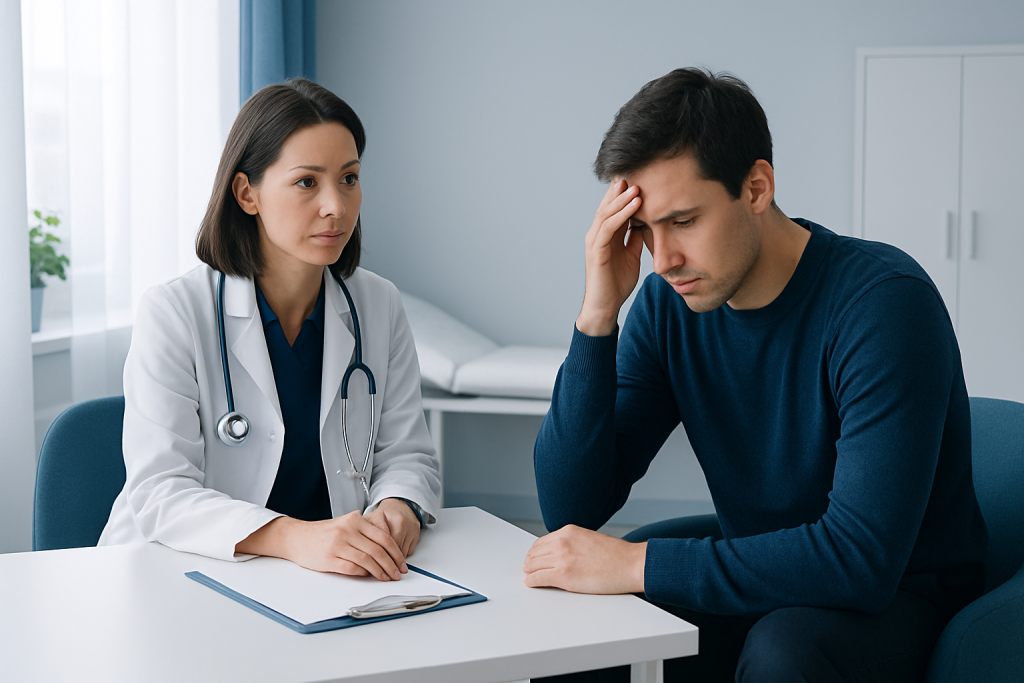
Diagnosing paranoia begins with understanding the person’s story in context. A doctor or mental health professional will usually ask when the symptoms started, what seems to trigger them, whether the beliefs can be questioned, and whether there are other symptoms such as hallucinations, mood changes, panic, or memory problems. A careful review of medications, alcohol, recreational drugs, sleep, and recent stressors is also important.
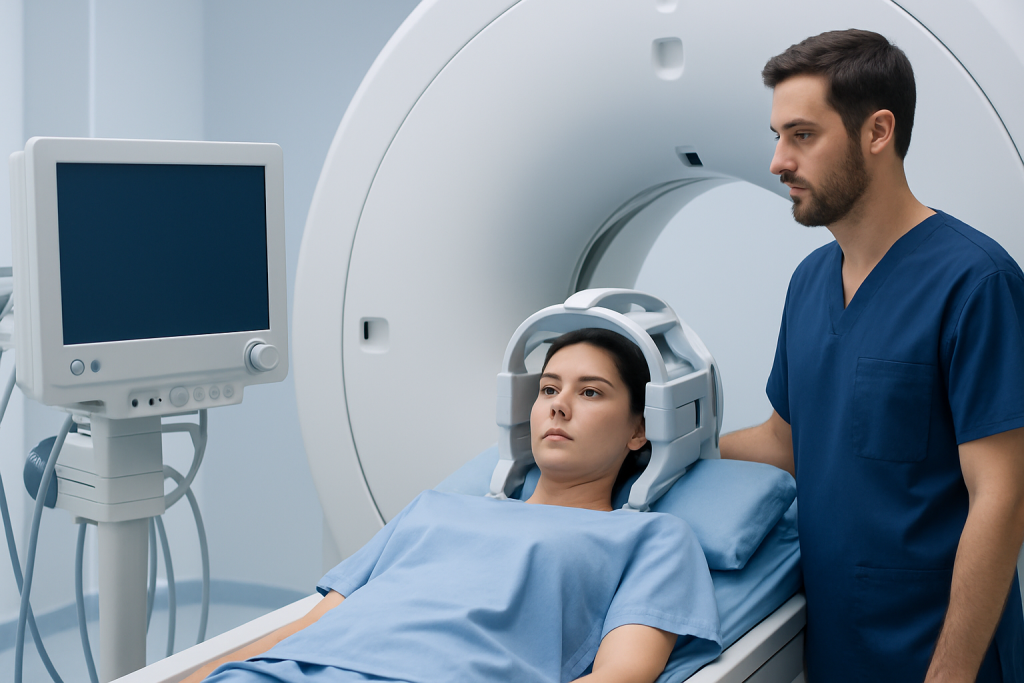
Because paranoia can be linked to medical illness, evaluation may include a physical examination and targeted tests. Depending on the situation, a clinician may request blood tests, neurological assessment, or brain imaging to look for metabolic, infectious, endocrine, or neurological causes. If language is a barrier, a professional interpreter can make the assessment more accurate and less stressful.
The goal is not simply to label the symptom, but to understand what is driving it. That approach helps the care team choose the safest and most effective plan, especially for patients who are traveling for care and need a clear explanation before returning home.
Treatment Options
Treatment depends on the cause and severity of the paranoia. When it is related to a mental health condition, care may include psychotherapy, medication, and practical support to reduce stress and improve daily functioning. When an underlying medical problem or substance-related issue is identified, treating that cause may significantly improve symptoms.
Psychotherapy can help a person notice patterns in suspicious thinking, manage stress, and build coping skills. Cognitive behavioral approaches, trauma-focused therapies, and supportive counseling may be useful, depending on the diagnosis and the person’s readiness for treatment. Therapy is most effective when the person feels respected rather than challenged or dismissed.
Medication may be recommended in some cases, especially when paranoia is severe, persistent, or part of a psychotic disorder or mood disorder. Doctors may also address sleep problems, alcohol or drug use, anxiety, or depression, since these can keep suspicious thoughts active. Hospital care may be needed if the person is at risk of harming themselves or others, is unable to care for themselves, or is too distressed to remain safe at home.
For international patients, treatment planning should also consider follow-up after travel. A clear written plan, medication list, and coordination with a local clinician back home can make continuity of care much easier.
Prevention & Self-care
Not every cause of paranoia can be prevented, but some steps may lower the chance of symptoms worsening. Regular sleep, balanced nutrition, limiting alcohol and recreational drugs, and managing stress can all support steadier thinking. If a person already has a mental health condition, staying connected to care can help prevent relapses.
When suspicious thoughts begin, it may help to slow down before reacting. Writing down what happened, checking for alternative explanations, and speaking with a trusted person can reduce the chance of acting on a fear that may later seem less certain. Keeping routines predictable can also make the world feel less overwhelming.
Useful self-care ideas include:
- Prioritizing sleep and a consistent daily schedule
- Avoiding alcohol, cannabis, and other non-prescribed substances
- Limiting excessive news or social media if it increases fear
- Using grounding techniques during moments of stress
- Keeping medical follow-up appointments, even when symptoms improve
Family members and friends can help best by staying calm, listening without ridicule, and encouraging professional support. Arguing about the belief itself usually increases distress; focusing on feelings, safety, and next steps is often more helpful.
When to See a Doctor
Medical advice should be sought when suspicious thoughts are persistent, are getting stronger, or are interfering with relationships, work, sleep, or daily function. It is also important to seek help if the person has started to withdraw socially, cannot concentrate, or seems unusually fearful or confused. Even if the person does not want to talk about the belief, an evaluation can still be worthwhile.
Urgent assessment is needed if paranoia is accompanied by hearing voices, severe agitation, self-harm thoughts, threats toward others, inability to sleep for long periods, or signs of delirium such as sudden confusion. A sudden change in mental state can sometimes point to a medical emergency rather than a primary psychiatric condition.
For people traveling for care, it is wise to raise concerns early rather than waiting until symptoms become overwhelming. Acibadem Health Point’s multidisciplinary specialists and JCI-accredited hospitals can diagnose and treat paranoia-related conditions for international patients, with attention to both medical evaluation and practical follow-up.
Frequently asked questions
Is paranoia the same as being suspicious?
Not exactly. Suspiciousness can be a mild reaction to uncertainty or stress, while paranoia involves stronger mistrust that may be hard to question. A clinician looks at how intense the beliefs are, how long they last, and whether they affect daily life.
Can stress cause paranoid thoughts?
Yes, stress can make a person more alert to danger and more likely to misread situations. In some people, especially those with poor sleep or a history of trauma, stress can contribute to more intense suspicious thinking.
Does paranoia always mean a serious mental illness?
No. Paranoia can appear in mental health conditions, but it can also be linked to sleep loss, substance use, medications, or medical problems. That is why evaluation should look at the whole picture rather than assume one cause.
How do doctors check whether paranoia has a medical cause?
They usually start with a detailed history and mental status examination, then add tests if needed. Blood work, medication review, neurological assessment, or imaging may be used when the symptoms suggest a physical explanation.
Can a person with paranoia get better?
Yes, many people improve when the cause is identified and treated. Support may include therapy, medication, substance-use treatment, sleep restoration, and management of any underlying medical condition.
How should family members respond?
It usually helps to stay calm, listen, and avoid mocking or directly arguing about the belief. Family members can encourage professional care, help with routines, and focus on safety and comfort.
References
- National Institute of Mental Health
- World Health Organization
- American Psychiatric Association
- Mayo Clinic
This article is for general information only and is not a substitute for professional medical advice. Please consult a qualified doctor about your individual situation.
Explore treatments in Turkey — costs, top hospitals & a free quote
JCI-accredited · board-certified surgeons · reply within 24h
Add us as a Preferred Source to see more of our trusted health content across Google Search, AI Overviews and Discover.