Paranoia: Symptoms, Causes and Treatment

Key Takeaways
- Paranoia can range from mild mistrust to intense, fixed fears about harm or betrayal.
- It may be linked to stress, trauma, sleep loss, substance use, or mental health conditions such as psychosis or delusional disorder.
- A proper diagnosis looks at both mental and physical health causes, not only the thoughts themselves.
- Treatment often combines psychotherapy, medication when needed, and practical support to reduce distress and improve daily life.
- Early assessment is helpful, especially when paranoia affects work, relationships, sleep, or safety.
Medically reviewed by the Acıbadem clinical team — August 19, 2026
Paranoia describes a pattern of suspicious thoughts that can make a person feel unsafe, watched, or targeted even when there is little evidence. It can appear on its own or as part of a mental health or medical condition, and support is available through careful assessment and treatment.
Overview
Paranoia is a word people often use loosely, but in healthcare it has a more specific meaning: persistent suspiciousness or fear that other people have harmful intentions. The person may feel watched, manipulated, excluded, or targeted, and the feeling can become strong enough to shape daily decisions, relationships, and travel plans.
Paranoia is not a diagnosis by itself. It is a symptom or experience that can appear in many settings, from severe stress and sleep deprivation to mental health conditions such as delusional disorder, schizophrenia spectrum disorders, bipolar disorder, or trauma-related conditions. In some cases, medical problems or substances can contribute as well.
For international patients, this can be especially confusing because symptoms may unfold while abroad, during major life changes, or after long journeys and disrupted routines. A careful assessment helps separate temporary stress reactions from a condition that needs ongoing treatment, and it gives patients and families a clearer path forward.
Symptoms
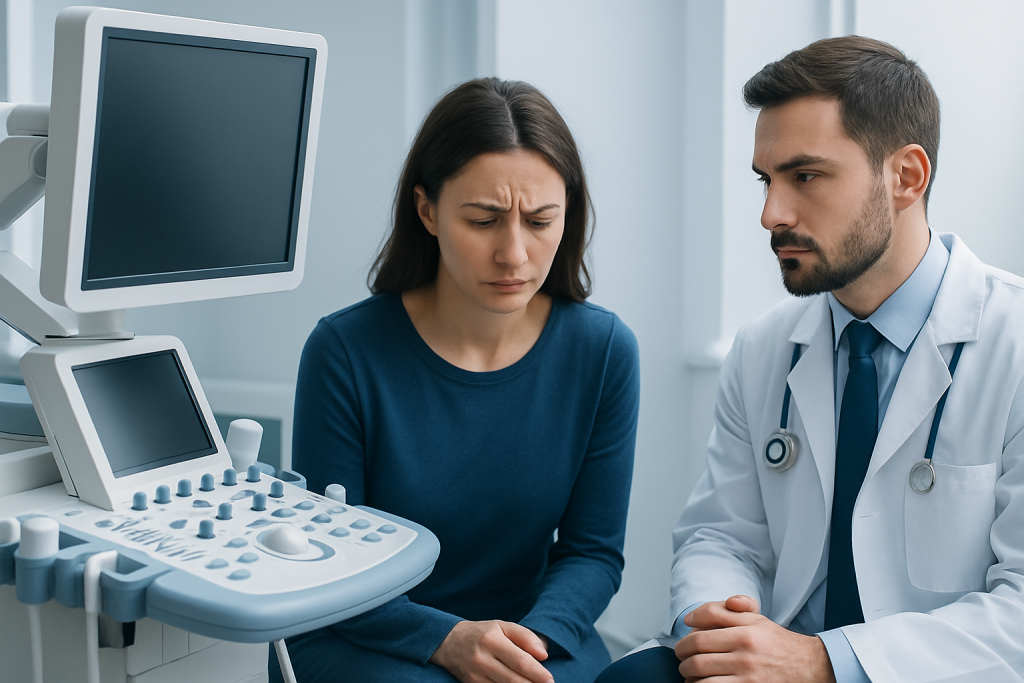
Paranoia does not look the same in every person. One person may quietly avoid meetings, messages, or public places because they feel others are judging them. Another may become convinced that a partner, coworker, or even a doctor is hiding something or intends harm.
Common signs can include:
- Believing others are talking about, criticizing, or spying on them
- Feeling unusually guarded, defensive, or quick to interpret neutral events as threats
- Difficulty trusting friends, family, or healthcare professionals
- Repeatedly checking locks, messages, or surroundings for signs of danger
- Withdrawing from social contact to avoid perceived risk
- Becoming distressed, angry, or fearful when others disagree
When paranoia is more severe, the beliefs may be fixed and resistant to reassurance, even when evidence is limited or absent. Some people also notice sleep problems, intense anxiety, low mood, or hearing or seeing things that others do not. Those added symptoms can be important clues during assessment.
Causes & Risk Factors
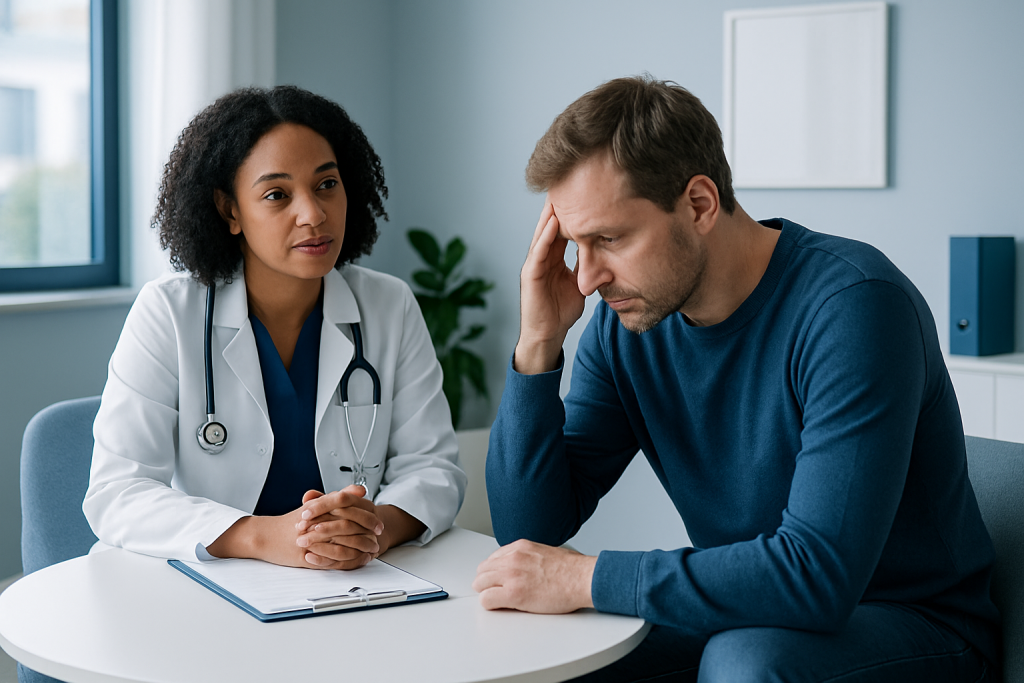
Paranoia can arise for many reasons, and the same symptom may have different causes in different people. Stress and uncertainty may sharpen suspicious thinking, especially when a person feels isolated, exhausted, or overwhelmed. Trauma, particularly when safety has been threatened before, can also make the brain more alert to possible danger.
Other possible contributors include:
- Mental health conditions such as psychotic disorders, delusional disorder, severe depression, bipolar disorder, or anxiety disorders
- Substance use, including alcohol or drugs that can alter perception and judgment
- Sleep deprivation or major disruption of daily routines
- Neurological or medical conditions that affect thinking, mood, or perception
- Social isolation, chronic conflict, or high levels of environmental stress
Risk is not about one single cause. Paranoia often develops from a combination of vulnerability and triggers, which is why a full history matters. A clinician may ask about recent changes, travel, medications, substance use, trauma history, and family history of mental illness to understand the bigger picture.
Diagnosis
Diagnosing paranoia starts with listening closely to the person’s experience. A doctor or mental health professional will want to understand what the person believes, how long the thoughts have been present, how much distress they cause, and whether daily functioning has changed. The goal is not to argue with the person’s feelings, but to assess them carefully and respectfully.
An evaluation may include questions about mood, sleep, substance use, recent stress, head injury, neurological symptoms, and previous mental health care. Depending on the situation, physical examination and laboratory tests may be recommended to look for medical contributors. If there are signs of confusion, severe disorganization, hallucinations, or sudden change in behavior, more urgent assessment may be needed.
For patients traveling from another country, it can help to bring medication lists, previous diagnoses, discharge summaries, and any translated records if available. Good documentation makes it easier for clinicians to compare old and new symptoms and to plan safe follow-up once the person returns home.
Treatment Options
Treatment depends on what is driving the paranoia and how much it is affecting life. When suspicious thoughts are linked to anxiety, trauma, or stressful life events, psychotherapy may help the person feel safer and reduce the habit of scanning for threat. Cognitive behavioral therapy and related approaches can support more balanced thinking and coping skills.
If paranoia is part of a psychotic disorder or severe mood disorder, medication may be recommended, often alongside therapy and family support. The purpose of medication is to reduce distressing beliefs, improve sleep and functioning, and help the person reconnect with everyday life. Treatment plans should be individualized, and adjustments are commonly made over time based on response and side effects.
Hospital care is sometimes needed when symptoms are severe, the person is not eating or sleeping, there is a risk of self-harm or harm to others, or the person cannot care for themselves safely. In international care settings, that may also mean coordinating with the patient’s home physician, arranging records transfer, and planning follow-up before the return flight or travel home.
Prevention & Self-care
Not every episode of paranoia can be prevented, but healthy routines can reduce triggers and make symptoms easier to manage. Regular sleep, steady meals, hydration, and limiting alcohol or recreational drugs all support clearer thinking. Many people also do better when they have a predictable daily structure, especially after travel or major life changes.
Practical self-care can include:
- Keeping a symptom diary to notice patterns, triggers, and early warning signs
- Reducing overload from news, social media, or conflict when stress is high
- Using grounding skills during moments of rising fear
- Staying connected to trusted people rather than withdrawing completely
- Taking prescribed medication consistently if one has been recommended
It is also helpful to set realistic expectations. Paranoia usually improves through a combination of treatment and routine, not through a single conversation or a quick reassurance. Families and caregivers can help most by staying calm, avoiding arguments about the belief itself, and encouraging professional support.
When to See a Doctor
A doctor should be consulted when suspicious thoughts are persistent, intensifying, or affecting work, sleep, relationships, or travel plans. An evaluation is also important if the person becomes socially withdrawn, stops eating well, begins misreading ordinary events as threats, or starts to feel unable to trust nearly everyone around them.
Prompt medical attention is especially important if paranoia appears suddenly, comes with confusion, hallucinations, severe mood changes, or substance use, or follows a head injury or other physical illness. If there is any concern about self-harm, violence, or the person’s immediate safety, urgent help is needed right away.
For international patients seeking clarity across borders, a specialist assessment can be the fastest way to understand whether the issue is stress-related, psychiatric, or medical. Acibadem Health Point’s multidisciplinary specialists and JCI-accredited hospitals can help diagnose and treat paranoia for international patients in a coordinated, respectful setting.
Living With Paranoia and Supporting Recovery
Recovery is often gradual, and progress may look like sleeping better, checking less, trusting a few safe people again, or returning to work and travel with more confidence. Small gains matter. A person does not need to feel perfectly free of doubt before life begins to expand again.
Support works best when it is practical and consistent. Clear communication, agreed-upon routines, and regular follow-up appointments can reduce uncertainty. For patients who are far from home, a written care plan and a clear point of contact can make the treatment journey feel less fragmented.
Family members and friends may also need guidance, since living beside paranoia can be stressful. Education helps them respond with steadiness rather than frustration, and it gives everyone a better sense of what to expect during treatment and recovery.
Frequently asked questions
Is paranoia always a sign of mental illness?
No. Paranoia can happen during intense stress, sleep loss, trauma, substance use, or medical illness, and it may also be part of a mental health condition. A clinician looks at the full picture before deciding what is going on.
How is paranoia different from ordinary caution?
Ordinary caution is usually flexible and based on evidence. Paranoia tends to be stronger, more persistent, and less responsive to reassurance, even when there is little proof of danger.
Can paranoia go away on its own?
Sometimes milder suspiciousness improves when stress, sleep, or substance use is addressed. If the thoughts are persistent or disruptive, professional assessment is important because treatment may be needed.
What kind of therapy helps with paranoia?
Therapies that help people examine fears more realistically, manage stress, and build coping skills are often used. The exact approach depends on the cause, and therapy may be combined with medication in some cases.
Should family members argue with paranoid beliefs?
Usually not. It is more helpful to stay calm, acknowledge the person’s distress, and encourage a professional evaluation without directly confronting the belief in a hostile way.
When is paranoia an emergency?
It is urgent if the person may harm themselves or others, cannot care for basic needs, is severely confused, or has suddenly changed behavior with hallucinations or intense agitation. In those situations, immediate medical help is needed.
References
- National Institute of Mental Health
- World Health Organization
- American Psychiatric Association
- NHS
- Mayo Clinic
This article is for general information only and is not a substitute for professional medical advice. Please consult a qualified doctor about your individual situation.
Explore treatments in Turkey — costs, top hospitals & a free quote
JCI-accredited · board-certified surgeons · reply within 24h
Add us as a Preferred Source to see more of our trusted health content across Google Search, AI Overviews and Discover.