Parainfluenza

Key Takeaways
- Parainfluenza is a respiratory virus that spreads easily through droplets and close contact.
- Symptoms often resemble a common cold, but some people develop croup, wheezing, or breathing difficulty.
- Children, older adults, and people with weakened immune systems may be more vulnerable to complications.
- Diagnosis is often clinical, though testing may be used when symptoms are severe or diagnosis is uncertain.
- Treatment is mainly supportive, focusing on rest, fluids, and relief of symptoms.
- Medical attention is important if there is trouble breathing, dehydration, or symptoms that worsen instead of improving.
Parainfluenza is a group of common viruses that usually cause mild respiratory illness but can sometimes lead to croup, bronchiolitis, or pneumonia, especially in young children and older adults. Understanding the symptoms and knowing when to seek medical care can help families manage the illness safely and confidently.
Overview
Parainfluenza is a family of viruses that can infect the nose, throat, and lower airways. Despite the name, it is not related to influenza, and the illness it causes can range from a simple cold-like infection to more noticeable breathing problems.
For many people, the infection passes with home care and time. In young children, however, parainfluenza is a well-known cause of croup, a condition that can produce a barking cough and noisy breathing. In some patients, especially those with fragile health or reduced immunity, the virus may move deeper into the lungs and cause bronchiolitis or pneumonia.
Because international patients often seek care only after symptoms become more disruptive, it helps to know what parainfluenza usually looks like and what findings should prompt a clinician’s review. A clear understanding of the illness also makes follow-up easier when treatment begins away from home.
Symptoms
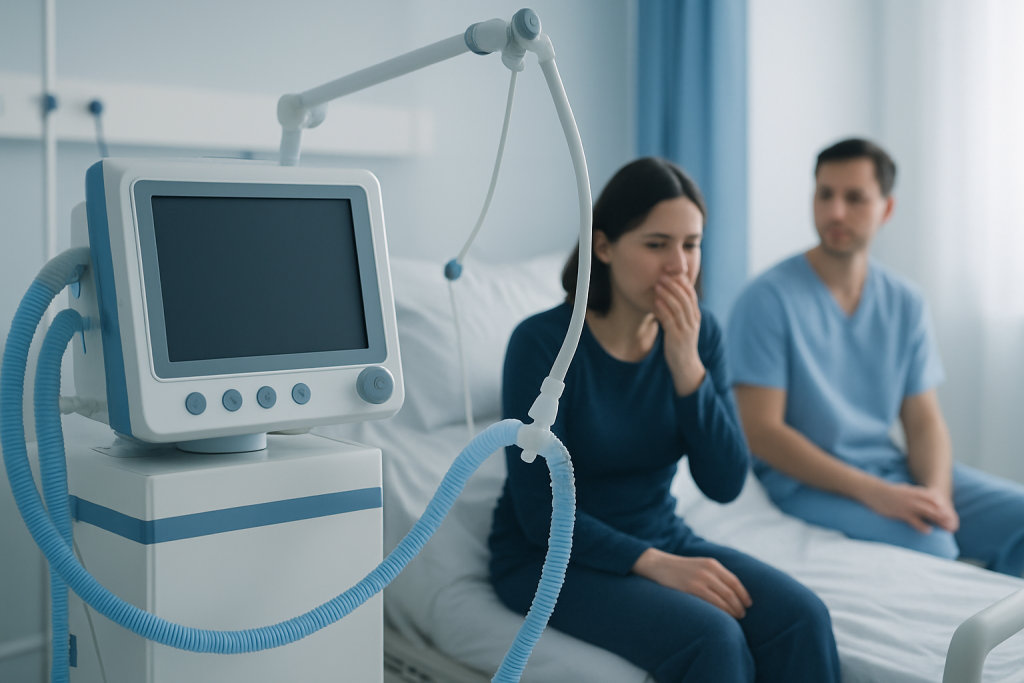
Parainfluenza symptoms commonly begin like a typical upper respiratory infection. A runny nose, sore throat, cough, mild fever, and congestion are frequent early signs. Some people also feel tired, achy, or have a reduced appetite for a few days.
When the virus affects the voice box and windpipe, croup can develop. This may cause a barking cough, hoarse voice, and a harsh sound when breathing in, called stridor. Symptoms may be more noticeable at night and can be frightening, particularly for parents hearing a child breathe differently.
If the infection involves the lower airways, symptoms may include wheezing, faster breathing, chest discomfort, or shortness of breath. In infants and vulnerable adults, signs may also include poor feeding, unusual sleepiness, or dehydration.
- Common cold-like symptoms
- Barking cough or hoarseness
- Stridor or wheezing
- Fever and fatigue
- Difficulty feeding or drinking in young children
Causes & Risk Factors

Parainfluenza is caused by parainfluenza viruses, which spread through respiratory droplets and close contact with infected people. The virus can also spread when someone touches a contaminated surface and then touches the nose, mouth, or eyes.
Anyone can catch parainfluenza, but some groups are more likely to develop more troublesome symptoms. Young children, especially infants and toddlers, are more likely to experience croup or lower airway involvement because their airways are smaller and more sensitive to swelling.
Older adults, people with chronic lung disease, and those with weakened immune systems may have a harder time clearing the infection. Close contact in households, childcare settings, schools, hospitals, and long flights or travel corridors can increase exposure, which is particularly relevant for patients moving between countries for care or visiting family.
- Age under 5, especially infancy and toddler years
- Weak immune system
- Chronic heart or lung disease
- Exposure in crowded indoor settings
- Close contact with someone who has respiratory symptoms
Diagnosis
In many cases, a doctor can suspect parainfluenza by listening to the story of the illness and examining the patient. The pattern of cough, fever, hoarseness, or noisy breathing can provide important clues, especially in a child with croup-like symptoms.
Testing is not always necessary for mild cases. When symptoms are more severe, when another infection needs to be ruled out, or when a patient is hospitalized, a clinician may use a nasal swab to look for respiratory viruses. This can help guide infection control and determine whether another diagnosis should be considered.
Chest X-rays, oxygen checks, or other tests may be used if breathing symptoms are concerning. For families traveling for care, it is helpful to bring any prior test results, medication lists, and a timeline of symptoms so the medical team can understand how the illness has evolved.
Treatment Options
There is no specific antiviral medicine routinely used for uncomplicated parainfluenza infection. Treatment is usually supportive, which means easing symptoms while the immune system clears the virus. Rest, adequate fluids, and monitoring at home are often the main steps for mild illness.
For croup, doctors may recommend treatments that reduce airway swelling and improve breathing. In more serious cases, oxygen support or hospital observation may be needed. If a secondary bacterial infection is suspected, treatment may change based on the doctor’s assessment.
Management should always be tailored to age, symptom severity, and underlying health conditions. Parents and caregivers should avoid giving children any medicine without confirming it is appropriate for the child’s age and condition with a qualified clinician.
- Rest and fluids
- Fever or pain relief as advised by a doctor
- Observation for worsening breathing
- Hospital-based care for significant airway symptoms or dehydration
Prevention & Self-care
Good hygiene remains the most practical way to limit spread. Handwashing, covering coughs and sneezes, and staying away from others when sick all reduce transmission. Because the virus often spreads in households and shared spaces, these simple measures matter more than they may seem.
For self-care at home, a comfortable environment can help. Fluids should be offered regularly, and children should be watched for signs of dehydration, such as dry lips, fewer wet diapers, or reduced urination. Older children and adults should rest and avoid pushing through symptoms too quickly.
Families traveling internationally for treatment should plan ahead when possible, especially if follow-up may involve flights or hotel stays. Keeping medications organized, maintaining hydration, and understanding who to contact if symptoms worsen can make recovery less stressful.
- Wash hands frequently
- Avoid close contact with infected people
- Disinfect commonly touched surfaces
- Encourage fluids and rest
- Monitor children closely for breathing changes
When to See a Doctor
Medical review is advisable if symptoms are getting worse rather than gradually improving, or if a child has a barking cough with noisy breathing. A doctor should also evaluate any patient who seems to be struggling to breathe, is unusually sleepy, or cannot keep up with drinking enough fluids.
Urgent care is important when there is blue coloring around the lips, marked chest pulling with each breath, persistent stridor at rest, or signs of dehydration. Infants, older adults, and people with heart or lung disease deserve a lower threshold for assessment because their illness may progress more quickly.
For patients already under specialist care, especially those traveling from abroad, it is wise to contact the treating team early if respiratory symptoms begin. Acibadem Health Point’s multidisciplinary specialists and JCI-accredited hospitals diagnose and treat respiratory infections like parainfluenza for international patients, helping coordinate evaluation and follow-up when care is needed across borders.
Frequently asked questions
Is parainfluenza the same as influenza or the flu?
No. Parainfluenza is caused by a different group of viruses than influenza, even though some symptoms can overlap. Both can cause respiratory illness, but they are separate infections and are managed differently.
How long does parainfluenza usually last?
Mild cases often improve over several days to about two weeks, though cough can linger longer in some people. Recovery depends on age, overall health, and whether complications such as croup develop.
Can parainfluenza be treated with antibiotics?
Antibiotics do not treat viral infections like parainfluenza. They may be considered only if a doctor suspects a bacterial complication or a different diagnosis.
Why is parainfluenza a concern in children?
Children, especially infants and toddlers, have smaller airways that can narrow more easily when inflamed. That is why parainfluenza can sometimes cause croup, which may need medical assessment if breathing becomes noisy or difficult.
How is parainfluenza diagnosed?
Doctors often diagnose it based on symptoms and examination. If testing is needed, a nasal swab may be used to identify the virus or to rule out other respiratory infections.
What home care helps most?
Rest, fluids, and close observation are usually the most helpful measures. Caregivers should watch for dehydration, worsening cough, or signs that breathing is becoming harder.
References
- Centers for Disease Control and Prevention
- World Health Organization
- Mayo Clinic
- American Academy of Pediatrics
- Merck Manual Professional Edition
This article is for general information only and is not a substitute for professional medical advice. Please consult a qualified doctor about your individual situation.