Over The Counter Uti Medication

Key Takeaways
- Some over the counter products can reduce burning, pain, or urinary urgency, but they do not replace antibiotics when a bacterial UTI is present.
- Symptom-relief medicines may mask discomfort, so ongoing symptoms should still be assessed by a clinician.
- Hydration, rest, and avoiding bladder irritants can support recovery while a diagnosis is being clarified.
- UTI-like symptoms can also come from vaginal infections, sexually transmitted infections, or other urinary conditions.
- Fever, back pain, vomiting, pregnancy, male UTIs, and recurrent infections need prompt medical attention.
Medically reviewed by the Acıbadem clinical team — July 13, 2026
Over the counter UTI medication can help ease discomfort, but it does not always treat the infection itself. Understanding which products may relieve symptoms and when medical care is needed can help patients respond safely and confidently.
Overview
When people search for over the counter UTI medication, they are often hoping for fast relief from burning, urgency, or pelvic discomfort. That is understandable: urinary symptoms can make everyday activities feel difficult, especially when access to care is delayed or travel plans are already underway.
Over-the-counter options may help with comfort, but they are not all the same. Some products are intended to soothe symptoms, while others support general urinary health. None of them should be assumed to cure a bacterial urinary tract infection on their own. A careful approach matters because the right next step depends on whether the symptoms are truly from a UTI and whether the infection is uncomplicated or more serious.
For international patients, this distinction is especially important. A person may need temporary symptom control during travel, then a proper evaluation once they reach a clinic or hospital. The goal is to feel better without delaying treatment that may be needed to protect the kidneys or prevent recurrence.
Symptoms
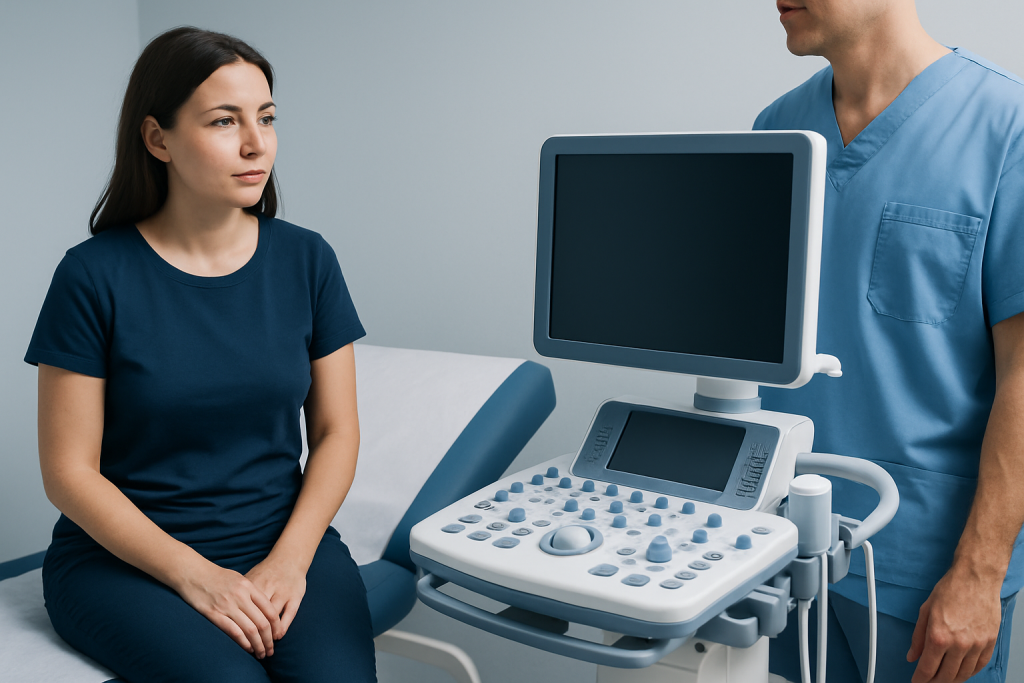
UTIs commonly affect the bladder and urethra, so symptoms often center on urination. Burning, frequent trips to the bathroom, an urgent need to urinate, and passing only small amounts are among the most familiar complaints. Some people also notice lower abdominal pressure or urine that looks cloudy or has a stronger odor.
Not every urinary symptom means a simple bladder infection. Blood in the urine, flank or back pain, fever, chills, nausea, or vomiting can suggest that the infection may be more advanced. In other cases, the discomfort may come from a vaginal infection, irritation from hygiene products, dehydration, kidney stones, or an STI.
Because symptoms can overlap, patients should avoid assuming that every burning episode needs the same product from the pharmacy. OTC medicines may calm the sensation, but persistent or unusual symptoms deserve medical assessment rather than repeated self-treatment.
Causes & Risk Factors

Most UTIs are caused by bacteria entering the urinary tract, commonly from the digestive tract. Women tend to be affected more often because the urethra is shorter, which can make bacterial entry easier. Sexual activity, not emptying the bladder regularly, and certain contraceptive methods can increase the chance of infection in some people.
Other factors can raise risk as well. Pregnancy, menopause, diabetes, urinary catheter use, kidney stones, structural problems in the urinary tract, and a history of recurrent UTIs may all make infections more likely or more complicated. In men, a UTI is less common and may signal an underlying issue that needs evaluation.
It is also helpful to know that not all urinary discomfort is infectious. Vaginal dryness, irritation from soaps or bubble baths, interstitial cystitis, and some medications can cause similar symptoms. That is why the best over-the-counter choice depends on the likely cause rather than the symptom alone.
Diagnosis
Diagnosis usually begins with a conversation about symptoms, timing, medical history, and any prior infections. A clinician may ask whether there is fever, back pain, pregnancy, recent sexual exposure, or recurrent episodes, because these details help determine how urgent the situation may be.
Urine testing is often the next step. A urinalysis can look for signs of infection, and a urine culture may be ordered when symptoms are severe, recurring, or not responding as expected. In some cases, additional testing is needed to rule out kidney involvement, stones, or another condition that is imitating a UTI.
This evaluation is especially valuable for travelers and international patients who may have started symptom relief on their own before reaching care. Over-the-counter products can change how symptoms feel, but they do not give a reliable diagnosis, so testing may still be needed even if the person feels temporarily better.
Treatment Options
Some OTC medicines can ease discomfort from urinary symptoms. Pain relievers such as acetaminophen or ibuprofen may help with general pain or fever when used according to the label and appropriate for the person’s health situation. Urinary analgesics may reduce burning during urination, but they are for short-term relief only and should not be used as a substitute for medical care.
Certain products marketed for urinary health, including some supplements and cranberry preparations, are commonly used by patients. These may be helpful for some people as part of a broader prevention routine, but they are not dependable treatment for an active infection. Evidence for many supplements remains mixed, so they should be viewed as supportive rather than curative.
When a bacterial UTI is confirmed or strongly suspected, prescription antibiotics are usually required. The specific choice depends on the person’s symptoms, urine test results, allergy history, pregnancy status, and local resistance patterns. Supportive care may also include hydration, rest, and avoiding caffeine, alcohol, and other bladder irritants while healing.
- Symptom relief: pain relievers and urinary soothing agents may reduce discomfort.
- Definitive treatment: antibiotics are often needed for bacterial infections.
- Supportive care: fluids, rest, and bladder-friendly habits can help recovery.
Prevention & Self-care
Simple daily habits can lower the chance of irritation and may help reduce some infections over time. Drinking enough water, urinating regularly, and not holding urine for long periods are practical steps that support urinary health. After sex, some people find it helpful to urinate soon afterward, though this does not replace medical treatment when infection is present.
Gentle hygiene also matters. Mild, fragrance-free cleansing products are usually preferable to harsh soaps, sprays, douches, or perfumed bath products that may irritate the urethra. Cotton underwear and avoiding overly tight clothing may improve comfort for some patients, especially when symptoms are already present.
For patients who travel often, a small self-care plan can be useful. Carrying a list of medications and allergies, knowing where to access care at the destination, and avoiding repeated self-diagnosis can save time if symptoms return. People with recurrent UTIs should discuss prevention strategies with a clinician rather than relying on over-the-counter products alone.
When To See a Doctor
Medical evaluation should not be delayed if symptoms are new, severe, or not improving after short-term symptom relief. A clinician should assess urinary burning that lasts more than a day or two, frequent UTIs, or symptoms that return soon after treatment. Prompt care is especially important if there is fever, back or side pain, vomiting, or visible blood in the urine.
Pregnant people, men, children, older adults, and anyone with diabetes, kidney disease, a urinary catheter, or a weakened immune system should seek care sooner because their infections may be more complicated. What looks like a straightforward UTI can sometimes require a different workup or a different treatment plan.
For patients arriving from another country, this is a common point where coordinated care helps. Acibadem Health Point’s multidisciplinary specialists and JCI-accredited hospitals diagnose and treat urinary tract infections for international patients, helping them move from symptom control to clear, guided care when needed.
Frequently asked questions
Can over the counter UTI medication cure a UTI?
Usually, no. OTC products may ease burning or discomfort, but they do not reliably eliminate the bacteria causing a urinary tract infection. If a bacterial UTI is suspected, a clinician may recommend prescription treatment.
What is the best OTC medicine for UTI pain?
The best choice depends on the person’s symptoms and health history. Some people use general pain relievers, while others use urinary analgesics for short-term burning relief. A pharmacist or doctor can help choose a safe option.
Do cranberry products treat an active UTI?
Cranberry products are not considered a treatment for an active infection. They may be used by some people as part of prevention, but evidence is mixed and they should not replace medical evaluation.
How can someone tell if it is a UTI or something else?
UTIs often cause burning, urgency, and frequent urination, but similar symptoms can occur with vaginal infections, STIs, kidney stones, or irritation. A urine test and medical review are often needed to confirm the cause.
Should a person wait to see if the UTI goes away on its own?
Mild symptoms sometimes improve, but it is safer not to assume every case will settle without treatment. If symptoms persist, worsen, or include fever, back pain, vomiting, or blood in the urine, medical care is important.
Are UTIs in men different from UTIs in women?
Yes. UTIs are less common in men, so they may signal an underlying issue that needs evaluation. A doctor may look for contributing factors such as prostate problems or urinary blockage.
References
- National Institute of Diabetes and Digestive and Kidney Diseases
- Centers for Disease Control and Prevention
- Mayo Clinic
- World Health Organization
This article is for general information only and is not a substitute for professional medical advice. Please consult a qualified doctor about your individual situation.
More from the Health Library



Related Specialists

Mehmet Akif Aracı
Physical Medicine & Rehabilitation
Assoc. Prof. Dr. Elif Şenocak Taşçı
Medical Oncology
Prof. Dr. Muazzez Çevik
Pediatric Surgery
Dr. Eylem Akar
Pathology