

Otoplasty for Prominent Ears: Procedure and Healing

Key Takeaways
- Otoplasty changes the shape or position of the ears; it does not affect hearing.
- The operation is usually performed through small incisions placed behind the ear.
- Recovery often involves a protective headband and avoiding pressure on the ears while healing.
- Most people return to everyday routines gradually, but swelling and mild discomfort can last for a short time.
- A surgeon will review ear structure, goals, and overall health before recommending the best approach.
Medically reviewed by the Acıbadem clinical team — June 13, 2026
Otoplasty is a surgical procedure that reshapes the ears to reduce prominence and improve facial balance. It is commonly chosen by children, teenagers, and adults who want a lasting correction with a predictable recovery plan.
Overview
Prominent ears are a common and harmless anatomical variation, but they can attract attention and cause real self-consciousness. Otoplasty is the operation designed to reposition or reshape the ears so they sit closer to the head or appear more balanced in relation to the face.
The procedure is usually planned for people who feel their ear shape affects confidence in school, work, social settings, or photographs. In many cases, the goal is subtle correction rather than a dramatic change, helping the ears look more natural and proportionate.
Because the ears are fully developed by early childhood, otoplasty can be considered once a surgeon feels growth is sufficient. It is also a common choice for adults who have lived with prominent ears for years and want a permanent solution.
Symptoms and How Prominent Ears May Affect Daily Life
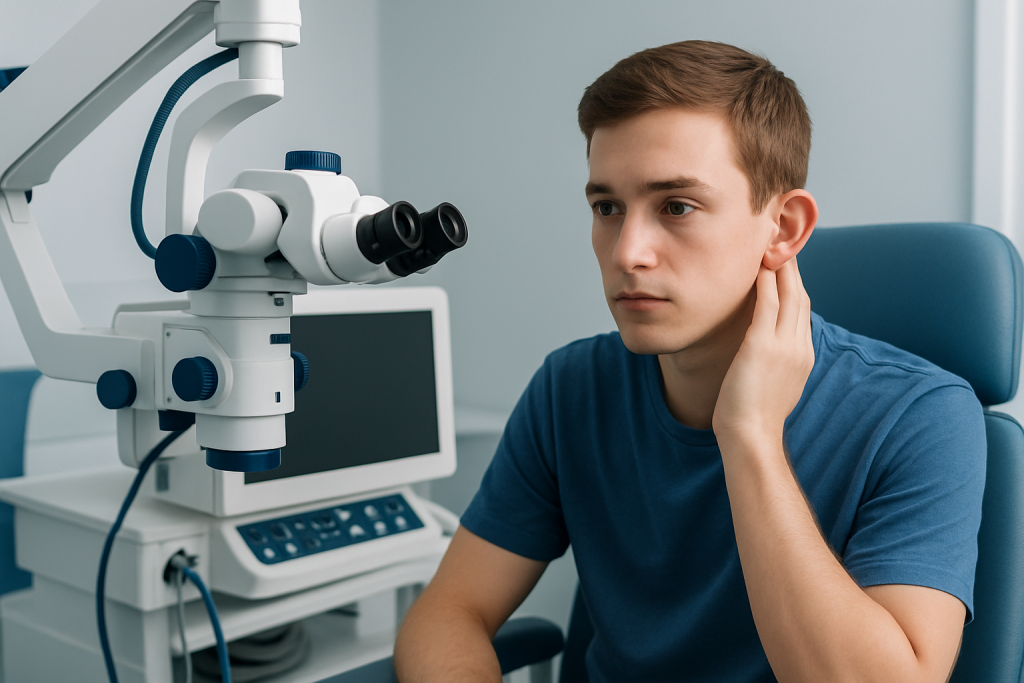
Prominent ears are generally identified by appearance rather than by pain or medical illness. One or both ears may stick out more than expected, or the folds that normally shape the ear may be underdeveloped. Some people also notice asymmetry, with one ear appearing more prominent than the other.
There is usually no hearing problem linked to prominent ears. The issue is primarily cosmetic, although the emotional effect can be significant, especially in children and adolescents who may be teased or feel unusually noticed.
People considering otoplasty often describe practical concerns that go beyond the mirror:
- Discomfort with certain hairstyles or hats
- Frequent self-consciousness in photos or video calls
- Choosing styles that hide the ears
- Worry about comments from peers or colleagues
A thoughtful consultation helps determine whether the concern is best addressed with surgery, or whether reassurance and observation are more appropriate.
Causes and Risk Factors

Prominent ears are usually caused by the way ear cartilage develops before birth and during early childhood. The ear may lack a natural fold, the cartilage may be firmer than average, or the ear may project outward more than typical.
In most people, this is simply a normal variation in anatomy rather than the result of injury or disease. Family history can play a role, since ear shape often runs in families.
Factors that may influence whether someone seeks otoplasty include:
- Family history of prominent ears
- Visible ear prominence from an early age
- Social discomfort or teasing
- Past ear trauma that changed ear shape
The operation is not based on a single “ideal” ear shape. Instead, the surgeon evaluates facial proportions, cartilage firmness, and the person’s own goals to plan a result that looks balanced and believable.
Diagnosis and Preoperative Assessment
There is no special laboratory test for prominent ears. Diagnosis is made through a clinical examination in which the surgeon studies the ear shape, position, symmetry, and the structure of the cartilage.
During the consultation, the surgeon also reviews medical history, medicines, allergies, previous ear surgery, and any conditions that could affect healing. For children, family members are usually involved in discussing expectations, timing, and recovery needs.
The assessment often includes a conversation about what the person hopes to change and what can realistically be achieved. Helpful planning may cover:
- Whether one or both ears need correction
- How much the ears project from the head
- The best surgical technique for the cartilage pattern
- Recovery support, especially if travel is involved
For international patients, this stage is especially important because it helps coordinate travel dates, the procedure, and early follow-up in a clear and practical way.
Treatment Options and What Happens During Otoplasty
Otoplasty is usually performed as an outpatient procedure, meaning the person goes home the same day. Depending on age, the extent of correction, and the surgeon’s plan, local anesthesia with sedation or general anesthesia may be used.
The operation typically begins with a small incision placed behind the ear, where scars are naturally concealed. The surgeon then reshapes the cartilage using carefully chosen techniques such as scoring, suturing, folding, or repositioning the ear closer to the head.
Because every ear is slightly different, the technique is individualized. Some ears need the creation of a more defined fold, while others need the ear to be set back with sutures. The goal is not to create identical ears, but to improve symmetry and harmony.
At the end of surgery, the ears are dressed with a protective bandage or head wrap. This helps support the new shape and protects the ears during the earliest phase of healing.
Healing and Recovery
Recovery from otoplasty is usually straightforward, but it still benefits from careful aftercare. Mild discomfort, tightness, swelling, and a feeling of pressure are common in the first days. These symptoms generally improve gradually as the tissues settle.
A headband or similar support may be recommended, especially at night, to protect the ears from accidental bending or pressure. Sleeping on the back is often encouraged for a period of time so the ears are not compressed.
Typical recovery guidance may include:
- Keeping the dressing clean and dry as instructed
- Avoiding sports, rough play, or contact activities until cleared
- Not pulling, folding, or pressing on the ears
- Returning to work, school, or travel only when the surgeon confirms it is safe
Swelling can take time to settle, and the final ear contour may become clearer over several weeks. For patients traveling from abroad, the recovery plan should include time for an in-person postoperative check before returning home whenever possible.
Prevention, Self-care, and Long-Term Results
Otoplasty does not prevent a medical condition; it corrects an ear shape concern that already exists. Once healing is complete, the results are generally long-lasting, although the ears will still age naturally with the rest of the face.
Good self-care supports a smoother recovery and helps protect the final result. Care is often centered on protecting the ears from pressure, following dressing instructions, and attending scheduled follow-up visits.
Patients may find these habits helpful during recovery:
- Wear any recommended headband exactly as directed
- Use only approved pain relief or medicine advice from the care team
- Avoid ear accessories, helmets, or tight headwear until allowed
- Keep follow-up appointments even if the ears feel comfortable
Emotional adjustment is also part of healing. Some people feel pleased quickly, while others need time to get used to the new appearance. A gradual, realistic mindset is often the most reassuring approach.
When to See a Doctor
A consultation is appropriate when prominent ears cause concern, confidence issues, or practical discomfort with everyday activities such as hair styling or wearing glasses and hats. A qualified surgeon can explain whether otoplasty is suitable and what outcome is realistic.
After surgery, medical advice should be sought promptly if there is increasing pain, fever, significant redness, drainage, bleeding, or a sudden change in ear shape. These signs do not always mean a serious problem, but they deserve timely assessment.
It is also sensible to contact the care team if bandages come off early, the ears are accidentally injured, or recovery is not progressing as expected. Clear communication is especially useful for international patients who may need coordinated follow-up before or after returning home. Acibadem Health Point’s multidisciplinary specialists and JCI-accredited hospitals diagnose and treat otoplasty for international patients with an organized, patient-centered approach.
Choosing the Right Surgeon and Setting Expectations
Good otoplasty planning depends on more than technical skill. It also depends on careful listening, an eye for proportion, and a clear discussion of what the patient wants to change. A thoughtful surgeon will explain both the likely benefits and the natural limits of the operation.
Before deciding, patients may wish to ask how the incision is placed, what kind of anesthesia is planned, how scars usually heal, and what support is needed during the first week. Seeing the surgeon’s approach to symmetry and ear balance can make expectations more realistic and the decision easier.
For families and adults traveling for treatment, a well-organized surgical plan can make the experience smoother from the first consultation to the final checkup. When expectations are aligned and aftercare is understood, otoplasty can be a reassuring step toward greater comfort with appearance.
Frequently asked questions
Does otoplasty change hearing?
Otoplasty is a cosmetic procedure that reshapes the outer ear. It does not treat hearing problems and is not intended to change hearing. If someone has hearing concerns, those should be evaluated separately by a qualified clinician.
At what age can a child have otoplasty?
Many surgeons consider otoplasty once the ears have reached a stable stage of growth, often in childhood. The decision depends on the child’s development, the ear anatomy, and the family’s goals. A surgeon can advise on timing during an in-person assessment.
Will there be visible scars after otoplasty?
Incisions are usually placed behind the ear, where scars are naturally hidden. Scars typically fade over time, although the exact appearance varies from person to person. Careful wound care supports better healing.
How long does recovery usually take?
Early recovery often takes days to a couple of weeks, but swelling and settling continue longer. People usually return to routine activities gradually, depending on the surgeon’s advice and the type of work or school involved. Contact activities are usually delayed until healing is more secure.
Can both ears be treated if only one looks prominent?
Yes. Some people need correction on both sides for balance, even if one ear is more noticeable. The surgeon plans the operation based on facial symmetry and the person’s overall goals.
Is otoplasty permanent?
Otoplasty is designed to provide a lasting change in ear position or shape. As with any surgery, the final result depends on healing and tissue behavior, but the correction is generally long-term. Follow-up care helps protect that result.
References
- American Society of Plastic Surgeons
- Mayo Clinic
- NHS
- Cleveland Clinic
- American Academy of Otolaryngology–Head and Neck Surgery
This article is for general information only and is not a substitute for professional medical advice. Please consult a qualified doctor about your individual situation.
More from the Health Library



Related Specialists

Dr. Serkan Tokgönül
Aesthetic Plastic & Reconstructive Surgery
Dr. Ömercan Yağız Öksüz
Aesthetic Plastic & Reconstructive Surgery
Prof. Dr. Mehmet Veli Karaaltın
Aesthetic Plastic & Reconstructive Surgery
Dr. Nezail Demirciler
Plastic, Reconstructive and Aesthetic Surgery