Otoplasty for Adults: What Makes Ear Surgery a Good Fit Later in Life?

Key Takeaways
- Adult otoplasty can be appropriate even years after childhood, as ear cartilage remains surgically reshapable in later life.
- The procedure may help reduce ear prominence, improve symmetry, or refine ear shape after injury or prior surgery.
- A thorough consultation is essential to review ear anatomy, goals, medical history, and realistic outcomes.
- Recovery usually involves temporary swelling, mild discomfort, and activity restrictions while the ears heal.
- Good candidates are generally healthy adults with stable expectations and a clear reason for surgery.
Adult otoplasty is a surgical procedure that reshapes, repositions, or reduces the prominence of the ears in a way that aims for natural-looking balance. For many adults, it is less about chasing perfection and more about addressing a long-standing feature that still affects confidence, grooming, or daily comfort.
Overview
Otoplasty for adults is an ear reshaping operation designed to improve the position, angle, or contour of one or both ears. It is commonly chosen by people who have lived with prominent ears since childhood, but it may also be considered later in life after changes from injury, aging, or earlier ear procedures.
For many adults, the decision is not driven by vanity. Some want to feel less self-conscious in photographs, during work presentations, or in social settings. Others simply want ear proportions that feel more in harmony with the rest of the face. When planned carefully, adult ear surgery aims to create a subtle change that looks natural rather than obvious.
Because adult cartilage is firmer than childhood cartilage, the operation is approached differently than in younger patients. A surgeon evaluates skin thickness, ear shape, symmetry, and facial balance before suggesting whether otoplasty is likely to help. The best results usually come from matching the procedure to the person’s anatomy, not from applying a one-size-fits-all method.
Symptoms and Concerns Adults Often Notice
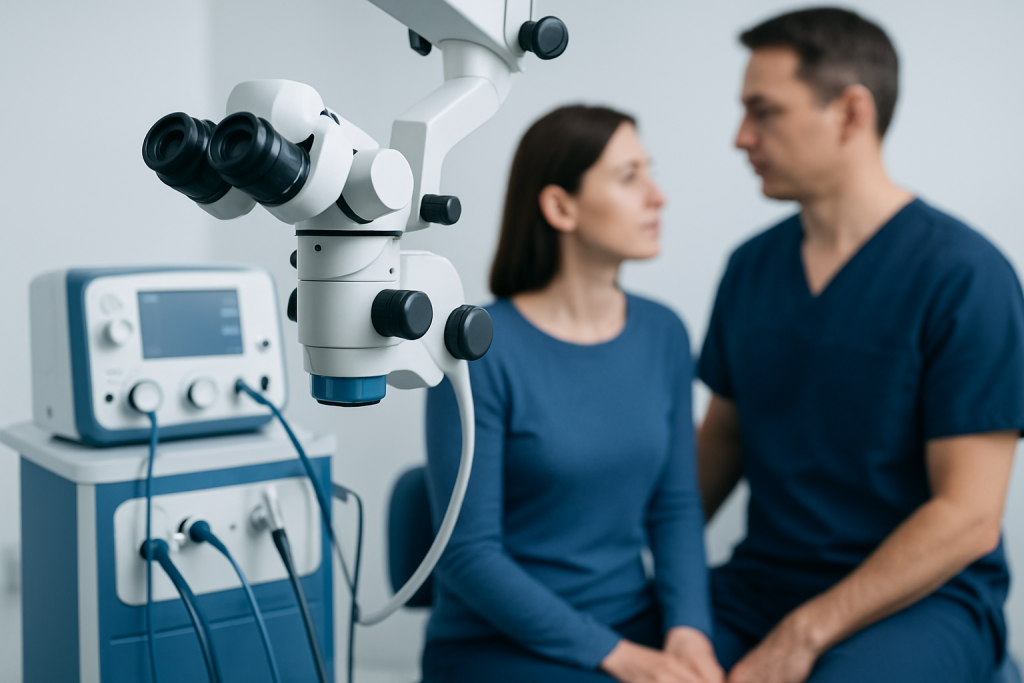
Adults who consider otoplasty rarely describe a medical symptom in the classic sense. Instead, they often bring up practical or emotional concerns that have followed them for years. These may include ears that seem to stick out more than desired, asymmetry between the two ears, or a shape that feels too large, too folded, or too prominent from certain angles.
Some people also notice that hairstyles, glasses, headsets, helmets, or earrings do not sit comfortably because of ear shape or position. In other cases, the ears themselves may not be the main issue; it may be the way the ears draw attention during conversation, travel photos, or video calls, which can make the concern feel more present in adulthood.
Adult otoplasty is sometimes considered after trauma, stretching, or prior surgery has altered the ear contour. In those situations, the goal may be reconstruction, refinement, or symmetry rather than a simple “pinning back” procedure. A careful assessment helps determine whether the issue is mainly cosmetic, structural, or both.
Causes and Risk Factors

Prominent or asymmetrical ears usually develop because of natural differences in cartilage shape and ear folding during growth. The most common pattern is an ear that projects more than average because the fold that normally bends the ear inward is underdeveloped, or because the cartilage is shaped in a way that pushes the ear outward.
Adults may seek otoplasty for a range of reasons. Some have had prominent ears since childhood and never pursued treatment earlier. Others experience changes after injury, ear piercings, skin stretching, prior surgery, or age-related laxity that makes differences more noticeable. In a smaller number of cases, the external ear may have an underlying congenital difference that was never corrected in childhood.
Several factors are important when deciding whether surgery is suitable. These include overall health, smoking status, healing tendencies, a history of keloids or thick scars, and the presence of any active skin or ear condition. Expectations matter too: a surgeon generally looks for goals that are specific and realistic, such as improved balance or less prominence, rather than a promise of “perfect” ears.
Diagnosis and Preoperative Evaluation
Adult otoplasty begins with a consultation rather than a test. The surgeon studies the ear from the front, side, and back, often comparing both sides and noting the angle between the ear and the head. Photos may be taken for planning and discussion, and the ears may be measured to better understand the structural differences involved.
Medical history is just as important as anatomy. The team typically asks about previous ear surgery, allergies, medications, bleeding problems, smoking, diabetes, and any tendency to form raised scars. If an adult has ear pain, discharge, hearing changes, or a new shape change, the surgeon may suggest an ENT evaluation before cosmetic surgery is planned.
The consultation is also the right time to discuss the practical side of treatment, especially for international patients. This includes how long the stay may need to be, whether the procedure is done under local anesthesia with sedation or general anesthesia, and what follow-up is required after returning home. Clear planning helps the recovery feel organized rather than uncertain.
Treatment Options
Adult otoplasty is usually surgical, but the exact technique depends on what needs to change. In many cases, the surgeon reshapes the cartilage, places internal sutures to refine the fold, or adjusts the angle at which the ear sits against the head. If one ear is larger or more prominent than the other, both ears may be treated to improve symmetry.
Some adults need more than a simple setback of the ear. If the cartilage is irregular or weak, it may need sculpting or support. If part of the ear has been injured or previously altered, reconstruction techniques may be used to restore a more balanced contour. Small incisions are often placed behind the ear, where they are less visible once healed.
Recovery plans are tailored to the person’s procedure and health status. After surgery, the ears are commonly protected with a dressing or headband for a period of time to support the new shape and reduce accidental bending. Discomfort is usually managed with general post-operative care rather than aggressive treatment, and most patients are given clear instructions for sleeping position, washing, and activity limits.
- Reshaping prominent ears through cartilage suturing or molding
- Refining asymmetry between one ear and the other
- Reconstructing or revising ear shape after injury or prior surgery
- Supporting healing with dressings or protective headwear
Recovery and Expected Results
Recovery after adult otoplasty is usually measured in days and weeks, not hours. Early on, swelling, tenderness, and a feeling of tightness are common. These changes are usually temporary and tend to improve gradually as the tissues settle. Some bruising or mild numbness around the ear may also occur during the first stage of healing.
Adults often return to desk work or low-strain routines relatively soon, depending on the surgeon’s advice and the person’s comfort level. More demanding exercise, contact sports, and anything that puts pressure on the ears are usually delayed longer. For patients traveling from another country, the recovery plan should include enough time locally for early checkups before the flight home.
The final appearance is not immediate. As swelling fades, the ears gradually look softer and more natural in their new position. Small asymmetries can still exist, because human ears are not perfectly identical, but a successful result usually feels more balanced and less attention-grabbing than before. Photos, mirrors, and routine daily activities often become the quiet tests by which adults notice whether the change has met their goals.
Risks, Prevention, and Self-care
Like any surgery, otoplasty carries some risk. Common concerns include swelling, infection, temporary numbness, bleeding, scarring, or an ear position that heals a little differently than planned. Less commonly, cartilage can develop firmness or the correction may not fully hold. A qualified surgeon reduces these risks through careful planning, sterile technique, and close follow-up.
Self-care matters as much as the operation itself. Adults are usually advised to avoid sleeping directly on the ears at first, protect the area from accidental bumps, and follow wound-care instructions closely. Smoking cessation is particularly important because it can interfere with healing, and people with chronic illnesses should keep those conditions well managed before surgery.
For international patients, prevention also means planning ahead. Bringing a list of medicines, confirming who will help during the first few days, and arranging follow-up access once home can all support smoother healing. If there is any uncertainty about swelling, drainage, fever, or increasing pain, the surgical team should be contacted promptly for guidance.
When to See a Doctor
An adult considering otoplasty should begin with a qualified plastic surgeon or ENT specialist experienced in ear surgery. A consultation is especially important if the concern has changed recently, if the ear shape followed trauma, or if there is discomfort in addition to appearance-related concern. A professional evaluation helps distinguish cosmetic issues from conditions that need a different kind of treatment.
After surgery, medical advice should be sought if there is worsening redness, increasing pain, fever, bleeding that does not settle, pus-like drainage, or a sudden change in ear shape. These signs do not automatically mean a serious problem, but they do deserve timely review.
Adults who are unsure whether surgery is worth pursuing may benefit from a second opinion. At Acibadem Health Point, multidisciplinary specialists and JCI-accredited hospitals can diagnose and treat otoplasty for international patients, while also helping coordinate recovery and follow-up across borders. A calm, well-informed consultation is often the best starting point.
Frequently asked questions
Can adults really have otoplasty if they missed the chance in childhood?
Yes. Otoplasty is commonly performed in adults, and age alone is not usually a barrier. The key question is whether the ears, skin, and overall health make surgery a sensible option.
Will adult ear surgery look obvious?
The goal is usually a subtle, natural-looking improvement rather than a dramatic change. A well-planned procedure aims to bring the ears into better balance with the face without making them look overcorrected.
Is otoplasty painful?
Most adults describe the recovery as uncomfortable rather than severely painful. Tightness, tenderness, and pressure are common early on and are usually managed with the surgeon’s aftercare instructions.
How long does recovery take?
Early healing happens over the first couple of weeks, but swelling and final refinement take longer. The exact timeline varies with the technique used, the person’s healing response, and how closely aftercare instructions are followed.
Can one ear be treated instead of both?
Yes, in some cases one ear may be the main focus. However, surgeons often compare both sides carefully because treating one ear alone can sometimes make asymmetry more noticeable.
What should an international patient plan for before traveling home?
It is wise to allow time for an initial follow-up visit and to understand how to care for the ears during the first part of healing. The surgeon should confirm when travel is safe and what symptoms would require medical contact after arrival home.
References
- American Society of Plastic Surgeons
- American Academy of Otolaryngology–Head and Neck Surgery
- Mayo Clinic
- National Health Service
- MedlinePlus
This article is for general information only and is not a substitute for professional medical advice. Please consult a qualified doctor about your individual situation.
More from the Health Library

Liposuction Costs Abroad: Why the Final Quote Changes by Area, Technique, and Stay Length

Eyelid Surgery Abroad: When Blepharoplasty Is Enough and When Brow Lift Matters

How Long to Plan for Recovery After Cosmetic and Reconstructive Surgery Abroad
Related Specialists

Prof. Dr. Eren Erken
Hematology
Prof. Dr. Şule Arslan
Physical Medicine & Rehabilitation
Dr. Rahmi Gökhan Ekin
Urology
Prof. Dr. Mehmet E. Erdil
Orthopedic Surgery & Traumatology