

Liposuction Abroad: When It Is a Shape-Change Procedure and When It Is Not

Key Takeaways
- Liposuction is designed to reshape specific areas, not to produce major weight loss.
- The best candidates are usually near a stable weight and have good skin elasticity.
- Traveling for liposuction adds planning needs such as follow-up, compression care, and travel safety.
- Results depend on technique, healing, and realistic expectations about body contours.
- A qualified plastic surgeon should review medical history, medications, and the amount of fat that can be safely removed.
Medically reviewed by the Acıbadem clinical team — July 13, 2026
Liposuction is a body-contouring procedure that removes localized fat deposits and can refine shape, but it is not a treatment for obesity or a substitute for healthy weight management. For people considering care abroad, understanding the goal, limits, recovery needs, and surgeon selection matters as much as the operation itself.
Overview
Liposuction is often discussed as if it were a shortcut to a different body, but its real role is narrower and more precise. It is a contouring procedure that removes pockets of fat that have not responded well to diet and exercise, such as around the abdomen, flanks, thighs, hips, arms, back, chin, or under the jawline. In that sense, it can change shape more than scale.
When people seek liposuction abroad, they are usually looking for a combination of surgical expertise, privacy, and a smooth recovery plan. That decision can work well when the procedure is clearly understood and carefully selected. The most important question is not whether liposuction can remove fat, but whether it is the right tool for the person’s specific goals, body type, and health profile.
It also helps to separate liposuction from broader weight-loss treatment. A person may lose some weight after the procedure, but the meaningful outcome is a more balanced outline rather than a dramatic drop in body mass. Good surgical planning focuses on proportion, safety, and long-term habits that support the result.
When Liposuction Is a Shape-Change Procedure
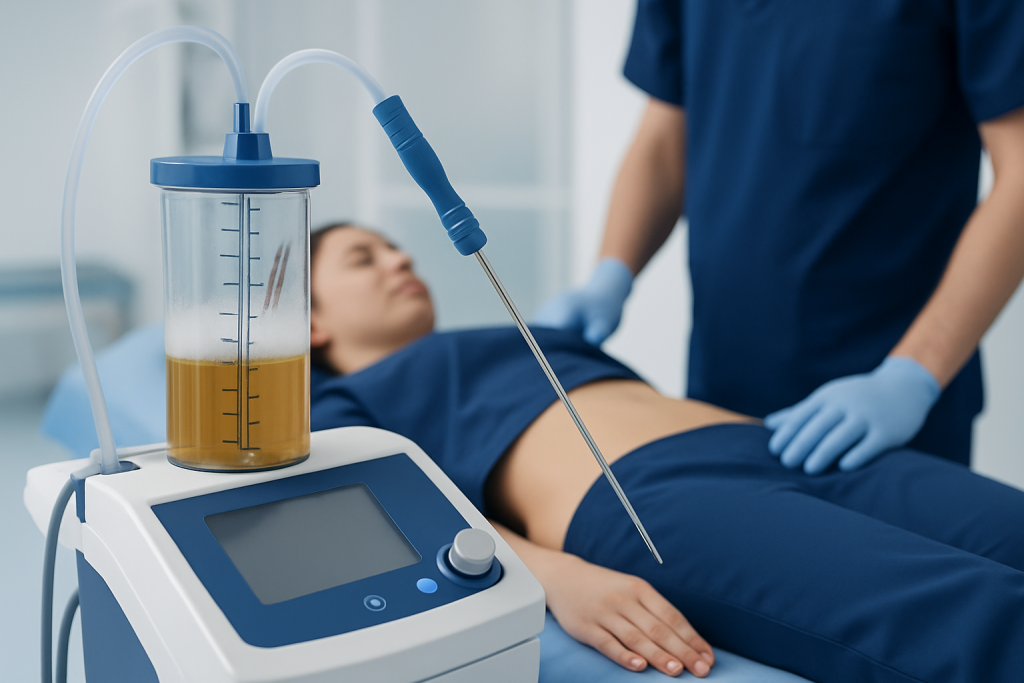
Liposuction is most useful when a person is close to a stable weight but has stubborn areas that make clothes fit unevenly or the body look less proportionate. For example, some people maintain a healthy lifestyle yet continue to carry localized fat on the lower abdomen, hips, inner thighs, or chin. In these situations, the procedure can help refine the silhouette rather than change the person’s overall size.
The ideal candidate often has skin that can adapt reasonably well after fat removal. That matters because liposuction removes fat cells, but it does not tighten loose skin to the same degree as an operation designed for skin removal or lifting. When skin quality is good, the body may appear smoother and more defined after healing.
Liposuction may also be part of a broader body-contouring plan Body Contouring Plan" class="ahp-ilk">after major weight loss, once weight has been stable and excess fat is localized. In those cases, a surgeon may discuss whether liposuction alone is enough or whether another procedure would better address loose tissue, stretched skin, or contour irregularities. Careful planning helps prevent disappointment and supports a natural-looking result.
When Liposuction Is Not the Right Answer

Liposuction is not designed to treat obesity, replace healthy weight management, or address generalized weight gain. If fat is distributed widely across the body and a person is far from their target weight, surgery may not produce the desired change and can increase risk without delivering proportionate benefit. In that setting, medical weight management or bariatric assessment is usually more appropriate.
It is also not the best option when the main concern is loose skin rather than fat. After pregnancy, major weight loss, or aging-related skin changes, the issue may be excess skin or weakened support tissue. In those cases, a lifting procedure, abdominoplasty, or another reconstructive approach may be more suitable than liposuction alone.
People sometimes expect liposuction to create a different body shape than their anatomy can realistically support. The procedure can improve line and balance, but it does not change bone structure, muscle shape, or the natural distribution patterns influenced by genetics. A clear discussion before surgery helps align expectations with what can safely be achieved.
Causes & Risk Factors
The fat deposits that liposuction addresses are often influenced by genetics, sex hormones, age, and weight fluctuations. Some people are simply predisposed to store fat in particular areas, even when their overall weight is reasonable. These deposits can be persistent and frustrating because they may not respond in the same way as the rest of the body during weight loss.
Several factors can affect whether liposuction is advisable and how recovery may go. Smoking, poorly controlled chronic conditions, a history of blood-clotting problems, certain medications, and limited ability to rest after surgery can all influence safety. A thorough preoperative assessment is especially important for international patients, because travel plans, distance from the surgical team, and timing of follow-up also matter.
Skin quality, previous surgeries, and the amount of fat to be removed are also relevant. Large-volume liposuction carries different considerations than a limited contouring procedure, and combining liposuction with other operations can increase complexity. A surgeon should review the whole picture, not just the area a person wants treated.
Diagnosis and Surgical Planning
Liposuction begins with evaluation rather than with the procedure itself. A plastic surgeon usually examines the target areas, reviews medical history, asks about weight stability, and checks whether the skin has enough elasticity to contract after fat removal. The surgeon may also assess whether the concern is truly fat, or whether loose skin, muscle separation, swelling, or another issue is contributing to the appearance.
For travelers considering surgery abroad, planning should include more than the operation date. The team may recommend a set period for preoperative tests, in-person consultation, and time after surgery before flying home. Patients should understand where early wound checks will happen, how compression garments will be managed, and what to do if questions arise once they have returned to their own country.
A good preoperative plan usually covers the areas to be treated, the expected contour change, and the limits of the result. It can also include photos for comparison, discussion of possible asymmetry, and whether any second-stage treatment might ever be needed. Clear planning reduces surprises and supports better satisfaction.
Treatment Options
Several liposuction techniques exist, and surgeons choose among them based on anatomy, volume, and safety. Traditional suction-assisted liposuction removes fat through a thin tube called a cannula, while other approaches may use tumescent fluid, ultrasound assistance, or power-assisted devices to help loosen tissue. The core idea remains the same: remove selected fat deposits while preserving surrounding structures as much as possible.
Liposuction may be performed on its own or combined with another procedure, depending on the goal. A person with excess skin may need a different operation, and someone seeking facial refinement may require a smaller, more delicate approach. The best option is not the most familiar one, but the one that matches the actual problem.
Recovery is part of the treatment plan, not an afterthought. Most patients need compression garments, temporary activity limits, and follow-up visits to monitor swelling, bruising, and wound healing. International patients should confirm in advance how long they are expected to remain near the surgical center, what symptoms are normal, and which signs should prompt urgent contact with the team.
- Reasonable goals: contour refinement, proportional balance, removal of resistant fat pockets.
- Less suitable goals: major weight loss, skin tightening alone, or changing body structure.
- Important aftercare: compression, walking as advised, wound care, and scheduled review.
Prevention & Self-care
People cannot prevent all fat accumulation, but they can support more durable results by entering surgery with realistic goals and stable habits. A steady weight before the procedure gives the surgeon a clearer target and helps the outcome remain visible after swelling settles. Large weight swings after surgery can alter the contour and reduce satisfaction.
Before traveling for liposuction, patients should organize practical details that protect recovery. This includes arranging a companion if needed, preparing comfortable clothing, checking the return flight timing, and understanding how long they may need to avoid prolonged sitting, intense exercise, or lifting. A smooth recovery often depends on these small logistical choices as much as on the operation itself.
After surgery, self-care usually centers on following the surgeon’s instructions closely. That may include wearing compression garments, staying hydrated, walking gently to support circulation, and keeping follow-up appointments. If the surgeon has advised a weight-maintenance plan, it should be treated as part of the treatment, not a separate lifestyle suggestion.
When to See a Doctor
A consultation with a board-certified plastic surgeon is appropriate before deciding on liposuction, especially when the goal is to understand whether the procedure will truly change shape or whether another treatment would be more suitable. Medical review is also important for anyone with diabetes, heart disease, a clotting disorder, a history of prior surgery in the area, or a complex medication list.
After surgery, patients should contact their care team if swelling becomes unexpectedly severe, pain worsens instead of improving, fever develops, drainage changes in a concerning way, or there is shortness of breath, chest pain, or one-sided leg swelling. Those symptoms need prompt medical attention and should not be watched at home.
For patients traveling home after the operation, it is wise to know exactly whom to contact if a question comes up once they are overseas. Acibadem Health Point’s multidisciplinary specialists and JCI-accredited hospitals provide diagnosis and treatment for international patients who need a structured approach to cosmetic surgery and follow-up care. Even then, liposuction works best when the patient remains involved in decisions and follows recovery guidance carefully.
Frequently asked questions
Is liposuction a weight-loss surgery?
No. Liposuction is mainly a body-contouring procedure that removes localized fat deposits. It may slightly reduce body weight, but its purpose is to improve shape and proportion rather than treat obesity.
Who is usually a good candidate for liposuction abroad?
A good candidate is often near a stable weight, has specific areas of stubborn fat, and has realistic expectations about contour improvement. Good general health and the ability to follow recovery instructions are also important, especially when traveling for care.
Can liposuction tighten loose skin?
It can sometimes improve the appearance of skin when elasticity is good, but it does not reliably tighten loose skin. If excess skin is the main concern, a different procedure may be more appropriate.
How long should someone stay near the clinic after surgery abroad?
That depends on the extent of the procedure and the surgeon’s follow-up plan. Patients should ask in advance how many days are needed for postoperative checks before flying home.
What should patients avoid after liposuction?
They are usually advised to avoid strenuous exercise, heavy lifting, and anything that could strain healing tissues until the surgeon says it is safe. Long flights or extended sitting may also need planning because circulation and swelling are important considerations.
Can liposuction results last?
The fat cells removed do not return, but remaining fat cells can still enlarge with weight gain. Results are generally more stable when the patient maintains a steady weight and follows the surgeon’s aftercare advice.
References
- American Society of Plastic Surgeons
- International Society of Aesthetic Plastic Surgery
- Mayo Clinic
- NHS
- U.S. Food and Drug Administration
This article is for general information only and is not a substitute for professional medical advice. Please consult a qualified doctor about your individual situation.
More from the Health Library

Before You Book Cosmetic Surgery Abroad: The Eligibility Questions That Can Change Your Plan, Timing, or Procedure

How Long to Stay Abroad After Cosmetic Surgery: A Procedure-by-Procedure Guide

Calf Implants: Procedure and Cost
Related Specialists

Dr. Serkan Tokgönül
Aesthetic Plastic & Reconstructive Surgery
Dr. Ömercan Yağız Öksüz
Aesthetic Plastic & Reconstructive Surgery
Prof. Dr. Mehmet Veli Karaaltın
Aesthetic Plastic & Reconstructive Surgery
Dr. Nezail Demirciler
Plastic, Reconstructive and Aesthetic Surgery