Nutcracker Syndrome: Symptoms, Causes and Treatment

Key Takeaways
- Nutcracker syndrome is caused by compression of the left renal vein, most often between nearby blood vessels.
- Symptoms may include flank or abdominal pain, blood in the urine, pelvic pain, or varicose veins in the pelvis or scrotum.
- Diagnosis often requires imaging tests and a doctor experienced in vascular or urinary conditions.
- Many people improve with monitoring, symptom control, or targeted procedures when symptoms are persistent or severe.
- A treatment plan depends on age, symptom pattern, and how much the vein compression is affecting daily life.
Medically reviewed by the Acıbadem clinical team — August 19, 2026
Nutcracker syndrome happens when the left renal vein is compressed, affecting blood flow from the kidney and sometimes causing pain, blood in the urine, or pelvic symptoms. Because the signs can overlap with other conditions, diagnosis is usually based on a careful history, imaging, and specialist evaluation.
Overview
Nutcracker syndrome is a vascular condition in which the left renal vein becomes compressed as it carries blood away from the left kidney. The “nutcracker” name comes from the way the vein is squeezed between surrounding structures, usually the aorta and the superior mesenteric artery.
When that outflow is narrowed, pressure can build in the kidney’s venous system. Some people notice only mild discomfort, while others develop more noticeable symptoms such as flank pain, blood in the urine, pelvic heaviness, or visible varicose veins in the pelvis or around the testes.
It is important to separate nutcracker syndrome from nutcracker phenomenon. The phenomenon refers to the anatomical compression seen on imaging, while the syndrome means that the compression is causing symptoms. Not everyone with the anatomy develops health problems, which is one reason the condition can take time to recognize.
For people considering care from another country, this distinction matters. A well-organized evaluation can confirm whether symptoms are truly related to vein compression and whether observation, medication, or a procedure is the most appropriate next step.
Symptoms
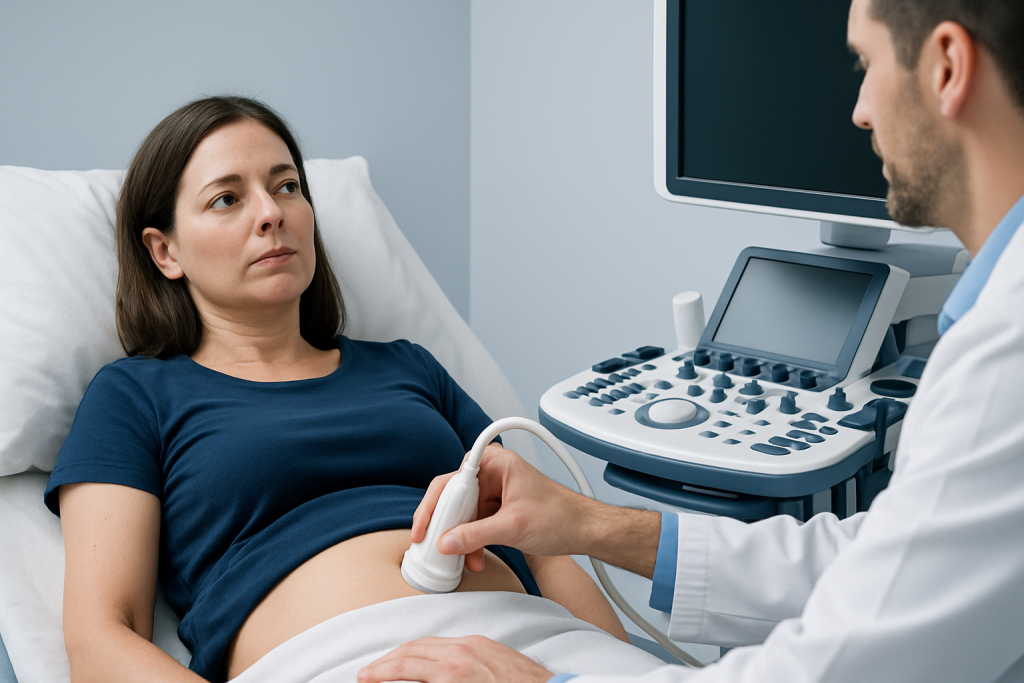
The symptoms of nutcracker syndrome vary widely. Some people feel a dull ache in the left flank or side of the abdomen, especially after standing for long periods or during physical activity. Others first notice changes in the urine, such as microscopic or visible blood.
Pelvic symptoms can be especially important in adults. Women may report pelvic pain, a feeling of fullness, or worsening discomfort around menstruation. Men may develop a left-sided varicocele, which is enlargement of veins in the scrotum. In some cases, fatigue and reduced activity tolerance appear because the discomfort has been ongoing for a long time.
Less common findings can include orthostatic proteinuria, where protein appears in the urine more noticeably when upright, or symptoms linked to pelvic venous congestion. Because these signs can overlap with kidney stones, urinary tract problems, or gynecologic conditions, a careful assessment is essential.
- Left-sided flank, back, or abdominal pain
- Blood in the urine, either visible or found on testing
- Pelvic pain or heaviness
- Left-sided varicocele in men
- Symptoms that worsen with standing or exercise
Causes & Risk Factors

Nutcracker syndrome usually develops because of a narrow angle between the aorta and the superior mesenteric artery, which creates a pinch point for the left renal vein. In some people, body build and anatomy make this compression more likely. Weight loss may also reduce the cushioning tissue around the vessels, allowing the vein to be squeezed more easily.
Although it can happen at any age, younger and thinner individuals are sometimes diagnosed more often because the anatomy is less forgiving. The condition may also be associated with other venous compression patterns or with pelvic venous insufficiency, which can add to pelvic symptoms.
There is no single lifestyle cause. Instead, nutcracker syndrome is usually an anatomic and circulatory issue. That said, the severity of symptoms can be influenced by posture, prolonged standing, exertion, or other conditions that affect abdominal pressure and blood flow.
Because the same symptoms may be caused by other kidney, urinary, or pelvic disorders, a patient’s full history is often just as important as the scan findings. This is especially true for international patients who may arrive with partial records and need a structured review of prior imaging and test results.
Diagnosis
Diagnosis begins with a detailed discussion of symptoms, their timing, and what makes them better or worse. Doctors often ask about Kidney Pain Location: Causes and When to Seek Care" class="ahp-ilk">pain location, episodes of blood in the urine, menstrual or pelvic symptoms, and any previous urinary evaluations. A physical exam may also help identify a varicocele or tenderness that suggests other causes.
Imaging plays a central role. Doppler ultrasound is commonly used because it can assess blood flow and estimate vein compression without radiation. Computed tomography angiography or magnetic resonance angiography may provide a clearer picture of the vessel anatomy and surrounding structures. In selected cases, venography and pressure measurements are used when the diagnosis remains uncertain or a procedure is being considered.
Laboratory tests may include urine analysis to look for blood or protein, as well as kidney function testing. These results do not confirm nutcracker syndrome on their own, but they help rule out other problems and show whether the kidneys are being affected.
Because this condition can resemble several other disorders, diagnosis is best handled by a team that can connect symptoms with imaging findings rather than relying on a single test result.
Treatment Options
Treatment depends on the severity of symptoms and whether the condition is stable or progressing. For people with mild symptoms, doctors may recommend observation, hydration, pain management, and follow-up imaging. In children and some adolescents, symptoms may improve as the body grows and the vascular anatomy changes.
When symptoms are persistent, disruptive, or linked to significant hematuria or kidney concerns, more active treatment may be discussed. Endovascular stenting is sometimes considered, though it requires careful selection and long-term follow-up. In other cases, surgery may be recommended to move the vein or relieve the compression more definitively.
Common procedural options may include:
- Left renal vein transposition to relocate the vein and reduce compression
- Endovascular stent placement in selected patients
- Autotransplantation of the kidney in complex or refractory cases
- Procedures for associated pelvic venous congestion when needed
No single approach is right for everyone. Age, anatomy, symptom burden, and future follow-up needs all influence the decision. For patients traveling for treatment, the plan should also include recovery time, medication review, and a clear strategy for follow-up after returning home.
Prevention & Self-care
There is no guaranteed way to prevent nutcracker syndrome because it is usually related to anatomy. Still, people who have been diagnosed can often reduce symptom burden by paying attention to body position, hydration, and activity patterns that make symptoms worse.
Keeping a symptom diary can be helpful. Recording pain levels, urine changes, physical activity, and posture can give the care team a clearer picture of triggers and progress. This is especially useful when a patient is coordinating care across countries and needs concise information to share with local doctors later.
General self-care may include adequate fluid intake, avoiding unnecessary strain, and following the doctor’s advice about exercise while symptoms are active. It is also sensible to avoid self-diagnosing based on imaging alone, since asymptomatic vein compression does not always require treatment.
Travelers preparing for evaluation or treatment should bring prior scans, urine test results, and a list of current medications. Clear records can shorten the diagnostic process and help the specialist tailor recommendations more precisely.
When to See a Doctor
Medical evaluation is important if blood appears in the urine, pain becomes persistent, or pelvic symptoms interfere with daily activities. Even if symptoms are mild, it is worth discussing them with a doctor when they are recurring or unexplained, because several other conditions can look similar.
Prompt assessment is especially sensible if there is unintentional weight loss, severe pain, worsening anemia, difficulty with urination, or a known varicocele that is new or uncomfortable. These features do not automatically mean something serious is happening, but they do deserve proper workup.
People with an established diagnosis should seek follow-up if symptoms change, if urinary bleeding increases, or if a planned monitoring schedule has been interrupted. For international patients, coordinated care with specialists can make it easier to decide whether observation is enough or whether a procedure should be timed around travel and recovery.
Acibadem Health Point can support international patients with multidisciplinary specialists and JCI-accredited hospitals that diagnose and treat nutcracker syndrome in a coordinated setting.
Living With Nutcracker Syndrome
Living with nutcracker syndrome often means balancing reassurance with follow-up. Many people do not need urgent intervention, but they do benefit from a plan that explains which symptoms are expected, which changes should prompt review, and how often imaging or urine tests should be repeated.
Quality of life is a major part of the conversation. A symptom that is medically “stable” can still be burdensome if it limits work, exercise, travel, or sleep. For that reason, treatment decisions are usually most helpful when they are based on both anatomy and everyday impact, not anatomy alone.
With clear diagnosis, thoughtful monitoring, and the right specialist input, many patients can move forward with a realistic plan and fewer unanswered questions.
Frequently asked questions
Is nutcracker syndrome the same as nutcracker phenomenon?
No. Nutcracker phenomenon means the left renal vein is compressed on imaging, but it may not cause symptoms. Nutcracker syndrome is used when that compression is linked to pain, blood in the urine, or other clinical problems.
Can nutcracker syndrome go away on its own?
In some children and teenagers, symptoms may improve over time as body shape and anatomy change. In adults, spontaneous improvement is less predictable, so ongoing symptoms should be reviewed by a doctor.
What tests are most often used to diagnose it?
Doctors commonly start with urine testing and Doppler ultrasound, then use CT or MRI to look more closely at the vessels. In difficult cases, venography and pressure measurements may be needed to confirm the diagnosis.
Does nutcracker syndrome always need surgery?
No. Mild cases are often managed with observation and symptom control. Procedures are usually reserved for persistent, severe, or complicated cases after careful evaluation.
Can nutcracker syndrome cause pelvic pain?
Yes. Some people develop pelvic venous congestion, which can cause pelvic pain or heaviness. This is one reason the condition may be evaluated by both vascular and urology or gynecology specialists.
What should someone bring to an international consultation?
It is helpful to bring previous imaging reports, urine test results, blood work, and a short symptom timeline. A complete record helps the specialist compare findings and recommend the most appropriate next step.
References
- Mayo Clinic
- Cleveland Clinic
- National Organization for Rare Disorders
- National Kidney Foundation
- American Urological Association
This article is for general information only and is not a substitute for professional medical advice. Please consult a qualified doctor about your individual situation.
Explore treatments in Turkey — costs, top hospitals & a free quote
JCI-accredited · board-certified surgeons · reply within 24h
Add us as a Preferred Source to see more of our trusted health content across Google Search, AI Overviews and Discover.