Nurse Anesthetist Nursing

Key Takeaways
- Nurse anesthetist nursing centers on anesthesia assessment, delivery support, monitoring, and recovery care.
- These specialists help tailor anesthesia plans to a patient’s health history, procedure, and comfort needs.
- Strong communication, patient education, and safety checks are key parts of the role.
- Training is advanced and highly regulated, with a strong focus on clinical judgment and teamwork.
- Patients can help by sharing medicines, allergies, previous anesthesia reactions, and travel plans before treatment.
Nurse anesthetist nursing is a specialized area of care focused on helping patients stay safe, comfortable, and closely monitored before, during, and after anesthesia. These professionals play an important role in surgical and procedural care, working as part of a wider medical team.
Overview
Nurse anesthetist nursing is a highly specialized branch of nursing that focuses on anesthesia care across the surgical journey. In many settings, nurse anesthetists are advanced practice clinicians who help assess patients, plan anesthesia, monitor vital signs, and support recovery after procedures.
For patients, the role is often most visible on the day of surgery, but the work begins earlier. A nurse anesthetist may review the medical history, ask about past anesthesia experiences, and consider factors such as breathing problems, heart conditions, allergies, and current medications. This careful preparation helps build a safer and more individualized anesthesia plan.
Because anesthesia affects many body systems at once, this field requires both technical skill and close attention to detail. It is also deeply patient-centered. Clear explanations, calm reassurance, and careful monitoring are part of the job, especially for people who feel anxious before an operation or are traveling from another country for care.
In international patient settings, nurse anesthetist nursing often plays an important bridging role. Patients may arrive with records from home, language differences, or unanswered questions about fasting, medicines, and recovery timing. The nurse anesthetist helps connect those details to the anesthesia plan so care feels coordinated and understandable.
What Nurse Anesthetists Do
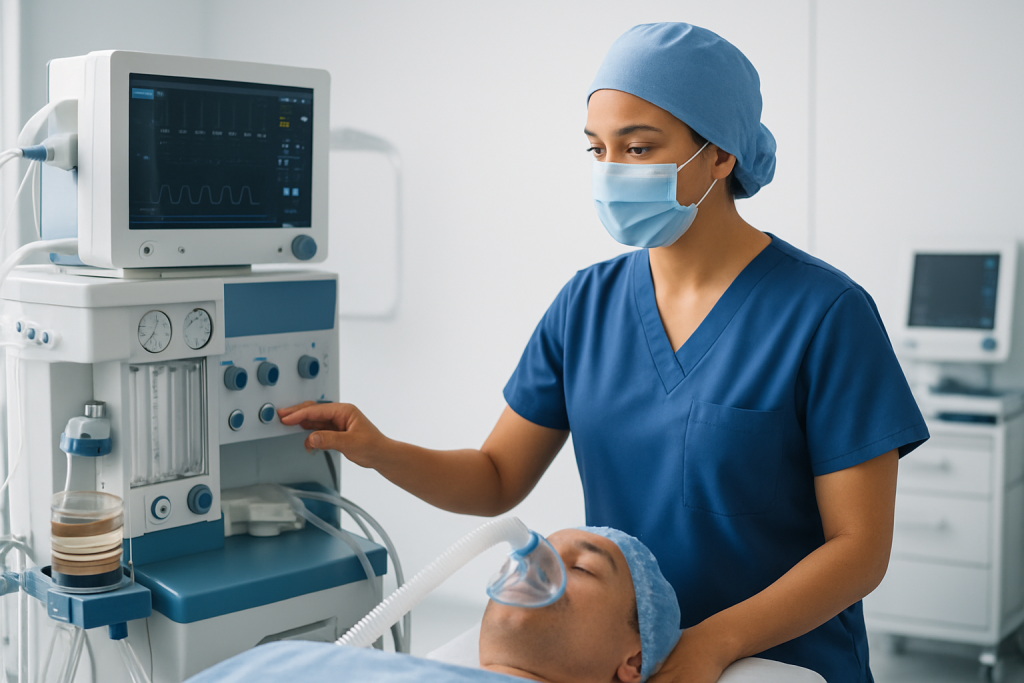
The daily work of a nurse anesthetist can vary depending on the hospital, type of procedure, and local scope of practice. In some systems, nurse anesthetists work independently; in others, they practice in collaboration with anesthesiologists and surgeons as part of a shared anesthesia team.
Their responsibilities often include pre-anesthesia assessment, preparing equipment, administering or assisting with anesthesia, monitoring the patient during the procedure, and checking on pain control and recovery afterward. They also watch for changes in blood pressure, oxygen levels, breathing, and heart rhythm, responding quickly if the patient needs support.
Common tasks may include:
- Reviewing medical history, allergies, and previous anesthesia reactions
- Assessing airway and breathing risks
- Confirming fasting status and medication instructions
- Supporting anesthesia induction, maintenance, and emergence
- Monitoring pain, nausea, and alertness after surgery
- Educating patients about what to expect before and after the procedure
Patients often find that the nurse anesthetist becomes one of the most reassuring members of the team. The conversation may be brief, but it is important: it shapes safety planning and gives patients a chance to ask practical questions before sedation or surgery begins.
Training, Education, and Scope of Practice

Nurse anesthetist nursing requires advanced education beyond basic registered nursing preparation. The exact pathway differs by country, but the profession generally involves clinical nursing experience, graduate-level anesthesia training, and formal certification or licensure requirements. The focus is not only on technical anesthesia skills, but also on judgment, assessment, and emergency response.
Because standards vary internationally, patients may hear different titles such as nurse anesthetist, certified registered nurse anesthetist, or advanced practice anesthesia nurse. The title does not change the central purpose of the role: to provide expert anesthesia care and safe monitoring within the local healthcare system’s regulations.
Scope of practice matters. Some nurse anesthetists may manage anesthesia care from start to finish, while others function under physician supervision or in a collaborative model. For patients, the most useful question is not the title alone, but how the anesthesia team is organized, who is responsible for each step, and how concerns are handled if complications arise.
Patients traveling for treatment may want to ask how anesthesia records will be shared with their local doctor after returning home. Good continuity of care makes follow-up easier, especially if a patient has ongoing pain control needs, a chronic condition, or a history of difficult recovery from sedation.
Why This Role Matters for Patient Safety
Anesthesia is safe for most patients when it is planned carefully and monitored closely, but it still requires constant attention. Small changes in breathing, circulation, or medication response can matter, especially during major surgery or in patients with multiple health conditions. Nurse anesthetist nursing is built around recognizing those changes early.
One of the most important contributions of the nurse anesthetist is individualized risk awareness. A patient with sleep apnea, diabetes, obesity, asthma, heart disease, or previous anesthesia complications may need a different approach than someone undergoing a short outpatient procedure. The nurse anesthetist helps translate that medical history into practical precautions.
Safety also depends on communication. Patients are encouraged to mention all medicines, vitamins, herbal supplements, and any recent illness, even if it seems minor. A sore throat, a new cough, dehydration, or a change in blood pressure medication can influence anesthesia planning. Honest, complete information gives the team a better chance to anticipate problems rather than react to them.
For international patients, time zone changes, long flights, and unfamiliar preoperative instructions can complicate preparation. Nurse anesthetists and the wider perioperative team often help clarify fasting rules, when to pause certain medicines, and how to arrange transport home after the procedure. These details are not small; they are part of safer care.
Common Procedures and Settings
Nurse anesthetists may be involved in a wide range of procedures, from routine operations to complex surgeries. Their work may take place in operating rooms, labor and delivery units, endoscopy suites, emergency settings, or procedural clinics where sedation is used. The setting influences the approach, but the core responsibility remains the same: protect the patient while pain and consciousness are managed.
Some patients meet the anesthesia team before elective surgery. Others encounter anesthesia support during urgent care, when decisions must be made quickly. In both cases, the nurse anesthetist balances medical information, procedure requirements, and the patient’s immediate condition.
The role may also extend to pain management strategies after surgery. This does not mean replacing the surgical team’s plan, but rather helping reduce discomfort in ways that support breathing, movement, and healing. For many patients, good pain control is what makes early recovery possible.
In outpatient care, patients may spend only a short time with the anesthesia team, so it helps to bring questions in advance. Understanding whether the procedure will use general anesthesia, regional anesthesia, local anesthesia, or sedation can reduce uncertainty and make the experience feel more manageable.
How Patients Are Evaluated Before Anesthesia
Before anesthesia is given, the nurse anesthetist usually reviews key information to build a safe plan. This assessment may include age, weight, medical history, current medications, prior surgeries, allergies, airway concerns, fasting status, and any symptoms such as cough, fever, chest pain, or shortness of breath.
Patients may also be asked about smoking, alcohol use, sleep apnea, dental concerns, pregnancy, and recent travel. These are not routine questions without purpose. They help the team identify factors that could influence breathing, drug response, bleeding risk, or recovery time.
Depending on the procedure, the evaluation may include coordination with other specialists, such as surgeons, cardiologists, or internal medicine doctors. The goal is to make the anesthesia plan fit the whole patient, not just the operation. For people coming from abroad, a review of available records, imaging, and lab work may be especially important if part of the workup was completed at home.
If there is uncertainty about a past reaction to anesthesia, patients should say so clearly. Even details that seem vague — such as severe nausea, prolonged drowsiness, or difficulty waking up — can help the team adjust the plan and provide safer care.
Recovery, Follow-up, and Self-care
Recovery after anesthesia does not always end when the procedure is over. Nurse anesthetist nursing also includes watching how a patient wakes up, manages pain, tolerates fluids, and regains safe movement. Some people feel sleepy, nauseated, confused, chilled, or mildly sore after anesthesia, and these effects often improve with time and supportive care.
Patients are usually advised to follow discharge instructions closely, especially about eating, drinking, driving, rest, and medication timing. If a procedure was performed while traveling, it is wise to allow enough time for observation before taking a long flight or moving between hotels. Sudden changes in pressure, dehydration, and fatigue can make recovery less comfortable.
Practical self-care after anesthesia often includes:
- Resting as directed and avoiding major exertion too soon
- Drinking fluids if permitted
- Taking prescribed medicines exactly as instructed
- Reporting persistent vomiting, severe pain, or breathing concerns
- Keeping follow-up appointments, even after returning home
Patients should also know who to contact if symptoms worsen after discharge. A clear follow-up plan matters, especially for international patients who may need guidance across different time zones or after they have left the hospital.
When to See a Doctor
Most people recover from anesthesia without major problems, but certain symptoms deserve prompt medical attention. Patients should contact their doctor or the surgical team if they have trouble breathing, chest pain, fainting, heavy bleeding, high fever, worsening confusion, or vomiting that prevents drinking fluids.
It is also important to seek help if pain becomes difficult to control, the incision shows signs of infection, or there is concern about a medication reaction. If a patient has sleep apnea, heart disease, or another chronic condition, the threshold for checking in should be lower if anything feels unusual.
Before any future procedure, patients should tell the next care team about previous anesthesia experiences, including what went smoothly and what did not. That history can be very useful for planning. For patients considering treatment abroad, Acibadem Health Point’s multidisciplinary specialists and JCI-accredited hospitals diagnose and treat a wide range of conditions with coordinated perioperative care for international patients.
If there is any uncertainty about whether a symptom is expected, it is always reasonable to ask. A quick question can prevent a small issue from becoming a larger one.
Frequently asked questions
What is nurse anesthetist nursing?
Nurse anesthetist nursing is a specialized area of advanced nursing focused on anesthesia care. It includes preoperative assessment, helping deliver anesthesia, monitoring the patient during a procedure, and supporting recovery afterward.
Do nurse anesthetists work alone?
That depends on the country, hospital, and legal scope of practice. In some settings they work independently, while in others they collaborate closely with anesthesiologists and surgeons as part of a team.
How is a nurse anesthetist different from a regular nurse?
A nurse anesthetist has advanced education and training specifically in anesthesia care. Compared with general nursing, the role requires deeper expertise in airway management, anesthesia medications, monitoring, and perioperative safety.
What should a patient tell the anesthesia team before surgery?
Patients should share their full medical history, allergies, current medicines, supplements, prior anesthesia problems, and any recent illness. It is also helpful to mention sleep apnea, pregnancy, smoking, and recent travel if relevant.
Is it normal to feel nauseated or sleepy after anesthesia?
Yes, mild sleepiness, nausea, or dizziness can happen after anesthesia and often improves with time and rest. If symptoms are severe, last longer than expected, or make it hard to drink fluids or breathe comfortably, medical advice should be sought.
Can international patients ask for anesthesia records to take home?
Yes, and it is a good idea to do so. Having a summary of the anesthesia plan, medications used, and any recovery notes can help future doctors provide better follow-up care after the patient returns home.
References
- American Association of Nurse Anesthesiology
- World Health Organization
- National Institute for Health and Care Excellence
- Association of periOperative Registered Nurses
- MedlinePlus
This article is for general information only and is not a substitute for professional medical advice. Please consult a qualified doctor about your individual situation.
More from the Health Library



Related Specialists

Assoc. Prof. Dr. Saygın Abalı
Growth and Adolescent
Dr. Sedenay Oskeroğlu Kaplan
Radiation Oncology
Dr. Serdar Kara
Pediatrics
Assoc. Prof. Dr. Oğuz Durakbaşa
Orthopedic Surgery & Traumatology