Nummular Eczema: Symptoms, Causes and Treatment

Key Takeaways
- Nummular eczema often causes round, well-defined patches of dry, itchy, inflamed skin.
- Skin dryness, irritation, weather changes, and skin injury can make symptoms worse.
- Diagnosis is usually based on a skin examination, with tests sometimes used to rule out infections or other rashes.
- Treatment commonly includes moisturizers, topical medicines, and careful trigger management.
- Daily skin care and early attention to flare-ups can help limit discomfort and prevent worsening.
Medically reviewed by the Acıbadem clinical team — August 19, 2026
Nummular eczema is a chronic inflammatory skin condition that often appears as round or coin-shaped patches of irritated, itchy skin. With the right diagnosis, gentle skin care, and tailored treatment, many people can keep symptoms under better control and reduce flare-ups.
Overview
Nummular eczema, sometimes called discoid eczema, is a long-lasting inflammatory skin condition that tends to form round or oval patches on the skin. The patches may look noticeably different from the surrounding skin because they can be red, scaly, dry, crusted, or darker than the nearby area, depending on skin tone and how long the rash has been present.
Although the rash can be very itchy and frustrating, it is not contagious. It is also not a sign of poor hygiene. For many people, nummular eczema behaves in cycles: skin may settle for a while, then flare again after dryness, irritation, illness, or environmental stress on the skin barrier.
Because its appearance can resemble fungal infections, psoriasis, or contact dermatitis, a careful skin evaluation matters. In an international-patient setting, this often starts with a focused dermatology visit that reviews symptoms, past skin problems, products used on the skin, and any recent travel-related changes in climate, water, or routine that may have affected the flare.
Symptoms
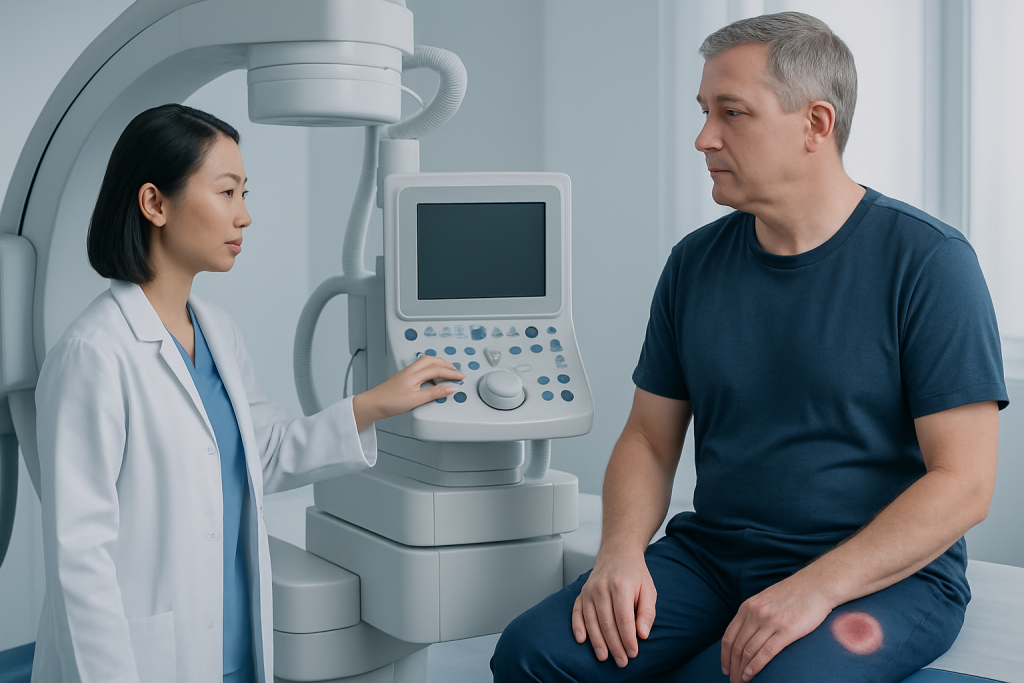
The most recognizable feature is the shape of the rash. Nummular eczema usually shows up as one or more coin-like patches that are clearly bordered and often feel dry or rough. These patches can appear on the legs, arms, hands, trunk, or other areas, and they may vary in size from small spots to larger plaques.
Itching is common and can be intense, especially at night or after the skin becomes warm. Scratching may cause the patches to ooze, crust, thicken, or become more irritated. Over time, repeated rubbing can leave the skin looking darker, lighter, or slightly thickened.
- Round or oval patches of inflamed skin
- Dryness, scaling, or cracking
- Itching that may disrupt sleep
- Crusting, oozing, or tenderness if the skin becomes inflamed
- Changes in skin color after healing
Symptoms can look different from one person to another. Some people have only a few isolated patches, while others develop multiple areas that come and go over months or longer.
Causes & Risk Factors

The exact reason one person develops nummular eczema and another does not is not fully understood. Many clinicians view it as a skin-barrier problem, where the skin loses moisture more easily and becomes more sensitive to everyday triggers. When the barrier is disrupted, irritation and inflammation can follow.
Certain factors are commonly linked to flare-ups. Very dry skin, frequent bathing with harsh cleansers, cold weather, low humidity, and exposure to irritating fabrics or chemicals can all worsen symptoms. Small breaks in the skin from cuts, insect bites, or scratches may also create a starting point for a patch.
People with a personal or family history of eczema, asthma, allergies, or other atopic conditions may be more likely to experience this type of rash. In some cases, skin infections, stress, or frequent exposure to hot water and fragranced products can make the condition harder to control.
- Dry or sensitive skin
- Cold, dry weather
- Skin injury or irritation
- Frequent washing or overuse of soaps
- Allergic or atopic tendency
Diagnosis
Diagnosis usually begins with a dermatologist or other qualified clinician examining the rash and asking about how it started, whether it itches, and what products, exposures, or illnesses may have preceded it. The shape and distribution of the patches often provide useful clues, but the appearance alone is not always enough to confirm the diagnosis.
Because several skin conditions can mimic nummular eczema, the clinician may look for signs of fungal infection, psoriasis, scabies, or allergic contact dermatitis. If needed, a skin scraping, swab, patch testing, or other test may be used to narrow the diagnosis. Rarely, a skin biopsy is recommended when the rash is unusual or does not respond as expected.
For people arranging care from another country, it can help to bring photos of the rash at its worst, a list of skin products used, and any prior test results. These details can make the consultation more efficient and help the specialist decide whether the pattern is truly nummular eczema or a different condition that needs another approach.
Treatment Options
Treatment is usually designed to calm inflammation, restore moisture, and protect the skin barrier. Because the condition is often persistent rather than quickly curable, care tends to focus on control and prevention of flares. A clinician may recommend a combination of daily skin care and prescription medicine, depending on how active the rash is.
Moisturizers are a foundation of treatment. Thick, fragrance-free emollients applied regularly can reduce dryness and help the skin recover. Topical corticosteroids are often used to decrease inflammation during flares, while other non-steroid anti-inflammatory creams may be considered in some situations. If the skin is infected, treatment may also include medicine aimed at the infection.
For more stubborn or widespread cases, dermatologists may suggest additional therapies, such as phototherapy or other systemic treatment strategies. The right choice depends on how severe the eczema is, whether there are signs of infection, and how the person has responded to previous care.
- Regular use of bland, fragrance-free moisturizers
- Short courses of anti-inflammatory topical medicine during flares
- Treatment for any secondary skin infection if present
- Phototherapy or other specialist-directed options for difficult cases
Because skin can react differently after travel, climate changes, or new products, treatment plans are often adjusted to fit the person’s daily environment and skin tolerance rather than following a one-size-fits-all routine.
Prevention & Self-care
Daily habits make a meaningful difference with nummular eczema. The aim is to keep the skin barrier protected and avoid the small injuries and irritants that can trigger new patches. Even when symptoms are quiet, consistent care can help reduce the chance of another flare.
Gentle bathing is usually better than long, hot showers. Mild, fragrance-free cleansers are preferred, and the skin is often most responsive when moisturizers are applied soon after bathing. Soft fabrics, careful drying, and avoiding overly aggressive scrubbing can also help.
People who travel frequently may need to pay special attention to changes in climate, water hardness, hotel toiletries, and exposure to dry airplane air. Carrying a familiar moisturizer and soap substitute can make it easier to keep a stable routine away from home.
- Moisturize regularly, especially after washing
- Avoid fragrances, harsh soaps, and abrasive scrubs
- Use lukewarm rather than hot water
- Choose soft, breathable clothing when possible
- Try not to scratch, even when itching is strong
If itching is interfering with sleep, if patches are spreading, or if the routine that usually works is no longer helping, it is reasonable to check in with a dermatologist rather than waiting for the flare to pass on its own.
When to See a Doctor
Medical review is helpful when a rash is new, persistent, or not improving with basic skin care. A clinician can confirm whether the problem is nummular eczema or another condition that needs a different treatment plan. This is especially important if the rash is painful, rapidly changing, or affecting daily life.
It is also sensible to seek care if the skin becomes yellow-crusted, warm, swollen, or increasingly tender, since these can be signs of infection. Ongoing sleep loss, repeated flares, or emotional stress from visible skin changes are also good reasons to ask for professional support.
For international patients, timely evaluation can save weeks of uncertainty. In a coordinated setting such as Acibadem Health Point, multidisciplinary specialists and JCI-accredited hospitals can help diagnose and treat nummular eczema for patients traveling from abroad, with attention to follow-up planning after the visit.
Frequently asked questions
Is nummular eczema the same as ordinary eczema?
It is a type of eczema, but it has a distinctive coin-shaped pattern. Like other forms of eczema, it reflects inflammation and skin-barrier disruption, but the appearance and distribution can be different from atopic dermatitis.
Is nummular eczema contagious?
No. It cannot be spread from one person to another through touch, towels, or close contact. The rash may look infectious at times, which is why a proper diagnosis is useful.
Why does nummular eczema keep coming back?
Many people have skin that dries out easily or reacts to irritants, so the rash can return when the barrier is stressed. Weather changes, harsh products, scratching, and skin injury are common reasons for repeated flares.
Can stress make nummular eczema worse?
Stress does not directly cause the condition, but it can make itching and scratching harder to control. That can aggravate the rash and extend the flare.
Do I need a biopsy to diagnose it?
Usually not. Most cases are diagnosed by skin examination, but a biopsy may be used if the rash is unusual or if the clinician needs to rule out another condition.
What kind of moisturizer is best?
A thick, fragrance-free, bland moisturizer is often preferred because it helps seal in moisture and is less likely to irritate the skin. A dermatologist can suggest options that suit sensitive or easily inflamed skin.
References
- American Academy of Dermatology
- National Eczema Association
- Mayo Clinic
- NHS
- DermNet
This article is for general information only and is not a substitute for professional medical advice. Please consult a qualified doctor about your individual situation.
Explore treatments in Turkey — costs, top hospitals & a free quote
JCI-accredited · board-certified surgeons · reply within 24h
Add us as a Preferred Source to see more of our trusted health content across Google Search, AI Overviews and Discover.