Norovirus 2025

Key Takeaways
- Norovirus usually causes abrupt nausea, vomiting, diarrhea, and stomach cramps that improve within a few days.
- The main medical concern is dehydration, especially in young children, older adults, and people with chronic illnesses.
- There is no specific cure; treatment focuses on fluids, electrolyte replacement, and symptom management.
- Handwashing with soap and cleaning contaminated surfaces are among the most effective ways to limit spread.
- People who work in food service, healthcare, or caregiving should be especially careful about staying home while contagious.
Norovirus is a highly contagious cause of sudden stomach illness that can spread quickly in homes, schools, cruise ships, and healthcare settings. Most people recover with rest and fluids, but recognizing dehydration and infection control measures helps prevent complications and further spread.
Overview
Norovirus is one of the most common causes of sudden gastroenteritis, an inflammation of the stomach and intestines that leads to vomiting and diarrhea. In everyday language, it is often called the “stomach flu,” although it is not related to influenza. The illness tends to arrive quickly, pass through households or groups just as quickly, and then settle within a few days.
For most healthy adults, norovirus is unpleasant but self-limited. The main reason it matters medically is that the body can lose fluid faster than it can be replaced, especially when vomiting is frequent. In travel settings, outbreaks can disrupt plans and require careful hygiene, temporary isolation, and attention to hydration while away from home.
Because norovirus spreads so easily, 2025 prevention advice remains centered on practical habits rather than complex medical interventions. Good hand hygiene, safe food handling, and thoughtful decisions about when to resume close contact are the most useful tools.
Symptoms
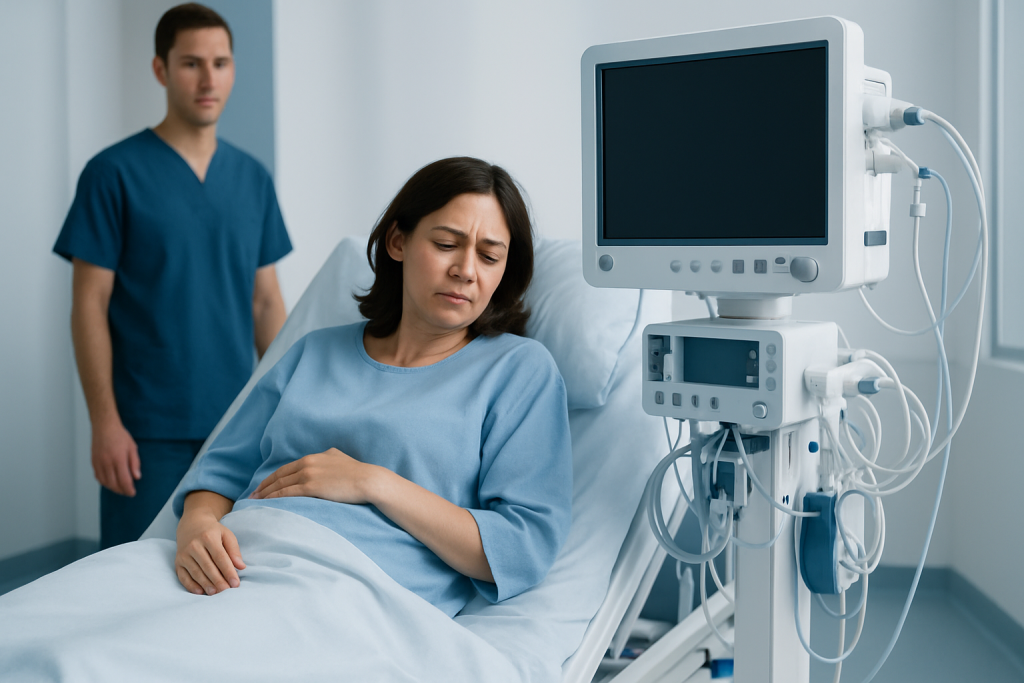
Symptoms usually begin suddenly, often one to two days after exposure. Nausea and vomiting are common early signs, followed by watery diarrhea, abdominal cramps, and a general feeling of being unwell. Some people also notice low-grade fever, headache, muscle aches, or fatigue.
The illness often feels intense at the start, but the active phase is usually short. Vomiting may be more prominent in some people, while diarrhea may be the main issue in others. Children and older adults can become weak more quickly because they lose fluid more easily.
Signs of dehydration deserve special attention. These may include dry mouth, dizziness, reduced urination, dark urine, unusual sleepiness, and in children, fewer wet diapers or crying without tears. If symptoms are not improving or the person cannot keep fluids down, medical review is appropriate.
Causes & Risk Factors

Norovirus is caused by infection with a very hardy virus that can survive on surfaces and spread efficiently from person to person. It is commonly transmitted through contaminated hands, food, water, utensils, shared objects, or contact with vomit or stool particles from an infected person. Even small amounts can be enough to spread the illness.
Outbreaks are more likely where many people share spaces or meals. That includes schools, dormitories, cruise ships, long-term care facilities, hospitals, staff dining areas, and family homes with close contact. Foodborne outbreaks can occur when an infected food handler prepares meals or when fresh produce and shellfish are contaminated.
Some groups face higher risk of dehydration or more complicated recovery. These include infants, older adults, pregnant people, travelers, and anyone with a weakened immune system or chronic medical condition. People who cannot easily access fluids, rest, or toilet facilities while traveling may also struggle more during the first days of illness.
Diagnosis
In many cases, norovirus is diagnosed clinically. A doctor may suspect it based on the pattern of sudden vomiting and diarrhea, the timing of exposure, and the presence of similar illness in close contacts or a local outbreak. For otherwise healthy people with a typical short illness, special testing is often unnecessary.
Testing may be considered in certain situations, such as severe symptoms, an outbreak investigation, or illness in a hospitalized patient. Stool tests can identify norovirus, but they are not always needed for routine care. A doctor may also look for dehydration or other causes if the symptoms are atypical, prolonged, or severe.
For travelers, a medical assessment can be especially useful if food poisoning, bacterial infection, or another condition is being considered. The key clinical question is often not just what caused the illness, but whether the patient is safe to hydrate at home or needs supervised treatment.
Treatment Options
There is no medication that reliably cures norovirus directly. Treatment focuses on replacing lost fluids, easing symptoms, and preventing complications. In most cases, the body clears the infection on its own with supportive care.
Oral rehydration is the foundation of treatment. Small, frequent sips of water, oral rehydration solutions, clear broths, or electrolyte drinks may be better tolerated than large amounts at once. Once vomiting settles, bland foods can be reintroduced gradually as appetite returns.
If a person cannot keep fluids down, feels faint, or shows signs of moderate to severe dehydration, medical care may be needed. In some settings, intravenous fluids are used to restore hydration. Doctors may also recommend symptom relief based on age, pregnancy status, and other health conditions, but treatment is individualized rather than one-size-fits-all.
Because norovirus is so contagious, treatment also includes practical isolation measures. Staying home from work, school, or travel activities until recovery is an important part of care, especially for people who handle food or care for vulnerable individuals.
Prevention & Self-care
Soap and water remain the most dependable hand hygiene measure for norovirus. Alcohol-based hand sanitizers can be helpful in some circumstances, but they are not as reliable as washing with soap and water after using the bathroom, changing diapers, or before eating and preparing food.
Cleaning contaminated surfaces promptly matters because the virus can linger on counters, bathroom fixtures, and commonly touched items. Bleach-based or otherwise appropriate disinfectants are often recommended for outbreak control, particularly after episodes of vomiting or diarrhea. Laundry, dishes, and reusable items should be handled carefully and washed thoroughly.
Simple self-care also supports recovery: rest, avoid preparing food for others while symptomatic, and drink fluids in small amounts throughout the day. Travelers should be especially cautious about shared bathrooms, buffet areas, and close-contact activities until they are fully better. Returning to normal routines too early can prolong spread within a family or group.
- Wash hands with soap and water after bathroom use and before meals.
- Use separate towels or disposable paper towels when possible.
- Disinfect high-touch surfaces after illness episodes.
- Avoid preparing food for others while sick and for a short period after symptoms end, following local health guidance.
- Keep a hydration plan ready when traveling, especially for children and older adults.
When to See a Doctor
Medical advice is appropriate if vomiting or diarrhea is severe, if fluids cannot be kept down, or if dehydration is becoming a concern. A person should also seek care if there is blood in the stool or vomit, severe abdominal pain, persistent high fever, confusion, or symptoms that last longer than expected.
Infants, older adults, pregnant people, and those with weakened immune systems should be assessed sooner rather than later, because they can become dehydrated quickly and may need more support. For patients who are traveling internationally, it can be wise to seek care early if symptoms interfere with movement, eating, or the ability to continue the trip safely.
Acibadem Health Point’s multidisciplinary specialists and JCI-accredited hospitals diagnose and treat gastrointestinal infections for international patients who need coordinated care, hydration support, and follow-up planning.
Frequently asked questions
How long does norovirus usually last?
Most people feel better within one to three days, although tiredness can linger a little longer. Recovery is usually faster when fluids are replaced early and the stomach is allowed to rest.
Is norovirus the same as food poisoning?
Norovirus can cause foodborne illness, but it is a virus rather than a toxin or bacteria. Many people use “food poisoning” as a general term for sudden vomiting and diarrhea, which can have several different causes.
Can antibiotics treat norovirus?
No, antibiotics do not work against viruses like norovirus. They are not helpful unless a doctor finds a separate bacterial infection that needs treatment.
What is the best way to prevent spreading it at home?
Frequent handwashing with soap and water, careful bathroom cleaning, and not sharing food or utensils are key measures. It also helps to keep the sick person from preparing meals for others until they have fully recovered.
When is it safe to return to work or school?
People should wait until vomiting and diarrhea have stopped and they feel well enough to resume normal activities. Those who work with food, patients, or children should follow local public health guidance and may need to stay home a bit longer.
Do travelers need any special precautions in 2025?
Travelers should carry oral rehydration supplies, wash hands often, and avoid risky food handling when someone in the group is ill. If symptoms begin during a trip, rest and hydration should come first, and medical care should be sought if dehydration develops.
References
- Centers for Disease Control and Prevention
- World Health Organization
- National Institute of Diabetes and Digestive and Kidney Diseases
- Mayo Clinic
This article is for general information only and is not a substitute for professional medical advice. Please consult a qualified doctor about your individual situation.