Pore Pores

Key Takeaways
- Pores are a normal part of skin and help release oil and sweat; they become more noticeable for several reasons.
- Enlarged pores are often linked to oily skin, aging, genetics, sun damage, and clogged pores.
- Gentle cleansing, daily sunscreen, and non-comedogenic skincare can help reduce their appearance.
- Dermatology treatments such as retinoids, chemical peels, lasers, and microneedling may improve skin texture.
- A dermatologist should be consulted if pores suddenly change, become inflamed, or occur with acne or other skin symptoms.
Pore pores are a common skin concern, often noticed on the face when pores appear larger, more visible, or more congested than usual. They are usually harmless, but understanding why they happen can help people choose skincare and professional treatments that improve skin texture safely.
Overview
Every healthy skin surface contains pores. These tiny openings are the visible endings of hair follicles and oil glands, and they play an important role in regulating skin moisture and temperature. When people talk about “pore pores,” they are usually referring to pores that look enlarged, congested, or more noticeable than expected—especially on the nose, cheeks, forehead, and chin.
For many people, this is primarily a cosmetic concern rather than a medical problem. Still, pore appearance can affect how skin texture looks in photos, under makeup, or in bright light, and it often travels together with oily skin or acne-prone skin. The good news is that there are practical, evidence-based ways to improve skin appearance without over-treating it.
Pore size is influenced by several factors, including genetics and skin type, so no product can permanently erase them. Even so, a steady routine and, when needed, dermatology care can make pores look less prominent and support overall skin health.
Symptoms and How Pores Become More Noticeable
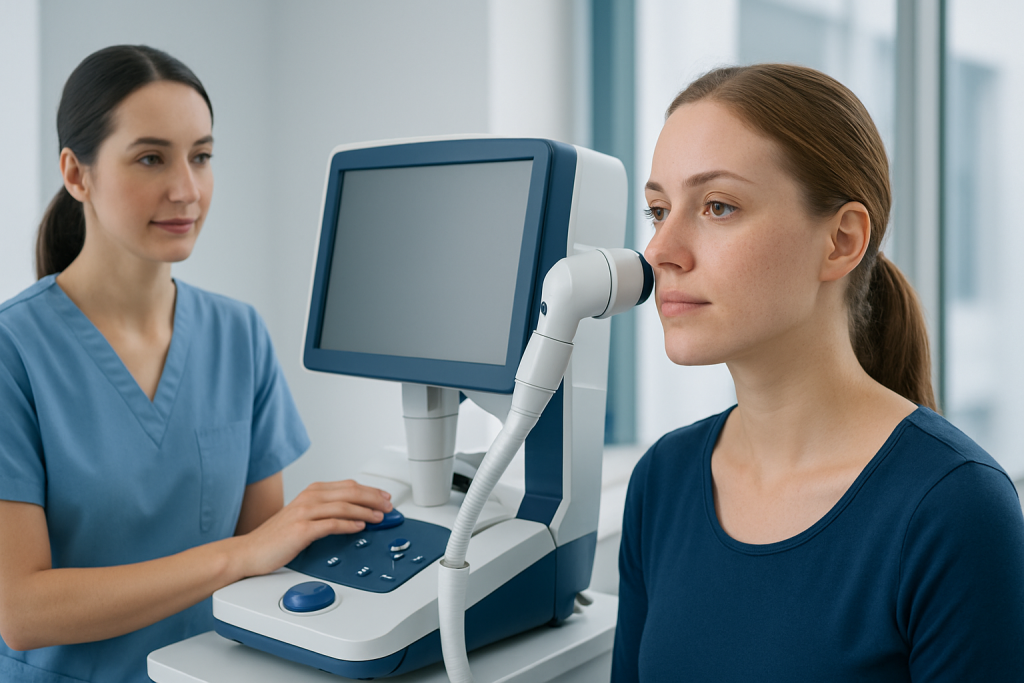
Pores do not usually cause pain or itching on their own. The main sign is their appearance: they may look wider, darker, more open, or uneven in areas where oil production is higher. Some people also notice rough texture, shine, blackheads, or a makeup finish that settles into the skin more easily than before.
Visible pores often show up alongside other skin changes. These can include frequent breakouts, sebaceous filaments, blackheads, or a greasy sheen on the skin during the day. In some cases, pores are more obvious after sun exposure, because sun damage can reduce skin elasticity and make the surrounding skin less firm.
People may also notice that pore visibility changes over time. Hormonal shifts, aging, seasonal humidity, and skincare habits can all alter how the skin looks from one month to the next. That variability is normal, but a sudden or dramatic change deserves medical attention.
- Shiny or oily skin, especially in the T-zone
- Blackheads or clogged-looking openings
- Uneven texture or makeup that appears to “sit” on the skin
- Pores that seem more obvious after sun exposure or with age
Causes and Risk Factors
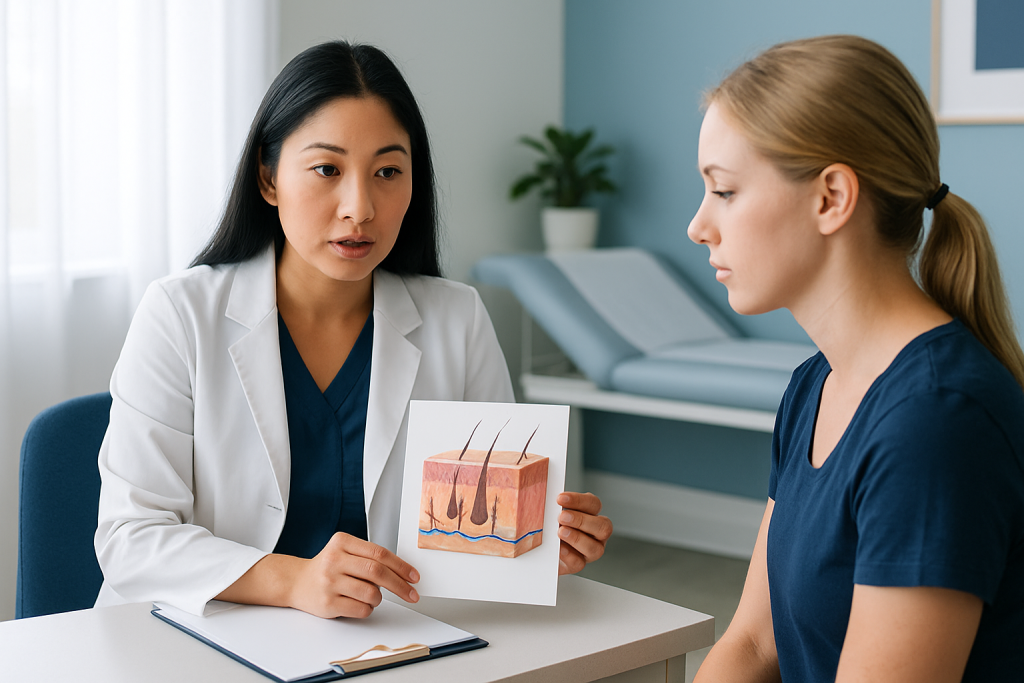
Several factors can contribute to enlarged-looking pores. The most common is excess sebum, the natural oil produced by sebaceous glands. When the skin produces more oil, pores can appear larger because they are more actively functioning and more likely to collect debris on the surface.
Genetics also matter. Some people naturally have larger pores or oilier skin because that is how their skin is built. Age is another factor: as collagen and skin elasticity decrease over time, the skin around pores may loosen slightly, making them stand out more. Sun exposure can add to this by weakening the skin’s support structure.
Other contributors include clogged pores, acne, thick makeup that is not fully removed, and harsh skincare that irritates or dries the skin. When the skin barrier is stressed, it may produce more oil in response, creating a cycle that keeps pores looking prominent. Environmental factors, such as heat and humidity, can also temporarily increase shine and visibility.
Common risk factors include:
- Oily or combination skin
- Family history of visible pores or acne
- Sun damage over time
- Acne and blackheads
- Skin aging and reduced collagen support
- Comedogenic cosmetics or heavy skincare products
Diagnosis and Skin Assessment
There is no special test for enlarged pores in most cases. A dermatologist usually evaluates pore appearance by examining the skin, asking about skincare habits, and looking for related conditions such as acne, rosacea, seborrheic dermatitis, or pigmentation changes. This helps determine whether the main issue is oil production, congestion, aging, or another skin condition.
For someone traveling from another country to seek care, this assessment is often straightforward but still important. Clear photos of the skin from different lighting conditions, a list of products used at home, and a history of prior treatments can help the specialist understand what has already been tried and what may be suitable next.
If pores are accompanied by inflammation, sudden texture changes, or unusual rashes, a dermatologist may look more closely for another diagnosis. That step matters because treatment works best when it targets the underlying pattern instead of only the visible pores.
Treatment Options
Treatment depends on what is making the pores look more visible. For oily and congested skin, topical retinoids are often used because they help normalize cell turnover and can improve the look of clogged pores over time. Other topical options may include salicylic acid, niacinamide, or products designed to reduce excess oil and support the skin barrier.
When people want stronger results, in-office procedures may be considered. Chemical peels, microneedling, fractional lasers, and some light-based treatments can improve texture and make pores appear less obvious by stimulating collagen and smoothing the skin surface. The right choice depends on skin tone, sensitivity, acne history, downtime preferences, and whether there is active inflammation.
Professional care is especially useful when pore concerns overlap with acne scars, uneven pigmentation, or recurring breakouts. A dermatologist can help sequence treatment carefully, since aggressive treatment may irritate the skin and temporarily worsen appearance before improvement begins. For international patients, it is often helpful to plan both the procedure and follow-up before traveling home.
Common treatment approaches may include:
- Topical retinoids and acne-directed skincare
- Salicylic acid or other exfoliating ingredients
- Chemical peels
- Microneedling
- Laser resurfacing or fractional energy-based procedures
Prevention and Self-care
Daily habits can make a meaningful difference in how pores look. Gentle cleansing removes oil, sunscreen, and makeup without stripping the skin. A lightweight, non-comedogenic moisturizer helps protect the skin barrier, and broad-spectrum sunscreen is especially important because sun damage can make pores appear more prominent over time.
It is usually better to avoid harsh scrubbing, frequent pore strips, or repeated use of strong products in an attempt to “shrink” pores quickly. These approaches may irritate the skin, increase redness, or trigger more oil production. A calmer routine is often more effective and much easier to maintain while traveling, during busy work periods, or after returning home from treatment.
Helpful self-care habits include:
- Wash the face with a gentle cleanser, especially after sweating
- Use sunscreen every day
- Choose non-comedogenic makeup and skincare
- Remove makeup thoroughly at night
- Avoid picking at blackheads or squeezing pores
- Introduce new active ingredients gradually
People preparing for a dermatology visit can also benefit from simplifying their routine for a few weeks beforehand. That makes it easier for the specialist to judge what the skin truly needs and reduces the chance of irritation from overlapping products.
When to See a Doctor
Visible pores alone do not usually require urgent care. A dermatology appointment is reasonable when pores are bothering a person despite a consistent skincare routine, or when they are part of a larger pattern such as acne, blackheads, or rough texture that is affecting confidence and daily comfort.
Medical advice is also important if the skin changes quickly, becomes inflamed, or develops pain, bleeding, crusting, or a rash. Those signs may point to a condition that needs diagnosis rather than routine cosmetic care. A specialist can explain whether home care is enough or whether an in-office procedure is more appropriate.
For people planning Varicose Vein Treatment Abroad: When Stockings Are Enough and When Procedures Help More" class="ahp-ilk">treatment abroad, it can be helpful to choose a center that can manage diagnosis, procedures, and follow-up in one pathway. Acibadem Health Point’s multidisciplinary specialists and JCI-accredited hospitals diagnose and treat skin concerns for international patients, helping coordinate care before and after travel in a structured way.
Living With Visible Pores
Many people spend years trying to erase pores completely, but that is not a realistic goal. Pores are normal anatomy, and the aim of treatment is usually to reduce their visibility, improve texture, and make the skin easier to care for. That shift in expectations often makes the experience less frustrating and the results more satisfying.
It can also help to evaluate progress over time rather than day to day. Lighting, humidity, makeup, and stress all affect how skin looks. Patients often do best when they focus on a routine they can continue consistently, rather than chasing a rapid fix that the skin cannot comfortably tolerate.
With the right plan, pore-related concerns can be managed in a way that supports both skin health and confidence. A dermatologist can help tailor the approach to skin type, travel schedule, and the amount of improvement someone hopes to achieve.
Frequently asked questions
Are enlarged pores a medical problem?
Usually, enlarged pores are not a medical problem. They are a common skin feature that becomes more visible with oil, aging, sun exposure, or congestion. Treatment is often chosen for cosmetic improvement or to manage related acne.
Can pores actually be shrunk permanently?
Pores cannot be permanently removed, because they are a normal part of the skin. Their appearance can often be improved with skincare and professional treatments that reduce oil, unclog pores, and support collagen.
Do pore strips help?
Pore strips may temporarily remove surface debris, but they do not change pore size. For some people, they can also irritate the skin, so gentler long-term options are usually preferred.
What skincare ingredients are commonly used for visible pores?
Products that help regulate oil and smooth skin texture are often considered, such as salicylic acid, niacinamide, and retinoids. The best choice depends on skin sensitivity, acne history, and whether the skin barrier is irritated.
Why do pores look larger with age?
As skin loses collagen and firmness over time, the area around each pore can become less supported. That makes pores look more open even if the pore itself has not changed dramatically.
Should someone see a dermatologist if pores suddenly look different?
Yes, a sudden change is worth medical review, especially if there is redness, pain, itching, bleeding, or new breakouts. A dermatologist can check for a skin condition that may be making the pores appear more noticeable.
References
- American Academy of Dermatology
- Mayo Clinic
- National Institute of Arthritis and Musculoskeletal and Skin Diseases
- British Association of Dermatologists
This article is for general information only and is not a substitute for professional medical advice. Please consult a qualified doctor about your individual situation.