Myopathy: Symptoms, Causes and Treatment

Key Takeaways
- Myopathy refers to a group of muscle disorders, not one single disease.
- The most common sign is muscle weakness, often in the hips, shoulders, or thighs.
- Causes can include inherited conditions, inflammation, medications, endocrine problems, and metabolic disorders.
- Diagnosis may involve blood tests, nerve and muscle studies, imaging, and sometimes a muscle biopsy.
- Treatment depends on the cause and may include medicines, rehabilitation, and lifestyle adjustments.
- Early medical review is important when weakness is persistent, progressive, or affecting daily activities.
Medically reviewed by the Acıbadem clinical team — August 19, 2026
Myopathy is a general term for conditions that affect the muscles and can lead to weakness, fatigue, pain, or trouble with movement. Understanding the type of myopathy helps guide testing, treatment, and long-term support.
Overview
Myopathy is an umbrella term for disorders that affect muscle fibers and reduce the muscle’s ability to work normally. In everyday life, this may show up as climbing stairs becoming harder, lifting objects feeling unusually tiring, or rising from a chair taking more effort than before.
Because myopathy is a category rather than a single diagnosis, the next step is always to identify the reason behind the muscle problem. Some forms are inherited, some appear later in life, and others are linked to inflammation, hormone changes, medications, infections, or metabolic conditions. That distinction matters because treatment and outlook can differ widely.
For international patients, the path often begins with a careful review of symptoms, past medicines, and family history, followed by targeted testing. A clear diagnosis helps patients plan treatment with confidence, whether they are seeking answers at home or traveling for specialist evaluation.
Symptoms
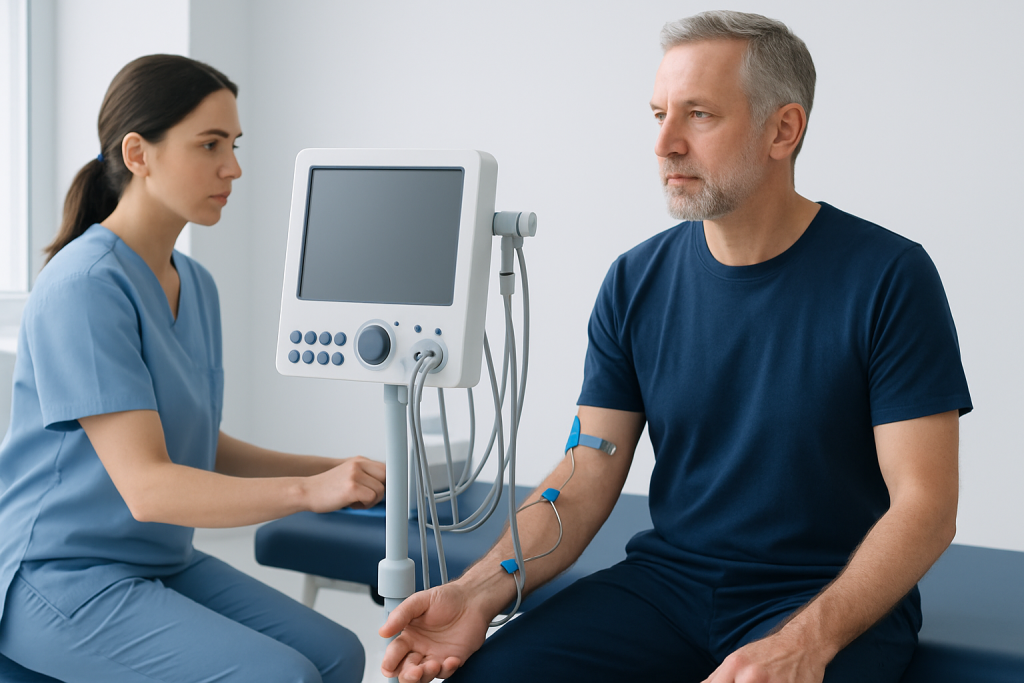
The hallmark symptom of myopathy is muscle weakness, usually affecting the parts of the body that perform larger movements. People may notice difficulty standing up from low seats, climbing stairs, lifting the arms overhead, or carrying heavier items.
Some people also experience muscle pain, cramps, stiffness, or a feeling that the muscles fatigue too quickly. In certain myopathies, weakness is mild and slowly progressive; in others, symptoms appear more suddenly or may fluctuate over time.
Depending on the type and severity, additional signs can include:
- Frequent tripping or trouble walking long distances
- Shoulder or hip weakness
- Difficulty swallowing in some muscle disorders
- Shortness of breath if breathing muscles are involved
- Exercise intolerance or unusual fatigue after activity
Symptoms do not always reflect one specific cause. Similar complaints can occur with nerve disorders, joint disease, anemia, thyroid imbalance, or vitamin deficiencies, which is why medical evaluation is important.
Causes & Risk Factors

Myopathy can develop for many reasons, and the cause often shapes the pattern of weakness. Inherited myopathies are due to changes in genes that affect muscle structure or energy production. These conditions may become apparent in childhood, but some are first recognized in adulthood.
Acquired myopathies are often more common in adults. Inflammatory myopathies, such as polymyositis or dermatomyositis, involve the immune system attacking muscle tissue. Other causes include long-term use of certain medications, thyroid or other endocrine disorders, electrolyte disturbances, alcohol-related muscle injury, infections, and metabolic disease.
Risk factors vary by cause, but may include:
- A family history of muscle disease
- Autoimmune disease
- Exposure to muscle-affecting medications
- Thyroid, adrenal, or parathyroid disorders
- High alcohol intake or poor nutrition
In some patients, more than one factor contributes to symptoms. A careful history can reveal patterns that guide testing, especially when weakness develops gradually and has been overlooked as simple tiredness or reduced fitness.
Diagnosis
Diagnosis begins with a detailed conversation about symptoms, timing, family history, physical activity, and current or past medications. A clinician will usually assess muscle strength, reflexes, coordination, and how the person moves during daily tasks such as rising from a chair or walking on the heels and toes.
Blood tests often help identify muscle injury or related conditions. Depending on the case, doctors may check muscle enzymes, thyroid function, vitamin levels, inflammatory markers, or tests for autoimmune disease. If an inherited or metabolic disorder is suspected, genetic testing may be recommended.
Additional studies can include electromyography (EMG), nerve conduction tests, muscle MRI, or a muscle biopsy. Not every person needs every test; the workup is tailored to the suspected cause and to the most likely next step toward a diagnosis. For people coming from abroad, bringing prior reports, medication lists, and imaging can make the evaluation more efficient.
Treatment Options
Treatment for myopathy is directed at the underlying cause whenever possible. If a medication is contributing, a clinician may consider stopping it or changing to a safer alternative under supervision. If the cause is endocrine or metabolic, correcting the imbalance can improve muscle function over time.
Inflammatory myopathies are often treated with medicines that calm immune activity, and some patients also need a gradual rehabilitation program to rebuild function. In inherited myopathies, treatment usually focuses on preserving mobility, preventing complications, and supporting independence rather than curing the genetic condition itself.
Common elements of care may include:
- Targeted medication based on the cause
- Physical therapy and gentle strengthening
- Occupational therapy for daily activities
- Assistive devices when needed for safety
- Swallowing or respiratory support in selected cases
A treatment plan works best when it is adjusted over time. Muscle disorders can evolve slowly, so follow-up helps clinicians refine therapy, monitor side effects, and match rehabilitation to the patient’s current strength and stamina.
Prevention & Self-care
Not every myopathy can be prevented, especially inherited forms, but patients can often reduce strain on muscles and support overall function. A balanced, medically appropriate exercise plan is usually more helpful than complete rest, since inactivity can lead to additional weakness.
Nutrition, sleep, hydration, and medication review also matter. People who have a history of muscle symptoms should mention it before starting a new medicine, and they should avoid making changes to prescription treatment without medical advice.
Practical self-care can include:
- Keeping activity regular but paced
- Using physical therapy guidance for safe exercises
- Breaking tasks into smaller steps
- Preventing falls at home with good lighting and clear walkways
- Following up promptly if weakness changes
For patients traveling for care, it can be helpful to arrange local follow-up before leaving the treatment center so rehabilitation, lab monitoring, and medication questions remain connected after returning home.
When to See a Doctor
Medical assessment is advisable when muscle weakness is new, persistent, worsening, or clearly affecting everyday activities. It is especially important if weakness is accompanied by swallowing problems, breathing difficulty, dark urine, severe muscle pain, or rapid functional decline.
People should also seek evaluation if symptoms follow a new medication, if there is a family history of muscle disease, or if weakness appears alongside rash, fever, weight loss, or other signs of systemic illness. These details can point toward a specific type of myopathy that needs timely treatment.
Specialist care is often useful when the diagnosis is uncertain or when symptoms continue despite initial treatment. In a multidisciplinary setting, neurologists, rehabilitation specialists, and other clinicians can work together to confirm the cause and guide a practical recovery plan. Acibadem Health Point’s multidisciplinary specialists and JCI-accredited hospitals diagnose and treat myopathy for international patients with coordinated, patient-centered care.
Living With Myopathy
Living with myopathy often means learning how to protect strength while still staying active. Many patients do best with a plan that balances movement, rest, and regular review, rather than pushing through exhaustion or avoiding activity altogether.
Emotional adjustment is also part of the experience. Muscle weakness can affect work, travel, family roles, and confidence, so clear explanations from the care team can be as valuable as medication. When the condition is chronic, setting realistic goals for mobility, independence, and symptom control helps patients measure progress in practical ways.
Support can include family education, rehabilitation follow-up, and planning for future needs such as mobility aids or home modifications if weakness becomes more noticeable. The goal is not only to treat the diagnosis, but also to help the person continue daily life with as much comfort and function as possible.
Frequently asked questions
Is myopathy the same as muscle weakness?
Not exactly. Muscle weakness is a symptom, while myopathy is a condition that affects the muscle itself and can cause that weakness. A doctor needs to determine whether the problem is in the muscle, nerve, joint, or somewhere else.
Can myopathy be cured?
It depends on the cause. Some forms improve when the underlying problem is treated, such as a medication reaction or hormone imbalance, while inherited myopathies are usually managed rather than cured.
Does myopathy always cause pain?
No. Some people have weakness without much pain, while others have aching, cramps, or stiffness. Pain does not by itself confirm myopathy, so evaluation is still important.
What tests are commonly used to diagnose myopathy?
Doctors often start with blood tests and a physical examination, then may order EMG, muscle MRI, genetic testing, or a muscle biopsy if needed. The exact workup depends on the suspected cause and symptom pattern.
Should exercise be avoided if someone has myopathy?
Usually not completely. Gentle, tailored activity is often helpful, but the exercise plan should match the person’s diagnosis and current strength. A clinician or physical therapist can suggest safe options.
When is myopathy urgent?
Urgent care is needed if weakness comes on quickly, breathing or swallowing becomes difficult, or there is severe muscle pain, fever, or dark urine. Those features may signal a serious problem that should be assessed promptly.
References
- National Institute of Neurological Disorders and Stroke
- Mayo Clinic
- Merck Manual Professional Edition
- Muscular Dystrophy Association
- American Academy of Neurology
This article is for general information only and is not a substitute for professional medical advice. Please consult a qualified doctor about your individual situation.
Explore treatments in Turkey — costs, top hospitals & a free quote
JCI-accredited · board-certified surgeons · reply within 24h
Add us as a Preferred Source to see more of our trusted health content across Google Search, AI Overviews and Discover.