Bronchiectasis: Symptoms, Causes and Treatment

Key Takeaways
- Bronchiectasis affects the airways that carry air in and out of the lungs, often causing ongoing mucus buildup and cough.
- Common symptoms include daily phlegm, repeated chest infections, shortness of breath, wheezing, and fatigue.
- Diagnosis usually involves imaging tests, lung function assessment, and sometimes sputum studies to look for infection.
- Treatment focuses on clearing mucus, treating infections, easing breathing symptoms, and addressing the underlying cause when possible.
- Regular follow-up and self-care are important, especially for people managing care across countries or traveling for treatment.
Medically reviewed by the Acıbadem clinical team — August 19, 2026
Bronchiectasis is a long-term lung condition in which the airways become widened and damaged, making it harder to clear mucus and easier for infections to take hold. With the right diagnosis, airway-clearance plan, and follow-up care, many people can manage symptoms and reduce flare-ups.
Overview
Bronchiectasis is a chronic condition in which the breathing tubes inside the lungs become abnormally widened and lose some of their natural ability to clear mucus. When mucus stays in the airways instead of moving out efficiently, it can become a place where bacteria collect and infections return again and again.
Many people first notice it as a cough that does not seem to settle, especially when it brings up mucus on most days. Others may recognize a pattern of repeated chest infections, tiredness, or breathlessness that gradually becomes more noticeable over time. Because the symptoms can overlap with other lung conditions, bronchiectasis is often identified after a careful evaluation rather than from a single complaint.
It is helpful to think of bronchiectasis as a long-term airway problem rather than a short-lived illness. Some causes are clear, while in other cases doctors cannot identify one specific trigger. Even when the condition cannot be reversed, symptoms can often be improved and flare-ups reduced with a structured treatment plan.
Symptoms
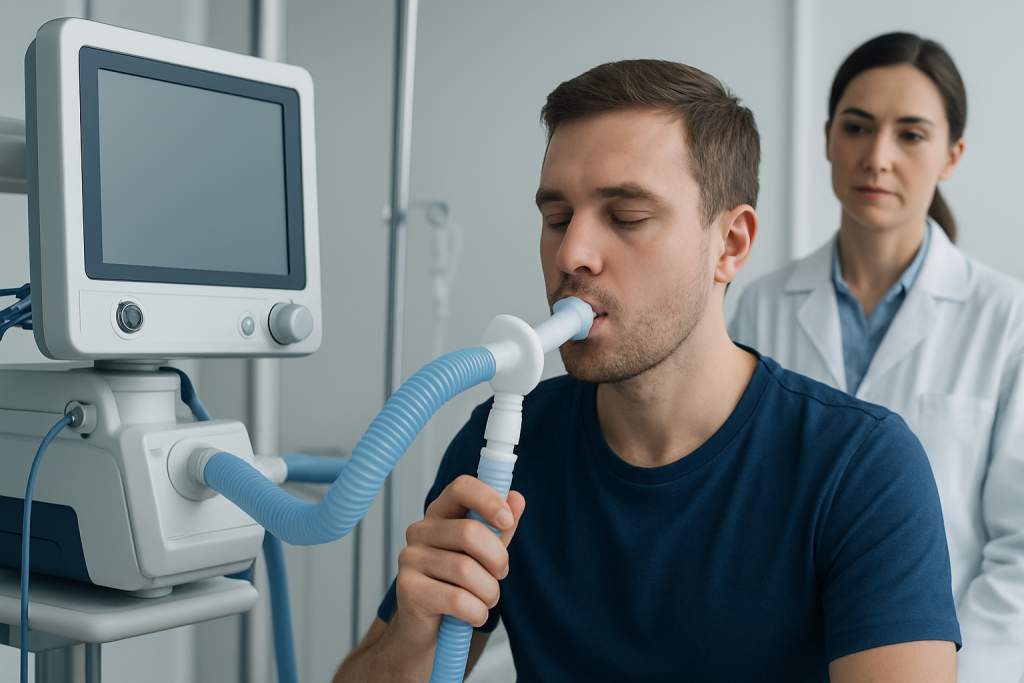
The most familiar symptom is a persistent cough that produces mucus, sometimes for months or years. The sputum may be clear, yellow, green, or occasionally blood-streaked, particularly during an infection or a more active phase of the disease.
People may also notice shortness of breath, wheezing, chest tightness, or a feeling that breathing takes more effort than before. Fatigue is common too, not only because the lungs are working harder, but also because repeated infections can be draining and sleep may be disturbed by coughing.
Symptoms often fluctuate. A person may have relatively quiet periods followed by flare-ups in which cough, mucus, and breathlessness become more troublesome. In more advanced cases, frequent infections can affect appetite, energy, and daily activity levels.
- Daily or frequent productive cough
- Thick mucus or phlegm that is difficult to clear
- Repeated chest infections or bronchitis-like episodes
- Shortness of breath or reduced exercise tolerance
- Wheezing, chest discomfort, or fatigue
Causes & Risk Factors

Bronchiectasis develops when the airway walls are injured and the normal cleaning system of the lungs is disrupted. Infection is a common pathway: an earlier severe lung infection, or repeated infections over time, can damage the airways and leave them widened and less effective at clearing mucus.
Other causes include conditions that make it harder to fight infection or move mucus, such as immune system problems, cystic fibrosis, severe asthma, chronic obstructive pulmonary disease, primary ciliary dyskinesia, and certain autoimmune or inflammatory disorders. In some people, blockage from a foreign body, a tumor, or inhaled material can also contribute.
Risk increases when there is a history of serious pneumonia, tuberculosis, whooping cough, or recurrent respiratory infections. Some individuals are diagnosed after years of unexplained cough, while others learn they have bronchiectasis during workup for another lung condition. In many cases, the condition is multifactorial, meaning several small factors combine rather than one single cause explaining everything.
Diagnosis
Diagnosis usually begins with a conversation about symptoms, infection history, past lung disease, and any known immune or inflammatory conditions. A doctor may also listen for crackles or wheezing in the lungs and ask how often chest infections occur, how much mucus is produced, and whether there has been any blood in the sputum.
Imaging is central to confirming bronchiectasis. A high-resolution CT scan of the chest is commonly used because it can show the widened airways and help assess how extensive the changes are. Lung function tests may also be ordered to see how well air moves in and out of the lungs.
Additional tests help look for a cause and guide treatment. Sputum samples can identify bacteria or other organisms, blood tests may check immune function or inflammation, and in selected cases doctors may investigate for cystic fibrosis, allergic bronchopulmonary aspergillosis, ciliary disorders, or reflux-related aspiration. The goal is not only to name the condition, but to understand what is driving it in that individual.
Treatment Options
Treatment is usually tailored to the person, since bronchiectasis can range from mild and stable to more active and infection-prone. The central aim is to reduce mucus buildup, control infection, ease breathing, and protect lung function over time.
Airway-clearance techniques are a cornerstone of care. These may include breathing exercises, chest physiotherapy, devices that help move mucus, and regular physical activity as tolerated. Hydration can help thin secretions, and some people benefit from nebulized treatments or inhaled medicines recommended by their doctor.
When infection is present, antibiotics may be prescribed based on symptoms, sputum results, and the pattern of past infections. Some patients with frequent flare-ups need longer-term strategies to reduce recurrence, while those with a known underlying cause may also need targeted treatment for that condition. In more severe situations, oxygen therapy, pulmonary rehabilitation, or specialist procedures may be considered.
Surgery is uncommon and reserved for selected cases, such as bronchiectasis confined to one area of the lung with repeated problems despite medical treatment. For most people, the practical combination of infection control, airway clearance, and regular review is the foundation of care.
Prevention & Self-care
Not every case of bronchiectasis can be prevented, especially when the condition is related to a past infection or an underlying disorder. Still, daily habits and preventive care can make a meaningful difference in how often symptoms flare and how well the lungs function.
Keeping up with recommended vaccinations, such as influenza and pneumococcal vaccines when appropriate, helps lower the chance of respiratory infections. Avoiding smoke exposure, staying well hydrated, and following a consistent airway-clearance routine can also support better mucus movement. People who travel internationally for care should plan ahead so they can continue their routine, carry enough medication and supplies, and understand what to do if symptoms change while away from home.
It is also wise to pay attention to infection triggers and patterns. Some people find that symptoms worsen during cold seasons, after air travel, or when they are recovering from another illness. A personal action plan made with a clinician can be especially helpful for patients managing follow-up from another country, because it clarifies which medicines to continue, when to seek help, and how to contact the care team if needed.
- Use airway-clearance techniques as advised by a clinician or respiratory therapist
- Stay hydrated unless a doctor has given fluid restrictions
- Keep vaccinations current
- Do not smoke and avoid secondhand smoke
- Seek prompt care for worsening cough, fever, or changes in sputum
When to See a Doctor
A medical review is important if a cough with mucus lasts for weeks, if chest infections keep returning, or if breathlessness is becoming more noticeable. Early evaluation can help distinguish bronchiectasis from asthma, chronic bronchitis, sinus-related cough, or other lung conditions that may need different treatment.
Urgent assessment is appropriate if a person coughs up a significant amount of blood, has severe shortness of breath, high fever, chest pain, confusion, or signs of dehydration. Even less dramatic changes can matter if they represent a new flare-up, because infections can worsen quickly in some patients with bronchiectasis.
People already diagnosed with bronchiectasis should contact their doctor if symptoms are not responding to the usual plan, if sputum becomes more frequent or discolored, or if there is a noticeable drop in energy or exercise tolerance. For international patients, coordinated follow-up can be especially reassuring, and multidisciplinary specialists in JCI-accredited hospitals such as Acibadem Health Point can help diagnose and treat bronchiectasis as part of a structured care journey.
Living With Bronchiectasis
Day-to-day life with bronchiectasis is often about recognizing patterns and keeping small routines steady. Many people do best when they treat airway clearance and infection prevention as ongoing habits rather than steps reserved only for flare-ups.
It can help to keep a simple record of symptoms, sputum changes, recent infections, and medicines used. This makes clinic visits more productive and is especially useful for patients who split time between countries, because it gives the next doctor a clear picture of what has been working and what has changed. If a person is planning travel, a clinician can also advise whether extra medication, a sick-day plan, or a pre-trip check is sensible.
With regular care, education, and realistic expectations, many people live active lives while managing bronchiectasis. The condition may require patience, but it does not have to define every aspect of daily life.
Frequently asked questions
What is bronchiectasis in simple terms?
Bronchiectasis is a long-term lung condition where the airways become widened and damaged. This makes it harder to clear mucus, which can lead to repeated infections and a chronic cough.
Is bronchiectasis the same as COPD or asthma?
No, it is a different condition, although symptoms can overlap. Some people have bronchiectasis along with asthma or COPD, which is why careful testing is important.
Can bronchiectasis be cured?
In most cases, the airway changes cannot be fully reversed. Treatment focuses on controlling symptoms, reducing infections, and protecting lung function as much as possible.
How is bronchiectasis diagnosed?
Doctors usually confirm it with a high-resolution CT scan of the chest, along with a review of symptoms, lung function tests, and sputum or blood tests when needed. These tests can also help look for the underlying cause.
What helps most with daily symptoms?
Regular airway-clearance techniques are often central to symptom control. Staying hydrated, avoiding smoke, treating infections promptly, and following the clinician’s plan can also help.
When should someone seek urgent medical help?
Urgent care is needed for significant coughing up of blood, severe breathlessness, high fever, chest pain, or confusion. A doctor should also be contacted if symptoms are clearly worsening or not improving as expected.
References
- National Heart, Lung, and Blood Institute
- British Thoracic Society
- Mayo Clinic
- American Lung Association
- European Respiratory Society
This article is for general information only and is not a substitute for professional medical advice. Please consult a qualified doctor about your individual situation.
Explore treatments in Turkey — costs, top hospitals & a free quote
JCI-accredited · board-certified surgeons · reply within 24h
Add us as a Preferred Source to see more of our trusted health content across Google Search, AI Overviews and Discover.