Agonal Breathing: Causes and Emergency Treatment

Key Takeaways
- Agonal breathing is a gasping, irregular breathing pattern and should be treated as an emergency sign.
- It may occur with cardiac arrest, severe stroke, overdose, drowning, or other critical conditions.
- If a person is unresponsive and breathing this way, emergency services should be called immediately.
- Do not wait for the breathing to improve on its own; urgent assessment can be lifesaving.
- After emergency care, follow-up may focus on the underlying cause and recovery support.
Medically reviewed by the Acıbadem clinical team — August 19, 2026
Agonal breathing is an abnormal, gasping pattern that can appear when the body is in severe distress and needs urgent medical attention. Recognizing it quickly matters because it is not normal breathing and may signal a life-threatening emergency.
Overview
Agonal breathing is a distress breathing pattern that can sound like gasps, snorts, or slow, irregular breaths. It is not a normal way of breathing, even though a person may still appear to be making some effort to breathe.
For family members, travelers, or bystanders, the key point is simple: agonal breathing is a medical emergency sign. It often appears when the brain or body is not getting enough oxygen, and it may be seen in cardiac arrest, severe neurologic events, overdose, drowning, or other critical situations.
Because it can be mistaken for “still breathing,” people sometimes delay calling for help. In reality, agonal breathing usually means the person needs immediate emergency care, not observation at home.
What it can look and sound like
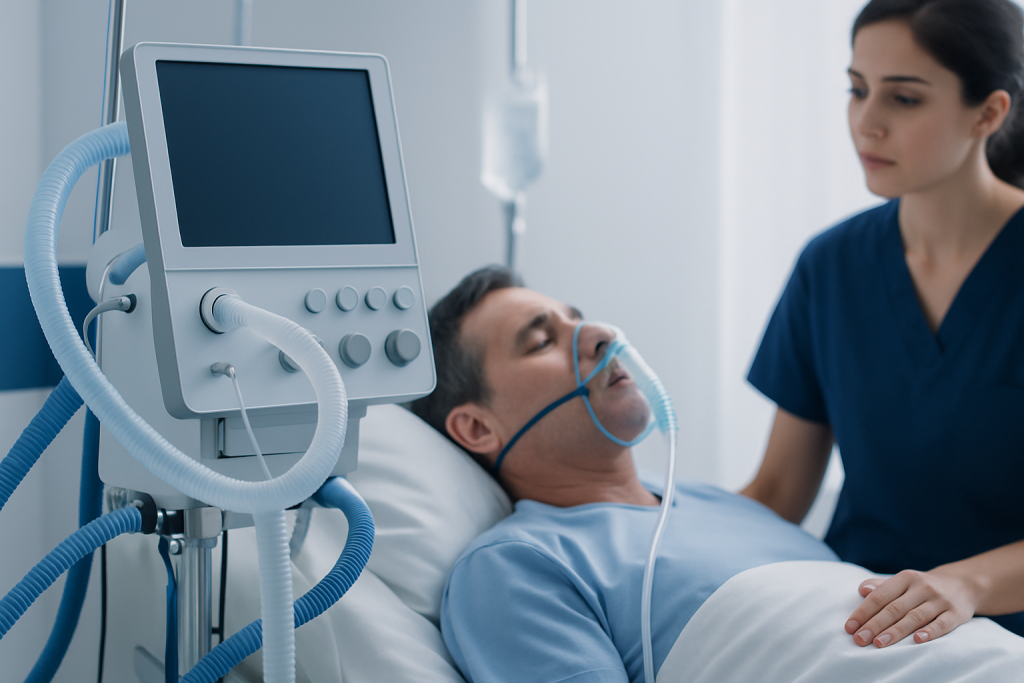
Agonal breathing may be described as gasping, labored, or “air hunger.” The breaths are often slow, infrequent, and uneven, with long pauses between them. A person may open and close the mouth, make snoring-like sounds, or take shallow, involuntary breaths that seem to come in bursts.
The pattern can be very different from the steady rise and fall of normal breathing. Someone with agonal breathing may also be unresponsive, confused, pale, bluish around the lips, or completely limp. In many cases, the breathing does not improve in a predictable way.
It helps to remember that agonal breathing is not a sign of recovery. Even when it looks like the person is “taking breaths,” it does not mean the body is getting enough oxygen or that the circulation is adequate.
- Gasping or snorting sounds
- Irregular, shallow breaths
- Long pauses between breaths
- Reduced or absent responsiveness
- Possible bluish lips or skin changes
Causes and risk factors

Agonal breathing is usually a symptom of a severe underlying problem rather than a condition on its own. It can happen when the brain’s breathing control centers are affected, when the heart is no longer pumping effectively, or when oxygen delivery is critically reduced.
Common causes include cardiac arrest, major stroke, traumatic brain injury, overdose from opioids or other sedating substances, choking, severe infection, drowning, and other causes of respiratory failure. In some situations, the body may be failing from more than one problem at once.
Risk factors depend on the cause. For example, older age, known heart disease, prior stroke, substance use, epilepsy, severe lung disease, and exposure to unsafe environments can increase the chance of a life-threatening event. Still, agonal breathing can occur without warning, which is why it should always be treated as urgent.
How doctors diagnose the cause
Agonal breathing is usually recognized in an emergency setting by what is happening at the bedside: a person who is unresponsive or severely ill and is breathing in an abnormal, gasping way. The immediate concern is not to label the breathing pattern alone, but to identify and treat the cause as quickly as possible.
Medical teams may assess pulse, oxygen levels, heart rhythm, blood pressure, blood sugar, breathing effort, and neurologic status. Depending on the situation, they may order tests such as an electrocardiogram, blood tests, chest imaging, brain imaging, toxicology screening, or other studies to determine what triggered the emergency.
For patients traveling internationally or seeking care after an event abroad, records from the first hospital visit can be especially helpful. A clear timeline of collapse, observed breathing, medications taken, and any resuscitation efforts often guides the next steps in diagnosis and treatment.
Treatment options
Agonal breathing itself is not treated as a separate problem; the priority is emergency care for the underlying cause. If the person is unresponsive and not breathing normally, emergency services should be called immediately, and cardiopulmonary resuscitation may be started if the person has no pulse or breathing is absent/abnormal and the rescuer has been instructed to do so.
In the hospital, treatment can include airway support, oxygen, ventilation, medications, reversal agents for certain overdoses, seizure control, clot-busting or clot-removal procedures in selected stroke cases, heart rhythm management, fluids, antibiotics, or other advanced life-saving measures. The exact plan depends entirely on the cause and how quickly care is started.
After the emergency phase, care often shifts toward recovery: neurologic monitoring, rehabilitation, cardiac evaluation, medication review, and prevention of another event. Patients and families may also need guidance on what happened, what warning signs to watch for, and which follow-up visits should happen after discharge or after returning home.
Prevention and self-care
Since agonal breathing is a sign of a serious event, prevention means reducing the risk of the underlying emergencies that can lead to it. That may include managing heart disease, controlling blood pressure and diabetes, using medications as prescribed, avoiding nonmedical drug use, and keeping chronic lung conditions under good care.
Families can also benefit from learning basic emergency steps. Knowing how to check responsiveness, call emergency services, recognize a possible cardiac arrest, and perform CPR can make a meaningful difference while waiting for professional help. For households at risk of overdose, keeping naloxone available and understanding how it is used may be appropriate, depending on local guidance.
After a patient has had a serious event, self-care is usually about structured recovery rather than rest alone. This can include follow-up appointments, rehabilitation exercises, safe medication use, and support for sleep, nutrition, mobility, and emotional adjustment—especially if care is being coordinated across countries.
When to seek emergency care
Agonal breathing always warrants immediate emergency attention. If someone is gasping, making irregular breaths, or breathing in a way that seems far from normal, emergency services should be contacted without delay, particularly if the person is unresponsive, blue, injured, or collapsing.
Do not wait to see whether the breathing becomes normal. A person with agonal breathing may need CPR, advanced airway support, or urgent treatment for cardiac, neurologic, toxicologic, or respiratory causes. Quick action is especially important because the window for effective intervention can be short.
For international patients, it is reasonable to seek a hospital that can coordinate urgent assessment, imaging, critical care, and follow-up under one roof. Acibadem Health Point’s multidisciplinary specialists and JCI-accredited hospitals diagnose and treat these emergencies for international patients, with care plans that can continue after the first crisis is over.
Recovery and follow-up after the emergency
Recovery depends on what caused the agonal breathing and how long the body went without adequate oxygen or circulation. Some people recover quickly after a reversible cause is treated, while others may need longer observation, rehabilitation, or support for brain, heart, or lung injury.
Follow-up may include neurologic checks, heart testing, medication adjustments, physical therapy, or counseling about lifestyle changes. If the event happened while traveling, discharge planning should ideally include clear instructions for medications, warning signs, and a pathway for review once the patient returns home.
Families often find it helpful to ask for a written summary of the emergency, test results, and recommended next steps. That documentation can make a second opinion, cross-border follow-up, or transfer of care much smoother.
Frequently asked questions
Is agonal breathing the same as normal breathing?
No. Agonal breathing is an abnormal gasping pattern and should not be mistaken for normal, effective breathing. It can happen when the body is in severe distress and needs immediate emergency care.
Can a person with agonal breathing still have a pulse?
Yes, sometimes a pulse may still be present briefly, but the situation is still urgent. Agonal breathing can be seen in cardiac arrest and other life-threatening conditions, so emergency services should be called right away.
What should a bystander do first?
Call emergency services immediately. If the person is unresponsive and not breathing normally, follow dispatcher instructions and begin CPR if appropriate and if the rescuer knows how to do it.
Does agonal breathing mean the person is dying?
It can occur during a very severe medical emergency, but it does not by itself define the final outcome. Fast treatment may sometimes reverse the underlying problem, which is why immediate action is essential.
Can overdose cause agonal breathing?
Yes. Opioid or other sedative overdose can slow breathing to the point that gasping or agonal breathing appears. This is an emergency, and reversal treatment may be needed urgently.
What tests are usually done after the person reaches the hospital?
Doctors may check oxygen levels, heart rhythm, blood pressure, blood sugar, and perform imaging or blood tests to find the cause. The exact workup depends on whether the team suspects stroke, cardiac arrest, overdose, trauma, or another emergency.
References
- American Heart Association
- National Institute of Neurological Disorders and Stroke
- World Health Organization
- Mayo Clinic
This article is for general information only and is not a substitute for professional medical advice. Please consult a qualified doctor about your individual situation.
Explore treatments in Turkey — costs, top hospitals & a free quote
JCI-accredited · board-certified surgeons · reply within 24h
Add us as a Preferred Source to see more of our trusted health content across Google Search, AI Overviews and Discover.