

Membrane Sweep: What It Is and What to Expect

Key Takeaways
- A membrane sweep is a cervical examination that may encourage labour to begin on its own.
- It is usually considered late in pregnancy when the cervix is at least slightly open.
- The procedure can cause cramping, light bleeding, or discomfort, but serious complications are uncommon.
- A membrane sweep does not guarantee labour; some people go into labour soon after, while others do not.
- It is important to discuss timing, risks, and alternatives with a qualified obstetric clinician.
Medically reviewed by the Acıbadem clinical team — August 19, 2026
A membrane sweep is a simple in-office or bedside procedure that may help the body start labour naturally when pregnancy is near term. It is often discussed when a clinician and patient are considering ways to avoid formal induction while still supporting a safe delivery plan.
Overview
A membrane sweep, sometimes called a stretch and sweep, is a brief procedure used in late pregnancy to help encourage labour to start. A clinician gently inserts a gloved finger through the cervix and separates the amniotic membranes from the lower part of the uterus. This release may stimulate the body’s own hormones that support contractions.
It is usually offered when a pregnancy is at or near term and there is a reason to consider moving labour along, but the situation does not yet call for formal induction. For many patients, the conversation begins with a practical question: whether there is a safe, reasonable way to give labour a nudge without medication or admission to hospital. A membrane sweep may be part of that discussion, depending on the pregnancy, the cervix, and the clinician’s judgment.
The procedure is not the same as breaking the waters and it is not a guaranteed trigger for labour. Some people notice changes within a day or two, while others do not. A thoughtful review of expectations helps reduce anxiety and supports better decision-making, especially for patients who are planning care from another city or country and want to understand what can happen before they travel home or return to their accommodation.
Symptoms and What Patients May Notice
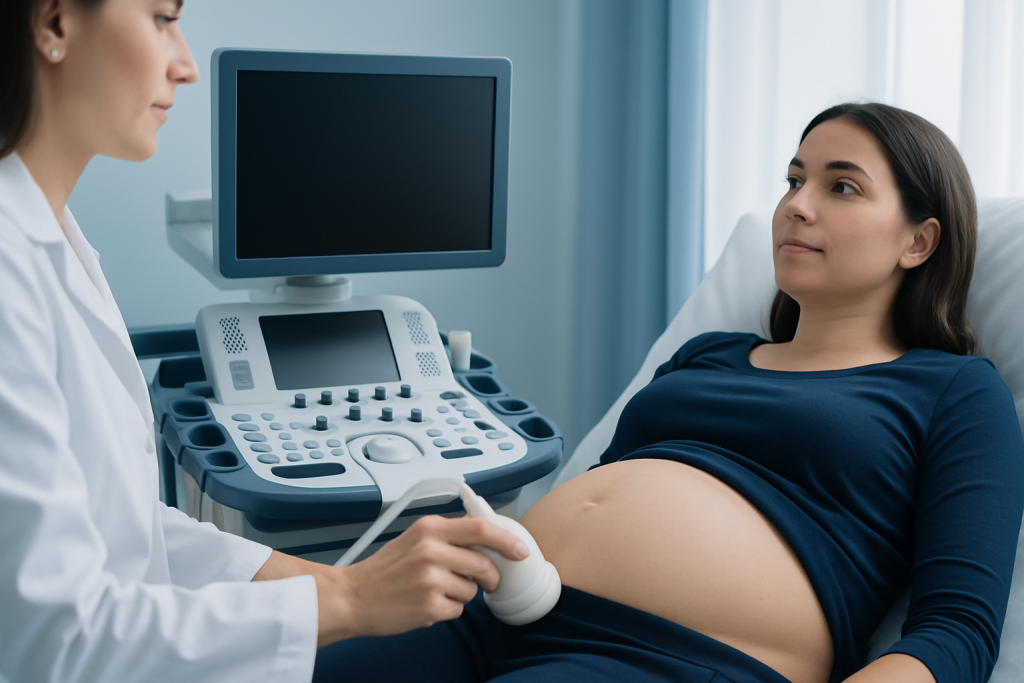
During the procedure, a patient may feel pressure, pelvic discomfort, or a period-like cramp. The sensation is usually brief, although it can be more noticeable if the cervix is firm or only slightly open. Some clinicians describe it as a deep internal examination with a little extra stretching at the cervix.
Afterward, it is common to have mild cramping, irregular tightening, or a small amount of spotting. These changes may mean the cervix has been irritated and is responding normally. A sweep does not always create immediate labour signs, and that can be reassuring to know in advance; the body may still need time to get ready.
Typical after-effects can include:
- Lower abdominal cramping
- Back discomfort
- Light vaginal bleeding or brown discharge
- Increased pelvic pressure
- Occasional irregular contractions
Severe pain, heavy bleeding, fever, fluid leakage, or reduced fetal movement are not expected and should be reviewed promptly by a clinician.
Causes and Risk Factors

A membrane sweep is not done because something is wrong; it is usually offered because pregnancy is nearing its natural end and the care team is weighing whether labour can begin without stronger intervention. The procedure aims to encourage the body’s own prostaglandins and other labour-related signals. In that sense, it is less about causing labour from scratch and more about supporting a process that the body may already be preparing to start.
Whether a membrane sweep is appropriate often depends on cervix readiness, gestational age, and the reason for considering it. A cervix that is soft, thinning, or slightly open is more likely to allow the procedure. It may be discussed more often when the pregnancy has gone beyond the due date, when there is a wish to avoid pharmacologic induction, or when a clinician believes the pregnancy can be safely encouraged toward labour.
It is not suitable for everyone. Some of the reasons a clinician may avoid or delay it include placenta-related concerns, unexplained bleeding, membrane rupture, infection, or situations where vaginal examination is not advisable. For Myomectomy Recovery for International Patients: The Usual Travel Timeline" class="ahp-ilk">international patients, it is especially helpful to review the full pregnancy history and any recent scans before deciding, since records from different care systems may need to be brought together carefully.
Diagnosis and Assessment Before the Procedure
There is no separate diagnostic test for a membrane sweep, but there is usually a careful assessment before it is offered. The clinician reviews the pregnancy timeline, checks fetal wellbeing, and examines the cervix to see whether the procedure is likely to be safe and reasonable. This assessment may be done in an antenatal clinic, labour ward, or outpatient setting.
A key part of the evaluation is the Bishop score, a clinical way of describing how ready the cervix is for labour. While patients do not need to know every detail, the overall idea is straightforward: the more favourable the cervix, the more likely labour-related steps may work. If the cervix is closed or very firm, the clinician may recommend waiting or choosing a different approach.
Ultrasound, blood pressure checks, fetal monitoring, and a review of symptoms may also be used depending on the situation. A patient should feel comfortable asking why the sweep is being suggested, what alternatives exist, and how soon follow-up should happen if labour does not begin. Clear communication matters, particularly for those coordinating care across borders and needing to know whether they can safely travel, rest, or stay near the hospital afterward.
Treatment Options and How It Fits Into Labour Planning
A membrane sweep is one option within the broader range of labour planning. It is often considered before more structured induction methods, such as medication or breaking the waters in a controlled setting. The decision is usually shaped by medical need, gestational age, maternal wellbeing, fetal status, and patient preference.
When the clinician performs the sweep, the patient lies in a standard examination position. A gloved finger is passed through the cervix if it is open enough, and the membranes are gently separated from the uterine wall. The appointment is often quick, though the experience can vary from person to person. Some feel only pressure; others find the exam uncomfortable.
After the sweep, the care plan may simply be to wait and observe, or it may include a follow-up appointment to check whether labour has started. If the sweep does not lead to labour, it can sometimes be repeated, but only when the clinician considers it appropriate. If labour needs to be started more reliably or urgently, other induction options may be discussed. The aim is always to choose the least invasive method that still supports safety for parent and baby.
Possible next steps after a membrane sweep can include:
- Watchful waiting at home
- Repeat review of maternal and fetal wellbeing
- Formal induction methods if needed
- Hospital observation if symptoms develop
Prevention and Self-care
Because a membrane sweep is a planned procedure, the most useful “prevention” is preparation. A patient can ask what to expect during the appointment, whether a support person may attend, and how much bleeding or cramping is considered normal. It may also help to arrange transport, pack a small hospital bag if labour seems possible, and know which symptoms require a call to the care team.
After the procedure, light activity is usually reasonable unless the clinician gives different advice. Rest, hydration, and attention to contractions or discharge can be helpful. Some patients prefer to remain close to their chosen hospital or birthing unit if they are already near term, while others are advised that they can continue normal routines with caution.
Self-care after a membrane sweep should be practical rather than dramatic. A sanitary pad can help monitor spotting, and keeping a phone charged makes it easier to contact care if contractions become regular. If a patient is traveling, it is sensible to understand local emergency numbers and the nearest maternity unit, especially when far from home.
When to See a Doctor
Most people only need routine advice after a membrane sweep, but certain symptoms deserve prompt medical review. Heavy bleeding, fluid leakage, severe abdominal pain, fever, or a noticeable reduction in fetal movement should not be ignored. These symptoms are not typical after-effects and need assessment.
A patient should also contact a clinician if contractions become regular and strong, if the baby seems less active than usual, or if there is any uncertainty about whether labour has started. When in doubt, it is safer to ask. A maternity team can help distinguish expected cramping from true labour and guide the next step.
For international patients, it is wise to know in advance how follow-up will work if labour starts after the sweep. If there is a language barrier, a changing travel plan, or limited access to the original clinic, written instructions and emergency contact details can be especially valuable. Acibadem Health Point’s multidisciplinary specialists and JCI-accredited hospitals support diagnosis and treatment planning for international patients who need coordinated maternity care.
Living with the Decision: Questions That Help Patients Choose
Choosing a membrane sweep is often less about the procedure itself and more about timing, readiness, and personal comfort. Some patients want to give labour a chance to begin naturally before moving to a formal induction pathway. Others prefer to wait until there is a clearer medical indication. Both approaches can be reasonable, depending on the pregnancy.
Helpful questions include: Is my cervix ready enough for the procedure? What are the chances it may help? What symptoms should I watch for afterward? If labour does not begin, what happens next? These questions can turn a vague recommendation into a plan that feels more manageable.
Understanding the purpose of the membrane sweep can also reduce disappointment. The procedure is a possibility, not a promise. When patients know that in advance, they are better able to interpret what happens afterward and stay in touch with their maternity team in a calm, informed way.
Frequently asked questions
What is a membrane sweep used for?
A membrane sweep is used near the end of pregnancy to help encourage labour to begin naturally. It is usually considered when the cervix is somewhat ready and the clinician and patient want to try a less intervention-heavy step before formal induction. It does not guarantee labour will start.
Does a membrane sweep hurt?
It can be uncomfortable because it involves a cervical examination and gentle separation of the membranes. Some patients describe pressure or cramping, while others find it only mildly unpleasant. The experience usually ends quickly, but the sensation can vary depending on how open the cervix is.
How soon does labour start after a membrane sweep?
Some people go into labour within a day or two, while others do not respond at all. The timing is unpredictable because the procedure only encourages a process the body may already be preparing for. A clinician can explain what to expect based on the individual pregnancy.
Are there any side effects after a membrane sweep?
Mild cramping, spotting, and irregular contractions are common and usually short-lived. These effects are generally not dangerous, but heavy bleeding, fluid leakage, fever, or reduced fetal movement should be assessed promptly. Patients should be told which changes are expected before leaving the appointment.
Can a membrane sweep be done if the cervix is not open?
It may not be possible or useful if the cervix is closed or very firm. The clinician will assess whether the procedure can be performed safely and whether it is likely to help. If it is not suitable, other options or a later review may be offered.
Is a membrane sweep the same as induction?
No. A membrane sweep is a smaller intervention intended to encourage the body to start labour on its own, while induction usually involves more direct methods such as medications or procedures in a hospital setting. The two may be discussed together, but they are not the same thing.
References
- World Health Organization
- NHS
- American College of Obstetricians and Gynecologists
- Royal College of Obstetricians and Gynaecologists
This article is for general information only and is not a substitute for professional medical advice. Please consult a qualified doctor about your individual situation.
Explore treatments in Turkey — costs, top hospitals & a free quote
JCI-accredited · board-certified surgeons · reply within 24h
Add us as a Preferred Source to see more of our trusted health content across Google Search, AI Overviews and Discover.
More from the Health Library



Related Specialists

Dr. Gamze Karababa
Gynecology & Obstetrics
Dr. Onur Özdenoğlu
Gynecology & Obstetrics
Dr. Selcen Bahadır
Gynecology & Obstetrics
Prof. Dr. A. Taner Usta
Gynecology & Obstetrics