Lymph Md
Key Takeaways
- Lymphedema develops when the lymphatic system cannot move fluid effectively, leading to persistent swelling.
- It most often affects an arm or leg, but it can also appear in the face, neck, or other areas.
- Cancer treatment, surgery, infection, injury, or a condition present from birth can contribute to lymphedema.
- Diagnosis is usually based on medical history, physical examination, and sometimes imaging tests.
- Treatment focuses on reducing swelling, improving function, protecting the skin, and preventing flare-ups.
- Ongoing self-care and follow-up are important, especially for patients traveling from another country for treatment.
Medically reviewed by the Acıbadem clinical team — July 13, 2026
Lymphedema is a long-term swelling condition that happens when lymph fluid does not drain properly. With early evaluation, tailored treatment, and consistent self-care, many people can reduce discomfort and protect the affected area from complications.
Overview
Lymphedema is swelling that occurs when lymph fluid builds up in body tissues instead of moving through the lymphatic vessels as it should. The condition often develops gradually, which means a person may first notice that a sleeve feels tighter, a ring no longer fits, or one leg seems heavier than the other.
The lymphatic system is part of the body’s fluid balance and immune defense. When its pathways are damaged, blocked, or underdeveloped, fluid can collect in the surrounding tissues. This can lead not only to visible swelling, but also to a feeling of fullness, stiffness, and changes in skin texture over time.
Although lymphedema is usually a long-term condition, it can be managed. The main goals are to reduce swelling, maintain movement, protect the skin, and help the person stay comfortable and active. For international patients, care planning may also include learning how to continue compression, skincare, and follow-up after returning home.
Symptoms
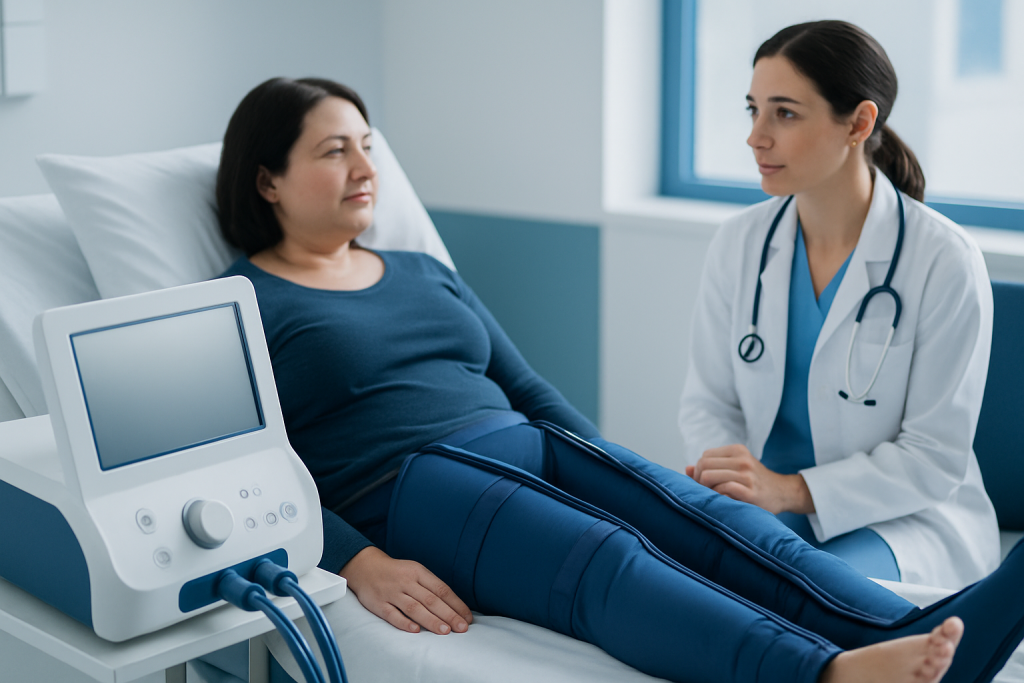
The earliest signs of lymphedema are often subtle. A person may notice mild swelling that comes and goes at first, or a sense of heaviness in a limb. Over time, the swelling may become more persistent and the affected area may feel tighter or less flexible.
Common symptoms can include:
- Swelling in an arm, leg, hand, foot, face, neck, or genital area
- Heaviness, tightness, or aching
- Reduced range of motion
- Hardening or thickening of the skin
- Clothing, shoes, or jewelry fitting differently on one side
Skin changes matter because lymphedema can make the area more vulnerable to irritation and infection. Some people also notice repeated episodes of redness, warmth, or tenderness, which should be discussed with a clinician promptly.
Causes & Risk Factors
Lymphedema can be primary or secondary. Primary lymphedema is related to an inherited or developmental problem in the lymphatic system. Secondary lymphedema is more common and happens when lymph vessels or nodes are damaged or blocked.
Possible causes and risk factors include surgery that removes or injures lymph nodes, radiation therapy, cancer itself, infection, trauma, burns, and significant scarring. In some people, being overweight, having repeated infections, or reduced mobility can add strain to lymph flow and make swelling more likely.
In a practical sense, the cause may be linked to a recent treatment course, but it can also appear months or even years later. That is one reason a detailed medical history is so important. For patients seeking care abroad, bringing previous surgery notes, pathology reports, or imaging results can help the specialist understand the likely origin more quickly.
Diagnosis
Diagnosis usually begins with a conversation about symptoms, past surgeries, cancer treatment, infections, injuries, and family history. A clinician will examine the swollen area and look for signs that suggest lymphedema rather than another cause of swelling, such as venous disease or heart, kidney, or liver problems.
In many cases, the physical examination provides strong clues. The clinician may compare limb size, check skin condition, and assess whether the swelling pits when pressed. Depending on the situation, additional tests may be used to clarify the diagnosis or rule out other conditions.
These may include ultrasound, lymphatic imaging studies, or other scans when the pattern of swelling is unclear. Blood tests are sometimes ordered to look for other causes of swelling or to guide overall care. A careful diagnosis is especially useful for international patients, since treatment plans often need to be coordinated across different healthcare systems.
Treatment Options
Treatment is usually individualized and often works best when several approaches are combined. The central aim is to reduce fluid buildup and prevent the condition from worsening. Many people benefit from a structured program known as complete decongestive therapy, which may include compression, manual lymphatic drainage, exercise, and skin care.
Compression is one of the main tools used to control swelling. Depending on the area involved, this may involve compression garments, wraps, or bandaging. Gentle movement and targeted exercises can also help encourage lymph flow, while manual lymphatic drainage is a specialized massage technique performed by trained professionals.
In some cases, additional treatment is needed. If swelling is caused or worsened by infection, that infection must be treated promptly. Selected patients may be considered for surgical options, especially when conservative treatment does not provide enough relief. Surgery is not the first step for everyone, but it can be discussed in specialized centers when appropriate.
The best plan depends on the stage of swelling, the body area involved, the person’s overall health, and the underlying cause. For people traveling for medical care, it is often helpful to leave with a clear written plan for compression, wound or skin care, exercises, and follow-up timing.
Prevention & Self-care
Not all cases of lymphedema can be prevented, but certain habits may lower the risk of worsening swelling and make daily life more manageable. Protecting the skin is especially important because even small cuts, scratches, or burns can become a problem if fluid drainage is already impaired.
Helpful self-care steps may include:
- Moisturizing the skin regularly to reduce cracking
- Cleaning and protecting cuts or insect bites promptly
- Wearing compression as prescribed
- Staying physically active with clinician-approved exercises
- Avoiding very tight clothing or accessories on the affected area
- Maintaining a healthy body weight if recommended by the care team
Travel and long sitting periods can sometimes make swelling more noticeable, so patients who fly home after treatment should ask their care team about movement, hydration, and compression during the journey. Consistency matters more than perfection; even small daily habits can help protect results over time.
When to See a Doctor
Medical evaluation is important if swelling is new, unexplained, or affecting only one side of the body. A doctor should also be consulted if swelling develops after cancer surgery, radiation, injury, or an infection, since early treatment may help limit long-term changes.
Prompt attention is especially important if the swollen area becomes red, warm, painful, or more tense than usual, or if fever appears. These changes can indicate infection and should not be ignored. Sudden swelling, shortness of breath, or swelling in both legs should also be assessed to rule out other causes.
For patients coming from another country, it is sensible to arrange follow-up before traveling home, if possible. A specialist can help confirm the diagnosis, start treatment, and explain what changes should trigger a return visit or local medical review. Acibadem Health Point’s multidisciplinary specialists and JCI-accredited hospitals diagnose and treat lymphedema for international patients as part of coordinated care.
Living Well With Lymphedema
Living with lymphedema often means learning the body’s early warning signs and responding before swelling becomes harder to control. Many people find that once they understand their triggers, they can plan exercise, travel, work, and daily routines with more confidence.
Emotional adjustment is part of the process too. Visible swelling can be frustrating, and it may take time to get used to compression garments or therapy appointments. Support from a specialist team, family members, and local caregivers can make treatment feel more manageable, particularly when care is split between the treating country and the patient’s home country.
With the right diagnosis and a practical long-term plan, many people are able to maintain function and protect the affected area. Lymphedema may require ongoing attention, but it does not have to define daily life.
Frequently asked questions
Is lymphedema the same as ordinary swelling?
No. Ordinary swelling may come and go for many reasons, but lymphedema happens when lymph fluid cannot drain properly. It often becomes persistent and may gradually change the skin and tissue over time.
Can lymphedema be cured?
In many cases, lymphedema is a chronic condition rather than something that can be fully cured. However, it can often be managed well with compression, exercise, skin care, and specialist follow-up.
Why does lymphedema sometimes appear long after surgery or cancer treatment?
The lymphatic system can be affected in ways that do not show up immediately. Swelling may begin later if the remaining lymph pathways become overloaded, scarred, or less efficient over time.
What kind of doctor treats lymphedema?
Care may involve vascular specialists, rehabilitation physicians, physical therapists, oncology teams, or surgeons depending on the cause and severity. Many patients do best with a multidisciplinary team.
Can exercise make lymphedema worse?
Appropriate exercise usually supports lymph flow and can be helpful. The key is to choose movements recommended by the care team and increase activity gradually, especially if swelling is newly diagnosed.
What should an international patient ask before traveling home after treatment?
It is helpful to ask how to use compression, how to care for the skin, which exercises are safe, and what warning signs require medical attention. A clear follow-up plan makes it easier to continue care after travel.
References
- National Cancer Institute
- Mayo Clinic
- NHS
- International Society of Lymphology
This article is for general information only and is not a substitute for professional medical advice. Please consult a qualified doctor about your individual situation.
More from the Health Library


Related Specialists

Prof. Dr. Yüksel Ersoy
Physical Medicine & Rehabilitation
Assoc. Prof. Dr. Mustafa Taş
Gynecology & Obstetrics
Dr. Ferhat Erdem Uğraş
General Surgery
Dr. Sadettin Dolar
Internal Medicine