Lumbar Radiculopathy: Symptoms, Causes and Treatment

Key Takeaways
- Lumbar radiculopathy is caused by irritation or compression of a nerve root in the lower back.
- Pain may travel from the back into the buttock, thigh, calf, or foot and can be accompanied by numbness or weakness.
- Diagnosis is based on history, physical examination, and sometimes imaging or nerve tests.
- Many people improve with rest from aggravating activities, medication, physical therapy, and time.
- Urgent medical attention is needed if there is major weakness, loss of bladder or bowel control, or numbness in the groin area.
Medically reviewed by the Acıbadem clinical team — August 19, 2026
Lumbar radiculopathy happens when a nerve root in the lower spine becomes irritated or compressed, often causing pain that travels into the buttock, leg, or foot. Understanding the pattern of symptoms and getting the right evaluation can help guide effective treatment and recovery.
Overview
Lumbar radiculopathy is a condition in which one of the nerve roots in the lower spine becomes irritated, inflamed, or compressed. Because these nerves help carry signals between the brain, spinal cord, and legs, symptoms often follow a clear path from the back into the lower limb rather than staying in one place.
People sometimes describe it as a “pinched nerve,” and in everyday language it is often grouped with sciatica. That said, sciatica is a symptom pattern, while lumbar radiculopathy refers more specifically to nerve root involvement in the lumbar spine. The distinction matters because the cause, the exact nerve affected, and the best treatment plan may differ from person to person.
For international patients, this condition is usually evaluated by a specialist after a detailed symptom review and examination. The goal is not only to reduce pain, but also to understand whether the nerve is recovering normally or whether a structural problem such as a disc herniation or narrowing of the spinal canal needs more targeted care.
Symptoms
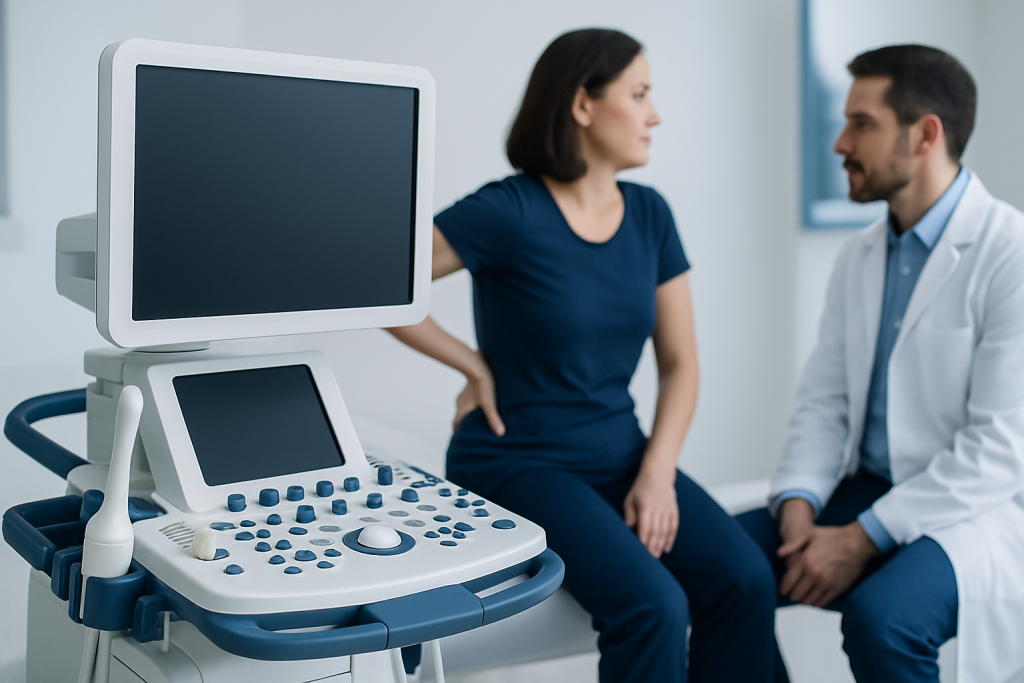
The most familiar symptom is pain that starts in the lower back or buttock and travels down the leg. The pain may feel sharp, burning, shooting, or electric, and it often becomes more noticeable with sitting, bending, coughing, or certain twisting movements.
Many people also notice sensory changes. These can include numbness, tingling, a “pins and needles” feeling, or reduced sensation in part of the leg or foot. The exact area involved can offer clues about which nerve root is affected.
Other possible features include:
- Muscle weakness in the leg or foot
- Difficulty lifting the foot or standing on tiptoe or heel
- Pain that worsens after prolonged sitting or walking
- Back stiffness along with leg symptoms
Symptoms do not always appear in a textbook pattern. Some people mainly feel leg pain with only mild back discomfort, while others notice weakness or numbness more than pain. If symptoms are changing quickly, a medical assessment becomes more important.
Causes & Risk Factors
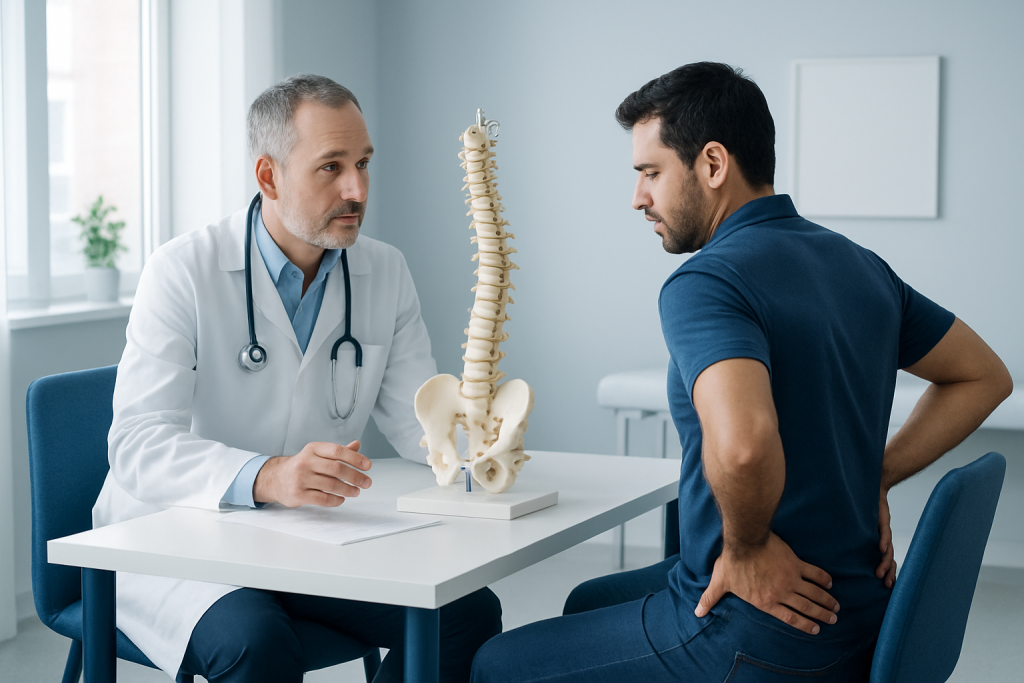
Lumbar radiculopathy usually develops when a nerve root is compressed or irritated by nearby spinal structures. One of the most common causes is a herniated disc, in which disc material pushes outward and presses on a nerve. Another frequent cause is degenerative change in the spine, where age-related wear can narrow the spaces through which nerves travel.
Other possible causes include spinal stenosis, bone spurs, spondylolisthesis, injury, or less commonly infection, inflammation, or a mass affecting the spinal area. The same type of pain can have different roots, so the exact cause should be identified rather than assumed.
Risk is often higher in people with jobs or hobbies that involve repeated lifting, bending, vibration, or prolonged sitting. Smoking, excess body weight, poor core strength, and a history of back problems may also increase strain on the spine. In some travelers, long flights or extended periods of sitting can make symptoms more noticeable, especially if a pre-existing nerve irritation is already present.
Diagnosis
Diagnosis begins with a careful history. A clinician will ask where the pain starts, where it travels, what makes it better or worse, and whether there is numbness, weakness, or changes in walking. This pattern often gives an early indication of which nerve root may be involved.
A physical examination usually includes checking strength, reflexes, sensation, posture, and movement. The clinician may use specific maneuvers to see whether the symptoms are reproduced by tension on the nerve, which can help distinguish radiculopathy from other causes of back or leg pain.
Imaging is not always required right away, especially when symptoms are mild and improving. However, magnetic resonance imaging is commonly used when pain is severe, symptoms persist, there is weakness, or surgery is being considered. In selected cases, X-rays, CT scans, or nerve studies may be used to clarify the diagnosis or rule out other problems.
For patients traveling from abroad, it is helpful to bring prior reports, imaging discs, medication lists, and a short timeline of symptoms. This allows the treating team to compare findings efficiently and plan the next step without repeating unnecessary tests.
Treatment Options
Treatment depends on the underlying cause, the severity of symptoms, and whether there is weakness or nerve loss. Many cases improve over time with conservative care, especially when the nerve is not under ongoing severe pressure.
Initial treatment often focuses on relieving pain while keeping the person safely active. A doctor may recommend short periods of relative rest, movement within comfort limits, anti-inflammatory or pain-relief medicines when appropriate, and physical therapy to improve posture, flexibility, and trunk support. Heat, cold, and activity modification can also help in day-to-day recovery.
If symptoms persist or are more intense, other options may be considered. These can include epidural steroid injections in selected cases to reduce nerve inflammation, or consultation with a spine specialist if there is significant compression. Surgery may be recommended when pain remains disabling despite treatment, when weakness is progressing, or when the nerve is at risk of lasting damage.
Because the right plan depends on the cause and on neurological findings, treatment is usually individualized rather than step-based for everyone. A patient who is traveling for care may benefit from a coordinated assessment that combines imaging review, specialist consultation, and rehabilitation planning so the recovery path is clear before returning home.
Prevention & Self-care
Not every episode of lumbar radiculopathy can be prevented, especially when the cause is related to spine degeneration or an unexpected disc problem. Still, everyday habits can reduce strain on the lower back and support recovery.
Helpful self-care measures include maintaining gentle activity as advised, avoiding long uninterrupted sitting, using good lifting technique, and keeping the back and core muscles conditioned with guidance from a clinician or physiotherapist. Sleep positions that reduce pressure on the lower spine may also make nights easier.
Other practical steps include:
- Taking short walks instead of staying in one position for long periods
- Using ergonomic support at work or while traveling
- Staying hydrated and maintaining a healthy body weight
- Stopping smoking, which can affect spinal disc health and healing
For people recovering after treatment abroad, following the home program matters. Written exercise instructions, warning signs to watch for, and a plan for follow-up with a local doctor can make the transition smoother once the traveler returns home.
When to See a Doctor
Medical evaluation is wise if leg pain is persistent, severe, or recurring, especially when it is accompanied by numbness or weakness. Even if symptoms seem manageable, a doctor can help confirm whether the source is a nerve root problem or something else that needs different care.
Urgent medical attention is needed if there is new or rapidly worsening weakness, difficulty walking, numbness in the groin or inner thighs, or loss of bladder or bowel control. These findings may signal a serious pressure on the nerves and should not be ignored.
People who are considering treatment abroad often want clarity before traveling. In that situation, it is reasonable to seek a specialist review of symptoms, imaging, and goals of care so the next steps are realistic and safe. Acibadem Health Point’s multidisciplinary specialists and JCI-accredited hospitals diagnose and treat lumbar radiculopathy for international patients, with coordinated support before and after treatment.
Living With Lumbar Radiculopathy
Recovery is often gradual, and it can help to think in terms of function as much as pain. Some people notice improvement in sleeping, walking, or sitting before the nerve pain disappears completely. Small gains matter, especially when they allow a return to normal routines in a safer way.
Follow-up is important if symptoms last longer than expected or if they come back after improvement. A clinician may adjust the rehabilitation plan, review whether more imaging is needed, or consider another treatment if the original cause has not settled.
With the right evaluation and a plan tailored to the cause, many people with lumbar radiculopathy are able to regain comfort and mobility. The key is to match the treatment to the nerve problem rather than simply masking the pain.
Frequently asked questions
Is lumbar radiculopathy the same as sciatica?
They are related, but not identical. Sciatica is a symptom pattern that usually means pain traveling along the sciatic nerve area, while lumbar radiculopathy refers to irritation or compression of a specific nerve root in the lower spine. A doctor can help determine which term best fits the cause.
Does lumbar radiculopathy always require surgery?
No. Many people improve with conservative treatment such as activity modification, physical therapy, and time. Surgery is usually considered only when symptoms are severe, do not improve, or there is significant weakness or nerve compression.
What kind of doctor treats lumbar radiculopathy?
This condition may be assessed by an orthopedist, neurologist, physiatrist, or spine specialist, depending on the healthcare setting. Physical therapists often play a major role in recovery once a treatment plan is in place.
What tests are most useful for diagnosis?
The physical examination and symptom pattern are often the starting point. MRI is commonly used when symptoms are significant, persistent, or associated with weakness, while other tests may be added if the diagnosis is unclear.
When should someone seek urgent help?
Urgent care is important if there is new leg weakness, trouble controlling bladder or bowel function, or numbness in the groin or inner thighs. These signs can point to a serious nerve problem that needs prompt assessment.
References
- Mayo Clinic
- National Institute of Neurological Disorders and Stroke
- American Academy of Orthopaedic Surgeons
- Cleveland Clinic
- World Health Organization
This article is for general information only and is not a substitute for professional medical advice. Please consult a qualified doctor about your individual situation.
Joint and spine care in Turkey — expert assessment & treatment
JCI-accredited · board-certified surgeons · reply within 24h
Add us as a Preferred Source to see more of our trusted health content across Google Search, AI Overviews and Discover.