Low MCH Blood Test: Causes and What It Means

Key Takeaways
- MCH measures the average amount of hemoglobin in each red blood cell.
- A low MCH often appears with microcytic anemia, especially iron deficiency, but it has several possible causes.
- Symptoms may include tiredness, weakness, pale skin, shortness of breath, or dizziness, though some people feel well.
- Doctors usually interpret MCH alongside hemoglobin, MCV, RDW, and iron studies to find the reason behind the result.
- Treatment depends on the cause and may include diet changes, iron replacement, or evaluation for blood loss or other underlying conditions.
A low MCH blood test result means each red blood cell contains less hemoglobin than expected. It is not a diagnosis on its own, but it can point toward common conditions such as iron deficiency or certain types of anemia that deserve further evaluation.
Overview
MCH stands for mean corpuscular hemoglobin. It is one of the measurements reported on a complete blood count, or CBC, and it describes the average amount of hemoglobin inside a red blood cell. Hemoglobin is the protein that carries oxygen around the body, so this number gives clinicians a helpful clue about how efficiently red blood cells are doing their job.
When MCH is low, the red blood cells contain less hemoglobin than expected. That finding often goes hand in hand with smaller-than-usual red blood cells and may suggest a form of anemia, but the number itself does not explain why the change happened. A low MCH is best understood as a signal to look more closely, not as a final diagnosis.
For patients reviewing laboratory results from another country or a pre-travel health check, this can be confusing. The value may look alarming on its own, yet many causes are common and treatable once a doctor connects the CBC to the rest of the medical picture. The most useful next step is usually a conversation about symptoms, diet, medications, menstrual history, and any signs of bleeding or chronic illness.
Symptoms
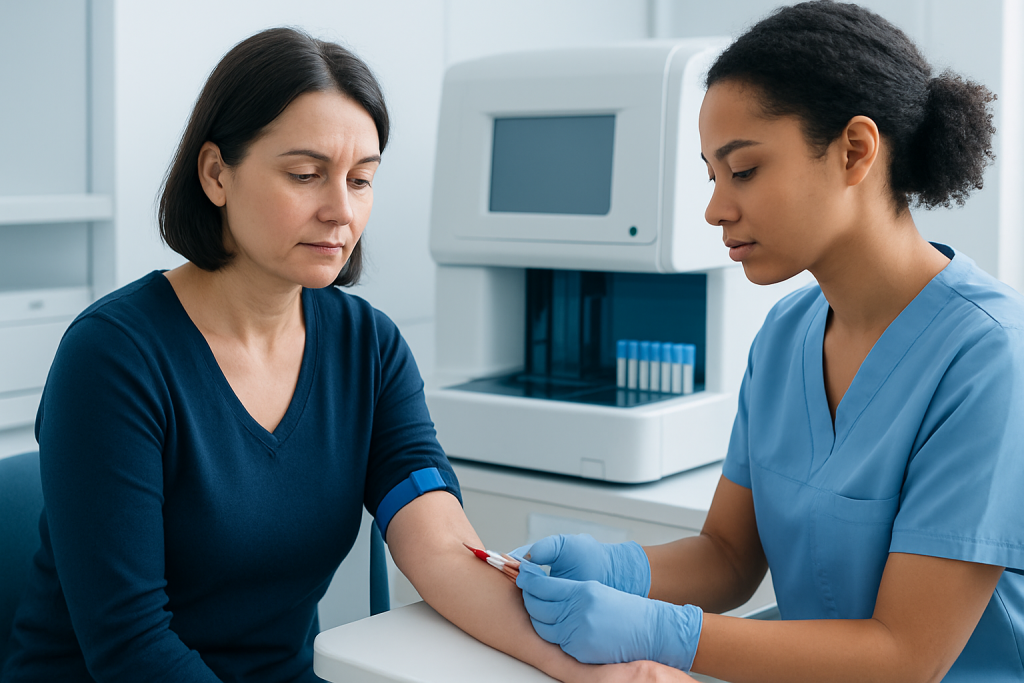
Some people with a low MCH have no symptoms at all, especially if the change is mild or found early. Others notice signs that reflect reduced oxygen delivery to the body, since hemoglobin is the molecule that carries oxygen in red blood cells.
Common symptoms associated with the underlying problem may include:
- Fatigue or low energy
- Weakness or reduced exercise tolerance
- Pale skin or inner eyelids
- Shortness of breath with activity
- Dizziness or lightheadedness
- Headaches
- Rapid heartbeat or palpitations
These symptoms are not specific to low MCH alone. They can appear in many conditions, which is why doctors look at the full blood count and the person’s overall health rather than relying on a single laboratory value.
Causes & Risk Factors

Low MCH is most often linked to conditions that reduce hemoglobin production in red blood cells. Iron deficiency is a frequent cause because iron is essential for making hemoglobin. When iron stores run low, red blood cells may become smaller and carry less hemoglobin, leading to a low MCH reading.
Other possible causes include thalassemia trait and some chronic illnesses that interfere with red blood cell production or iron use. Less commonly, long-term blood loss, poor absorption of nutrients, pregnancy, restrictive diets, or certain digestive conditions can contribute to the pattern seen on the CBC.
Factors that can raise the chance of a low MCH result include:
- Heavy menstrual bleeding
- Gastrointestinal bleeding, sometimes hidden
- Low iron intake
- Pregnancy, due to higher iron needs
- Inflammatory or chronic medical conditions
- Family history of inherited blood disorders
Because the list is broader than many people expect, a doctor will often ask about symptoms, family background, eating patterns, and any recent surgery, pregnancy, or digestive changes. This helps separate simple nutritional deficiency from causes that need more specific care.
Diagnosis
A low MCH result is usually found on a CBC, often during a routine checkup or when someone is being evaluated for tiredness or suspected anemia. The number is interpreted together with other CBC values, especially hemoglobin, hematocrit, MCV (mean corpuscular volume), and RDW, which together show whether red blood cells are small, varied in size, or reduced in number.
If the pattern suggests iron deficiency or another blood disorder, a clinician may order additional tests such as ferritin, serum iron, transferrin saturation, reticulocyte count, or tests for hidden blood loss. In some situations, especially when inherited conditions are possible, hemoglobin electrophoresis or other specialized studies may be used.
The diagnostic process is often more about asking the right questions than rushing to a single label. A doctor may review menstrual history, dietary intake, digestive symptoms, medication use, and recent travel or illness. For international patients arranging care abroad, bringing previous lab reports and medication lists can make the evaluation more efficient and help the team compare trends over time.
Treatment Options
Treatment depends entirely on the cause of the low MCH. If iron deficiency is confirmed, the main goals are to restore iron stores and identify why they became low in the first place. That may involve dietary guidance, iron replacement prescribed by a clinician, or further testing for blood loss or malabsorption.
When the result is related to an inherited condition such as thalassemia trait, treatment may be limited to monitoring and education rather than iron therapy. This distinction matters, because not every low MCH should be treated the same way. Taking iron without confirming a deficiency is not a good idea, since it may not help and can occasionally create other problems.
In more complex cases, the plan may include treating an underlying inflammatory illness, adjusting medicines that contribute to blood loss, or coordinating care with specialists such as hematologists or gastroenterologists. For patients traveling internationally for evaluation, a coordinated plan can be especially helpful because it supports safe treatment decisions, follow-up testing, and continuity of care after returning home.
Prevention & Self-care
Not every cause of low MCH can be prevented, especially inherited blood disorders. Still, people can lower the risk of iron deficiency by eating a balanced diet that includes iron-rich foods such as lean meats, beans, lentils, tofu, leafy greens, and fortified grains. Pairing iron-containing foods with vitamin C-rich foods may help the body absorb iron more effectively.
Self-care also means paying attention to symptoms that persist. Ongoing fatigue, unusually heavy periods, frequent stomach discomfort, or a change in bowel habits can be clues that the body is losing blood or not absorbing nutrients well. Keeping a simple symptom and medication list can be very useful during medical visits, particularly if care is being coordinated across borders.
Other practical steps include following through with recommended lab tests, taking prescribed supplements exactly as directed by a qualified clinician, and avoiding self-diagnosis based on a single CBC result. A low MCH is best approached as a puzzle piece; the full picture is what guides prevention and long-term care.
When to See a Doctor
It is sensible to speak with a doctor whenever a blood test shows low MCH, especially if it appears with low hemoglobin, low MCV, or symptoms of anemia. A non-urgent appointment is often enough when the person feels well, but the result should still be reviewed so the cause can be identified and treated appropriately.
Medical attention should be sought sooner if there is noticeable shortness of breath, chest pain, fainting, black or bloody stools, very heavy menstrual bleeding, or severe weakness. These signs may indicate significant anemia or blood loss and deserve prompt evaluation.
For people planning treatment abroad, this is the stage where a well-organized second opinion or specialist review can be helpful. Acibadem Health Point supports international patients with multidisciplinary specialists and JCI-accredited hospitals that diagnose and treat conditions linked to low MCH in a structured, patient-centered way.
Living With the Result: What Follow-Up Usually Looks Like
Many patients feel uncertain after seeing a low MCH on a report, especially when the number was discovered during a pre-trip exam or a routine check far from home. In practice, follow-up is usually straightforward: confirm whether anemia is present, identify the cause, and decide whether treatment, monitoring, or additional testing is needed.
If the diagnosis is iron deficiency, improvement is often tracked with repeat blood work after a period of treatment. If the cause is an inherited blood condition, the focus may shift to education, family counseling, and avoiding unnecessary supplements. Either way, a clear plan helps reduce uncertainty and makes it easier to continue care after travel or treatment has ended.
Keeping copies of laboratory results, imaging reports, and specialist notes can make future appointments more efficient. That is especially useful for patients who move between healthcare systems, since a low MCH result is rarely meaningful in isolation and is best interpreted alongside prior results and clinical history.
Frequently asked questions
What does a low MCH mean on a blood test?
Low MCH means the average amount of hemoglobin in each red blood cell is below the expected range. It often suggests a type of anemia, but it does not identify the exact cause by itself. Doctors usually interpret it alongside other CBC values and, when needed, iron studies or other tests.
Is low MCH the same as iron deficiency?
Not always. Iron deficiency is a common cause, but low MCH can also be seen with inherited blood conditions such as thalassemia trait or with some chronic illnesses. A doctor may order additional tests to tell the difference.
Can low MCH happen without symptoms?
Yes, especially when the change is mild or found early. Some people only learn about it from routine blood work. Others may notice fatigue, weakness, or shortness of breath if anemia is also present.
Should iron supplements be taken for low MCH?
Iron supplements should not be started just because MCH is low. They are helpful when iron deficiency is confirmed, but they may not address other causes. A clinician can advise whether iron is appropriate and whether further evaluation is needed.
What other test results are checked with MCH?
Doctors often look at hemoglobin, hematocrit, MCV, RDW, ferritin, and sometimes iron studies or hemoglobin electrophoresis. Together, these tests help explain whether red blood cells are small, underfilled with hemoglobin, or affected by another condition.
When is low MCH urgent?
It is more urgent if low MCH is paired with chest pain, fainting, black or bloody stools, severe weakness, or shortness of breath at rest. Those symptoms can point to significant anemia or blood loss and should be assessed promptly.
References
- MedlinePlus
- Mayo Clinic
- Cleveland Clinic
- World Health Organization
- National Heart, Lung, and Blood Institute
This article is for general information only and is not a substitute for professional medical advice. Please consult a qualified doctor about your individual situation.