Pregnant Hand Foot And Mouth

Key Takeaways
- Hand, foot and mouth disease is caused by a virus and commonly leads to fever, mouth sores, and a rash on the hands or feet.
- In pregnancy, the infection is often mild, but symptoms should still be discussed with a doctor to confirm the diagnosis and rule out other illnesses.
- Treatment focuses on comfort, hydration, fever control with pregnancy-safe guidance, and rest.
- Good handwashing and avoiding contact with infected people can help reduce spread at home and in the community.
- A doctor should be contacted promptly if fever is persistent, drinking becomes difficult, or there are concerns about fetal movements or pregnancy-related complications.
Hand, foot and mouth disease is usually a mild viral infection, but pregnancy can make any new illness feel more worrying. Most cases are managed with supportive care and medical guidance, while attention to hygiene and symptom monitoring helps protect both mother and baby.
Overview
Hand, foot and mouth disease (HFMD) is a common viral infection that usually spreads through close contact, respiratory droplets, and contaminated surfaces. It is most often associated with young children, but adults can catch it too, including during pregnancy.
For someone who is pregnant, the main question is rarely whether HFMD can be treated, because it usually improves on its own. The more important issues are confirming that the symptoms truly fit HFMD, making sure hydration and fever are managed safely, and watching for signs that another infection may be present instead.
HFMD is generally considered a self-limited illness. Even so, pregnancy is a time when new rashes, mouth pain, or fever deserve careful attention, especially if the person has had recent exposure to a child at home, in daycare, or through travel.
Symptoms
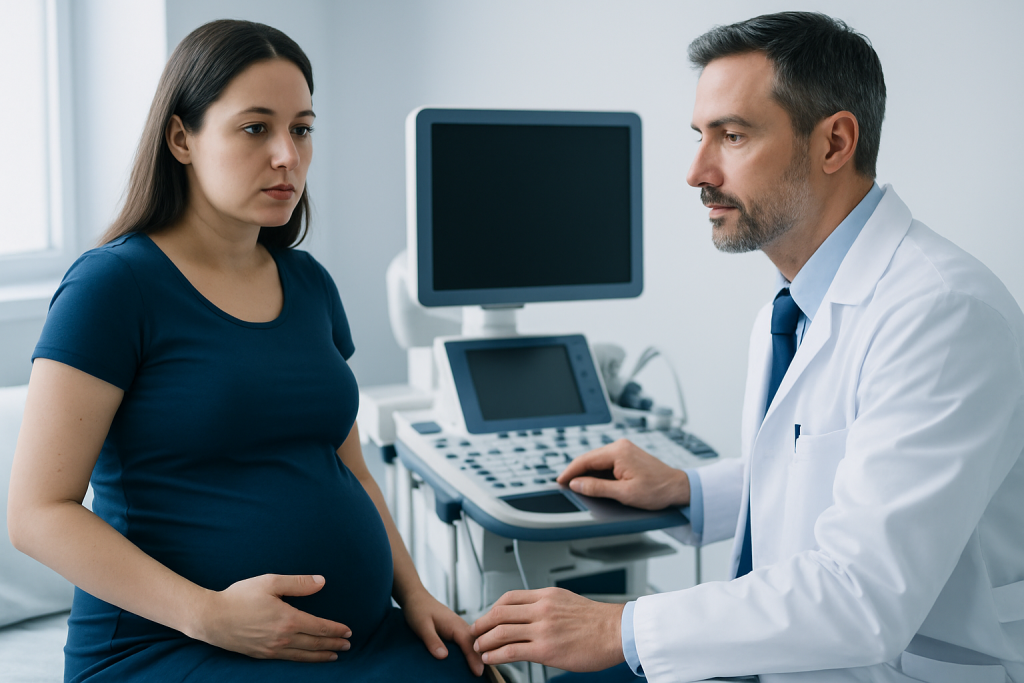
HFMD often begins with a mild fever, sore throat, reduced appetite, and a feeling of being unwell. Within a day or two, painful mouth spots or small ulcers may appear, followed by a rash on the hands, feet, or sometimes the buttocks or legs.
The rash can look like flat red spots, small blisters, or a mix of both. In adults, symptoms may be less typical than in children, which can make the illness easier to confuse with other viral infections, allergies, or even pregnancy-related skin changes.
When pregnancy is involved, mouth pain and fever can become more troublesome because they may reduce fluid intake and worsen fatigue. A doctor should be contacted if symptoms are severe, if swallowing is difficult, or if the rash spreads quickly or looks unusual.
Causes & Risk Factors
HFMD is caused by several viruses, most commonly coxsackieviruses. It spreads when someone comes into contact with saliva, mucus, stool, blister fluid, or contaminated objects such as utensils, toys, phones, and shared surfaces.
Pregnancy itself does not cause HFMD, but certain daily situations can increase exposure. Living with young children, working in childcare or school settings, sharing close quarters, and frequent contact with a sick household member can all raise the chance of catching the virus.
Travel may also matter if it increases exposure to crowded environments, sleep disruption, or limited access to rest and hydration. The condition is not usually linked to eating habits or routine prenatal vitamins, and it is not the same as hand dermatitis or a medication allergy.
Diagnosis
Diagnosis usually begins with a clinical assessment. A doctor reviews the timing of fever, mouth sores, rash location, exposure to sick contacts, and any pregnancy-specific concerns such as dehydration or reduced fetal movement.
In many cases, no special test is needed because the appearance and pattern of symptoms point to HFMD. If the presentation is unclear, testing may be considered to rule out other causes of rash and fever, especially when chickenpox, herpes infections, strep throat, or other viral illnesses are possible.
For pregnant patients, it is useful to mention how many weeks along the pregnancy is, whether the person has had contact with children who were ill, and whether there are any warning signs such as high fever, severe headache, or inability to drink enough fluids. These details help guide safe care decisions.
Treatment Options
There is no specific cure for HFMD, so treatment focuses on easing symptoms while the body clears the virus. Rest, fluids, and comfort measures are usually the foundation of care, and most people improve without hospital treatment.
Because pregnancy adds another layer of caution, any medicine for fever or pain should be discussed with a doctor or obstetric team before use. The goal is to choose options that are considered safe in pregnancy and to avoid self-medicating with products that may not be appropriate.
Supportive care may include:
- Frequent sips of water, oral rehydration solutions, or other tolerated fluids
- Soft, cool foods if mouth sores make eating uncomfortable
- Rest and reduced physical strain
- Pregnancy-approved fever control as advised by a clinician
- Attention to oral comfort, such as avoiding acidic or spicy foods
If dehydration becomes a concern, medical evaluation may be needed. In some situations, especially if symptoms are severe or the diagnosis is uncertain, the clinician may recommend in-person assessment or additional follow-up during pregnancy.
Prevention & Self-care
Prevention is centered on reducing contact with the virus. Thorough handwashing with soap and water is one of the most effective habits, especially after changing diapers, using the bathroom, cleaning nasal secretions, or touching shared surfaces.
People who are pregnant may also benefit from being selective about close contact when a household member is ill. Avoiding shared cups, utensils, towels, and lip products can help limit spread, as can regular cleaning of commonly touched surfaces.
For self-care during a possible infection, it helps to keep a simple routine: rest, sip fluids often, and monitor fever and symptom progression. If the person is traveling for pregnancy care, they should carry a list of current medications, a copy of prenatal records if available, and the contact details of their obstetric provider so follow-up is easier if symptoms change.
When To See a Doctor
Medical advice should be sought if a pregnant person has fever, a new rash, mouth ulcers, or known exposure to HFMD and is unsure whether symptoms fit this condition. This is especially important because rashes and fevers in pregnancy can have several different causes.
Prompt evaluation is recommended if the person cannot drink enough fluids, feels lightheaded, has signs of dehydration, develops severe pain, or notices that the rash or fever is worsening rather than improving. Any concern about decreased fetal movement, contractions, or other pregnancy-related symptoms should also be discussed right away.
Emergency assessment may be needed for breathing difficulty, confusion, persistent high fever, or signs of a more serious infection. For international patients, timely coordination with a qualified obstetric or infectious-disease clinician can make the process smoother; Acibadem Health Point’s multidisciplinary specialists and JCI-accredited hospitals diagnose and treat this condition for international patients.
Living With The Illness During Pregnancy
Most pregnant people with HFMD recover well, and the illness typically resolves with supportive care. The experience can still be stressful, particularly when symptoms overlap with the normal discomforts of pregnancy such as fatigue, nausea, or reduced appetite.
A practical approach is to focus on what can be controlled: hydration, rest, infection control at home, and clear communication with the prenatal care team. If the person is recovering away from home, telemedicine or scheduled follow-up can help make sure the symptoms are settling as expected and that the pregnancy continues safely.
When symptoms are improving, there is usually no special long-term treatment needed. The main priority is avoiding spread to others and staying alert for any pregnancy-related changes that warrant reassessment.
Frequently asked questions
Can hand, foot and mouth disease affect pregnancy?
HFMD is usually a mild viral illness, and most pregnant people recover without complications. Even so, any fever or rash during pregnancy should be reviewed by a doctor to confirm the cause and make sure hydration and symptom control are handled safely.
Is hand, foot and mouth disease dangerous for the baby?
In most cases, HFMD does not cause serious problems in pregnancy. The main concern is the mother’s comfort, hydration, and making sure the illness is not something else that needs different treatment.
How is HFMD diagnosed in pregnancy?
Diagnosis is usually based on symptoms, exposure history, and the pattern of mouth sores and rash. Tests are sometimes used if the presentation is not clear or if another infection needs to be ruled out.
What can a pregnant person take for HFMD symptoms?
Supportive care is the main approach, but any medicine for fever or pain should be discussed with a clinician first. A doctor can advise on pregnancy-safe options and help avoid medications that are not suitable during pregnancy.
How long does hand, foot and mouth disease usually last?
Symptoms often improve within several days to about a week, though mouth sores and fatigue may linger a little longer. If symptoms are not easing or are becoming worse, medical review is a good idea.
Should pregnant people stay away from someone with HFMD?
If possible, close contact should be limited until the person is no longer contagious and hygiene measures are in place. Handwashing, not sharing utensils or towels, and cleaning surfaces can lower the chance of spread at home.
References
- World Health Organization
- Centers for Disease Control and Prevention
- American College of Obstetricians and Gynecologists
- Mayo Clinic
- National Health Service
This article is for general information only and is not a substitute for professional medical advice. Please consult a qualified doctor about your individual situation.