

Prominent Ears in Adults: When Surgery Is About Proportion, Not Just Appearance

Key Takeaways
- Prominent ears are typically a structural variation, not a disease.
- Adult otoplasty is often chosen for balance, confidence, and comfort with appearance.
- A careful consultation looks at ear shape, symmetry, and how the ears relate to the face.
- Recovery is usually straightforward, but swelling and temporary sensitivity are common.
- The best outcome is subtle improvement that fits the person’s features rather than drawing attention to the ears.
Medically reviewed by the Acıbadem clinical team — June 13, 2026
Otoplasty for Prominent Ears: Procedure and Healing" class="ahp-ilk">Prominent ears in adults are usually a matter of ear shape, position, and facial balance rather than a medical problem. When they cause self-consciousness or make clothing, glasses, or hairstyles feel limiting, otoplasty may help restore proportion in a subtle, natural way.
Overview
Prominent ears in adults often become noticeable not because the ears have changed, but because the person has spent years seeing them in mirrors, photos, or social situations. In most cases, the issue is one of proportion: the ears may sit a little farther from the head, fold differently, or appear more visible from the front than expected.
For many adults, this is not a medical problem in the usual sense. It becomes a personal concern when it affects confidence, hairstyle choices, the way glasses fit, or how comfortably someone feels in professional and social settings. Otoplasty, also called ear reshaping or ear pinning surgery, is designed to create a more balanced relationship between the ears and the rest of the face.
The goal is not to create identical ears or a dramatic change. A well-planned procedure aims for natural-looking refinement, especially in adults who want a result that feels discreet and aligned with their features. That distinction matters, because the most satisfying outcomes are often the ones that are noticed less, not more.
Symptoms
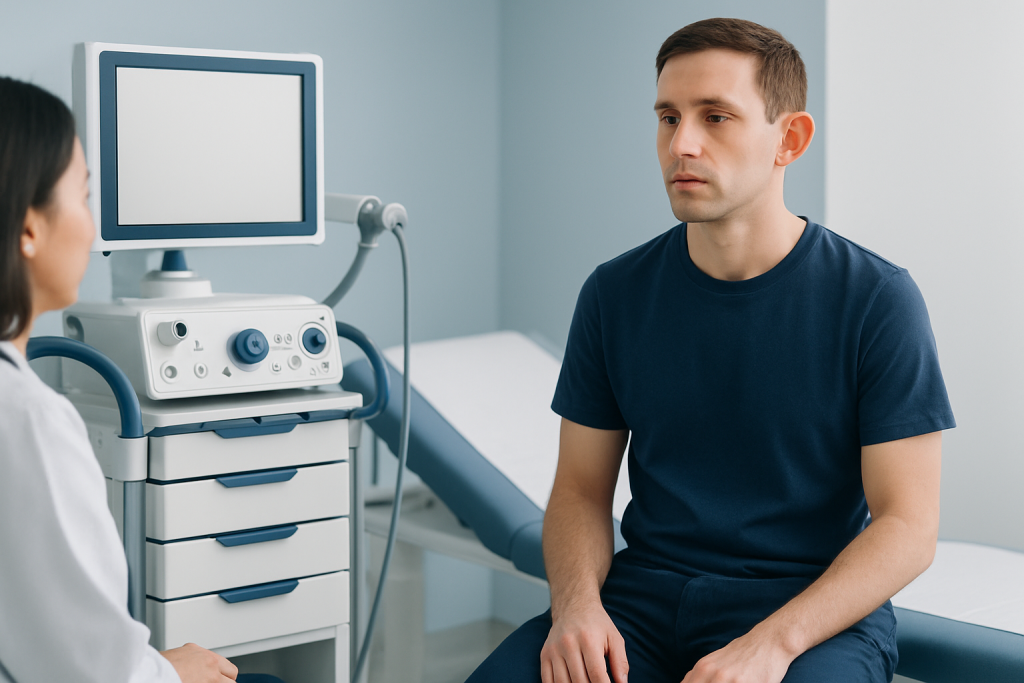
Prominent ears do not usually cause pain or hearing problems. The signs are mainly visual and emotional, and they may be more obvious in certain hairstyles, photographs, or angles. Some adults feel that their ears stand out too much from the side, or that one ear is more visible than the other.
Common concerns can include an underfolded upper ear, a large angle between the ear and the head, or a combination of size, shape, and projection. Sometimes the ears are structurally normal but appear prominent because of facial proportions or asymmetry elsewhere in the face.
- Ears that seem to project outward more than desired
- Visible asymmetry between the left and right ear
- Self-consciousness in profile views or photos
- Difficulty choosing hairstyles or accessories comfortably
- Awareness of the ears during social or work interactions
Because the issue is visible rather than painful, adults may delay seeking advice for years. A consultation can be helpful even when the person is still undecided, because understanding the anatomy often makes the options feel clearer and less emotionally charged.
Causes & Risk Factors

Prominent ears are usually caused by natural differences in ear development. The outer ear is shaped by cartilage folds that form before birth and continue to mature in early childhood. If one of those folds is less defined, or if the ear cartilage sits at a wider angle from the head, the ears may appear more prominent.
In adults, the condition is generally inherited and long-standing. It is not caused by habits, sleeping position, or ordinary daily activities. Some people notice the appearance more with age as facial contours change slightly, but the ear shape itself is usually the main factor.
Risk factors are mostly genetic and anatomical rather than lifestyle-related. Family members may share similar ear shape or projection, and some adults have a combination of features such as one side being more prominent or the upper ear being more open than the lower part.
There is no reliable way to prevent prominent ears if the cartilage structure formed that way. That said, understanding the cause can help patients move away from self-blame and toward practical decision-making about whether correction would improve comfort and confidence.
Diagnosis
Evaluation begins with a conversation about what the person notices and what change they hope to see. In adult cosmetic ear surgery, the most important question is often not whether the ears are prominent, but how much that appearance matters to the person and what kind of refinement would still look natural.
A surgeon typically examines the ears from the front, side, and back, paying attention to ear height, projection, cartilage folds, skin quality, and symmetry. The overall face is part of the assessment as well, because the most suitable plan depends on how the ears relate to the jawline, hairline, and facial width.
When adults travel for consultation or surgery, planning is also practical. The team may discuss how long the person should remain nearby for follow-up, what dressing changes are needed, and whether the trip schedule allows enough time for early recovery checks before heading home.
Key parts of the consultation may include:
- A review of general health, medications, allergies, and previous surgery
- Discussion of goals and realistic degree of change
- Measurement of ear position and cartilage features
- Explanation of incision placement and expected recovery
- Planning for aftercare, especially if the patient is returning to another country
Treatment Options
For adults who want a more balanced ear position, otoplasty is the main surgical option. The exact technique depends on the ear’s structure, but the basic aim is to reshape cartilage so the ear sits closer to the head or has a more defined fold. In some cases, both ears are adjusted to improve symmetry even if one side seems more prominent.
Surgery is usually performed with local anesthesia and sedation or general anesthesia, depending on the case and the treatment plan. Incisions are commonly placed behind the ear, where scars are less visible. The cartilage may be reshaped, folded, scored, or secured with sutures, depending on what the anatomy needs.
Adult patients often appreciate that the procedure is tailored rather than standardized. A subtle correction may be enough for one person, while another may need a more detailed reshaping to bring the ear into proportion from both front and side views. The approach should match the face, not an idealized template.
Non-surgical methods do not permanently change prominent ears in adults. Temporary camouflage with hairstyles, glasses, or accessories may help day to day, but when a structural change is wanted, surgery is generally the only lasting option. A consultation with a qualified plastic surgeon helps clarify whether the benefit is likely to be small and refined or more noticeable.
Recovery and What to Expect
Recovery after otoplasty is usually manageable, but it does require a little patience. The ears may feel tight, tender, or mildly swollen at first. A supportive dressing or headband is often used to protect the new shape and reduce accidental bending during the early healing period.
Adults often return to routine activities gradually, while avoiding pressure on the ears, vigorous exercise, or sleeping directly on the side too soon. The surgeon will give instructions about washing, dressing care, and when the protective band can be reduced or removed. These details matter, because the result depends not only on the surgery itself but also on how the first healing weeks are handled.
For international patients, follow-up planning should be clear before travel. It is useful to know which signs are expected, what can wait until the home country, and how to reach the team if something feels uncertain after departure. A good plan reduces stress and makes recovery feel more organized.
- Mild swelling and bruising are common early on
- Ear sensitivity may last for a few weeks
- Sleeping with the head elevated can be more comfortable
- Follow-up appointments help confirm healing and symmetry
Prevention & Self-care
Prominent ears themselves cannot be prevented in adulthood, but self-care can make the experience of considering surgery more comfortable. A thoughtful decision is usually better than a rushed one, especially when the goal is a subtle change rather than a dramatic transformation.
It helps to review photographs from several angles, think about whether the concern is mainly aesthetic or also emotional, and discuss expectations honestly with the surgeon. Adults who are clear about what bothers them, and what would still feel natural, often make more confident decisions.
After surgery, self-care focuses on protecting the shape while healing. This usually means avoiding pressure on the ears, following cleaning instructions carefully, and attending scheduled reviews even if recovery seems straightforward. Small steps taken consistently often support the best result.
Practical self-care habits may include:
- Choosing loose headwear that does not rub the ears
- Using pillows or positioning that avoids direct ear pressure
- Following wound-care instructions exactly as given
- Waiting for the surgeon’s advice before returning to heavy exercise
- Keeping follow-up contact information available during travel
When to See a Doctor
Adults may seek medical advice when prominent ears cause ongoing discomfort with appearance, interfere with daily confidence, or become a concern after years of living with the feature. A consultation is also reasonable if there is uncertainty about whether the ears are actually prominent or whether another facial feature is creating that impression.
It is sensible to see a qualified surgeon before making decisions based on online images or advice from friends. A personalized assessment can explain which changes are realistic, whether the ears can be balanced without looking overcorrected, and how recovery would fit with work, family, or travel plans.
After surgery, medical review is important if there is increasing pain, bleeding, significant swelling on one side, fever, or any change that seems out of proportion to the normal healing process. Most healing is uncomplicated, but questions should always be discussed rather than ignored.
Acibadem Health Point’s multidisciplinary specialists and JCI-accredited hospitals diagnose and treat prominent ears and other ear reshaping concerns for international patients, with an emphasis on careful planning and coordinated follow-up.
Frequently asked questions
Are prominent ears in adults a medical problem?
Usually, no. Prominent ears are most often a normal variation in cartilage shape and ear position. They become a concern when they affect confidence, comfort with appearance, or daily choices such as hairstyles and glasses.
What is otoplasty?
Otoplasty is surgery that reshapes the outer ear to improve its position, fold, or symmetry. In adults, it is commonly used to make prominent ears appear more balanced with the rest of the face.
Will ear surgery make the ears look unnatural?
The aim is usually the opposite: a natural, proportionate result. A skilled surgeon plans the correction around the person’s face so the ears look refined rather than overdone.
Is recovery from adult ear surgery difficult?
Recovery is generally manageable, but the ears can feel tender and look swollen for a while. Following aftercare instructions and avoiding pressure on the ears are important parts of healing.
Can prominent ears be corrected without surgery in adults?
Non-surgical methods may hide the ears temporarily, but they do not permanently change cartilage shape in adults. If a lasting structural change is desired, surgery is usually the main option.
How long should an international patient stay after surgery?
That depends on the procedure and the surgeon’s follow-up plan. It is wise to allow enough time for early review, dressing checks, and travel-safe recovery instructions before returning home.
References
- American Society of Plastic Surgeons
- British Association of Aesthetic Plastic Surgeons
- Mayo Clinic
- NHS
This article is for general information only and is not a substitute for professional medical advice. Please consult a qualified doctor about your individual situation.
More from the Health Library



Related Specialists

Dr. Serkan Tokgönül
Aesthetic Plastic & Reconstructive Surgery
Dr. Ömercan Yağız Öksüz
Aesthetic Plastic & Reconstructive Surgery
Prof. Dr. Mehmet Veli Karaaltın
Aesthetic Plastic & Reconstructive Surgery
Dr. Nezail Demirciler
Plastic, Reconstructive and Aesthetic Surgery