Eyelid Surgery Planning: When Puffiness, Hooding, or Brow Position Changes the Recommendation

Key Takeaways
- Puffiness, hooding, and brow position can each alter the appearance of tired or heavy eyelids.
- Upper eyelid surgery may need to be combined with brow treatment or a different technique altogether.
- A careful examination looks at skin, fat, muscle, lid crease, eye surface, and brow support.
- The best plan balances cosmetic goals with eyelid function and a natural facial expression.
- Recovery is usually straightforward, but follow-up matters for both healing and fine-tuning the result.
Eyelid surgery is not planned from the eyelids alone. Puffiness, hooding, and brow position can all change which procedure is likely to create a natural, functional, and lasting result. This article explains how specialists evaluate the whole upper face and why an individualized plan matters, especially for patients travelling for care.
Overview
Eyelid surgery is often described as a simple “tired eyes” procedure, but planning it well usually takes more than looking at the eyelid skin alone. A patient may notice puffiness, a heavy fold of skin, or makeup that no longer sits where it used to. Those changes can come from the eyelids themselves, from the fat pads beneath the skin, or from the brow sitting lower than expected.
That distinction matters because the recommended treatment may change completely depending on what is actually creating the heaviness. Some people benefit from upper eyelid surgery only, while others need brow repositioning, lower eyelid treatment, or a combination approach. The goal is not to make the face look “done,” but to restore openness and balance around the eyes in a way that still looks familiar.
For international patients, this sort of planning is especially important before travel. A consultation should clarify what can realistically be addressed in one stage, what recovery looks like away from home, and whether a longer evaluation is needed if brow position or eye surface comfort may affect the final result.
Symptoms and the Signs Patients Notice First
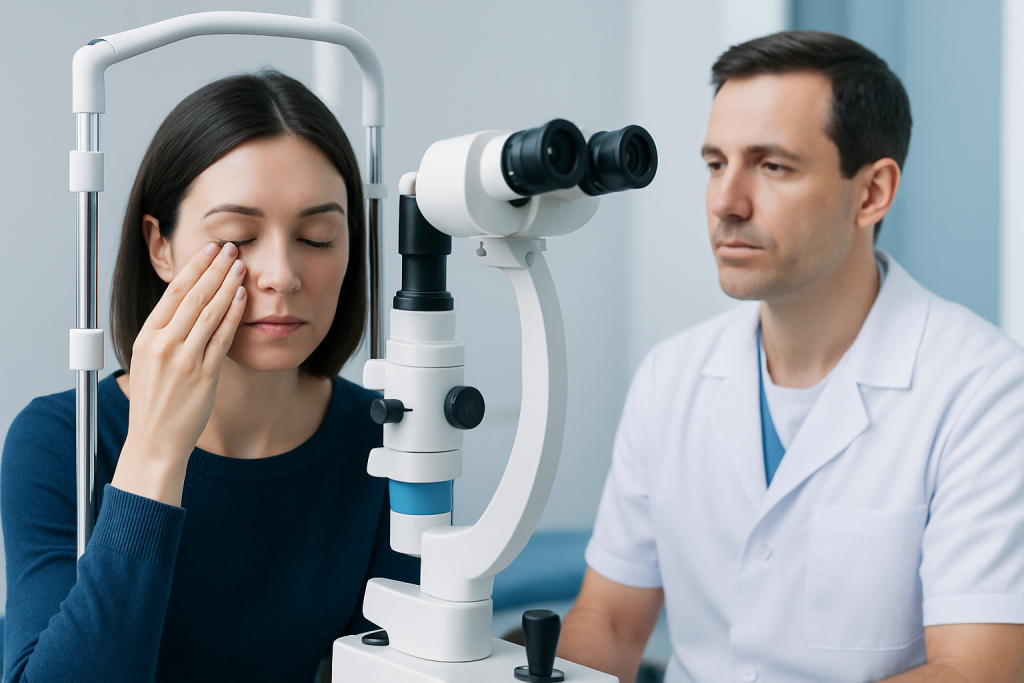
Patients often arrive with practical concerns rather than medical terms. They may say the eyelids feel heavy, that they look tired even after good sleep, or that the upper lid skin seems to fold over the lashes. In some cases, puffiness is most obvious in the morning and improves during the day, which can point toward fluid-related swelling rather than only excess skin.
Hooding is another common complaint. This happens when upper eyelid skin drapes over the natural crease or outer eyelid area, sometimes narrowing the visible lid space. People may notice that eye makeup disappears into the fold, that the outer corners appear smaller, or that they unconsciously raise the eyebrows to see better.
Other signs can include:
- Frequent eyebrow lifting to keep the eyes feeling open
- A deep or changing upper lid crease
- Asymmetry between the two eyes
- Lower eyelid bags or a shadowed under-eye transition
- Dryness, irritation, or the sense that the eyes do not close comfortably
These details are useful because they help the surgeon understand whether the main issue is skin excess, fat prominence, brow descent, or a functional concern that should be respected during planning.
Causes and Risk Factors

Several different changes can create the same overall impression of heaviness around the eyes. Age-related skin laxity is one of the most common. As the skin and supporting tissues become less elastic, the upper eyelids may become looser and the lower eyelids may show bulging fat more clearly.
Brow position is another major factor. When the brow gradually settles lower over time, the upper eyelid may appear crowded even if the actual eyelid skin is not excessively loose. In that situation, removing too much eyelid skin without addressing the brow can produce an unnatural look or leave the patient still feeling heavy in the outer upper lid.
Other factors can influence the plan as well:
- Genetic tendency toward puffiness or prominent fat pads
- Previous eyelid or brow surgery
- Sun exposure and skin quality changes
- Swelling related to allergies, salt intake, or fluid retention
- Thyroid eye disease or other medical conditions affecting eyelid position
For some patients, what looks like “extra skin” is actually a combination of mild brow descent and skin laxity. That is why a proper exam includes the brows, the eyelid crease, the forehead, and the eye surface rather than focusing on one feature alone.
How Specialists Diagnose the Real Source of the Heaviness
Planning starts with observation in a natural resting position. The surgeon will usually ask the patient to relax the forehead, look straight ahead, and then gently open the eyes. If the brow rises when the forehead relaxes, that may reveal a hidden brow descent that had been masking itself for years.
The upper eyelid is then assessed for skin quality, fat distribution, crease height, and whether any part of the lid blocks vision or just creates a cosmetic fold. The lower eyelids are reviewed too, because many patients who request “eyelid surgery” actually have combined upper and lower concerns. Photographs may be taken to compare symmetry and to help plan conservative tissue removal.
An eye-focused assessment is also important. Dry eye symptoms, contact lens use, prior LASIK, and the ability to close the eyes fully can affect surgical choices. If brow position is part of the issue, the surgeon may discuss whether a brow lift, brow support, or a more limited eyelid procedure is the better match.
For patients planning treatment abroad, a thorough preoperative consultation helps reduce surprises. It clarifies whether the recommendation is for one operation or a staged approach, and it gives time to discuss healing, follow-up visits, and how long the patient should remain nearby after surgery.
Treatment Options and Why the Recommendation May Change
The treatment plan is usually tailored to the main source of the problem. When the upper eyelid itself has excess skin and some fat fullness, upper blepharoplasty may be enough. When the brow has descended and is creating heaviness at the outer eye, addressing the brow can sometimes create a more balanced result than removing additional eyelid tissue.
In some patients, the best outcome comes from combining procedures. For example, a person with hooding, puffiness, and brow descent may need a measured amount of upper eyelid skin removal along with brow repositioning. This is not about doing more surgery; it is about matching the correction to the anatomy so the eye remains expressive rather than over-tightened.
Lower eyelid concerns are treated differently. Prominent under-eye bags may involve fat repositioning or contouring rather than simply removing skin. If puffiness is actually from swelling rather than structural fat, the recommendation may be to first rule out medical causes or stabilize the swelling before choosing a procedure.
Patients are often surprised that “less” can be the safer and more elegant choice. Overcorrection around the eyelids can affect closure, make the eyes look hollow, or emphasize brow strain. A careful surgeon will think in terms of balance, not just removal.
What Recovery Usually Involves
Recovery after eyelid surgery is usually manageable, but it still deserves planning. Swelling and bruising are common early on, and the area may feel tight or sensitive. Many patients can move around comfortably within a short time, yet they should allow enough time for the visible signs of surgery to settle before returning to social plans or long-haul travel.
Cold compresses, head elevation, and calm activity are commonly recommended in the early days, along with avoiding heavy lifting, rubbing the eyes, or strenuous exercise until the surgeon approves it. If brow work was included, there may be a different feeling of tightness across the forehead, which is another reason the operation plan should be explained clearly before surgery.
Healing is not just about how the eyelids look in the mirror. It is also about comfort, eye closure, tear film stability, and symmetry as the tissues soften. For international patients, follow-up scheduling matters. The patient should know when sutures are removed, when a wound check is needed, and what to do if swelling, dryness, or bruising seems to be progressing differently than expected.
Most patients can resume light routine activities fairly soon, but final refinement takes longer. The eyelids are delicate and expressive, so a gradual recovery is normal and should not be mistaken for an unsatisfactory result in the first days or weeks.
Prevention and Self-care Before and After Surgery
Good self-care cannot change the underlying anatomy, but it can support planning and recovery. Before surgery, patients should share a complete history of eye dryness, allergies, previous procedures, medications, and contact lens use. This information helps the surgeon avoid a plan that may interfere with eyelid function or healing.
In the days leading up to surgery, the medical team may recommend avoiding certain supplements or medicines that can increase bleeding risk, though patients should only change regular prescriptions with guidance from their own doctor. Sleep, hydration, and practical preparation also matter, especially when a patient is recovering away from home and needs a calm environment after discharge.
After surgery, simple habits make a difference:
- Follow wound-care instructions exactly as given
- Use eye drops or ointment only if prescribed
- Protect the eyes from rubbing, dust, and direct sun
- Wear sunglasses outdoors if advised
- Attend every follow-up visit, even if the recovery seems smooth
Patients with puffiness that fluctuates may also be advised to review allergy control, sleep positioning, and other general health factors. These steps do not replace surgery when tissue changes are structural, but they can help the result settle more comfortably.
When to See a Doctor
Medical evaluation is appropriate when eyelid heaviness begins to affect daily life, when one eyelid looks noticeably different from the other, or when a person keeps lifting the brows to see clearly. A consultation is also useful when the patient is unsure whether the problem is the eyelid, the brow, or both. That uncertainty is exactly what a specialist assessment is designed to resolve.
Prompt review is especially important if the eyelid change is new, painful, associated with redness, or accompanied by vision changes, double vision, or a sudden increase in swelling. Those signs do not always mean something serious, but they should be checked rather than assumed to be cosmetic aging.
Patients seeking care internationally benefit from a surgeon who can explain the anatomy in plain language and map the treatment realistically across travel and recovery. Acibadem Health Point’s multidisciplinary specialists and JCI-accredited hospitals provide diagnosis and treatment pathways for international patients who need eyelid surgery planning that is careful, individualized, and coordinated.
Frequently asked questions
How do doctors decide whether eyelid surgery or brow surgery is the better choice?
They examine the eyelids and brows together while the forehead is relaxed. If the brow is low and the eyelid skin is only part of the problem, brow treatment may be recommended either instead of or along with blepharoplasty. The goal is to choose the smallest effective correction that still restores a natural look.
Can puffiness under or above the eyes be treated the same way as extra skin?
Not always. Puffiness may come from fat prominence, fluid retention, or swelling, while extra skin is a separate issue. A surgeon usually identifies the main source before recommending surgery, because each cause may need a different approach.
Why do some people still look tired after eyelid surgery if the eyelids were treated?
If the brow position was a major contributor, eyelid surgery alone may not fully open the eye area. In other cases, the eyelid correction may have been intentionally conservative to protect eyelid closure and eye comfort. A balanced result often depends on treating the true source of heaviness rather than removing more tissue.
Is eyelid surgery considered when the problem is mostly functional rather than cosmetic?
Yes, sometimes it is. If the upper eyelids block vision or force the patient to constantly lift the brows, surgery may improve both appearance and daily function. A proper evaluation helps document what is causing the limitation and whether surgery is appropriate.
How long should an international patient plan to stay after eyelid surgery?
The needed stay depends on the procedure, the extent of swelling, and the surgeon’s follow-up plan. Many patients want time for a postoperative review and, when relevant, suture removal before traveling home. The schedule should be confirmed in advance so recovery is not rushed.
Can dry eyes affect eyelid surgery planning?
Yes. Dry eye symptoms, contact lens use, and incomplete eyelid closure can influence how much tissue is removed and whether a combined procedure is advisable. The surgeon needs this information to protect comfort and eyelid function after surgery.
References
- American Society of Plastic Surgeons
- American Academy of Ophthalmology
- Mayo Clinic
- National Eye Institute
This article is for general information only and is not a substitute for professional medical advice. Please consult a qualified doctor about your individual situation.
More from the Health Library

Annual Checkup vs. Targeted Testing: Which Health Screenings You Actually Need Before Travel

Breast Lift With or Without Implants: Which Result Fits Your Volume, Position, and Skin?