

Lightning Crotch: Causes and When to Seek Help

Key Takeaways
- Lightning crotch usually causes brief, sudden, electric-like pain in the pelvic area during pregnancy.
- It is often linked to pressure on nerves, fetal movement, and the growing uterus.
- The pain is usually harmless, but new, severe, or persistent pain deserves medical review.
- Simple measures such as changing position, resting, and supportive clothing may help.
- Pain with bleeding, fluid leakage, fever, or regular contractions needs prompt assessment.
Medically reviewed by the Acıbadem clinical team — August 19, 2026
“Lightning crotch” is a common informal term for brief, sharp, shooting pains in the pelvis, vagina, or cervix during pregnancy. It is usually related to normal pregnancy changes, but persistent or severe pain should be discussed with a healthcare professional.
Overview
Lightning crotch is a casual way to describe a sudden, stabbing, or electric-shock-like pain felt deep in the pelvis, vagina, or cervix during pregnancy. The name sounds dramatic, but the experience is usually brief and often comes and goes without warning.
For many pregnant people, it appears in the second half of pregnancy, when the baby is larger and the uterus is putting more pressure on nearby nerves and tissues. The sensation can be surprising enough to stop someone in their tracks, especially if it happens while walking, turning in bed, or standing up after sitting for a while.
Although lightning crotch is not usually a sign of danger, it can be unsettling, particularly for people who are pregnant far from home or navigating care in a new country. Understanding what may be happening can make it easier to decide whether rest is enough or whether a clinician should take a closer look.
Symptoms
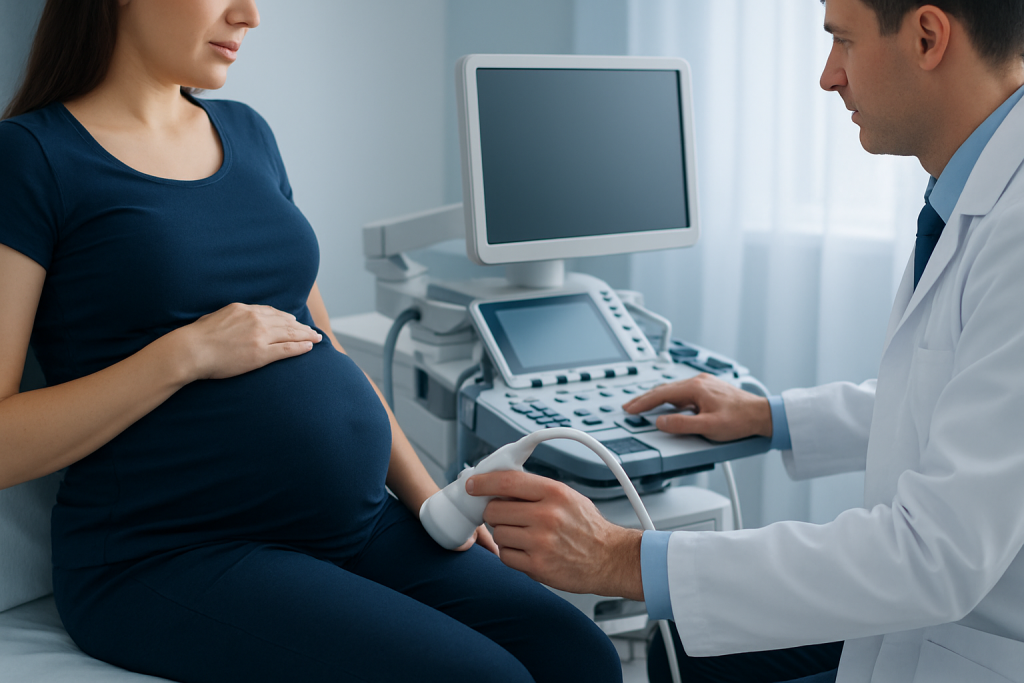
The hallmark feature is sudden pain. It is often described as sharp, shooting, zapping, burning, or like a brief electric jolt in the lower pelvis. The pain may be felt in the vagina, around the cervix, in the groin, or low in the pelvis, and it usually lasts only a few seconds.
Some people notice that the pain happens more often when the baby moves, when they change position, or when pressure increases in the pelvis. It may occur once in a while or several times in a day, then disappear for a period of time.
- Brief, intense pelvic or vaginal pain
- Pain triggered by movement, walking, or rolling over
- Occasional shooting pain low in the abdomen or groin
- Intermittent discomfort without other symptoms
Because pregnancy changes can overlap, lightning crotch may sometimes be confused with round ligament pain, pelvic girdle pain, or early labor. The pattern and timing of the pain, along with any other symptoms, help guide what it most likely is.
Causes & Risk Factors

Lightning crotch is usually related to ordinary pregnancy anatomy. As the uterus grows, it can place pressure on nerves in the pelvis, including branches that carry sensation from the cervix and surrounding tissues. Baby’s position, movements, and descent lower in the pelvis can make that pressure more noticeable.
It may be more likely in the later stages of pregnancy, especially when the baby is engaged lower in the pelvis or when the pregnant person is on their feet for long periods. A history of pelvic discomfort in pregnancy may also make the sensation more noticeable the next time around.
Common contributors include:
- Pressure from the growing uterus
- Baby’s kicks, turns, or low position
- Stretching of pelvic tissues and ligaments
- Nerve sensitivity in the pelvis
- Long periods of standing, walking, or changing positions quickly
It is not usually caused by something the pregnant person did “wrong.” In most cases, it reflects how the body is adapting to a normal pregnancy.
Diagnosis
There is no special test for lightning crotch itself. A healthcare professional usually identifies it by hearing the description of the pain, asking when it happens, and checking for signs that point to another condition.
That assessment matters because sudden pelvic pain in pregnancy can also come from other causes, some of which need treatment. The clinician may ask whether the pain is constant or brief, whether it is tied to contractions, and whether there is bleeding, fluid leakage, fever, urinary symptoms, or reduced fetal movement.
If the history suggests a different problem, the doctor may recommend an exam, urine testing, fetal monitoring, or imaging depending on the stage of pregnancy and the symptoms present. For people arranging care while traveling, it helps to bring any prenatal records, a list of previous scans, and the dates of the pregnancy milestones already documented.
Treatment Options
Lightning crotch often does not need medical treatment, because the pain is short-lived and linked to normal pregnancy changes. The main goal is comfort and reassurance while making sure no other condition is being missed.
Useful measures may include changing position slowly, resting on the side, supporting the belly with a pregnancy belt if recommended by a clinician, and avoiding prolonged standing. Some people find that gentle stretching, warm showers, or brief breaks from activity reduce how often the pain appears.
A clinician may suggest additional strategies based on the person’s overall pregnancy health and the likely cause of the discomfort. The right approach can differ if the pain is mostly related to pelvic girdle strain, uterine tightening, or nerve pressure.
- Position changes and paced movement
- Rest periods during the day
- Supportive maternity garments
- Hydration and general comfort measures
- Evaluation for other pregnancy-related pain if symptoms do not fit the usual pattern
Medication is not typically the first step, and any medicine during pregnancy should be discussed with a qualified professional. For patients seeking care abroad, a structured review can help separate a harmless symptom from one that deserves closer obstetric attention.
Prevention & Self-care
Lightning crotch may not be completely preventable, but some habits can make it less bothersome. The most practical strategy is to notice which movements or postures seem to trigger it and then reduce those triggers when possible.
Slow transitions often help, especially when getting out of bed, rising from a chair, or turning in place. Regular breaks during long walks or standing tasks may also reduce pelvic pressure. Comfortable footwear and supportive clothing can make everyday movement easier as pregnancy advances.
Self-care ideas that may help include:
- Changing positions before pain builds up
- Using side-lying rest when comfortable
- Staying hydrated
- Taking short, frequent movement breaks
- Wearing supportive maternity wear if advised
It can also help to keep a simple note of when the pain happens, what it feels like, and whether anything makes it better. That record can be useful if a doctor needs to distinguish lightning crotch from other causes of pelvic pain during pregnancy.
When to See a Doctor
Lightning crotch is usually brief and harmless, but pregnant people should seek medical advice if the pain becomes constant, severe, or unusual for them. A clinician should also be contacted if the symptom is new and accompanied by other changes that suggest labor or another pregnancy complication.
Prompt assessment is especially important if there is vaginal bleeding, fluid leaking from the vagina, fever, chills, painful urination, regular contractions, reduced fetal movement, or pain that does not ease with rest. These symptoms do not necessarily mean something serious is happening, but they do deserve timely evaluation.
For people receiving care away from their usual home team, it is reasonable to contact the local maternity unit, obstetric clinic, or emergency service for guidance rather than trying to self-diagnose. Acibadem Health Point’s multidisciplinary specialists and JCI-accredited hospitals can also diagnose and treat pregnancy-related conditions for Myomectomy Recovery for International Patients: The Usual Travel Timeline" class="ahp-ilk">international patients.
When in doubt, checking in with a qualified healthcare professional is the safest and most reassuring step. Pregnancy symptoms can overlap, and a brief consultation can often clarify whether the pain fits lightning crotch or needs further investigation.
Living With the Symptom Day to Day
For many pregnant people, lightning crotch is more of an interruption than a medical problem. It may appear suddenly, vanish just as fast, and leave only a lingering sense of surprise. Knowing that the sensation is common can make it less stressful when it happens repeatedly.
Planning the day around comfort can help, particularly in late pregnancy or while traveling. Shorter outings, more rest stops, and a willingness to slow down are often more helpful than pushing through discomfort. If the pain is affecting sleep, movement, or confidence, that is a good reason to discuss it with a maternity care provider.
The goal is not to eliminate every twinge, but to recognize the pattern and respond sensibly. In that sense, lightning crotch is less about alarm and more about listening carefully to what the body is saying during a time of constant change.
Frequently asked questions
What exactly is lightning crotch?
Lightning crotch is an informal term for a sudden, sharp, shooting pain felt in the pelvis, vagina, or cervix during pregnancy. It is usually brief and related to normal pregnancy changes. The sensation can be startling, but it is commonly harmless.
Is lightning crotch a sign that labor is starting?
Not usually. Lightning crotch can happen when the baby moves lower in the pelvis, but it is different from regular labor contractions. If the pain becomes rhythmic, stronger, or is joined by bleeding or fluid leakage, medical advice should be sought.
How can someone tell the difference between lightning crotch and round ligament pain?
Lightning crotch is typically sudden and sharp, while round ligament pain is often more of a pulling or stretching feeling on one or both sides of the lower abdomen. The two can overlap, and sometimes the distinction is not obvious without a clinical history. A healthcare professional can help sort out the pattern if it is unclear.
What helps relieve lightning crotch?
Many people feel better by changing position, resting, or avoiding movements that trigger the pain. Supportive maternity wear and gentle activity pacing may also help. If the pain is frequent or difficult to manage, it is worth discussing with a clinician.
Can lightning crotch harm the baby?
By itself, lightning crotch does not usually harm the baby. It is generally linked to pressure on nerves or pelvic tissues in pregnancy. However, any pain that comes with other warning signs should be evaluated.
When should a pregnant person call a doctor about pelvic pain?
Medical advice should be sought if the pain is severe, persistent, or different from usual brief episodes. It is also important to call if there is bleeding, fluid leakage, fever, contractions, or decreased fetal movement. These symptoms need timely assessment in pregnancy.
References
- American College of Obstetricians and Gynecologists
- NHS
- Mayo Clinic
- Cleveland Clinic
- World Health Organization
This article is for general information only and is not a substitute for professional medical advice. Please consult a qualified doctor about your individual situation.
Explore treatments in Turkey — costs, top hospitals & a free quote
JCI-accredited · board-certified surgeons · reply within 24h
Add us as a Preferred Source to see more of our trusted health content across Google Search, AI Overviews and Discover.
More from the Health Library



Related Specialists

Dr. Gamze Karababa
Gynecology & Obstetrics
Dr. Onur Özdenoğlu
Gynecology & Obstetrics
Dr. Selcen Bahadır
Gynecology & Obstetrics
Prof. Dr. A. Taner Usta
Gynecology & Obstetrics