Knee Replacement Abroad: When Pain, X-Rays, and Mobility Limits Point to Surgery

Key Takeaways
- Knee replacement is typically considered after persistent pain and reduced function despite conservative treatment.
- X-rays help show joint damage, but the decision for surgery is based on symptoms, exam findings, and daily limitations too.
- Not every painful knee needs surgery; many people benefit from weight management, physiotherapy, medication, or injections first.
- Traveling abroad for surgery works best when pre-op planning, rehabilitation, and follow-up are organized in advance.
- Recovery takes time, and walking, strengthening, and home preparation are important parts of long-term success.
Knee replacement is usually considered when pain, stiffness, and loss of mobility no longer respond to non-surgical care and everyday life begins to shrink around the knee. Careful assessment of symptoms, examination findings, and imaging helps determine whether surgery is appropriate and which type of replacement may best match the person’s needs.
Overview
Knee replacement is usually discussed when the joint has become so worn or damaged that ordinary movement starts to feel negotiated rather than natural. For many people, the change is gradual: a short walk becomes shorter, stairs are taken more slowly, and standing from a chair begins to require a pause. When those limits persist despite non-surgical care, doctors may begin to talk about surgery as a practical next step rather than a dramatic last resort.
This decision is rarely based on pain alone. Orthopedic specialists look at the full picture: how the knee behaves during daily activity, whether the pain is affecting sleep or work, what the physical examination shows, and how the joint looks on imaging. For patients considering knee replacement abroad, the process also includes planning around travel, time away from home, and the logistics of rehabilitation in another country.
Knee replacement may be partial or total. In a partial replacement, only one damaged part of the joint is resurfaced. In a total replacement, the worn surfaces of the knee are replaced more broadly. The most suitable option depends on the pattern of joint damage, the person’s age and activity goals, overall health, and the surgeon’s assessment.
Symptoms

The symptoms that prompt a surgical conversation are often familiar but stubborn. Pain may occur during walking, climbing stairs, standing for long periods, or even at rest. Some people notice morning stiffness, swelling after activity, or a sense that the knee is unreliable when turning, rising, or stepping off a curb.
As the condition progresses, the knee can limit more than exercise. It may interfere with sleep, make travel tiring, or narrow choices about work and social life. A person may begin avoiding outings simply because the route would involve too much walking or too many stairs. These everyday restrictions matter because knee replacement is intended to restore function, not just reduce discomfort.
Doctors often pay attention to the pattern of symptoms. Pain that improves with rest but returns quickly with activity can suggest joint degeneration. Clicking or grinding may occur with arthritis, though these sounds alone do not prove that surgery is needed. What matters most is whether the symptoms are steadily reducing quality of life and whether other treatments have stopped helping.
Causes & Risk Factors
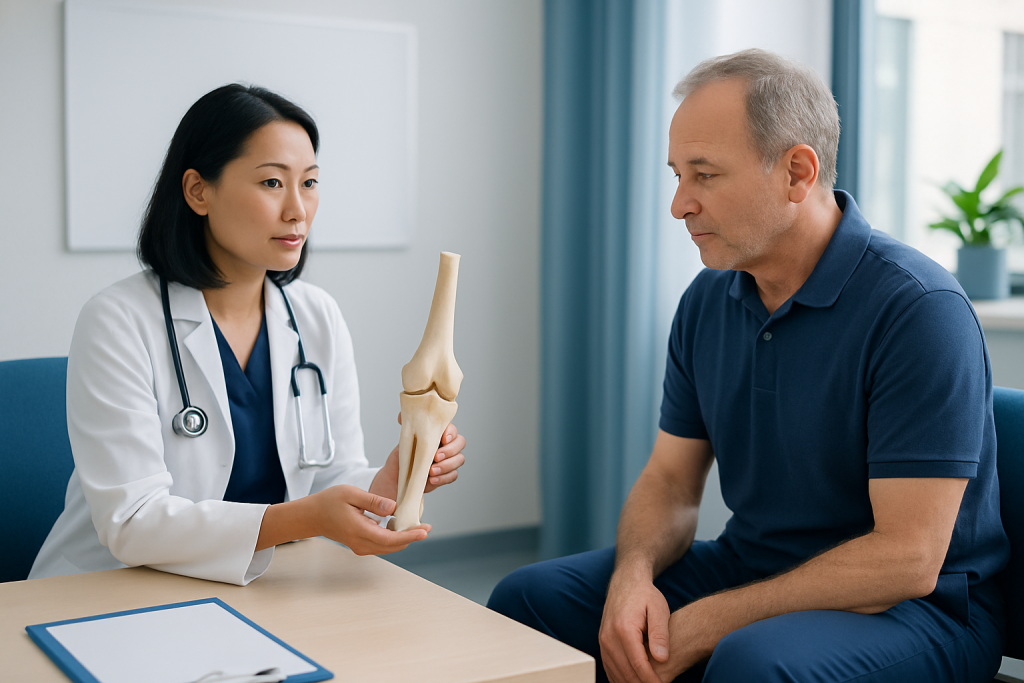
The most common reason for knee replacement is osteoarthritis, a wear-and-tear condition in which cartilage gradually thins and joint surfaces become rough. Over time, the knee may lose its smooth motion, develop deformity, and become painful under normal load. Other causes include rheumatoid arthritis, post-traumatic arthritis after an old injury, and joint damage related to fractures or prior surgery.
Several factors can raise the likelihood of advanced knee damage. Age plays a role, but knee replacement is not limited to older adults. Previous sports injuries, ligament tears, meniscus loss, obesity, heavy physical demands, and family tendency toward arthritis can all contribute to joint deterioration. Some people also develop asymmetric wear because of leg alignment, such as bowing in or out.
For international patients thinking about surgery abroad, it helps to understand that the cause of knee pain is not always the same as the cause of knee replacement recommendation. A person may have visible arthritis on imaging but still function well enough to postpone surgery. Another may have moderate-looking X-rays but severe symptoms. Orthopedic decision-making balances both the scan and the person’s lived experience.
Diagnosis
The evaluation usually starts with a detailed medical history. A doctor asks when the pain began, which movements worsen it, whether swelling or stiffness is present, and how the knee affects walking, sleep, climbing stairs, and self-care. The examination may include checking range of motion, alignment, stability, tenderness, and whether nearby muscles have weakened from disuse.
X-rays are commonly used because they show joint space narrowing, bone spurs, deformity, and other signs of arthritis. In some cases, additional imaging such as MRI may be helpful, especially if symptoms suggest a meniscus problem, ligament injury, or another condition that is not fully explained by X-ray findings. Blood tests are sometimes ordered when inflammation, infection, or another systemic illness is part of the discussion.
The most useful diagnosis is not simply “arthritis” but a functional decision: is the knee damaged enough, and the symptoms severe enough, that surgery is likely to improve life more than continued non-surgical treatment? This is particularly important when planning care abroad. A second opinion, imaging review, and a clear explanation of surgical goals can help patients feel prepared before they travel.
Treatment Options
Knee replacement is usually considered after conservative treatment has been tried or when the knee is clearly too damaged for those measures to provide lasting relief. Non-surgical options may include activity modification, physiotherapy, weight management, pain-relief medicines recommended by a doctor, walking aids, braces, and sometimes joint injections. These approaches can reduce symptoms and may delay surgery for months or years.
When surgery becomes the better choice, the surgeon explains whether partial or total replacement is appropriate. The operation removes damaged joint surfaces and replaces them with prosthetic components designed to move more smoothly. The goal is to reduce pain, improve walking tolerance, and make everyday tasks easier, although the new knee still needs time and rehabilitation to function well.
For patients receiving treatment abroad, it is helpful to think beyond the operation itself. Pre-operative assessment, anesthesia review, infection prevention, mobility planning, and physical therapy should be arranged before travel whenever possible. A realistic recovery plan also matters: the person may need assistance for the first days or weeks, and long-haul travel should be timed according to the surgeon’s advice and the patient’s mobility.
Hospital teams usually provide guidance on walking after surgery, pain control, wound care, and exercises. Early movement is often encouraged to support circulation and recovery, but the pace is individualized. Some patients leave the hospital with a walking aid and continue rehabilitation as an outpatient or with home-based support once they return to their country.
Prevention & Self-care
Not every case of knee arthritis can be prevented, but joint health can often be supported by practical habits. Maintaining a healthy body weight reduces load on the knee, while regular low-impact activity such as walking, cycling, or swimming can help keep the surrounding muscles strong. Strong thigh and hip muscles often make the knee feel more stable in daily life.
People who are trying to delay surgery sometimes benefit from pacing their activities rather than pushing through flares. Using supportive shoes, avoiding repetitive deep squatting or kneeling when possible, and setting up the home to reduce unnecessary stairs may all ease strain. Physiotherapy can be especially valuable because it targets movement patterns, balance, and strength in a structured way.
For those preparing to travel abroad for knee replacement, self-care also includes organization. Bringing medical records, a current medication list, and copies of imaging can reduce delays. It is sensible to ask how long the planned stay may be, what rehabilitation will look like, when follow-up is scheduled, and which warning signs should prompt medical review after returning home. Multidisciplinary teams, including at Acibadem Health Point’s JCI-accredited hospitals, can help international patients coordinate diagnosis, surgery, and recovery planning in a single pathway.
When to See a Doctor
A medical review is worthwhile when knee pain lasts for weeks or months, keeps returning, or starts limiting daily movement. It is especially important to seek an orthopedic opinion if walking distance is shrinking, sleep is disturbed by pain, the knee is visibly swollen or misshapen, or stairs and standing from a chair have become difficult.
Anyone considering surgery should ask for a clear explanation of the options, expected recovery, and likely benefits. A person may be a candidate for knee replacement even if they are still able to walk, while another person may be better served by continued non-surgical treatment. The decision is individual and should reflect symptoms, imaging, overall health, and personal goals.
Urgent medical attention is needed if the knee becomes suddenly red, hot, and severely swollen, if fever develops, if the leg cannot bear weight after an injury, or if there are signs of infection or blood clots. For planned care abroad, it is wise to complete pre-travel evaluation early, so there is time to review test results, manage other health conditions, and arrange safe post-operative follow-up with both the treating team and the home-country doctor.
Frequently asked questions
How do doctors decide if knee replacement is needed?
They look at pain, stiffness, walking ability, exam findings, and X-ray changes together. Surgery is usually considered when symptoms continue to affect daily life despite non-surgical treatment.
Do X-rays alone decide whether surgery is necessary?
No. X-rays show how much the joint is damaged, but the final decision also depends on symptoms and how the knee affects function. Some people have severe-looking X-rays with manageable symptoms, while others have significant pain with less dramatic imaging.
What non-surgical treatments are usually tried first?
Physiotherapy, weight management, activity changes, pain-relief medicines recommended by a doctor, braces, walking aids, and sometimes injections may be used first. These treatments can reduce pain and improve function, especially before surgery becomes the best option.
Is knee replacement always total replacement?
No. Some people are candidates for partial replacement if damage is limited to one part of the joint. Others need total replacement when the arthritis is more widespread or the joint is more severely affected.
How long does recovery take after knee replacement?
Recovery is gradual and varies from person to person. Many people begin walking with help soon after surgery, but strength, balance, and comfort continue to improve over weeks to months with rehabilitation.
Can someone travel abroad for knee replacement safely?
Yes, with careful planning. It is important to arrange pre-operative review, understand the rehabilitation plan, and discuss when it is safe to fly or return home with the surgical team.
References
- American Academy of Orthopaedic Surgeons
- National Institute of Arthritis and Musculoskeletal and Skin Diseases
- NHS
- Mayo Clinic
- World Health Organization
This article is for general information only and is not a substitute for professional medical advice. Please consult a qualified doctor about your individual situation.
More from the Health Library

Hip Replacement vs. Physical Therapy: How Doctors Decide When Conservative Care Is Not Enough

How Doctors Decide If Your Diabetes Is Ready for Surgery or Needs More Stabilization First