

Tummy Tuck, Liposuction, or Both? How Doctors Separate Loose Skin From Stubborn Fat

Key Takeaways
- Loose skin and stubborn fat are different concerns, and each responds to a different treatment approach.
- A tummy tuck is mainly used to remove excess skin and tighten the abdominal wall, while liposuction targets localized fat.
- Some people benefit from combining procedures when both skin laxity and fat deposits are present.
- Weight stability, skin quality, muscle separation, and overall health all influence the treatment plan.
- A consultation helps determine whether surgery, non-surgical care, or a staged approach is the safest choice.
A flatter abdomen can require more than one kind of procedure, because loose skin, separated muscles, and stubborn fat are not the same problem. Doctors assess these concerns separately to decide whether a tummy tuck, liposuction, or a combination may fit the patient’s goals and anatomy.
Overview
When people look at the midsection and say they want a “flatter stomach,” they may be talking about two very different issues. One is excess or stubborn fat, which changes the shape of the abdomen but still sits under the skin. The other is loose or stretched skin, which can remain after weight loss, pregnancy, or aging even when fat has already been reduced.
That difference matters because a tummy tuck and liposuction are designed to solve different problems. Liposuction removes fat from specific areas, while a tummy tuck reshapes the abdomen by removing extra skin and, in many cases, tightening weakened abdominal muscles. For some patients, the clearest answer is one procedure; for others, the best result comes from combining them thoughtfully.
For international patients considering surgery abroad, the first step is usually not choosing a procedure from photos online. It is understanding what the abdomen actually needs, how the surgeon evaluates the skin, fat, and muscle layers, and what recovery would look like once the patient returns home. That conversation is often where the right plan becomes clear.
How Doctors Tell Loose Skin Apart From Fat
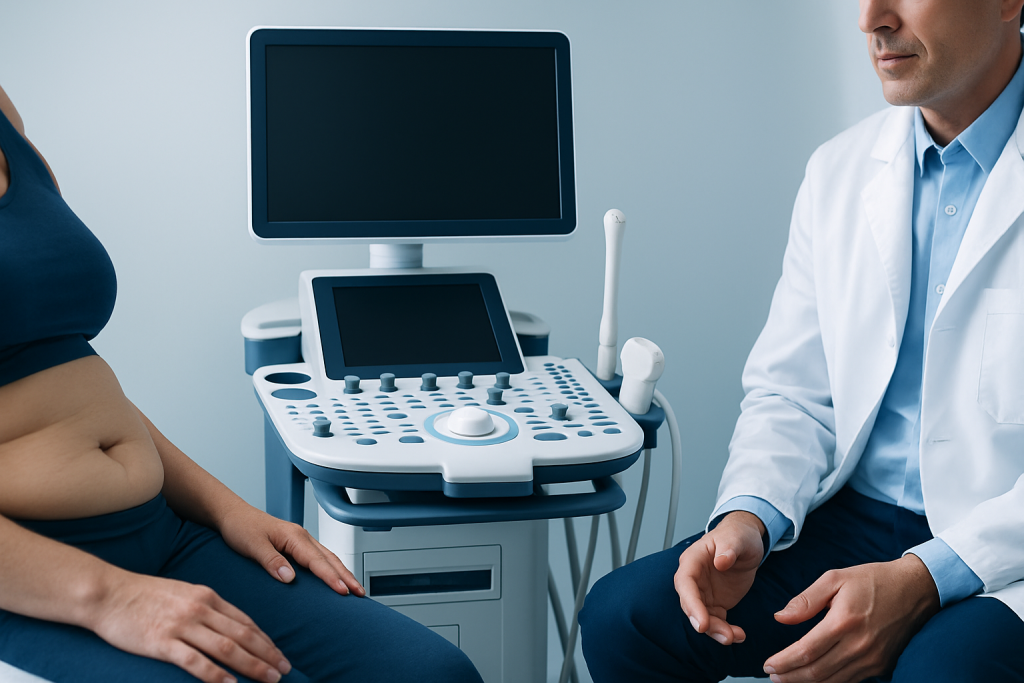
At a consultation, surgeons do not rely only on the appearance of the abdomen. They examine how the tissue behaves when it is pinched, lifted, or gently stretched. Fat tends to feel thicker and more padded, while loose skin may look crepey, fold easily, or remain lax even when the underlying fat is not prominent.
Muscle separation is another important clue. After pregnancy or major weight change, the abdominal wall can weaken and the muscles can drift apart, creating a rounded or protruding look that is not caused by fat alone. In that setting, removing fat without addressing the muscle and skin can leave the patient with improvement, but not the contour they expected.
Doctors also ask about changes over time. If the abdomen looked fuller before weight loss and now appears deflated or wrinkled, skin excess may be the larger issue. If the weight has been stable but the lower abdomen has small persistent bulges, localized fat may be the main concern. The pattern helps guide the recommendation.
Tummy Tuck: What It Addresses

A tummy tuck, also called abdominoplasty, is usually chosen when the main concerns are loose skin, a lower abdominal overhang, stretch marks in the area being removed, or a weakened abdominal wall. The goal is not simply to make the stomach smaller. It is to remove tissue that no longer retracts well and to restore a smoother, firmer contour.
In many cases, the operation includes tightening separated abdominal muscles. This can improve the profile of the abdomen and may help clothing fit more comfortably. However, a tummy tuck is not a weight-loss operation, and it does not remove fat in the same focused way liposuction does.
Patients often consider this procedure after pregnancy or major weight loss, especially when the skin has not “snapped back” despite healthy habits. The result depends on the amount of excess skin, the quality of the tissue, and whether the patient is at a stable weight before surgery.
Liposuction: What It Addresses
Liposuction is designed for localized fat that does not respond well to diet and exercise. Common treatment areas include the lower abdomen, flanks, waistline, and sometimes the upper abdomen. It can refine body shape, but it does not tighten loose skin on its own.
This distinction is important. If the skin is elastic and the main issue is a pocket of stubborn fat, liposuction may offer a cleaner result. If the skin is already lax, removing fat can sometimes make looseness more visible, because there is less volume under the skin to support it.
For that reason, surgeons often assess skin quality before recommending liposuction. Younger patients or those with good skin elasticity may do well with fat removal alone, while patients with stretched skin may need a different strategy. Liposuction can also be used in a limited way to fine-tune contours when combined with other body-contouring procedures.
When Doctors Recommend Both Procedures
Some abdomens contain both loose skin and stubborn fat, and neither problem should be ignored. In those cases, a combined tummy tuck and liposuction approach can address the full picture: fat reduction where it is needed and skin removal where the tissue has become redundant.
Combination treatment is often considered when the lower abdomen has extra skin, the waistline carries fat pockets, or the patient wants a more balanced contour rather than a flatter front view alone. A surgeon may use liposuction to refine the waist and flank areas and then perform a tummy tuck to remove skin and tighten the abdominal wall.
Not every patient is a candidate for the same combination. The decision depends on blood supply to the tissues, the amount of skin laxity, the volume and distribution of fat, and the patient’s overall health. The safest plan is the one that improves shape without overextending what the tissue can heal from comfortably.
Causes and Risk Factors for a Changed Abdomen
The abdomen changes for many reasons, and most are ordinary rather than concerning. Pregnancy can stretch the skin and separate the abdominal muscles. Weight gain followed by weight loss can leave behind excess skin that no longer fits the smaller frame. Aging gradually reduces skin elasticity, which makes the abdomen less likely to rebound after stretching.
Genetics also plays a role. Some people store fat more readily around the midsection, while others are more prone to skin laxity after body changes. Previous abdominal surgery, smoking, and large swings in weight can also affect how the skin and tissue heal or recover.
- Pregnancy and postpartum abdominal changes
- Major weight loss after obesity or bariatric surgery
- Age-related loss of skin elasticity
- Family tendency to store abdominal fat
- Prior abdominal operations or scarring
- Smoking or other factors that affect healing
Diagnosis: What the Consultation Usually Includes
There is no single scan or lab test that decides between a tummy tuck and liposuction. The diagnosis is mainly clinical, based on a physical examination and a detailed discussion of goals, health history, and prior pregnancies or weight changes. A surgeon looks at skin quality, fat distribution, muscle tone, scars, and the shape of the entire torso.
During consultation, patients may be asked to stand, sit, and bend so the surgeon can see how the abdomen moves and where the fullness sits. This helps separate skin laxity from fat and from muscle bulging. Photos may be used for planning and for comparing before-and-after stages, but they do not replace an examination.
For international patients, this visit often includes practical planning as well: travel timing, length of stay, post-op support, and the ability to attend follow-up appointments before returning home. Clear planning matters because the best surgical choice is only part of the process; recovery logistics are part of the outcome too.
Treatment Options and Recovery
If liposuction is the right choice, recovery usually focuses on swelling control, compression garments, activity limits, and gradual return to normal movement. If a tummy tuck is performed, recovery is typically longer because the operation involves skin removal, deeper tissue work, and often muscle repair. Combined procedures require a recovery plan that respects both steps.
Patients generally need to avoid strenuous exercise, heavy lifting, and certain twisting movements for a period recommended by the surgeon. Walking is often encouraged early to support circulation, but it should be gentle and paced. Good healing also depends on nutrition, hydration, and not smoking, since these factors influence tissue recovery.
Before traveling home, patients should understand wound care, drain management if applicable, warning signs that need prompt medical attention, and when follow-up should happen. Acibadem Health Point’s multidisciplinary specialists and JCI-accredited hospitals diagnose and treat this condition for international patients, with care pathways that can include surgical planning, recovery guidance, and follow-up coordination.
Prevention and Self-care
Not every abdominal contour concern can be prevented, especially when pregnancy, genetics, or major weight loss are involved. Still, stable weight is one of the most useful habits for protecting the result of any body-contouring procedure. Large weight fluctuations can stretch the skin again or change how the treated area looks over time.
Healthy skin and healing also benefit from general wellness measures. A protein-rich diet, adequate hydration, regular movement, and smoking avoidance support tissue recovery. For patients considering surgery, preparing the body before treatment can be just as important as the operation itself.
Realistic expectations are also part of self-care. A tummy tuck or liposuction can improve contour, but neither creates a completely different body type. The best outcomes usually come when the patient and surgeon agree on what can be improved safely and what should be accepted as part of a natural body shape.
When to See a Doctor
A consultation is worthwhile when the abdomen remains bothersome despite stable weight, exercise, and healthy eating. It is especially useful if the issue seems to be loose skin rather than fat, or if the lower abdomen protrudes in a way that suggests muscle separation. A surgeon can explain whether surgery, non-surgical care, or time and weight stability are the more appropriate next steps.
Patients should also seek medical advice before planning surgery if they have diabetes, a history of poor wound healing, clotting problems, or concerns about prior abdominal operations. These issues do not automatically rule out treatment, but they do affect planning and safety.
If there is sudden abdominal swelling, severe pain, fever, redness, or drainage after a procedure, urgent medical assessment is needed. For elective treatment, the goal is always the same: a clear plan, careful selection, and a recovery process that feels manageable rather than rushed.
Frequently asked questions
How do doctors decide whether it is loose skin or fat?
They examine how the tissue feels and moves, and they look at whether the abdomen remains lax when the skin is lifted. Fat is usually thicker and fuller, while loose skin folds more easily and may look stretched or crepey. Muscle separation can also create fullness that is not caused by fat.
Can liposuction tighten loose skin?
Liposuction removes fat, but it does not reliably tighten stretched skin. If the skin has good elasticity, it may retract somewhat after fat removal, but that cannot be guaranteed. When lax skin is the main issue, a tummy tuck is more likely to address it.
Is a tummy tuck the same as weight loss surgery?
No. A tummy tuck reshapes the abdomen by removing excess skin and sometimes tightening muscles, but it is not intended for significant weight reduction. Most surgeons prefer patients to be near a stable target weight before surgery.
Why would someone need both procedures?
When the abdomen has both stubborn fat and excess skin, combining liposuction with a tummy tuck can produce a more balanced result. The liposuction refines the contours, while the tummy tuck addresses the loose skin and, when needed, muscle separation. The surgeon decides whether the tissues can safely support a combined approach.
How long should an international patient plan to stay after surgery?
The needed stay depends on the operation, healing progress, and the surgeon’s follow-up schedule. Patients should plan enough time for early recovery visits, wound checks, and clear instructions before flying home. The team can help outline a safe timeline during consultation.
Can the abdomen change again after surgery?
Yes, it can if weight changes significantly or if future pregnancies stretch the tissues again. Stable weight and healthy habits help maintain the result for longer. A surgeon can explain how the patient’s lifestyle may affect the long-term shape.
References
- American Society of Plastic Surgeons
- Mayo Clinic
- Cleveland Clinic
- International Society of Aesthetic Plastic Surgery
- National Health Service
This article is for general information only and is not a substitute for professional medical advice. Please consult a qualified doctor about your individual situation.
More from the Health Library

Male Chest Contouring: When Is It Fat, Gland, or Loose Skin?

Annual Checkup vs. Targeted Testing: Which Health Screenings You Actually Need Before Travel

Breast Lift With or Without Implants: Which Result Fits Your Volume, Position, and Skin?
Related Specialists

Dr. Behıye Ören
Intensive Care
Assoc. Prof. Dr. Tunay Erden
Orthopedic Surgery & Traumatology
Asst. Prof. Dr. Sibel Yıldırım Moral
Otorhinolaryngology
Dyt. Simay Gülüş
Nutrition & Diet