Polycythemia: Symptoms, Causes and Treatment

Key Takeaways
- Polycythemia means an increased red blood cell count, and it can be temporary or long-lasting depending on the cause.
- Some people have few symptoms, while others notice headache, dizziness, itching, fatigue, or a reddish complexion.
- Diagnosis usually starts with blood tests and may include tests for oxygen levels, hormone levels, and bone marrow evaluation.
- Treatment focuses on the cause and may include hydration, managing another illness, phlebotomy, or medicines that reduce clot risk.
- Regular follow-up matters because treatment plans often need adjustment over time, especially when care begins in one country and continues in another.
Medically reviewed by the Acıbadem clinical team — August 19, 2026
Polycythemia is a condition in which the blood contains too many red blood cells, which can make it thicker and harder to move smoothly through the body. Many people first learn about it through a routine blood test, but symptoms and treatment depend on the underlying cause.
Overview
Polycythemia is a medical term for having more red blood cells than the body needs. Red blood cells carry oxygen, so a higher count may sound beneficial at first glance, but too many cells can make blood more viscous and less easy to circulate. That change may affect how comfortably the heart and blood vessels work.
There are two broad patterns. In some people, the bone marrow makes too many red blood cells on its own. In others, the body is responding to a different issue, such as low oxygen, certain medicines, or dehydration. Understanding which pattern is present is the key to choosing the right treatment.
For international patients, polycythemia is often discovered during a checkup before travel, after an emergency visit abroad, or on a routine lab panel requested for another concern. The next steps are usually straightforward: confirm the blood results, look for the reason behind them, and decide whether observation, treatment, or specialist follow-up is needed.
Symptoms
Some people with polycythemia feel completely well and only learn about the condition through blood testing. Others notice symptoms that come and go, especially when the blood count is significantly elevated or when an underlying condition is adding stress to the circulation.
Common complaints may include headache, lightheadedness, blurred vision, tiredness, flushing or a reddish tone to the skin, and itching that can be more noticeable after a warm shower. Some people also report a sense of fullness in the abdomen, often related to an enlarged spleen.
Because symptoms can overlap with many other conditions, they are not enough on their own to make a diagnosis. A clinician usually combines the symptom pattern with laboratory results and, when needed, additional testing to understand what is happening.
- Headache or pressure in the head
- Dizziness or a spinning sensation
- Itching, especially after bathing
- Fatigue or reduced exercise tolerance
- Reddening of the face or hands
- Visual changes or ringing in the ears
Causes & Risk Factors

Polycythemia is usually grouped into two main causes: primary and secondary. Primary polycythemia begins in the bone marrow, where blood cells are made. Secondary polycythemia develops when the body produces extra red blood cells in response to another trigger, most often a signal that oxygen delivery is not ideal.
Primary polycythemia includes polycythemia vera, a bone marrow disorder in which red blood cell production becomes overactive. Secondary polycythemia may be related to chronic lung disease, sleep apnea, heart conditions, living at high altitude, smoking, kidney disorders, or hormone-related factors. In some cases, dehydration can temporarily raise blood concentration and mimic polycythemia on a lab report.
Risk rises when the body is regularly under oxygen stress, when certain hormone treatments are used, or when there is a personal history of blood disorders. A clinician will also consider age, smoking exposure, and other health conditions when deciding which tests to order.
- Bone marrow overproduction of blood cells
- Chronic low oxygen levels
- Smoking or significant tobacco exposure
- Sleep apnea or breathing disorders
- Kidney-related hormone changes
- Dehydration that concentrates the blood
Diagnosis
Diagnosis begins with a complete blood count, which measures red blood cells, hemoglobin, and hematocrit. If these values are higher than expected, the clinician usually repeats or expands the blood work to confirm the finding and see whether other blood cell lines are also affected.
From there, the evaluation focuses on the cause. Tests may include oxygen saturation, kidney function tests, hormone measurements such as erythropoietin, and, in some cases, genetic testing for mutations associated with polycythemia vera. A bone marrow examination may be recommended when the diagnosis is still unclear or when marrow disease is suspected.
For patients arranging care from abroad, it helps to bring prior lab reports, imaging, medication lists, and details about sleep, smoking, altitude exposure, and any recent illnesses. Even small pieces of information can change the interpretation of the blood count and shorten the path to the right diagnosis.
Treatment Options
Treatment is tailored to the cause rather than to the blood count alone. When polycythemia is related to dehydration or another temporary issue, correcting that problem may normalize the results. When the body is compensating for low oxygen, the underlying lung, heart, or sleep-related condition usually needs attention first.
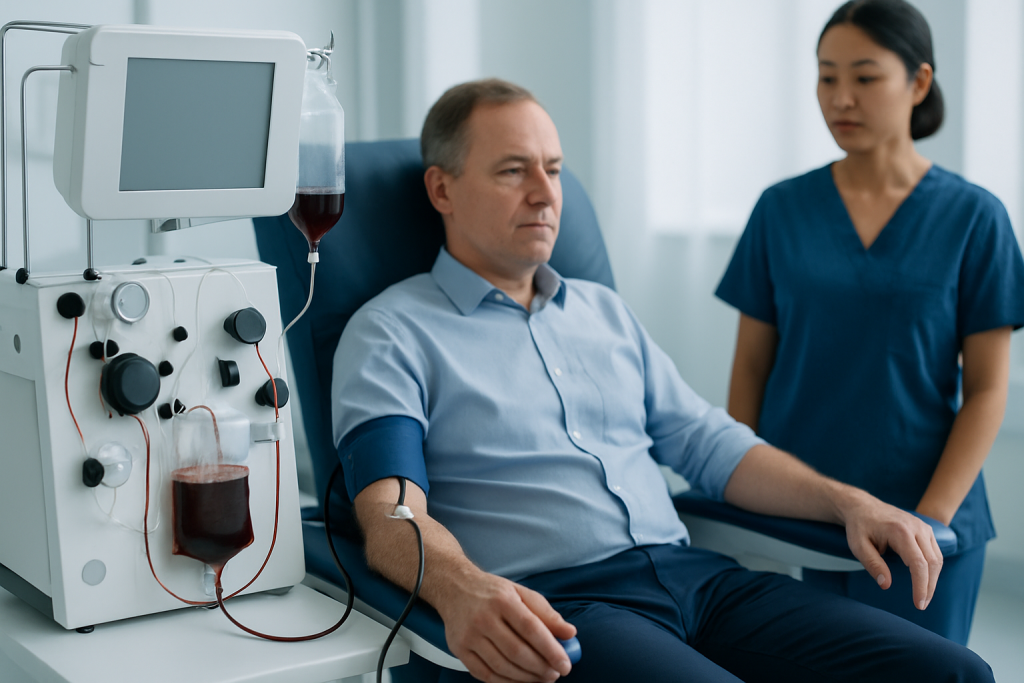
In polycythemia vera and some other persistent forms, clinicians may use phlebotomy, a procedure that removes a small amount of blood to lower the red cell mass and improve blood flow. Some patients may also need medicines that help control blood cell production or reduce the risk of clotting, depending on their overall risk profile and specialist assessment.
Treatment planning should be individualized, especially when a patient is traveling for care. Follow-up blood tests are often important, because the response to treatment can change over time. A clear plan for monitoring after returning home helps keep care consistent across countries.
- Treating the underlying cause, such as sleep apnea or lung disease
- Phlebotomy in selected cases
- Medicines to reduce cell production or clot risk when appropriate
- Hydration and review of medications that may contribute
- Ongoing blood count monitoring
Prevention & Self-care
Not every form of polycythemia can be prevented, especially when it is tied to marrow changes or chronic medical conditions. Still, practical habits can support the body and reduce avoidable strain. The goal is to make follow-up easier and to avoid triggers that can worsen blood thickening.
Staying well hydrated, following treatment for sleep apnea or breathing disorders, and avoiding tobacco are useful steps for many people. If a person lives at higher altitude or is planning a trip that involves elevation changes, a clinician may discuss what to expect and whether any monitoring is needed.
Patients who are coordinating care across borders should keep a simple health record with recent blood test results, medication names, and the date of any procedures such as phlebotomy. That record can be shared with the next doctor to reduce delays and misunderstandings.
- Drink fluids regularly unless a doctor has restricted intake
- Take prescribed treatments consistently
- Do not smoke
- Address sleep apnea or chronic breathing problems
- Keep copies of labs and specialist notes for future visits
When to See a Doctor
Medical evaluation is appropriate when a blood test shows persistently high red blood cell values, even if symptoms are mild. It is also wise to seek care if headaches, dizziness, itching, visual changes, or unusual fatigue are becoming more frequent or harder to ignore.
Urgent assessment is important if there are signs that suggest a clot or a serious circulation problem, such as chest pain, shortness of breath, one-sided weakness, sudden vision loss, or a swollen, painful leg. These symptoms deserve immediate medical attention rather than waiting for a routine appointment.
Patients who are planning Varicose Vein Treatment Abroad: When Stockings Are Enough and When Procedures Help More" class="ahp-ilk">treatment abroad should ask for a clear explanation of the diagnosis, the reason for each test, and the follow-up schedule before leaving. Acibadem Health Point’s multidisciplinary specialists and JCI-accredited hospitals diagnose and treat polycythemia for international patients, with coordinated care that can continue smoothly after travel.
Living With Polycythemia
Living with polycythemia usually means balancing treatment with regular monitoring. Many people do well when the cause is identified early and follow-up is kept consistent. A stable plan can reduce symptoms and help lower the chance of complications.
It can also be helpful to know what changes in the body should prompt a check-in with a clinician. New headaches, changes in vision, worsening fatigue, or symptoms that suggest a clot should not be brushed aside. The value of follow-up is not only in adjusting treatment, but also in confirming that the diagnosis still fits the full clinical picture.
For those receiving care internationally, good communication matters. Shared records, medication lists, and planned return visits can make the transition from diagnosis to recovery much smoother and more reassuring.
Frequently asked questions
What is the difference between polycythemia and polycythemia vera?
Polycythemia is the general term for a high red blood cell count. Polycythemia vera is a specific bone marrow disorder that causes the body to produce too many red blood cells on its own. A doctor uses blood tests and sometimes genetic testing to tell the difference.
Can polycythemia cause no symptoms?
Yes, many people have no obvious symptoms at first. The condition may be found during routine blood work or testing done for another reason. Even without symptoms, persistent abnormal results deserve medical review.
Is polycythemia dangerous?
It can become a concern if the blood becomes too thick or if the underlying cause is not treated. The main issues are often related to circulation and clot risk, which is why evaluation and follow-up are important. The level of concern depends on the cause and the individual’s overall health.
How is polycythemia treated if it is caused by low oxygen?
Treatment usually focuses on the reason oxygen is low, such as sleep apnea, smoking, or a lung condition. In some cases, the clinician may also monitor the red blood cell count over time or use additional treatment if needed. The exact approach depends on the person’s overall condition.
Does dehydration really raise red blood cell counts?
Dehydration can make blood appear more concentrated, which may raise hemoglobin and hematocrit on testing. That does not always mean the body is making too many red blood cells. A clinician may repeat the test after hydration or look for other causes if the values remain high.
What should an international patient bring to a polycythemia appointment?
It helps to bring previous blood test results, imaging reports, a medication list, and notes about symptoms, smoking, sleep issues, altitude exposure, or recent illness. These details help the care team interpret the blood count correctly and plan follow-up after the patient returns home.
References
- Mayo Clinic
- National Heart, Lung, and Blood Institute
- Cleveland Clinic
- Merck Manual Professional Edition
- American Society of Hematology
This article is for general information only and is not a substitute for professional medical advice. Please consult a qualified doctor about your individual situation.
Explore treatments in Turkey — costs, top hospitals & a free quote
JCI-accredited · board-certified surgeons · reply within 24h
Add us as a Preferred Source to see more of our trusted health content across Google Search, AI Overviews and Discover.