Intermittent Explosive Disorder

Key Takeaways
- IED involves recurrent anger outbursts that are impulsive rather than planned.
- Symptoms may include verbal aggression, property damage, or physical aggression.
- Diagnosis requires a clinician to rule out other medical, psychiatric, and substance-related causes.
- Treatment often combines psychotherapy, coping strategies, and sometimes medication.
- Early support can protect relationships, work life, and personal safety.
Intermittent explosive disorder is a mental health condition marked by repeated, sudden outbursts of anger that feel difficult to control and are out of proportion to the situation. With the right evaluation and treatment, many people can reduce episodes and build safer, steadier ways to respond to stress.
Overview
Intermittent explosive disorder, often shortened to IED, is a condition in which a person has repeated episodes of intense anger that seem to appear quickly and are hard to stop once they begin. The reactions are usually much stronger than the event that triggered them, which is one reason the condition can be confusing both for the person experiencing it and for the people around them.
These outbursts are not the same as ordinary frustration or a bad day. In IED, the pattern is repetitive, impulsive, and disruptive. A person may later feel embarrassed, relieved, or exhausted after the episode, but at the moment of escalation the reaction can feel almost automatic.
Because anger can also be linked to depression, trauma, anxiety, substance use, sleep problems, or neurological and medical conditions, a careful assessment matters. An accurate diagnosis helps clinicians choose the right treatment and avoid missing something that needs a different approach.
For international patients, the practical question is often not only what the diagnosis is, but how quickly they can access a clear evaluation, a treatment plan, and follow-up support that fits life after returning home. That is why a structured, whole-person approach is especially useful.
Symptoms
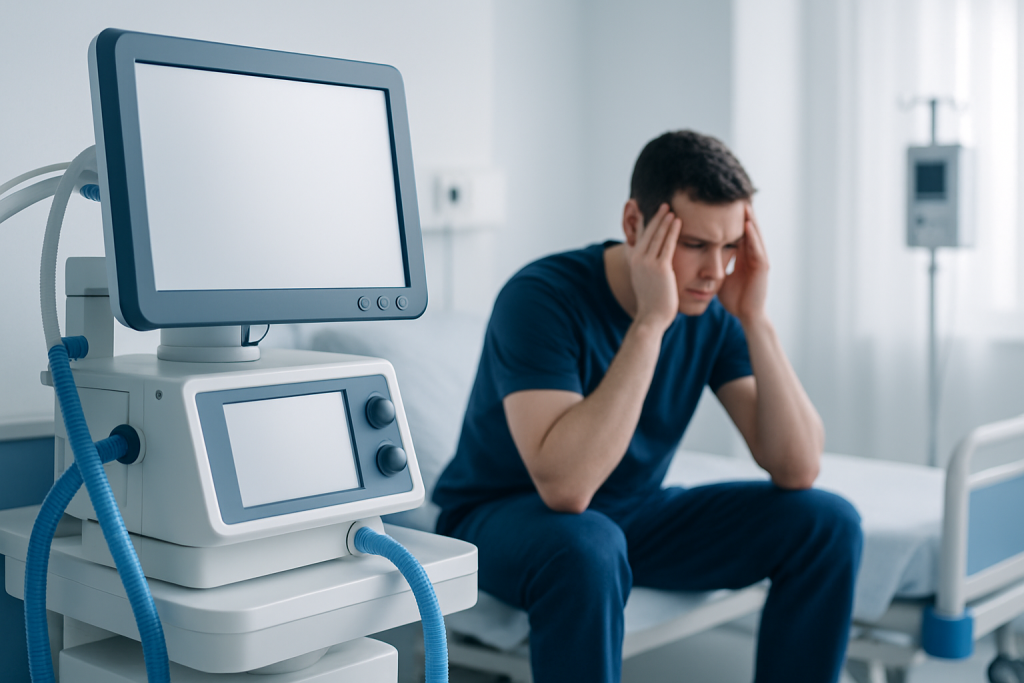
The main feature of intermittent explosive disorder is a pattern of sudden aggressive outbursts that are disproportionate to the trigger. These episodes may involve yelling, insults, threats, throwing objects, slamming doors, punching walls, or physical aggression toward other people or property.
Some people notice warning signs just before an episode, such as a racing heart, muscle tension, heat in the face, shaky hands, or a strong sense of agitation. Others say the escalation happens so quickly that they feel they “go from zero to one hundred” before they have time to think.
Between episodes, many people do not seem angry all the time. They may feel regret after the event, worry about hurting relationships, or avoid situations that could trigger another outburst. The pattern often causes problems at home, at work, in school, or in social settings.
Common signs may include:
- Frequent verbal explosions that feel out of proportion
- Physical aggression such as shoving, hitting, or destroying objects
- Intense anger that builds rapidly and passes more slowly
- Feelings of shame, guilt, or exhaustion after an episode
- Conflict, fear, or distance in relationships because of the outbursts
Causes & Risk Factors

There is no single cause of intermittent explosive disorder. Most experts believe it develops from a mix of biological vulnerability, psychological factors, and life experience. Some people may have a lower threshold for emotional arousal, while others may have learned patterns of responding to stress through anger or aggression.
Risk can be higher in people with a personal history of trauma, chronic stress, childhood adversity, or exposure to violence. Coexisting conditions such as attention-deficit/hyperactivity disorder, anxiety disorders, depressive disorders, post-traumatic stress disorder, and substance use disorders may also make emotional regulation harder.
Brain chemistry and impulse-control pathways likely play a role, though the exact mechanisms are still being studied. Alcohol or drug use can worsen outbursts, and sleep deprivation, relationship strain, or ongoing occupational pressure may lower the ability to pause and respond more calmly.
It is important to remember that having anger does not mean someone has IED. The diagnosis depends on a specific recurring pattern, the degree of control during episodes, and whether the behavior is better explained by another condition or by substances, medications, or a medical problem.
Diagnosis
Diagnosis begins with a detailed clinical interview. A doctor or mental health professional will ask what the episodes look like, how often they happen, what tends to trigger them, how long they last, and what happens afterward. They may also ask about childhood behavior, trauma history, alcohol or drug use, sleep, and current stressors.
Because several conditions can resemble IED, the evaluation usually includes a broader mental health review. The clinician may look for mood disorders, anxiety, trauma-related symptoms, personality patterns, neurodevelopmental conditions, and medication effects. In some cases, medical testing may be used to rule out thyroid disease, head injury, seizures, or other physical causes when the history suggests it.
The goal is not to label a person quickly, but to understand the full picture. That matters because treatment works best when it targets the real drivers of the outbursts rather than only the visible anger.
For patients traveling from abroad, bringing a simple timeline can help: note recent episodes, what happened before them, how severe they were, and whether alcohol, poor sleep, or conflict was involved. A clear record often makes the first consultation more useful and can speed up decisions about therapy, medication, or further assessment.
Treatment Options
Treatment usually combines psychotherapy with practical behavior-change strategies, and medication may be added when needed. The plan is individualized, because the best approach depends on symptom severity, coexisting conditions, safety concerns, and what the person is ready to work on.
Psychotherapy is often the cornerstone of care. Cognitive behavioral therapy can help a person notice early warning signs, identify thought patterns that fuel anger, and practice alternative responses. Skills-based work may include relaxation training, problem-solving, communication tools, and ways to delay action during rising tension.
Medication may be considered when episodes are frequent, intense, or linked to another treatable condition. A clinician may use antidepressants, mood-stabilizing medicines, or other treatments based on the overall assessment. Medication choices should always be guided by a qualified doctor, especially when other medications, alcohol use, or medical issues are part of the picture.
In more complex situations, treatment may also involve family therapy, stress-management coaching, or treatment for substance use, depression, anxiety, or trauma. When safety is a concern, clinicians may recommend a more structured care setting or urgent psychiatric evaluation.
Prevention & Self-care
There is no simple on-off switch for intermittent explosive disorder, but many people do improve when they learn to recognize patterns early. Small, repeated habits often matter more than occasional big efforts. The aim is not to “never feel angry,” but to create more room between the feeling and the reaction.
Practical self-care steps can include getting adequate sleep, reducing alcohol or recreational drug use, keeping regular meals, exercising, and building a more predictable routine. People often benefit from identifying their most common triggers, such as criticism, feeling ignored, traffic, financial pressure, or sensory overload.
Useful coping strategies may include:
- Taking a brief time-out as soon as tension rises
- Using slow breathing or grounding techniques
- Leaving a heated conversation before it escalates
- Writing down trigger patterns and early warning signs
- Practicing calm communication after the moment has passed
For patients recovering while abroad or returning home after care, continuity is especially important. A written plan for therapy follow-up, medication monitoring if prescribed, and emergency contacts can make the transition safer and smoother.
When to See a Doctor
Medical or mental health evaluation is a good idea when anger outbursts are frequent, intense, or causing harm to relationships, work, school, or personal safety. A person should also seek help if they feel frightened by their own reactions or notice that they cannot reliably stop once an episode starts.
Urgent help is needed if there is risk of injury, threats with a weapon, suicidal thoughts, violence toward others, or severe agitation with confusion or substance intoxication. In those situations, immediate local emergency services or crisis support should be contacted.
Even if the episodes seem “manageable,” early assessment can prevent a longer cycle of damage and regret. Support is often most effective before the pattern becomes deeply entrenched.
Acibadem Health Point can help international patients access multidisciplinary specialists and JCI-accredited hospitals for evaluation and treatment planning, with care coordinated so follow-up remains clear after the journey home.
Living With Intermittent Explosive Disorder
Living with IED can be stressful, but the condition is treatable and not a moral failing. Many people feel deeply discouraged before they receive a diagnosis because they have been trying to “just control it” without the right tools or support.
Progress often comes from a combination of insight, practice, and medical care. When episodes become less frequent and less severe, people commonly report better relationships, fewer regrets, and more confidence in handling tension.
Support from trusted family members or partners can also help when it is based on boundaries rather than blame. Clear agreements about stepping away during escalation, avoiding shouting matches, and returning to the conversation later can make daily life calmer for everyone involved.
If anger has been causing repeated strain, a structured evaluation is a constructive next step. A qualified clinician can help determine whether intermittent explosive disorder is present and build a plan that fits the person’s situation, culture, and needs.
Frequently asked questions
Is intermittent explosive disorder the same as being hot-tempered?
No. Many people get angry, but IED involves repeated impulsive outbursts that are out of proportion to the situation and cause real distress or impairment. The pattern is also persistent enough to warrant clinical evaluation.
Can intermittent explosive disorder go away on its own?
Some people may have periods with fewer symptoms, but treatment usually improves outcomes more reliably than waiting it out. Therapy, coping skills, and sometimes medication can reduce the frequency and intensity of episodes.
What kind of doctor evaluates IED?
A psychiatrist, psychologist, or another qualified mental health professional can evaluate it, and a primary care doctor may help with the initial referral. If the history suggests a medical cause, other specialists may also be involved.
Does IED mean a person is dangerous?
Not necessarily. The condition describes difficulty controlling anger outbursts, not a fixed character trait, and many people are never violent toward others. Still, any risk of harm should be taken seriously and addressed with professional support.
What should someone do during an angry episode?
The safest step is usually to pause, leave the situation if possible, and use calming techniques until the intensity falls. If there is immediate danger, emergency help should be contacted right away.
Can stress make IED worse?
Yes. High stress, poor sleep, alcohol or drug use, and ongoing conflict can all make it harder to regulate emotion. Managing these factors often supports treatment and reduces triggers.
References
- National Institute of Mental Health
- American Psychiatric Association
- Mayo Clinic
- World Health Organization
This article is for general information only and is not a substitute for professional medical advice. Please consult a qualified doctor about your individual situation.