Ingrown Hair: Causes, Symptoms and Treatment

Key Takeaways
- Ingrown hair is common after shaving, waxing, or friction from tight clothing.
- Typical signs include small bumps, redness, itching, and sometimes trapped hair or pus.
- Gentle skin care and avoiding picking or squeezing can help the area heal.
- Repeated ingrown hairs may point to shaving technique, hair type, or an underlying skin condition.
- Medical advice is important if the area becomes very painful, spreads, or shows signs of infection.
Medically reviewed by the Acıbadem clinical team — August 19, 2026
Ingrown hair happens when a hair curls back into the skin or grows sideways, leading to a small bump, redness, and sometimes irritation or infection. Most cases are mild and improve with simple skin care, but persistent or painful bumps deserve medical attention.
Overview
An ingrown hair forms when a hair does not grow outward from the follicle in a straight line. Instead, it bends back into the skin or becomes trapped just beneath the surface, where the body may respond with a small, inflamed bump.
This is more likely to happen in areas where hair is shaved, plucked, waxed, or rubbed by clothing, such as the face, neck, underarms, legs, bikini line, or beard area. While the spot can look bothersome, most ingrown hairs are minor skin problems rather than serious medical concerns.
For people who travel for care, the issue is often not the first bump itself, but repeated flare-ups that make grooming uncomfortable or lead to dark marks and irritation. A dermatologist can usually identify the cause quickly and suggest a routine that fits a person’s hair type, skin sensitivity, and daily habits.
Symptoms
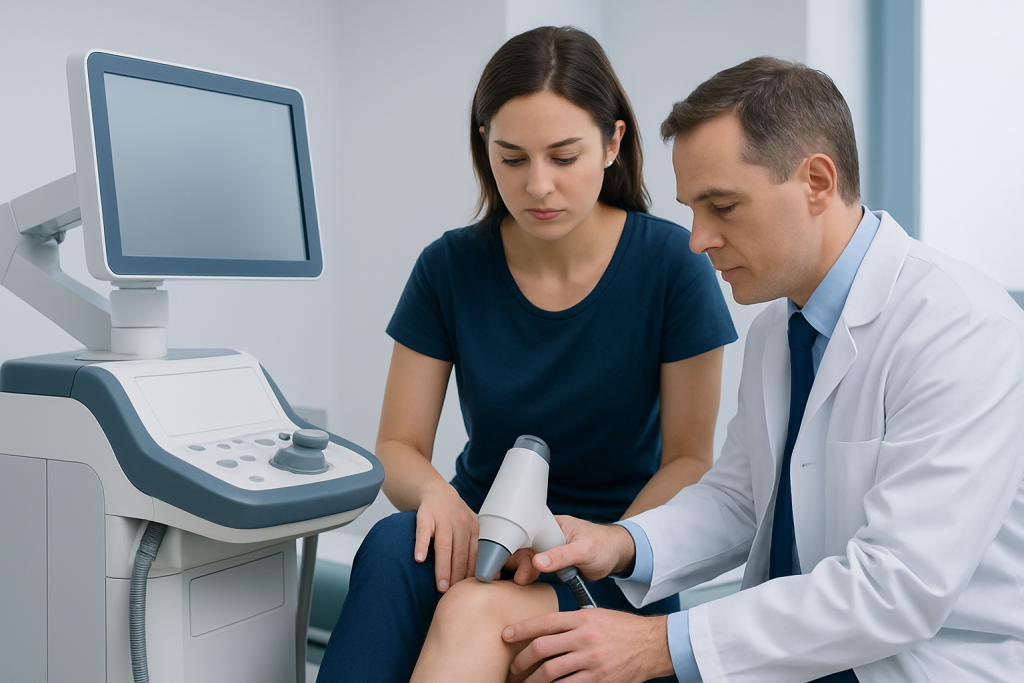
An ingrown hair often begins as a small, raised bump that may be red, pink, or darker than the surrounding skin. The area can feel tender, itchy, or mildly sore, especially if clothing or shaving continues to rub it.
Sometimes the hair is visible under the skin as a curved strand or a tiny dark point at the center of the bump. In other cases, the skin closes over the hair completely, making the spot resemble a pimple or folliculitis.
- Small bump near a hair follicle
- Redness or local swelling
- Itching, tenderness, or discomfort
- Occasional pus if the follicle becomes irritated or infected
- Darkening of the skin after healing in some people
If bumps keep returning in the same area, the skin may need a closer look. Recurrent ingrown hairs can be confused with acne, razor bumps, or another follicle-related condition, so a professional exam can help clarify the pattern.
Causes & Risk Factors

Ingrown hairs happen when the hair shaft grows in a direction that leads back into the skin or when dead skin cells block the hair from exiting normally. Curly or coarse hair is more likely to bend and re-enter the skin, but any hair type can be affected.
Shaving too closely is a common trigger because it can leave a sharp hair tip that more easily pierces the skin. Waxing, plucking, repeated friction, and tight clothing can also increase the chance of irritation around the follicle.
Several factors make ingrown hairs more likely:
- Curly, coarse, or tightly coiled hair
- Frequent shaving, waxing, or tweezing
- Dry skin or buildup of dead skin cells
- Tight collars, waistbands, or athletic wear
- Prior ingrown hairs or razor bumps
- Skin conditions that cause inflammation around follicles
For international patients, it can be helpful to bring photos of flare-ups and a list of grooming products when consulting a dermatologist abroad. Small details such as blade type, shaving frequency, and clothing habits often matter more than people expect.
Diagnosis
In many cases, a clinician can diagnose an ingrown hair by examining the skin and asking about grooming habits, friction, and any history of similar bumps. The appearance alone is often enough to distinguish it from a simple pimple or other minor skin irritation.
If the bumps are widespread, painful, recurring, or appear infected, a doctor may consider other causes such as folliculitis, eczema-related irritation, or a fungal or bacterial skin issue. The goal is not only to label the spot, but also to understand why it keeps coming back.
When a person seeks care during travel, an in-person visit may include a short skin history, a close visual exam, and sometimes advice on how to manage the area once they return home. Additional testing is uncommon unless the skin changes suggest a different diagnosis.
Treatment Options
Most ingrown hairs improve with simple measures that reduce irritation and allow the hair to grow outward. Warm compresses can soften the skin, ease discomfort, and sometimes help the trapped hair reach the surface naturally.
It is usually best to avoid squeezing, digging, or aggressively picking at the bump. These actions can damage the skin, increase inflammation, and raise the risk of infection or scarring.
Common treatment approaches may include:
- Warm compresses applied gently to the area
- Temporary pause in shaving or waxing
- Careful cleansing and mild exfoliation if recommended by a clinician
- Topical products for inflammation or infection when prescribed
- Removal of the trapped hair by a trained professional in select cases
If an ingrown hair becomes infected, treatment may need to address the infection as well as the trapped hair. A dermatologist can decide whether a topical medicine, an oral medicine, or a minor in-office procedure is most appropriate.
Prevention & Self-care
Prevention usually starts with reducing the amount of trauma the skin experiences during hair removal. Many people improve simply by changing how closely they shave, how often they shave, or whether they use a blade, electric trimmer, or another method that is gentler on the skin.
Aftercare matters too. Keeping the skin clean, moisturized, and free from repeated friction can help hair grow out more normally. Loose clothing may be especially helpful in areas such as the bikini line, neck, or thighs.
Helpful self-care steps can include:
- Use a clean, sharp razor and avoid repeated passes over the same area
- Shave in the direction of hair growth when possible
- Soften the skin and hair before shaving
- Choose non-irritating cleansers and moisturizers
- Avoid tight clothing that rubs the same spot repeatedly
- Do not pick at healing bumps or try to “dig out” the hair at home
People who get frequent ingrown hairs may benefit from a dermatologist-guided grooming plan. For some, laser hair reduction can be discussed as a longer-term option, depending on skin type, hair color, and overall suitability.
When to See a Doctor
Medical advice is a good idea when an ingrown hair is painful, keeps returning, or does not improve with basic home care. A doctor can also help if the skin changes are affecting confidence, grooming, or comfort during daily activities.
Prompt evaluation is especially important if the area becomes increasingly red, warm, swollen, or drains pus. Fever, spreading redness, or rapidly worsening pain can suggest infection and should not be ignored.
It is also sensible to seek care if the bumps are not clearly linked to shaving or hair removal, or if the person is unsure whether the spot is truly an ingrown hair. For international patients, Acibadem Health Point’s multidisciplinary specialists and JCI-accredited hospitals can help diagnose and treat ingrown hair and related skin concerns in a coordinated setting.
Living with Recurrent Ingrown Hairs
Repeated ingrown hairs can be frustrating because they tend to appear in the same areas and often interfere with routine grooming. The most practical approach is usually to identify the pattern: where the bumps appear, what hair-removal method is used, and how the skin responds afterward.
Some people need only small changes, such as shaving less often or switching to a gentler method. Others may need treatment for underlying follicle inflammation or advice tailored to their hair texture and skin sensitivity.
When the problem keeps coming back, professional guidance is worthwhile. A dermatologist can help reduce flare-ups, limit scarring and dark marks, and make the skin easier to manage over the long term.
Frequently asked questions
What exactly is an ingrown hair?
An ingrown hair is a hair that grows back into the skin or becomes trapped under it instead of rising out through the follicle. This can cause a small bump, redness, and discomfort. It is common in areas where hair is shaved or rubbed frequently.
Can an ingrown hair go away on its own?
Yes, many ingrown hairs improve without treatment if the area is left alone and irritation is reduced. Warm compresses and avoiding shaving for a short time may help. If the bump becomes infected or keeps returning, medical advice is useful.
Should someone try to pull out the hair with tweezers?
It is usually better not to dig or force the hair out at home, because this can injure the skin and increase the risk of infection or scarring. If the hair is clearly visible and very superficial, a clinician may advise careful removal. In general, gentle care is safer than picking.
Are ingrown hairs the same as acne?
They can look similar, especially when a small red bump develops around a trapped hair. However, acne usually starts in pores and oil glands, while an ingrown hair begins in a hair follicle. A professional exam can tell the difference if the cause is unclear.
Why do some people get ingrown hairs more often than others?
Hair texture, grooming habits, friction from clothing, and skin sensitivity all play a role. Curly or coarse hair is more likely to curl back into the skin, but anyone who shaves or waxes can develop them. A dermatologist can suggest changes that fit the person’s skin and hair type.
When is an ingrown hair a sign of infection?
Signs of infection include increasing redness, warmth, swelling, pus, or worsening pain. Redness that spreads beyond the bump or a fever should be assessed promptly. These symptoms mean the area needs medical attention rather than just home care.
References
- American Academy of Dermatology
- Mayo Clinic
- Cleveland Clinic
- National Health Service (NHS)
- DermNet
This article is for general information only and is not a substitute for professional medical advice. Please consult a qualified doctor about your individual situation.
Hair transplant in Turkey — costs, graft counts & a free assessment
JCI-accredited · board-certified surgeons · reply within 24h
Add us as a Preferred Source to see more of our trusted health content across Google Search, AI Overviews and Discover.