Images For Piles

Key Takeaways
- Piles, also called hemorrhoids, are swollen veins in or around the anus and rectum.
- Pictures may help with general recognition, but they cannot replace an examination by a qualified doctor.
- Common symptoms include itching, discomfort, swelling, bleeding during bowel movements, and a lump near the anus.
- Constipation, straining, prolonged sitting, pregnancy, and low-fiber habits can contribute to hemorrhoids.
- Most cases improve with diet changes, hydration, bowel habit adjustment, and simple medical treatment, but persistent bleeding or pain should be checked.
Medically reviewed by the Acıbadem clinical team — July 13, 2026
Images for piles are often searched by people trying to understand what hemorrhoids look like and how they differ from other anal or rectal problems. A clear medical explanation can help patients recognize common symptoms, know the limits of self-diagnosis, and decide when professional evaluation is needed.
Overview
When people search for images for piles, they are usually trying to answer a very practical question: “Does this look like hemorrhoids?” That question often comes up after noticing bleeding on toilet paper, a tender lump near the anus, itching, or a sense of pressure after a bowel movement. In everyday language, piles and hemorrhoids mean the same condition.
Hemorrhoids are swollen blood vessels in the lower rectum or around the anus. They can be internal, meaning they sit inside the rectum, or external, meaning they are located under the skin around the anal opening. A photo may help explain the general appearance, but it cannot confirm the diagnosis on its own, because several other conditions can cause similar symptoms.
For international patients deciding whether to travel for care, the first step is usually not a picture but a reliable clinical assessment. A doctor may review symptoms, examine the area gently, and decide whether the problem is a hemorrhoid or something else that needs a different approach.
Symptoms
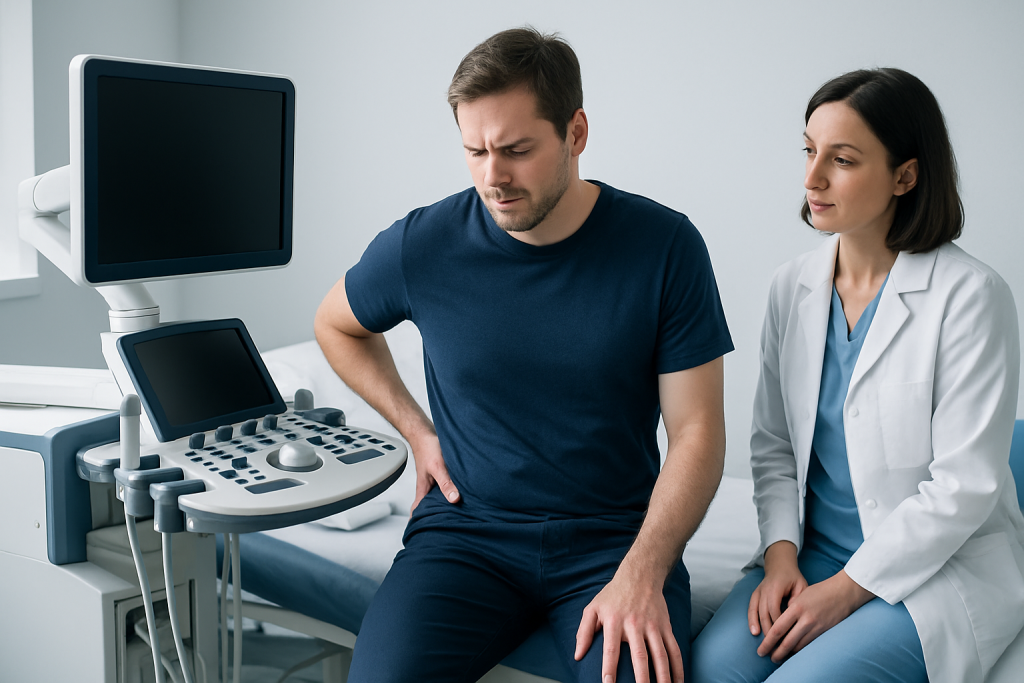
The appearance of piles can vary, and that is one reason visual references can be confusing. Some hemorrhoids are small and not very noticeable, while others become enlarged, irritated, or thrombosed, which means a clot has formed inside an external hemorrhoid. In those cases, the area may look swollen, bluish, or firm and can be quite uncomfortable.
Typical symptoms may include:
- Bright red bleeding during or after a bowel movement
- Itching or irritation around the anus
- Pain or discomfort, especially when sitting
- A soft or firm lump near the anal opening
- Swelling or a feeling of incomplete emptying
Internal hemorrhoids often cause bleeding with little or no pain, while external hemorrhoids are more likely to be painful or sensitive to touch. If symptoms are severe, persist, or are accompanied by changes in bowel habits, medical assessment becomes more important because the cause may not be simple hemorrhoids.
Causes & Risk Factors

Hemorrhoids develop when pressure increases in the veins around the rectum and anus. This pressure may build gradually from repeated straining, constipation, or sitting on the toilet for long periods. Over time, the veins can become enlarged and more likely to bleed or protrude.
Common contributors include chronic constipation, low fiber intake, dehydration, frequent straining, obesity, pregnancy, and jobs or travel routines that involve prolonged sitting. Aging can also play a role because the tissues that support these veins may weaken over time. Long-haul travel, irregular meals, and changes in routine can sometimes make constipation worse, which is why some international patients notice symptoms when their schedule changes.
It is also helpful to know that hemorrhoids are not caused by poor hygiene, and they are not contagious. They are a mechanical and vascular problem, not an infection. Understanding the real cause can reduce worry and make self-care more effective.
Diagnosis
Because many people begin with online images, it is important to understand the limits of visual comparison. A photo cannot reliably tell the difference between hemorrhoids, an anal fissure, skin tags, an abscess, inflammatory bowel disease, or other rectal conditions. That is why doctors rely on symptoms plus a physical examination rather than images alone.
A clinician may ask about bleeding, pain, bowel habits, diet, medications, and how long the symptoms have been present. A gentle examination of the anal area is often enough to identify external hemorrhoids. If internal hemorrhoids are suspected, the doctor may recommend an anoscopy or another rectal examination to look more closely.
When bleeding is present, especially in adults over a certain age or in anyone with unexplained anemia, weight loss, or a change in bowel habits, further testing may be advised to rule out other causes. This step is not meant to alarm; it is a routine way to make sure the right problem is being treated.
Treatment Options
Treatment depends on the size of the hemorrhoid, the symptoms, and whether it is internal or external. Many people improve with conservative measures first. The core approach usually focuses on reducing strain, softening stool, and calming irritation so the area has a chance to settle.
Common options include dietary fiber, better hydration, avoiding long toilet sitting, and warm sitz baths for comfort. Doctors may also recommend topical preparations or oral medications to ease discomfort in selected cases. These measures do not remove hemorrhoids immediately, but they often reduce symptoms and support healing.
For hemorrhoids that keep bleeding, prolapsing, or causing significant discomfort, office-based procedures may be recommended. These can include rubber band ligation or other minimally invasive techniques for internal hemorrhoids. Surgery is generally reserved for more advanced or persistent cases, and the choice depends on a careful assessment rather than the appearance seen in images for piles.
Prevention & Self-care
Self-care is often the most effective part of hemorrhoid management, especially when symptoms are mild. The goal is to make bowel movements easier and reduce pressure on the anal veins. Small changes can make a meaningful difference over time.
Helpful habits include eating more fiber-rich foods such as fruits, vegetables, legumes, and whole grains, drinking enough water, and responding to the urge to pass stool instead of delaying it. It also helps to avoid straining and to limit time on the toilet, since prolonged sitting can increase pressure in the area. Regular physical activity may support bowel regularity as well.
During recovery, patients who are traveling for treatment should plan ahead for follow-up care, medication access, and bowel-friendly meals. A written discharge plan can be especially useful for international patients, because it keeps self-care simple when routines change after returning home.
When to See a Doctor
Medical review is advisable when bleeding is recurrent, when pain is significant, or when a lump does not improve. Even if images for piles seem to match the symptoms, a doctor should confirm the diagnosis if the problem is new, severe, or unusual for that person.
Prompt evaluation is especially important if bleeding is heavy, stool appears black or tar-like, there is fever, drainage, marked swelling, or a painful lump develops quickly. These features may point to conditions other than simple hemorrhoids and deserve timely attention. A doctor should also be seen if symptoms do not improve with fiber, hydration, and better bowel habits.
For patients considering treatment abroad, this is often the point where a coordinated evaluation becomes valuable. Acibadem Health Point’s multidisciplinary specialists and JCI-accredited hospitals diagnose and treat hemorrhoids for international patients, helping them move from uncertainty to a clear plan with appropriate follow-up.
Living With Hemorrhoids During Travel and Recovery
Hemorrhoid symptoms can be especially inconvenient when someone is away from home, eating unfamiliar food, or spending long hours in transit. For many travelers, constipation and prolonged sitting are the triggers that make a manageable issue feel much more noticeable. Planning ahead can reduce that disruption.
Simple strategies include keeping water intake steady, choosing fiber-containing meals, and avoiding long delays between bowel movements. If treatment is planned, it is sensible to ask in advance what the recovery period may look like, which activities to avoid, and how follow-up will work after returning home. This is particularly useful when care is received in another country, because continuity matters just as much as the procedure itself.
Images may be a starting point for understanding piles, but the real value comes from a clear diagnosis and a practical plan. With the right guidance, most people can manage symptoms effectively and return to normal routines without unnecessary worry.
Frequently asked questions
Are images for piles enough to diagnose hemorrhoids?
No. Images can be helpful for general orientation, but they cannot confirm the diagnosis. A doctor needs to assess the symptoms and, if needed, examine the area to rule out other conditions.
What do piles usually look like?
Piles may appear as a small swelling or lump near the anus, sometimes with redness, tenderness, or a bluish color if a clot is present. Internal hemorrhoids may not be visible at all and may mainly cause bleeding.
Can hemorrhoids cause bleeding without pain?
Yes. Internal hemorrhoids often bleed with little or no pain, especially during bowel movements. Any rectal bleeding should still be evaluated so the cause is properly identified.
What is the main cause of piles?
The main issue is increased pressure on the veins in the rectal and anal area. Constipation, straining, prolonged sitting, pregnancy, and low-fiber habits are common contributors.
Do hemorrhoids go away on their own?
Mild hemorrhoids sometimes improve with fiber, fluids, and better bowel habits. If symptoms persist, become painful, or keep bleeding, medical treatment may be needed.
When should someone worry that it is not piles?
If there is severe pain, fever, black stools, ongoing bleeding, weight loss, or a sudden change in bowel habits, the cause may be something other than hemorrhoids. In those cases, prompt medical assessment is the safest next step.
References
- World Health Organization
- National Institute of Diabetes and Digestive and Kidney Diseases
- American Society of Colon and Rectal Surgeons
- Mayo Clinic
This article is for general information only and is not a substitute for professional medical advice. Please consult a qualified doctor about your individual situation.