Human Metapneumovirus: Symptoms, Causes and Treatment

Key Takeaways
- Human metapneumovirus is a contagious virus that affects the airways and lungs.
- Symptoms often resemble a common cold, but some people develop wheezing, fever, or shortness of breath.
- Children, older adults, and immunocompromised individuals are more likely to have more noticeable illness.
- Diagnosis is usually based on symptoms and may be confirmed with a respiratory test when needed.
- Treatment mainly focuses on rest, fluids, fever control, and monitoring for warning signs.
- Good hand hygiene, respiratory etiquette, and staying home when sick help reduce spread.
Medically reviewed by the Acıbadem clinical team — August 19, 2026
Human metapneumovirus (hMPV) is a common respiratory virus that can cause cold-like symptoms, bronchitis, or pneumonia, especially in young children, older adults, and people with weaker immune systems. Most cases improve with supportive care, but medical assessment is important if breathing becomes difficult or symptoms worsen.
Overview
Human metapneumovirus, often shortened to hMPV, is a respiratory virus that can move through households, schools, airports, and other crowded settings with surprising ease. For many people, it feels like a routine winter virus: a runny nose, cough, sore throat, and a few uncomfortable days at home. In others, especially very young children, older adults, and people with underlying health concerns, it can reach deeper into the airways and cause more significant breathing symptoms.
hMPV belongs to the same general family of illnesses as other common respiratory infections that circulate during colder months. It is not usually remembered by name the way influenza or COVID-19 is, but that does not make it unimportant. Because it can look so similar to other viruses, many people only learn about hMPV after a clinician considers it during an evaluation for persistent cough, wheezing, or fever.
For families navigating care across borders, the practical question is often not the name of the virus but what the symptoms mean and whether specialist review is needed. The reassuring news is that most hMPV infections improve with time and supportive care. The main goal is to recognize when symptoms are staying mild and when they are becoming harder to manage.
Symptoms
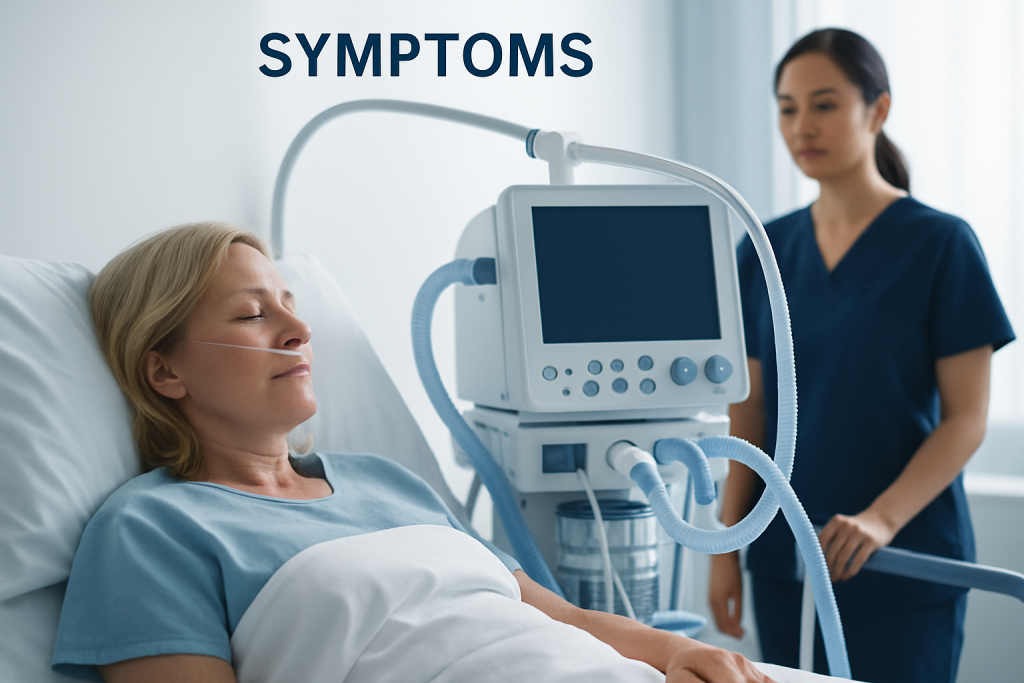
Human metapneumovirus usually begins with upper-respiratory symptoms, which may seem very much like a common cold. A person may notice congestion, a sore throat, fatigue, cough, or fever. Some people also report headache, muscle aches, or reduced appetite, particularly when the illness is more than a simple sniffle.
In some cases, the virus moves into the lower airways and causes bronchitis or pneumonia-like illness. That can bring wheezing, faster breathing, chest discomfort, or shortness of breath. Young children may show less obvious signs, such as irritability, trouble feeding, or unusual tiredness, rather than describing what they feel.
Symptoms can vary widely from person to person. A mild infection may pass in about a week, while cough and tiredness can linger longer. Because hMPV shares features with influenza, RSV, and other respiratory viruses, a symptom pattern alone is often not enough to identify it with certainty.
- Common upper-airway symptoms: runny nose, cough, sore throat, sneezing
- General symptoms: fever, fatigue, body aches, reduced appetite
- Lower-airway symptoms: wheezing, shortness of breath, chest tightness, faster breathing
- In children: irritability, poor feeding, sleep disruption, less energy than usual
Causes & Risk Factors

hMPV is caused by infection with the human metapneumovirus, which spreads from person to person through respiratory droplets and close contact. That can happen when someone coughs, sneezes, talks closely, or touches shared surfaces and then touches their eyes, nose, or mouth. Like many respiratory viruses, it travels more easily in places where people are indoors together for long periods.
Anyone can catch hMPV, and many people are exposed at some point in childhood. Still, certain groups are more likely to have more troublesome illness or complications. These include infants, older adults, people with chronic lung or heart disease, and those whose immune systems are weakened by illness or treatment.
Travel, caregiving, crowded events, and exposure to sick family members can all increase the chance of infection. International patients who are considering evaluation abroad may find it helpful to understand that respiratory viruses can circulate differently depending on season and location, so timing and exposure history often matter during the medical assessment.
- Close contact with an infected person
- Living or working in crowded environments
- Young age, especially infancy
- Older age
- Chronic lung disease, heart disease, or reduced immune function
Diagnosis
Doctors usually begin by listening to the story of the illness: when the symptoms started, whether fever or wheezing is present, how breathing is affected, and whether there has been recent contact with someone who was ill. A physical examination can help assess breathing effort, lung sounds, hydration, and overall condition.
When the diagnosis needs to be clarified, especially in hospitals or for higher-risk patients, a respiratory sample may be tested for hMPV and other viruses. These tests are often done with a nasal swab or similar sample. Because several viruses cause nearly identical symptoms, clinicians may look for more than one pathogen at the same time.
Additional tests are sometimes needed if the person appears more unwell, has low oxygen levels, or has a medical history that raises concern. A chest X-ray or other imaging test may be considered when pneumonia is suspected, but many mild cases do not require extensive testing. The most useful approach is the one that matches the severity of the illness, not an identical workup for everyone.
Treatment Options
There is no specific antiviral medicine routinely used for most human metapneumovirus infections. Treatment is mainly supportive, which means helping the body recover while easing symptoms and watching for any signs that the illness is moving in a more serious direction. For many people, this includes rest, adequate fluids, and medication to reduce fever or discomfort when recommended by a clinician.
If breathing symptoms are present, a doctor may assess oxygen levels and decide whether additional support is needed. Some patients, especially those with asthma-like symptoms or underlying lung disease, may be treated for wheezing or airway tightening as part of their overall respiratory care. Hospital treatment is reserved for people who need closer monitoring, oxygen, or help maintaining hydration.
Children and older adults often benefit from a lower threshold for medical review because respiratory illnesses can change more quickly in these groups. International patients seeking care abroad may also appreciate that treatment plans are usually straightforward but personalized, with follow-up arranged to fit recovery at home after travel.
- Rest and gentle activity as tolerated
- Fluids to prevent dehydration
- Fever or pain relief as advised by a doctor
- Monitoring breathing and oxygen levels when needed
- Hospital care for more serious symptoms or complications
Prevention & Self-care
Prevention starts with the habits that slow respiratory viruses in general. Regular handwashing, avoiding close contact with people who are sick, and covering coughs and sneezes all make a meaningful difference. When someone in the home has symptoms, cleaning shared surfaces and limiting close exposure can reduce spread to others.
Self-care for a mild illness is usually focused on comfort and observation. Drinking enough fluids, resting, and using simple fever control measures as advised can help the body recover. It is also sensible to avoid strenuous activity while feverish or short of breath, since that can make symptoms feel worse.
People at higher risk should be more cautious around respiratory symptoms and may benefit from earlier medical contact rather than waiting several days. For families traveling internationally, it can be wise to plan for illness the same way they plan for delays or lost luggage: carry basic supplies, know where to seek medical care, and keep follow-up options open if symptoms do not settle as expected.
- Wash hands often with soap and water
- Use a tissue or elbow when coughing or sneezing
- Stay home and limit contact while acutely ill
- Disinfect commonly touched surfaces
- Keep up with general health measures that support lung and immune health
When to See a Doctor
Medical advice is especially important if breathing becomes difficult, the cough is worsening instead of improving, or fever lasts longer than expected. A doctor should also be contacted if a child is not feeding well, seems unusually sleepy, or shows signs of dehydration, such as fewer wet diapers or a dry mouth. In older adults, confusion, marked weakness, or a noticeable drop in activity can be important clues that the illness is more serious than it first appeared.
Emergency evaluation may be needed for severe shortness of breath, bluish lips, chest pain, or a person who is struggling to speak in full sentences because of breathing difficulty. These are not common in mild hMPV infection, but they deserve prompt attention when they occur.
For international patients, early assessment can be especially helpful if travel is upcoming or already underway. A clinician can decide whether the symptoms fit an uncomplicated viral illness or whether testing, oxygen assessment, or a broader respiratory workup is the safer choice. Acibadem Health Point’s multidisciplinary specialists and JCI-accredited hospitals diagnose and treat respiratory infections for international patients, offering coordinated care when further evaluation is needed.
Living With Recovery
Recovery from human metapneumovirus is usually gradual rather than dramatic. Even after fever settles, a cough or low energy may continue for several days. That does not automatically mean the illness is getting worse; it often reflects the airway irritation left behind by the virus.
It can help to return to normal routines in stages. Sleep, hydration, and a light diet are often enough at first, followed by a gradual increase in activity as breathing feels easier. If symptoms fail to improve, new symptoms appear, or the person belongs to a higher-risk group, a follow-up visit is a reasonable next step.
Because respiratory viruses can overlap in timing and appearance, some patients need reassurance more than intervention. A thoughtful review with a qualified clinician can distinguish a routine recovery from a situation that deserves testing or closer observation.
Frequently asked questions
What is human metapneumovirus?
Human metapneumovirus, or hMPV, is a contagious respiratory virus that can cause cold-like illness and, in some people, lower-airway infection. It is one of several common viruses that circulate through communities and affect the nose, throat, and lungs.
How do people catch hMPV?
It spreads through respiratory droplets and close contact, especially when people are in the same indoor space. Touching contaminated surfaces and then touching the face can also contribute to transmission.
Is hMPV the same as RSV or influenza?
No, it is a different virus, although the symptoms can look very similar. Because of that overlap, doctors may use testing to tell respiratory viruses apart when the result would change care.
How is hMPV treated?
Most cases are managed with supportive care such as rest, fluids, and symptom relief. More serious illness may require oxygen, hospital observation, or treatment for complications like wheezing or pneumonia.
Who is most at risk for complications?
Infants, older adults, and people with chronic heart, lung, or immune system conditions are more likely to have more significant symptoms. They may need earlier medical review if breathing changes or the illness does not improve.
Can someone get hMPV more than once?
Yes, reinfection can happen because immunity is not permanent. Later infections may be milder or still cause notable symptoms, depending on the person’s health and exposure.
References
- Centers for Disease Control and Prevention
- World Health Organization
- Mayo Clinic
- National Health Service
This article is for general information only and is not a substitute for professional medical advice. Please consult a qualified doctor about your individual situation.
Explore treatments in Turkey — costs, top hospitals & a free quote
JCI-accredited · board-certified surgeons · reply within 24h
Add us as a Preferred Source to see more of our trusted health content across Google Search, AI Overviews and Discover.