How To Get Rid Of Milia

Key Takeaways
- Milia are tiny keratin-filled cysts, not acne and not a sign of poor hygiene.
- They often clear slowly on their own, but some cases last longer and need professional removal.
- Picking, squeezing, or using harsh exfoliants can irritate the skin and make the area look worse.
- Gentle cleansing, sunscreen, and non-comedogenic skincare may help reduce new bumps.
- A doctor should evaluate bumps that are painful, inflamed, unusual in appearance, or changing quickly.
Medically reviewed by the Acıbadem clinical team — August 19, 2026
Milia are small, harmless white bumps that often appear around the eyes, cheeks, or nose. They usually do not need urgent treatment, but a dermatologist can confirm the diagnosis and offer safe removal when the bumps persist or are cosmetically bothersome.
Overview
Milia are small, firm, white or skin-colored bumps that commonly appear on the face, especially around the eyes, cheeks, and nose. They form when keratin, a normal skin protein, becomes trapped just beneath the surface of the skin. Although they can look like whiteheads, they are different from acne and usually are not caused by dirt, oil, or poor hygiene.
For many people, the main question is not whether milia are dangerous, but how to remove them without irritating the skin. Some bumps disappear gradually on their own, while others linger for months. When milia are persistent or bothersome, a dermatologist can confirm the diagnosis and discuss safe removal methods.
People who travel for skin care often want to know whether treatment is quick, whether healing is simple, and what follow-up looks like once they return home. In most cases, milia are handled as an outpatient concern, and the treatment plan is usually straightforward. The most important step is choosing a method that fits the skin type, the location of the bumps, and the person’s overall skin sensitivity.
Symptoms
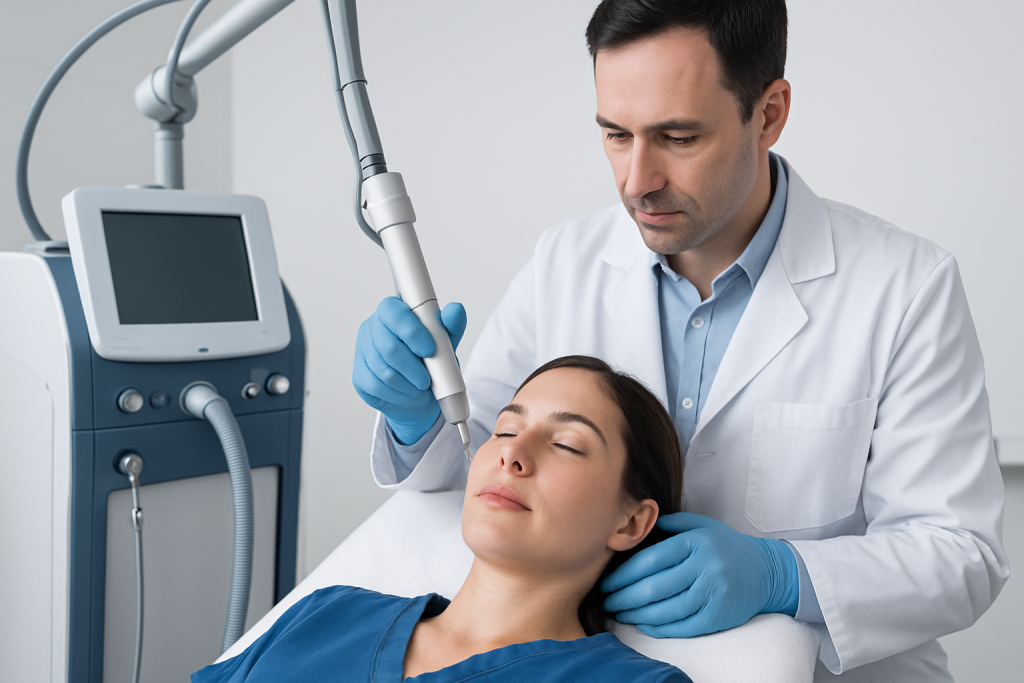
Milia usually appear as tiny, smooth, white or yellowish bumps. They are often 1 to 2 millimeters in size, although they can sometimes look a little larger when several are grouped together. They are typically painless and do not itch.
Common places for milia include the eyelids, under-eye area, cheeks, forehead, and nose. They may also appear after skin injury, burns, or blistering rashes, because the skin can trap keratin as it heals. In adults, milia may show up without a clear trigger.
It can be helpful to notice what milia do not usually do. They generally do not become red and inflamed the way acne lesions can, and they do not drain pus. If a bump is tender, rapidly changing, darkening, or associated with swelling, it deserves a medical look rather than self-treatment.
Causes & Risk Factors

Milia develop when skin cells do not shed in the usual way and become trapped under the skin. The trapped material forms a tiny cyst filled with keratin. This can happen naturally, especially in newborns, but milia can also appear later in life for several reasons.
Adult milia are sometimes linked to skin trauma, sun damage, heavy or occlusive skincare products, or procedures that leave the skin temporarily irritated. They may also occur after using thick creams on delicate areas, although the exact reason varies from person to person. Some people simply seem more prone to them.
Risk may be higher in people who:
- Use rich or greasy skincare products on the face.
- Have a history of skin injury, burns, or blistering.
- Experience prolonged sun exposure without protection.
- Have sensitive skin that reacts to frequent exfoliation or harsh products.
- Have certain inherited conditions that affect the skin barrier, though this is less common.
It is worth noting that milia are not the same as closed comedones, sebaceous filaments, or xanthelasma. A clinician can distinguish these look-alike conditions and recommend the right approach.
Diagnosis
In most cases, milia are diagnosed by a simple skin examination. Their small, pearly appearance and typical locations often make them recognizable to a dermatologist or other qualified clinician. No complex testing is usually needed.
Diagnosis becomes more important when bumps appear in unusual areas, look inflamed, or do not have the classic milia appearance. A clinician may consider whether the bumps are acne, sebaceous hyperplasia, warts, cysts, xanthelasma, or another skin condition. This distinction matters because each condition has a different treatment path.
For international patients, a consultation can be especially useful when time is limited and the goal is to leave with a clear plan. A careful diagnosis helps avoid trial-and-error treatment at home, which can waste time and sometimes worsen irritation. If removal is being considered, the clinician can also explain healing time and aftercare before any procedure begins.
Treatment Options
There is no single best answer to how to get rid of milia, because the right method depends on the size, number, and location of the bumps. Some milia fade on their own and need no treatment. Others can be removed in a medical setting with simple office-based procedures.
Common treatment options include:
- Manual extraction: A clinician makes a tiny opening in the skin and gently removes the trapped keratin with sterile tools.
- Topical treatments: Retinoid creams or other dermatologist-recommended products may help skin cells turnover more normally over time.
- Chemical exfoliation: In selected cases, a professional may use a mild chemical peel to reduce recurring bumps.
- Laser or other procedural approaches: These may be considered for stubborn or repeated milia, depending on skin type and location.
Removal should not be attempted by squeezing or cutting at home, especially around the eyes. The skin in these areas is delicate, and self-treatment can lead to irritation, infection, scarring, or pigment changes. A trained clinician can remove the bump with far less risk and advise whether additional treatment is needed to lower the chance of recurrence.
When milia recur, the focus often shifts from one-time removal to skin maintenance. That may include adjusting skincare products, treating any underlying irritation, and choosing follow-up intervals that are practical for someone who may be traveling back home after treatment.
Prevention & Self-care
Not every case of milia can be prevented, but thoughtful skin care may reduce the chance of new bumps forming. The goal is to support normal skin turnover without stripping the skin or clogging it with heavy products. Gentle, consistent habits tend to work better than aggressive scrubbing.
Helpful self-care steps include using a mild cleanser, avoiding harsh exfoliation, and choosing non-comedogenic moisturizers and sunscreens. If a product seems to leave the skin greasy or congested, switching to a lighter formula may help. Sun protection is also useful because long-term sun damage can contribute to changes in skin texture.
It is also wise to avoid picking at the skin, even when the bumps are small and tempting to remove. Home remedies, needles, or abrasive scrubs can damage the surface and make the area more noticeable. If a person uses retinoids or exfoliating acids, they should do so only as advised by a dermatologist, since overuse can irritate sensitive skin.
People traveling for care should ask for a practical aftercare plan before leaving the clinic. That plan may include when to restart skincare, what products to pause briefly, and how to recognize normal healing versus irritation that needs follow-up. Clear instructions make it easier to stay consistent once back at home.
When To See a Doctor
Medical advice is helpful when a bump is not clearly milia, when the bumps are numerous, or when they keep returning. A clinician can confirm the diagnosis and suggest the least irritating way to treat the area. This is especially important for bumps near the eyes or on skin that scars easily.
It is sensible to seek an evaluation if a bump becomes red, painful, warm, bleeding, or rapidly changes in size or color. A sudden cluster of unusual lesions may also deserve attention, particularly if the person has a history of skin disease or recent skin injury. Even when the issue turns out to be harmless, a clear diagnosis brings reassurance and prevents unnecessary treatment.
For people planning care abroad, it can be useful to choose a center that can diagnose and treat the condition in one coordinated visit. Acibadem Health Point’s multidisciplinary specialists and JCI-accredited hospitals diagnose and treat this condition for international patients, with follow-up guidance tailored to the person’s skin and travel plans.
Living With Milia Long Term
Milia are often more of a cosmetic concern than a medical one, but that does not make them trivial for the person who has them. Small bumps around the eyes or cheeks can affect confidence, especially when they linger despite good skincare. Knowing that milia are common and manageable can make the situation feel less frustrating.
The best long-term approach is usually calm, consistent skin care plus professional review when bumps do not improve. Some people only need reassurance. Others benefit from one or more office-based removals, followed by a simpler routine that supports healthy skin without overwhelming it.
With the right diagnosis and a gentle plan, most people can manage milia safely and realistically. The focus should stay on protecting the skin, not forcing it to clear quickly.
Frequently asked questions
Are milia the same as whiteheads?
No. Milia are tiny keratin cysts trapped under the skin, while whiteheads are a form of acne caused by clogged pores. They may look similar, but they are treated differently. A dermatologist can tell them apart on examination.
Can milia go away on their own?
Yes, some milia disappear without treatment, especially newborn milia. In adults, they may last longer and sometimes need professional removal. If they are persistent, a clinician can advise the safest next step.
Is it safe to squeeze milia at home?
No, squeezing is not recommended. The bumps are usually firm and do not empty like pimples, and trying to force them can injure the skin. Around the eyes, self-treatment is especially risky.
What is the fastest way to remove milia?
The fastest approach is usually in-office extraction by a trained clinician. The exact option depends on where the bumps are and how the skin looks overall. Some people may also be offered topical treatment to help prevent new bumps.
Can skincare products cause milia?
Certain heavy or occlusive products may contribute in some people, especially when used around delicate areas. This does not mean everyone should avoid moisturizer, but lighter non-comedogenic products are often a better choice. A dermatologist can help review a routine if milia keep coming back.
When should milia be checked by a doctor?
They should be checked if the diagnosis is uncertain, the bumps are painful or inflamed, or they are changing in appearance. Medical review is also wise if the bumps are near the eyes and the person wants removal. A clear diagnosis helps ensure the right treatment.
References
- American Academy of Dermatology
- Mayo Clinic
- Cleveland Clinic
- National Health Service
- DermNet
This article is for general information only and is not a substitute for professional medical advice. Please consult a qualified doctor about your individual situation.
Explore treatments in Turkey — costs, top hospitals & a free quote
JCI-accredited · board-certified surgeons · reply within 24h
Add us as a Preferred Source to see more of our trusted health content across Google Search, AI Overviews and Discover.