How Much Caffeine Is Too Much?

Key Takeaways
- Caffeine affects people differently, so the same amount may be comfortable for one person and excessive for another.
- Too much caffeine can cause symptoms such as jitteriness, sleep problems, a fast heartbeat, stomach upset, or anxiety.
- Coffee, tea, energy drinks, soda, chocolate, and some medicines may all add to total daily caffeine intake.
- People who are pregnant, have certain heart conditions, or are sensitive to caffeine may need lower limits.
- If caffeine causes chest pain, fainting, severe palpitations, or persistent vomiting, medical advice should be sought promptly.
Medically reviewed by the Acıbadem clinical team — August 19, 2026
Caffeine can be part of a normal routine, but the amount that feels harmless for one person may cause symptoms in another. Understanding personal tolerance, hidden sources, and warning signs helps people use caffeine more safely.
Overview
Caffeine is one of the most widely used stimulants in the world, and for many adults it is part of the rhythm of the day. A cup of coffee in the morning, tea in the afternoon, or an occasional energy drink may seem routine, yet the body still has a limit for how much caffeine it can process comfortably.
The question of how much caffeine is too much does not have a single answer. Tolerance varies with body size, age, pregnancy, sleep habits, medications, and overall health. Some people notice effects after a small amount, while others may drink several servings before feeling any change. The most useful approach is to look at personal symptoms, not only the number on a label.
For international patients, caffeine habits can shift during travel, recovery, or long workdays across time zones. Jet lag, stress, and unfamiliar drinks can make it easier to overdo caffeine without realizing it. Knowing how to read everyday sources of caffeine can help keep energy steady without disrupting sleep or well-being.
Symptoms of Too Much Caffeine
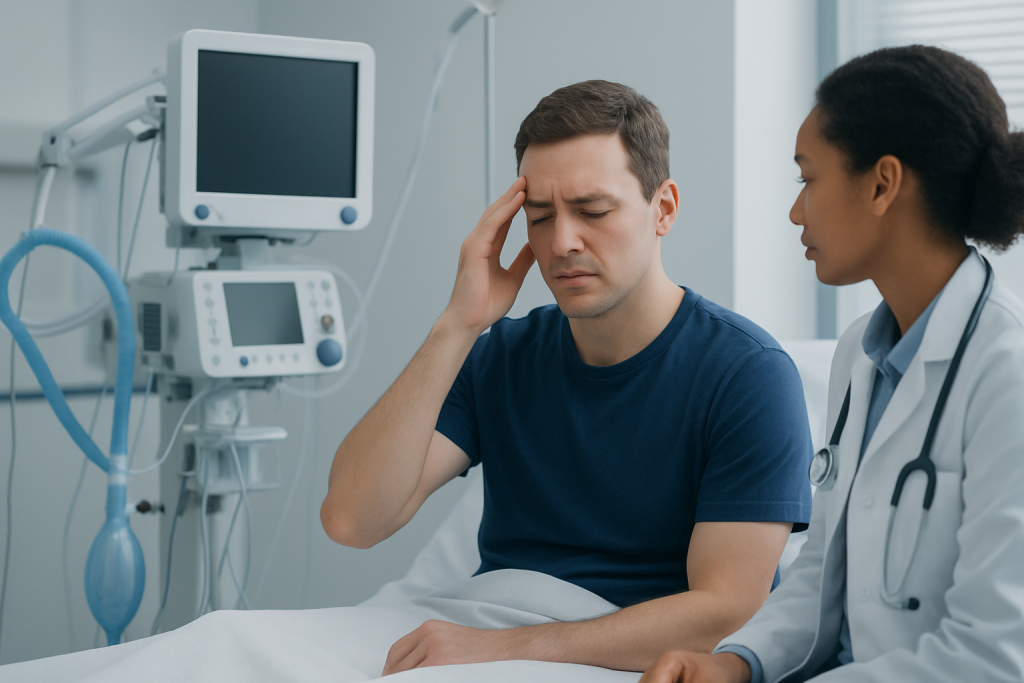
When caffeine intake rises above a person’s comfort zone, the body often gives early warning signs. These can appear gradually or suddenly, depending on how quickly caffeine was consumed and how sensitive the person is.
Common symptoms include restlessness, shakiness, feeling “wired,” trouble concentrating, headaches, nausea, and a fast or pounding heartbeat. Some people also develop reflux, loose stools, sweating, dizziness, or a sense of unease that is hard to explain.
Sleep disturbance is one of the most common effects. Even caffeine taken many hours before bedtime can make it harder to fall asleep or stay asleep, and poor sleep can then lead to more caffeine use the next day. In people who are sensitive, anxiety-like symptoms may be the clearest clue that intake is too high.
- Jitteriness or tremor
- Insomnia or light, broken sleep
- Palpitations or rapid pulse
- Upset stomach or nausea
- Feeling anxious, irritable, or on edge
Very large amounts may lead to more serious symptoms, including chest discomfort, confusion, repeated vomiting, or marked agitation. These are not typical responses to a normal cup of coffee and deserve prompt medical attention.
Causes & Risk Factors

Most caffeine problems happen because total intake is underestimated. People often think only in terms of coffee, but caffeine is also present in tea, cola, energy drinks, some flavored waters, chocolate, pre-workout products, and headache or cold medicines. A busy day can add up quickly when more than one source is used.
One important factor is individual sensitivity. Some people metabolize caffeine more slowly, so the stimulant remains in the body longer and affects sleep or heart rate more strongly. Others may notice stronger effects when they are tired, stressed, fasting, or dehydrated.
Certain situations make moderation especially important. Pregnancy, some heart rhythm conditions, uncontrolled anxiety, reflux, and sleep disorders can all be worsened by caffeine. Children and adolescents are also more vulnerable to side effects and should be guided by a clinician or caregiver rather than by adult habits.
Travel and recovery can add another layer. A person adjusting to a new time zone may use caffeine to stay alert, while someone healing after illness or surgery may be less able to tolerate it. In these settings, what seemed like a normal dose at home may feel excessive abroad.
How Caffeine Adds Up
There is no single universal number that defines too much for everyone, but it helps to understand that caffeine is cumulative. Multiple smaller servings may equal or exceed the amount in one strong drink, especially when products are consumed close together.
Labels can help, but they do not always tell the full story. Serving sizes may be smaller than the container, and brewed coffee varies widely depending on the beans, preparation method, and cup size. Energy drinks and supplements can be particularly easy to overuse because they may be consumed quickly and sometimes alongside coffee or tea.
A practical habit is to track intake for a typical day before making assumptions. Include morning coffee, afternoon tea, soda, chocolate, and any medicines or supplements that list caffeine among the ingredients. This simple review often reveals why symptoms appear even when each individual item seemed modest.
- Coffee drinks may range widely in strength and portion size
- Energy drinks and shots may contain concentrated caffeine
- Tea, cola, and chocolate contribute smaller but meaningful amounts
- Pain relievers and cold remedies may contain added caffeine
Diagnosis
There is no special scan or laboratory test that diagnoses caffeine overuse by itself. Clinicians usually begin by asking what the person has consumed, when symptoms started, and whether the pattern changed recently. A clear history is often the most important part of the assessment.
During evaluation, a doctor may check the pulse, blood pressure, temperature, and hydration status, and may ask about sleep, stress, anxiety, and other stimulant use such as nicotine or certain decongestants. If the symptoms are more significant, testing may be done to rule out another cause of palpitations, chest discomfort, or nausea.
For someone who travels for care or follow-up, keeping a simple written list of drinks, supplements, and medicines can make the conversation much easier. Even approximate timing helps the care team see whether caffeine is likely to be the main trigger or only one part of the picture.
Treatment Options
Most cases of mild caffeine overuse improve with rest, fluids, and stopping further intake for the day. The body usually clears caffeine on its own over time, so treatment often focuses on comfort and on preventing symptoms from worsening.
For moderate symptoms, a clinician may recommend hydration, a calm environment, and temporary avoidance of all caffeine-containing products. If anxiety, reflux, or heart-related symptoms are prominent, medical evaluation is appropriate so the person can be assessed safely rather than trying to guess the cause at home.
Severe reactions are uncommon but need urgent care. Treatment in that setting is guided by symptoms and may include monitoring of the heart rhythm, fluids, or other supportive measures. The goal is not simply to “counteract” caffeine, but to protect the person while the stimulant wears off.
People who use caffeine daily and wish to reduce it should usually taper rather than stop abruptly if they are prone to withdrawal headaches or fatigue. A gradual step-down often feels easier than a sudden cut, especially for those balancing work, travel, and treatment schedules.
Prevention & Self-care
Prevention starts with a realistic view of personal tolerance. Some adults feel well with a morning cup and little else, while others need to keep intake very low to protect sleep or reduce palpitations. Paying attention to the body’s response is more useful than comparing habits with friends or coworkers.
Spacing caffeine away from bedtime can help preserve sleep quality, and avoiding it on an empty stomach may reduce nausea or jitters in some people. Reading labels, choosing smaller servings, and not combining multiple stimulant products are practical ways to stay within a comfortable range.
People trying to cut back often do better with gradual changes. Replacing one daily caffeinated drink with decaf, herbal tea, or water can lower total intake without making the change feel abrupt. During travel or hospital recovery, sleep, hydration, and routine meals can also reduce the urge to lean heavily on caffeine.
- Know which products contain caffeine before using them
- Track total daily intake for a few days
- Avoid stacking coffee, energy drinks, and stimulant medications
- Reduce intake slowly if headaches or fatigue occur during cutting back
If caffeine is being used to overcome persistent exhaustion, that symptom itself deserves attention. Ongoing fatigue may reflect poor sleep, anemia, thyroid problems, medication effects, or another condition that needs proper evaluation rather than simply more caffeine.
When to See a Doctor
Medical advice is reasonable when caffeine consistently causes palpitations, anxiety, stomach upset, or poor sleep, even if the symptoms improve later in the day. A clinician can help determine whether the pattern fits simple sensitivity, another medical issue, or an interaction with a medicine or supplement.
Urgent care is appropriate for chest pain, fainting, severe shortness of breath, persistent vomiting, confusion, or a very fast or irregular heartbeat. These symptoms should not be assumed to be “just caffeine,” especially if they appear suddenly or after an unusually strong product.
People who are pregnant, have heart disease, panic disorder, reflux, or sleep disorders may benefit from individualized advice about caffeine limits. For international patients seeking clarity across borders, Acibadem Health Point’s multidisciplinary specialists and JCI-accredited hospitals can help diagnose and treat caffeine-related concerns alongside other possible causes, with follow-up planning that fits travel and recovery needs.
Frequently asked questions
How much caffeine is usually considered too much for an adult?
There is no exact amount that is too much for every adult, because tolerance differs from person to person. Many people notice that symptoms begin when caffeine causes jitteriness, palpitations, sleep disruption, or stomach upset, even if the total is not extremely high. The most practical limit is the one that allows normal sleep, comfort, and heart rhythm.
Can someone have caffeine sensitivity even with small amounts?
Yes. Some people are more sensitive and may react to a single cup of coffee or tea with anxiety, tremor, or a racing heart. Sensitivity can also increase during stress, illness, dehydration, or after poor sleep.
What drinks or foods contain hidden caffeine?
Coffee and energy drinks are the most obvious sources, but tea, cola, chocolate, pre-workout products, and some headache or cold medicines may also contain caffeine. Reading labels helps because serving sizes and caffeine amounts can vary widely. A daily total is often higher than expected once all sources are counted.
Is caffeine dangerous during pregnancy?
Pregnancy usually calls for lower caffeine intake, and a clinician can advise on a safe personal limit. Because caffeine stays in the body longer during pregnancy, even moderate amounts may feel stronger. It is best to discuss intake with an obstetric clinician rather than relying on general habits.
What should a person do after drinking too much caffeine?
Stopping further caffeine and drinking water are reasonable first steps if symptoms are mild. Resting in a calm place and waiting for the effects to pass often helps. If there is chest pain, fainting, repeated vomiting, confusion, or a very rapid heartbeat, urgent medical care is needed.
Can quitting caffeine cause symptoms too?
Yes, sudden reduction can lead to withdrawal headaches, fatigue, irritability, or trouble concentrating. These symptoms are usually temporary and often improve with a gradual reduction instead of stopping all at once. A slower taper is often easier for people who use caffeine every day.
References
- U.S. Food and Drug Administration
- Mayo Clinic
- National Health Service
- World Health Organization
This article is for general information only and is not a substitute for professional medical advice. Please consult a qualified doctor about your individual situation.
Explore treatments in Turkey — costs, top hospitals & a free quote
JCI-accredited · board-certified surgeons · reply within 24h
Add us as a Preferred Source to see more of our trusted health content across Google Search, AI Overviews and Discover.