Strep Throat: Symptoms, Causes and Treatment

Key Takeaways
- Strep throat often starts suddenly with a sore, painful throat and swallowing discomfort.
- Fever, swollen neck glands, and red or swollen tonsils can point toward strep rather than a simple viral cold.
- Cough, runny nose, and hoarseness are more typical of viral infections and are less common with strep throat.
- A throat swab is usually needed to confirm the diagnosis, since symptoms alone are not enough.
- Antibiotic treatment is used when strep is confirmed and may help reduce complications and spread.
- Children, close household contacts, and travelers may need extra attention if symptoms appear while away from home.
Medically reviewed by the Acıbadem clinical team — August 19, 2026
Strep throat is a bacterial throat infection that can cause sudden pain, fever, and difficulty swallowing. Recognizing the pattern early can help a person seek the right test and treatment, and avoid unnecessary delays in recovery.
Overview
Strep throat is a throat infection caused by group A Streptococcus bacteria. It is one of the more common reasons for a sudden, painful sore throat, especially in children and school-age teenagers, but adults can develop it as well.
What makes strep throat important is not only the discomfort, but also the fact that it usually needs medical testing and, when confirmed, treatment with antibiotics. Because its early signs can resemble other throat infections, many people first try to rest at home and hope it will pass. A clearer way to think about it is this: a sore throat that appears quickly, feels intense, and comes with fever or tender neck glands deserves closer attention.
For international patients, the timing can matter. Symptoms may begin before travel, during a flight, or while staying abroad, and the right next step is often a straightforward evaluation with a throat swab. Early assessment can help avoid a prolonged trip with untreated infection and can reduce the risk of passing it to family members or travel companions.
Symptoms
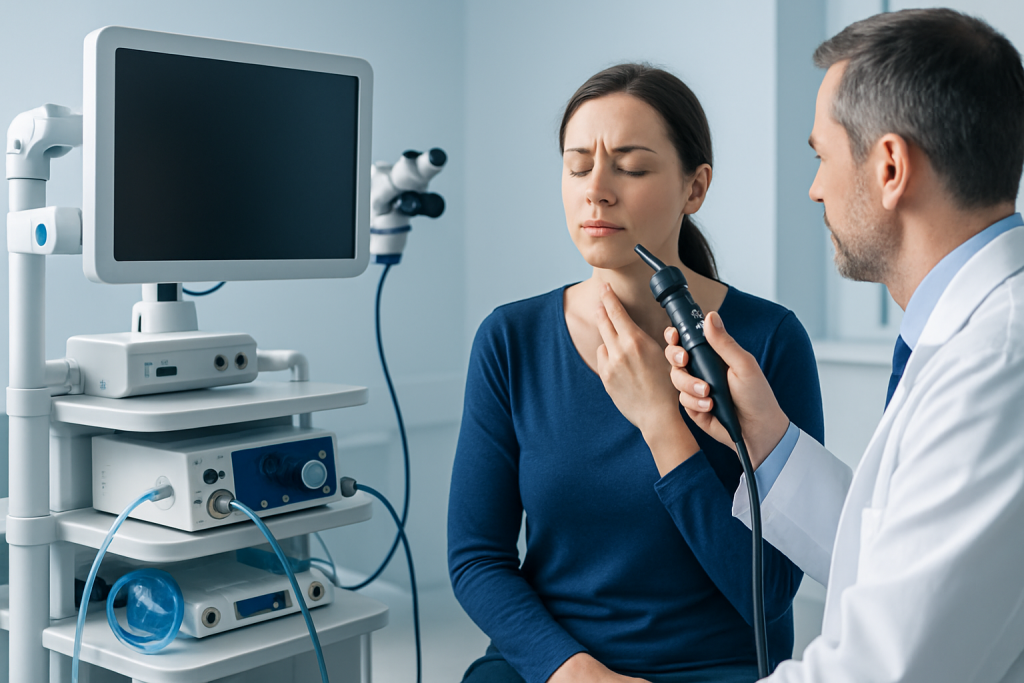
The most typical symptom of strep throat is a sore throat that comes on suddenly and feels more severe than a routine scratchy throat. Many people describe pain when swallowing, a dry or irritated feeling in the throat, and a sense that the throat is “swollen” or tight.
Other common signs include fever, chills, headache, and swollen or tender lymph nodes in the front of the neck. The tonsils may look red and enlarged, and some people develop white patches or spots of pus on them. In children, strep throat can also cause stomach pain, nausea, vomiting, or poor appetite.
Features that make a viral illness more likely include cough, runny nose, hoarseness, and red eyes. That said, symptoms can overlap, which is why a clinician does not rely on appearance alone. A person with a mild sore throat and a few “cold” symptoms may still need an exam if strep is circulating in the community or in the household.
- Sudden throat pain
- Painful swallowing
- Fever
- Swollen neck glands
- Red, enlarged tonsils, sometimes with white patches
- Headache or stomach upset, especially in children
Causes & Risk Factors

Strep throat is caused by infection with group A Streptococcus bacteria. These germs spread through respiratory droplets and close contact, especially when an infected person coughs, sneezes, talks closely, or shares utensils, drinks, or other personal items.
Children and adolescents are affected more often than adults, partly because of school and group settings where germs spread easily. People are also more likely to catch it during times of close indoor contact, such as family gatherings, group tours, dormitory living, or crowded travel.
Several situations can increase the chance of exposure: living with a person who has strep, being in a classroom or daycare setting, having recently been in close contact with someone who is ill, or having repeated throat infections in the past. A person with enlarged tonsils or frequent tonsillitis may notice throat symptoms more often, but those factors do not by themselves prove strep throat.
Diagnosis
Because many throat infections look similar at the beginning, the diagnosis usually starts with a physical examination and a review of symptoms. A clinician may look at the throat, feel the neck for swollen lymph nodes, and ask whether cough, runny nose, or hoarseness are present.
The key test is often a throat swab. A rapid antigen test can provide a quick result in many settings, while a throat culture may be used when the rapid test is unclear or when a more sensitive check is needed. In some clinics, both are used together depending on age, symptoms, and local practice.
This is one of the most useful moments for patients traveling internationally: a short test can prevent days of uncertainty and self-treatment. If someone is already abroad, a local ENT clinic, urgent care center, or general medical facility can often perform the evaluation without requiring a long delay.
Treatment Options
When strep throat is confirmed, treatment usually includes antibiotics prescribed by a clinician. These medicines are used to treat the bacterial infection, reduce the risk of complications, and lower the chance of spreading it to others. It is important to take the full course exactly as directed, even if symptoms begin to improve earlier.
Symptom relief is also part of care. Rest, drinking enough fluids, and using gentle pain-relief measures recommended by a clinician can make swallowing more comfortable. Warm liquids, soft foods, and throat-soothing options may help some people feel better while the infection settles.
People should avoid sharing cups, utensils, or toothbrushes during the contagious period and should pay attention to hygiene at home or while traveling. If symptoms are severe, if swallowing becomes difficult, or if the illness is not improving as expected, a follow-up visit may be needed to look for another cause or a complication such as an abscess.
Prevention & Self-care
Simple daily habits can reduce the chance of catching or spreading strep throat. Handwashing is one of the most effective steps, especially after coughing or sneezing, before eating, and after contact with shared surfaces. Covering the mouth and nose when coughing or sneezing also helps protect others.
People who have strep throat should avoid close contact until a clinician says they are no longer contagious, particularly during the first phase of treatment. Household members may benefit from not sharing drinking glasses, towels, or personal items, and from cleaning high-touch surfaces in shared spaces.
For self-care, hydration and rest are often helpful. Soft foods may be easier to swallow, and a person should pay attention to fever, worsening throat pain, or signs of dehydration. For those recovering away from home, keeping a copy of test results, prescriptions, and follow-up instructions can make continuity of care easier if symptoms change during the trip.
When to See a Doctor
A doctor should evaluate a sore throat that is severe, sudden, or accompanied by fever, swollen neck glands, or white patches on the tonsils. Medical assessment is also wise when symptoms last more than a few days, when strep has been confirmed in a close contact, or when a child has repeated throat infections.
Urgent care is important if a person has trouble breathing, cannot swallow fluids, has drooling, has a muffled “hot potato” voice, or develops significant neck swelling. These signs may suggest a complication that needs prompt attention. While most sore throats are not emergencies, it is better to have a reassuring exam than to wait if swallowing is becoming difficult.
For people traveling from another country, it is reasonable to seek care sooner rather than later if symptoms begin before a flight or during a stay abroad. Acibadem Health Point’s multidisciplinary specialists and JCI-accredited hospitals can diagnose and treat strep throat for international patients, helping coordinate care in a way that fits travel plans and follow-up needs.
Outlook and Recovery
Most people recover well once the correct diagnosis is made and treatment begins. Symptoms often start to ease after the first couple of days of treatment, although fatigue and throat tenderness can take a little longer to settle.
Follow-up is not always necessary, but it becomes more important if symptoms do not improve, if a fever returns, or if new signs appear after treatment has started. In children, recurrent infections may prompt a clinician to think about repeated exposure, carrier states, or the need for a closer ENT review.
For patients managing care from abroad, it helps to plan for a short recovery window, keep medications accessible, and know where to return if symptoms do not follow the expected course. A clear plan makes the experience less stressful and supports safer recovery.
Frequently asked questions
How can someone tell strep throat from a regular sore throat?
Strep throat often begins suddenly and may come with fever, swollen neck glands, and red or swollen tonsils. Cough, runny nose, and hoarseness are more common with viral infections, but symptoms can overlap. A throat swab is usually needed to confirm the cause.
Does every sore throat need antibiotics?
No. Antibiotics are used when a bacterial infection such as strep throat is confirmed or strongly suspected by a clinician. Many sore throats are caused by viruses and improve without antibiotics.
Is strep throat contagious?
Yes, it can spread easily through close contact and respiratory droplets. People are usually advised to be careful with hygiene and to avoid close contact until they have started treatment and are no longer considered contagious by their clinician.
Can adults get strep throat too?
Yes, although it is seen more often in children and teenagers. Adults can still develop the infection, especially after close contact with an infected child or family member.
When should a child with a sore throat be checked by a doctor?
A child should be seen if the sore throat is sudden, severe, or comes with fever, stomach pain, vomiting, or swollen neck glands. Testing is also sensible if strep is going around at school or in the household.
What if symptoms start while traveling abroad?
It is reasonable to seek local medical care for evaluation rather than waiting until returning home. A throat swab can clarify the cause, and having clear test results makes follow-up easier if treatment is started away from home.
References
- Centers for Disease Control and Prevention
- American Academy of Pediatrics
- World Health Organization
- Mayo Clinic
- National Health Service
This article is for general information only and is not a substitute for professional medical advice. Please consult a qualified doctor about your individual situation.
Explore treatments in Turkey — costs, top hospitals & a free quote
JCI-accredited · board-certified surgeons · reply within 24h
Add us as a Preferred Source to see more of our trusted health content across Google Search, AI Overviews and Discover.