How Long Does Pink Eye Last?

Key Takeaways
- Pink eye duration depends on whether it is viral, bacterial, allergic, or irritation-related.
- Many viral cases improve on their own, while bacterial cases may need prescribed treatment.
- Symptoms such as redness, discharge, itching, and tearing can overlap, so an eye exam may be needed.
- Good hand hygiene and avoiding eye rubbing help limit spread and reduce irritation.
- Persistent pain, vision changes, light sensitivity, or symptoms that do not improve should be assessed by a doctor.
Medically reviewed by the Acıbadem clinical team — August 19, 2026
Pink eye, or conjunctivitis, can last from a few days to a few weeks depending on the cause. Understanding the type of infection or irritation helps set realistic expectations for recovery and guides when medical care is needed.
Overview
Pink eye is the common name for conjunctivitis, an inflammation of the thin membrane that covers the white part of the eye and the inner eyelid. For many people, the first question is not what the condition is, but how long it will stay. The answer depends mainly on the cause, because pink eye is not a single illness but a group of eye problems with similar signs.
Some cases clear in a few days, while others linger for one to two weeks or longer. Viral conjunctivitis often follows the same course as a cold and gradually settles, bacterial conjunctivitis may improve faster with treatment, and allergic conjunctivitis can last as long as the trigger is present. Irritation from smoke, dust, chlorine, or contact lenses may improve once the source is removed.
For international patients planning care away from home, the timeline also matters for travel and follow-up. A doctor can help identify the likely type early, which makes it easier to choose safe self-care, know whether treatment is needed, and decide when it is reasonable to resume work, school, or flying.
Symptoms
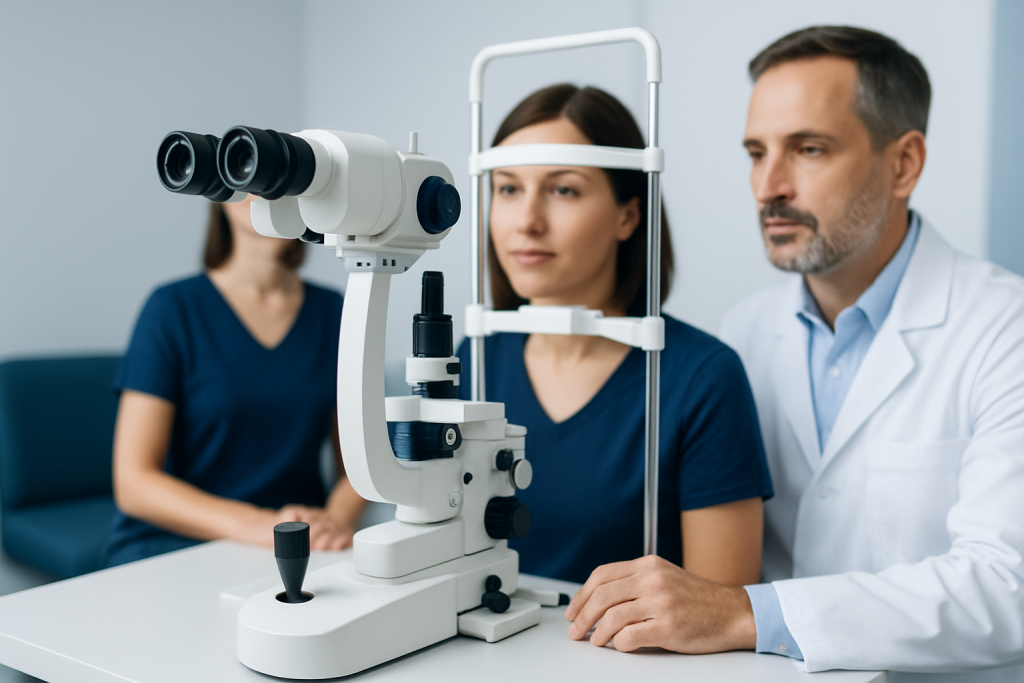
Pink eye usually announces itself in a way that is hard to ignore. The eye may look red or pink, feel gritty, and produce tears or discharge. Some people notice that the eyelids are sticky after sleep, while others mainly experience itching or burning.
The pattern of symptoms can offer clues about how long the condition might last. Viral conjunctivitis often begins in one eye and spreads to the other, with watery discharge and a recent upper respiratory infection. Bacterial conjunctivitis more often causes thicker discharge and eyelids that stick together, while allergic conjunctivitis usually brings intense itching, tearing, and symptoms in both eyes.
Some symptoms deserve special attention because they point beyond ordinary conjunctivitis. Pain, marked light sensitivity, reduced vision, or a feeling that something is truly stuck in the eye may signal a different problem and should not be ignored.
- Redness in one or both eyes
- Watery or thick discharge
- Itching, burning, or irritation
- Crusting of the eyelashes, especially in the morning
- Swollen eyelids or mild swelling around the eyes
Causes & Risk Factors

The duration of pink eye is closely tied to what caused it in the first place. Viral conjunctivitis is usually linked to common viruses and spreads easily through hand-to-eye contact or shared items. Bacterial conjunctivitis can occur after exposure to bacteria on hands, towels, cosmetics, or contaminated lenses. Allergic conjunctivitis is triggered by pollen, dust mites, pet dander, or other allergens, and may continue until exposure decreases.
Irritation can also cause symptoms that resemble pink eye. Smoke, chemical fumes, chlorine from pools, wind, and foreign particles may inflame the eye surface. Contact lens wear is another important factor, especially if lenses are worn too long, cleaned poorly, or used while sleeping.
Several everyday situations increase the chance of catching or prolonging conjunctivitis. Close household contact, school settings, shared linens, recent upper respiratory infection, and poor hand hygiene can all play a role. People who are already dealing with dry eyes, eyelid inflammation, or weakened immunity may also recover more slowly.
Diagnosis
Most of the time, a doctor can diagnose pink eye by asking about symptoms and examining the eye. The appearance of the discharge, whether one or both eyes are involved, recent illness, contact lens use, and exposure to allergens or irritants all help narrow the cause. This matters because the expected duration and the best treatment can differ significantly.
In straightforward cases, no special test is needed. If symptoms are severe, unusual, recurrent, or not improving, the doctor may check vision, examine the cornea, or take a sample from the eye to look for infection. This is especially important for contact lens wearers and for anyone with eye pain or reduced vision.
For patients traveling internationally, diagnosis is often best confirmed before departure whenever possible. That allows the care plan to be clear in advance, including whether antibiotics, allergy treatment, or simply observation is the safest approach. It also helps avoid unnecessary medication use and makes follow-up easier if symptoms do not behave as expected.
Treatment Options
Treatment is matched to the cause, and the expected duration often improves once the right approach is chosen. Viral conjunctivitis usually resolves on its own, so care focuses on comfort: cool compresses, artificial tears, and careful hygiene. Bacterial conjunctivitis may be treated with prescription eye drops or ointment when a doctor feels they are appropriate.
Allergic conjunctivitis is commonly managed by reducing exposure to triggers and using allergy-directed treatment. Irritation-related conjunctivitis often settles after the offending substance is removed and the eye is rinsed gently with clean water or saline if advised. Contact lens wear should usually pause until the eye has fully recovered and a clinician says it is safe to resume.
Because the eye is delicate, it is best to avoid self-treating with leftover antibiotics, steroid drops, or unverified remedies. Some drops can worsen certain conditions if used incorrectly. A doctor may also recommend temporary limits on makeup, shared towels, swimming, and lens use to prevent spread and support healing.
- Use artificial tears if recommended to relieve dryness and irritation
- Apply a clean cool compress for comfort
- Wash hands often and avoid touching the eyes
- Throw away eye makeup used during the infection
- Follow the doctor’s instructions exactly if a prescription is given
Prevention & Self-care
Many cases of pink eye can be made shorter, or at least less troublesome, with simple daily habits. The eye should be left alone as much as possible, because rubbing can spread infection, worsen swelling, and increase irritation. Handwashing remains one of the most effective ways to reduce transmission.
Households and travelers can also take practical steps to avoid passing the condition from person to person. Towels, pillowcases, cosmetics, and eye drops should not be shared. If symptoms are active, it is wise to clean commonly touched surfaces and avoid close face-to-face contact when feasible.
For people who wear contacts, careful lens hygiene is especially important. Lenses, cases, and solutions should be replaced according to professional advice, and lenses should not be worn again until the eye has recovered and a doctor has cleared their use. Those who are prone to allergies may benefit from reducing exposure to known triggers and planning ahead during high-pollen seasons.
When to See a Doctor
Pink eye often improves without urgent care, but certain changes suggest the need for prompt evaluation. A doctor should be consulted if symptoms are not improving after a few days, if discharge is heavy, or if the condition keeps returning. People who wear contact lenses should be assessed sooner rather than later, because infections involving the cornea can develop more easily in this group.
Medical attention is also important if the eye pain is more than mild, vision becomes blurry or reduced, or light suddenly feels uncomfortable. These symptoms are not typical of uncomplicated conjunctivitis and may point to a more serious eye disorder. Infants, people with weakened immunity, and anyone with a recent eye injury should be examined without delay.
For international patients, a timely review can be especially useful before travel or during a stay abroad, since the right diagnosis may determine whether flying, swimming, or continuing lens wear is sensible. Acibadem Health Point’s multidisciplinary specialists and JCI-accredited hospitals diagnose and treat eye conditions for international patients, helping coordinate care in a way that is clear and practical.
Recovery Timeline and What to Expect
Recovery is often gradual rather than dramatic. Viral pink eye may start to feel better within several days, but the redness and tearing can last longer, sometimes up to two weeks or more. Bacterial conjunctivitis may improve faster once appropriate treatment begins, though the eye may still need a little time to settle completely.
Allergic conjunctivitis can persist as long as the allergen remains nearby, which is why some people notice that symptoms come and go with seasons, travel, or environmental changes. Irritation-related cases may improve quickly when the trigger is removed, but the surface of the eye can remain sensitive for a short period afterward.
A useful way to think about pink eye is to follow the trend rather than the calendar alone. If the eye is gradually less red, less sticky, and less uncomfortable, recovery is usually on track. If the pattern changes, intensifies, or fails to improve, a doctor should reassess the eye rather than assuming it will simply pass.
Frequently asked questions
How long does pink eye usually last?
The length of time varies by cause. Viral pink eye often lasts about one to two weeks, bacterial cases may improve sooner with treatment, and allergic or irritation-related conjunctivitis can last as long as the trigger remains present.
Can pink eye go away on its own?
Yes, some cases do, especially viral conjunctivitis and mild irritation-related inflammation. Even so, a doctor may still be needed if symptoms are severe, unusual, or not improving as expected.
Is pink eye contagious the whole time it lasts?
Viral and bacterial pink eye can spread while symptoms are active, and sometimes shortly before or after they appear. Careful hand hygiene and not sharing personal items help lower the risk of spreading it to others.
Should contact lenses be worn with pink eye?
Contact lenses should usually be stopped until the eye has fully recovered and a clinician says it is safe to wear them again. Lens use during an active episode can worsen irritation and may increase the risk of more serious infection.
What helps pink eye feel better at home?
Cool compresses, artificial tears if recommended, and rest from contact lenses can improve comfort. It also helps to avoid rubbing the eye, wash hands often, and keep towels, pillowcases, and makeup separate.
When is pink eye not just pink eye?
If there is significant pain, reduced vision, strong light sensitivity, or a history of eye injury, another eye condition may be involved. Those symptoms deserve prompt medical evaluation rather than watchful waiting.
References
- American Academy of Ophthalmology
- Centers for Disease Control and Prevention
- National Eye Institute
- Mayo Clinic
- World Health Organization
This article is for general information only and is not a substitute for professional medical advice. Please consult a qualified doctor about your individual situation.
Explore treatments in Turkey — costs, top hospitals & a free quote
JCI-accredited · board-certified surgeons · reply within 24h
Add us as a Preferred Source to see more of our trusted health content across Google Search, AI Overviews and Discover.