How Long Do You Need to Stay After ENT Surgery?

Key Takeaways
- Some ENT procedures are done as outpatient surgery, while others require overnight or longer monitoring.
- The best time to travel after surgery depends on pain control, bleeding risk, breathing comfort, and the surgeon’s advice.
- Flying or long-distance travel too soon can increase discomfort and make follow-up care harder to manage.
- Recovery plans should include medication access, wound care instructions, and a clear follow-up schedule.
- Patients traveling from another country should allow extra time for checks before departure and for a safe handover to local care if needed.
Medically reviewed by the Acıbadem clinical team — June 13, 2026
The length of stay after ENT surgery depends on the procedure, the person’s overall health, and how recovery is progressing. Many ENT operations are day cases, while others need one or more nights of observation before travel is considered safe.
Overview
“How long do you need to stay after ENT surgery?” is one of the first practical questions many patients ask, especially when treatment happens away from home. The answer is not the same for every ear, nose, and throat procedure. A brief procedure such as a simple nasal or ear intervention may allow the patient to go home the same day, while more complex operations may call for overnight monitoring or a longer stay.
What matters most is not the calendar alone, but whether recovery is stable enough for the patient to rest, breathe comfortably, drink fluids, manage pain, and return for follow-up if needed. For international patients, the plan also needs to fit travel logistics, medication access, and the possibility of a check-up before leaving the country.
ENT surgery is often planned with a recovery window in mind. Surgeons consider the type of surgery, the expected swelling or bleeding, whether packing, splints, or drains are in place, and whether the person has medical conditions such as sleep apnea, diabetes, or a bleeding tendency. These details help determine whether the safest answer is a few hours, a night, or several days.
Which ENT procedures usually require a short stay?
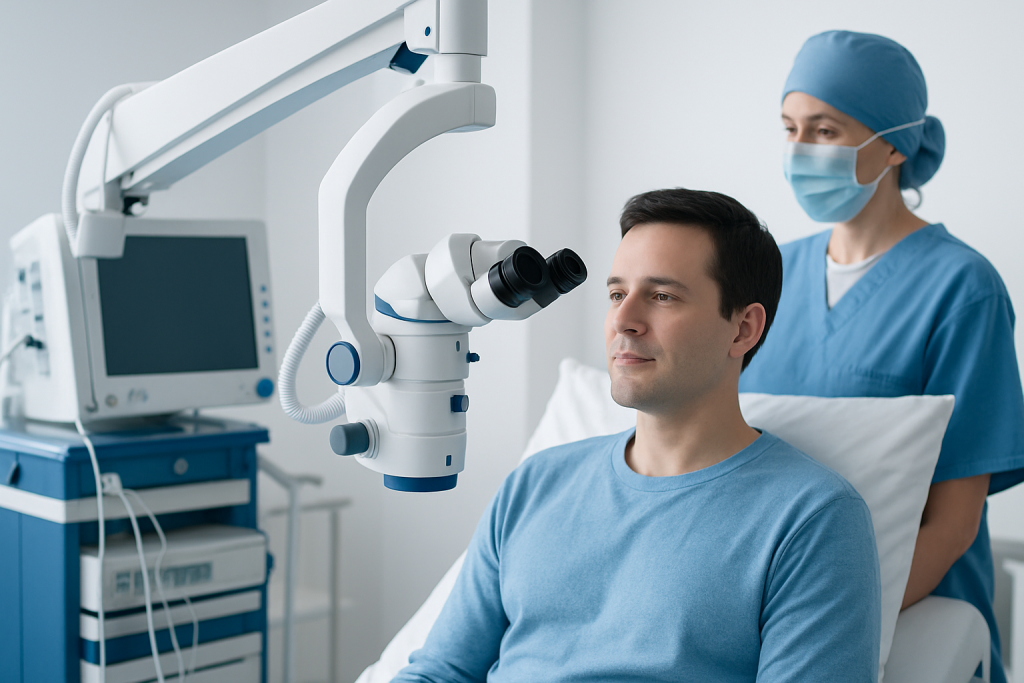
Some ENT procedures are commonly performed as day surgery, meaning the patient can return to the hotel or home once the team confirms that recovery is stable. This is often possible when the surgery is limited in scope, anesthesia has worn off well, and there is no concern about bleeding, breathing, or nausea.
Examples may include selected ear procedures, certain endoscopic nasal procedures, minor throat procedures, and diagnostic or corrective treatments that do not usually require close overnight observation. Even so, “day surgery” does not mean “no recovery time.” The patient still needs a responsible adult nearby, a quiet place to rest, and clear instructions about medication and warning signs.
Other ENT operations are more likely to involve at least one night in hospital. This may be recommended if swelling could affect breathing, if the procedure is expected to be painful, if there is a higher risk of bleeding, or if the surgeon wants to observe the patient after general anesthesia. A longer stay may also be useful when the patient has traveled internationally and needs one more review before departure.
- Same-day discharge is more common after smaller, routine procedures.
- Overnight stay is more common when monitoring, pain control, or airway safety is important.
- Longer admission may be needed after complex surgery or if recovery is slower than expected.
What affects the length of stay after surgery?

Procedure type is only one part of the decision. The surgeon will also look at how the patient responds immediately after anesthesia, whether pain is under control, and whether nausea, dizziness, or bleeding is present. If a patient has trouble drinking fluids, walking safely, or managing secretions, staying longer may be the better choice.
Individual health also matters. A patient with chronic conditions, a history of sleep-related breathing problems, or a higher bleeding risk may need extra observation. Age can play a role as well, not because of age alone, but because some patients need more time to regain confidence with eating, moving, and taking medicines safely after surgery.
Travel plans are especially important for patients coming from abroad. A long flight, train ride, or car journey can be uncomfortable soon after ENT surgery, and cabin pressure changes may not be ideal after certain ear or sinus procedures. The team may suggest waiting until the patient is medically stable, comfortable with follow-up instructions, and able to travel without increasing risk.
- Extent and location of the surgery
- Type of anesthesia used
- Bleeding or swelling risk
- Ability to eat, drink, and breathe comfortably
- Distance and method of travel after discharge
How doctors decide when it is safe to leave
Before discharge, the care team usually checks that the patient is awake enough, vital signs are stable, pain is manageable, and there is no concerning bleeding. They also make sure the patient can move safely, tolerate fluids if allowed, and understand home-care instructions. In many ENT cases, this conversation is as important as the surgery itself, because recovery continues after the patient leaves the hospital.
For nasal procedures, the team may check whether packing or splints are in place and whether the patient knows how to sleep, clean the area, and avoid strain. After ear surgery, the doctor may explain how to keep the ear dry, how to manage pressure changes, and which symptoms should prompt a call. After throat surgery, the focus may be on swallowing comfort, hydration, and watching for bleeding.
International patients often benefit from a planned discharge review the day before travel. This can include wound care guidance, a medication list, a note explaining the procedure, and a follow-up appointment or local referral plan. A well-organized handover reduces confusion once the patient is back home, especially if language barriers or time-zone differences could delay questions later.
Recovery time at the hospital versus recovery time at home
Leaving the hospital does not mean the recovery is finished. The first few days after ENT surgery are often spent managing swelling, conserving energy, and following instructions carefully. Some people feel well enough to resume light activity quickly, but it is still wise to avoid lifting, straining, vigorous exercise, smoking, or anything the surgeon has specifically restricted.
If the patient is staying locally after surgery, the recovery plan may include a nearby hotel, a companion, and a short return visit for review. This arrangement can be helpful for patients who have traveled for treatment, because it allows the medical team to confirm that healing is on track before the journey home. For some procedures, even one extra day in the area can make the discharge process simpler and safer.
For those who need to fly home, timing should be individualized. The surgeon may want to see the patient before departure, especially after ear or sinus procedures, or after surgery that involved packing, splints, or drains. The general goal is not to delay travel unnecessarily, but to avoid leaving before symptoms are predictable and manageable.
ENT surgery types and common stay patterns
Different ENT operations have different recovery rhythms, so it helps to think in patterns rather than fixed rules. A minor procedure may allow the patient to leave the same day, while a more involved operation may require closer observation and a staged return to activity. The surgeon’s discharge plan should always take priority over any general estimate.
Ear surgery may require care around pressure, hearing changes, and keeping the ear protected. Sinus surgery often involves attention to nasal swelling, congestion, and avoiding heavy lifting or nose blowing. Throat procedures may require the most attention to hydration, swallowing, and watching for bleeding, especially in the early days after surgery.
In practice, the stay after ENT surgery is shaped by safety checkpoints rather than a fixed number. A patient who looks well but still feels faint, has persistent nausea, or cannot manage pain may need more time. Another patient may be discharged quickly if recovery is smooth and instructions are clear.
- Minor procedures: often same-day discharge
- Moderate procedures: often overnight observation
- Complex procedures: may need several days in hospital
Practical self-care after discharge
The first responsibility after discharge is to follow the surgeon’s instructions exactly as given. This usually includes when to take medicines, how to clean or protect the surgical site, what foods or drinks are comfortable, and which activities to avoid. Patients should keep all medications, documents, and contact numbers together in one easy-to-find place, especially when traveling.
Rest is important, but so is knowing what normal recovery feels like. Mild pain, congestion, a scratchy throat, or temporary ear fullness can be expected after some ENT operations. However, any instruction about bleeding, fever, worsening pain, breathing difficulty, or inability to drink should be taken seriously and discussed with the care team promptly.
Patients recovering away from home should plan ahead for practical needs such as transport to follow-up visits, a quiet place to sleep, and help with shopping or luggage. It is also sensible to avoid long, tiring sightseeing plans immediately after surgery. A calm recovery period supports healing better than trying to fit treatment into a busy travel schedule.
- Keep discharge papers and prescriptions accessible
- Follow activity limits, even if energy returns quickly
- Protect the surgical area from water, pressure, or trauma as instructed
- Arrange support for the first 24–48 hours after discharge
When to see a doctor
Most recovery concerns after ENT surgery can be clarified by the surgical team, but some symptoms deserve prompt medical review. Patients should contact a doctor if bleeding is heavy or does not settle, pain becomes harder to control, fever develops, breathing feels blocked, or fluids cannot be kept down. These signs do not always mean something serious has happened, but they should not be ignored.
It is also sensible to seek advice if swelling seems to be getting worse instead of gradually improving, if the wound or nasal discharge has an unusual smell, or if hearing, swallowing, or dizziness changes in a way that feels unexpected. When in doubt, a phone call or message to the surgical clinic is better than waiting and worrying.
For patients traveling internationally, the safest plan is to know in advance whom to contact after leaving the country and how urgent issues will be handled across time zones. Acibadem Health Point’s multidisciplinary specialists and JCI-accredited hospitals support international patients with diagnosis, treatment, and coordinated follow-up planning, so recovery can continue with a clear medical pathway once the patient is ready to go home.
A practical way to think about the stay
There is no single answer that fits every ENT surgery, because the right length of stay depends on the operation and on how the patient is recovering in real time. A same-day discharge may be perfectly appropriate for one person, while another benefits from a night or more of observation before traveling.
The most useful question is not simply “How long should I stay?” but “What needs to be true before it is safe for me to leave?” If the patient can breathe comfortably, manage pain, tolerate movement, and follow a care plan with confidence, discharge may be possible. If any of those pieces are still uncertain, a longer stay may provide peace of mind and better safety.
Patients planning ENT surgery abroad should discuss timing early, including the expected discharge day, the earliest safe travel date, and whether a final review is recommended before departure. Clear planning helps the trip home feel less rushed and gives the healing process a steadier start.
Frequently asked questions
Can many ENT surgeries be done as day surgery?
Yes, some ENT procedures are suitable for same-day discharge if recovery is smooth and the surgeon feels it is safe. This depends on the type of surgery, the anesthesia used, and how the patient feels afterward.
How soon can someone fly after ENT surgery?
The timing varies by procedure and by individual recovery. After some ear or sinus operations, flying too soon may be uncomfortable or not recommended, so the surgeon should confirm the safest timing before travel.
Why might a patient need to stay overnight after ENT surgery?
Overnight stay may be recommended for pain control, bleeding observation, breathing safety, or recovery from anesthesia. It can also be helpful when the patient is traveling from another country and needs one more check before leaving.
What should be arranged before leaving the hospital?
Patients should leave with written instructions, prescriptions, follow-up details, and a clear understanding of warning signs. If traveling, they should also know who to contact if symptoms change after going home.
Is mild pain or congestion normal after ENT surgery?
Yes, some discomfort, congestion, or temporary fullness can be part of normal healing after certain ENT procedures. The care team should be contacted if symptoms become severe, steadily worsen, or are accompanied by bleeding or breathing problems.
Does a longer hospital stay mean the surgery went badly?
Not necessarily. A longer stay often reflects a cautious recovery plan, especially for procedures with swelling, bleeding risk, or travel considerations. It can simply mean the medical team wants to be sure the patient leaves at the right time.
References
- American Academy of Otolaryngology–Head and Neck Surgery
- NHS
- Mayo Clinic
- MedlinePlus
- World Health Organization
This article is for general information only and is not a substitute for professional medical advice. Please consult a qualified doctor about your individual situation.