High Platelet Count: Causes and Treatment

Key Takeaways
- A high platelet count can happen for many reasons, and not all of them are serious.
- Repeat blood tests and a careful review of symptoms and medical history help identify the cause.
- Reactive thrombocytosis is often linked to infection, inflammation, surgery, iron deficiency, or blood loss.
- Persistent or very high platelet counts may need hematology evaluation and targeted treatment.
- Healthy follow-up matters, especially when care is being arranged across countries or after a recent illness or procedure.
Medically reviewed by the Acıbadem clinical team — August 19, 2026
A high platelet count, also called thrombocytosis, is a finding on a blood test rather than a diagnosis by itself. It may be temporary, related to inflammation or iron deficiency, or, less commonly, a sign of a bone marrow condition that needs specialist care.
Overview
Platelets are tiny blood cells that help the body stop bleeding and begin repair after an injury. When a blood test shows more platelets than expected, the result is called a high platelet count, or thrombocytosis. By itself, this number does not explain why it is elevated, so the next step is usually to look for the reason behind it.
In many people, the rise is temporary and happens as part of the body’s normal response to something else, such as an infection, recent surgery, inflammation, or iron deficiency. In fewer cases, a high platelet count reflects a bone marrow disorder in which the body makes too many platelets on its own. Understanding which of these patterns is present helps guide the right follow-up.
For international patients, this often begins with a routine test done before travel, before an operation, or during evaluation for fatigue, bruising, or another unrelated concern. A careful explanation of the result matters because the same laboratory number can mean very different things depending on the person’s overall health.
Symptoms
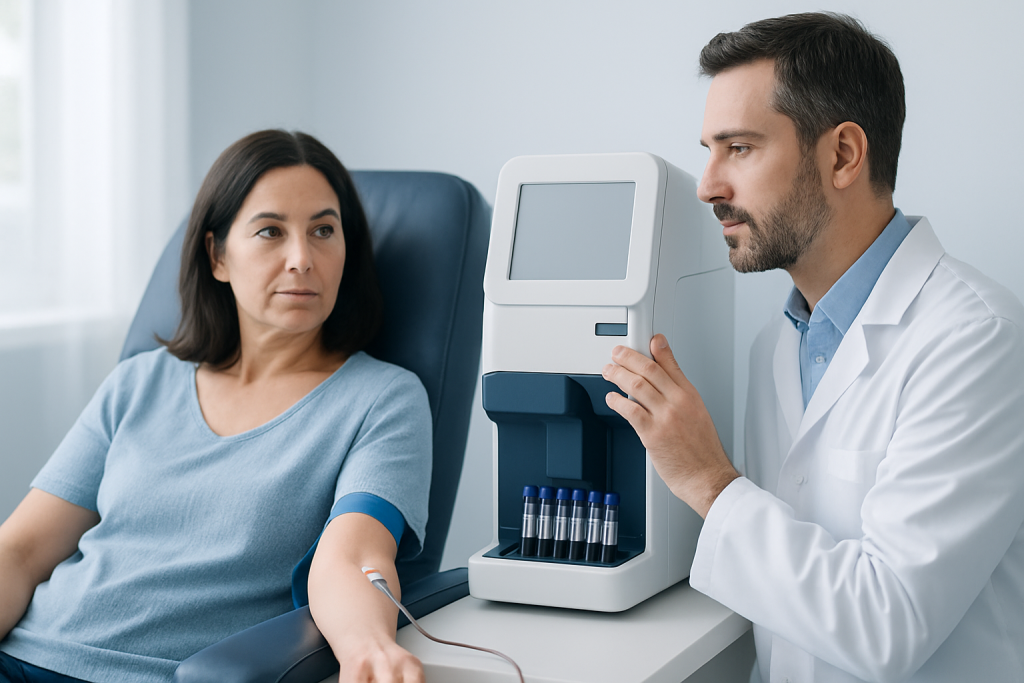
Many people with a high platelet count feel completely well, and the finding is discovered only on a routine complete blood count. That is one reason the result can feel surprising: there may be no obvious warning signs at all.
When symptoms do appear, they are often related to the condition causing the platelet rise rather than to the platelet count itself. For example, iron deficiency may cause tiredness and weakness, while infection or inflammation may bring fever, pain, or swelling. In some cases, very high platelets can be associated with headaches, dizziness, visual changes, numbness, or a burning feeling in the hands or feet.
Less commonly, high platelet counts may be linked with unusual clotting or bleeding tendencies. Signs to discuss promptly with a doctor include chest pain, shortness of breath, sudden one-sided weakness, trouble speaking, black stools, frequent nosebleeds, or unexplained bruising.
Causes & Risk Factors

There are two broad categories of thrombocytosis. Reactive, or secondary, thrombocytosis is much more common and occurs when the body makes more platelets in response to another issue. Primary thrombocytosis, also called essential thrombocythemia or another myeloproliferative disorder, comes from the bone marrow itself.
Common triggers for a reactive rise include recent infection, chronic inflammation, blood loss, iron deficiency, recovery after surgery, some cancers, tissue injury, and removal of the spleen. These causes are often discovered by looking at the patient’s history, medications, recent procedures, and other blood test results.
Risk factors for a persistent or more concerning platelet elevation include older age, a history of clotting problems, abnormal findings on other blood counts, and symptoms that suggest a bone marrow disorder. Smoking, dehydration, and some medications may also affect blood results, although they do not usually explain a sustained high platelet count on their own.
Diagnosis
Diagnosis starts with confirming that the platelet count is truly elevated and not a temporary fluctuation or lab variation. A doctor will usually review the complete blood count and may repeat it to see whether the result persists.
The evaluation often includes a detailed medical history and physical examination, with attention to recent infection, bleeding, surgery, inflammatory disease, iron intake, menstrual history, and any previous abnormal blood tests. Additional tests may be ordered to look for iron deficiency, inflammation, infection, or other conditions that could explain the finding.
If the platelet count remains high without a clear cause, or if other blood counts are abnormal, a hematologist may recommend further testing. This may include a peripheral blood smear, molecular tests for certain bone marrow mutations, or, in selected cases, a bone marrow examination. These steps help distinguish reactive thrombocytosis from a primary blood disorder that needs different management.
Treatment Options
Treatment depends on the cause, not just the number on the lab report. If the elevation is reactive, care usually focuses on the underlying issue, such as treating infection, correcting iron deficiency, managing inflammation, or recovering from surgery or blood loss.
When a primary bone marrow disorder is diagnosed, treatment is individualized. A doctor may consider medicines that reduce clotting risk or lower platelet production, and in some cases recommend careful monitoring rather than immediate medication. The right plan depends on the person’s age, symptoms, clotting history, and other health conditions.
It is important not to start aspirin or other blood-thinning medicines on one’s own, because they are not appropriate for every patient and can increase bleeding risk in some settings. For people arranging evaluation from abroad, having the original lab reports, prior imaging, and medication list available can make treatment decisions faster and safer.
Prevention & Self-care
Not every high platelet count can be prevented, but some causes are easier to reduce or manage. A balanced diet, adequate iron intake when appropriate, good hydration, and timely care for infections or inflammatory conditions all support healthier blood counts.
Self-care also means following up on repeat testing rather than assuming the result will normalize on its own. If a doctor has identified iron deficiency, inflammation, or another medical problem, taking the prescribed plan seriously is often the most effective way to bring the platelet count back toward normal.
For patients traveling for care, it helps to keep a concise health file that includes prior CBC results, pathology reports, medication names, and details of any clotting or bleeding events. This makes it easier for the receiving team to understand whether the platelet rise is new, improving, or persistent.
- Bring previous blood tests for comparison.
- Share all medications, supplements, and recent procedures.
- Report any history of clots, bleeding, or splenectomy.
- Keep follow-up appointments even if symptoms improve.
When to See a Doctor
A doctor should evaluate a high platelet count when it is newly discovered, persists on repeat testing, or appears alongside symptoms such as fatigue, infection, inflammation, unexplained weight loss, or signs of clotting or bleeding. Even a single abnormal result is worth reviewing in context, especially if there is no obvious short-term explanation.
Urgent medical attention is appropriate if there are symptoms suggesting a blood clot or stroke, such as sudden weakness, facial drooping, chest pain, shortness of breath, or difficulty speaking. Ongoing nosebleeds, black or bloody stools, or unusual bruising also deserve prompt assessment.
In complex or persistent cases, a hematology opinion can be especially helpful. At Acibadem Health Point, multidisciplinary specialists and JCI-accredited hospitals diagnose and treat this condition for international patients who need coordinated evaluation and follow-up.
Living With Follow-up Care
A high platelet count is often most useful as a clue, not an endpoint. Once the cause is known, many people simply need treatment of the underlying condition and periodic blood tests to confirm that the count is settling in the right direction.
When care continues across borders, it helps to plan follow-up before travel ends. The patient should know which results need repetition, what symptoms should trigger a call to the doctor, and who will review the next blood test. Clear communication prevents delays and makes the process feel more manageable.
With the right evaluation, high platelet count can usually be approached in a measured and reassuring way. The goal is not only to lower the number, but to understand why it rose and whether any broader health issue needs attention.
Frequently asked questions
Is a high platelet count always dangerous?
No. Many high platelet counts are temporary and happen in response to another condition, such as infection or iron deficiency. The main question is why the count is elevated and whether it stays high over time.
Can stress cause high platelets?
Short-term stress is not a common direct cause of thrombocytosis. Doctors usually look first for more established causes such as inflammation, bleeding, infection, iron deficiency, or a bone marrow condition.
What blood tests are usually done next?
A doctor may repeat the complete blood count and order tests that check for iron deficiency, inflammation, or infection. If the platelet count remains high without a clear reason, more specialized blood tests may be needed.
Does a high platelet count mean a person has cancer?
Not usually. Most cases are related to reactive causes such as infection, inflammation, surgery, or iron deficiency. Cancer is only one of several possible causes and is evaluated in context, not assumed from the number alone.
Can diet lower a high platelet count?
Diet can help if the cause is iron deficiency or another nutritional issue, but it does not treat every type of thrombocytosis. The best approach is to identify the underlying cause and follow a doctor’s plan.
When should follow-up testing be repeated?
The timing depends on the person’s situation and the suspected cause. A doctor may repeat tests in days, weeks, or longer to see whether the platelet count is improving or staying elevated.
References
- MedlinePlus
- National Heart, Lung, and Blood Institute
- Mayo Clinic
- American Society of Hematology
- Merck Manual Professional Edition
This article is for general information only and is not a substitute for professional medical advice. Please consult a qualified doctor about your individual situation.
Explore treatments in Turkey — costs, top hospitals & a free quote
JCI-accredited · board-certified surgeons · reply within 24h
Add us as a Preferred Source to see more of our trusted health content across Google Search, AI Overviews and Discover.