Low Hemoglobin: Symptoms, Causes and Treatment

Key Takeaways
- Hemoglobin helps red blood cells carry oxygen throughout the body.
- Low hemoglobin is a finding, not a diagnosis; the cause matters.
- Common symptoms include tiredness, shortness of breath, weakness, and paleness.
- Iron deficiency, vitamin deficiencies, blood loss, and chronic disease are frequent causes.
- Diagnosis often includes a complete blood count and additional tests to find the underlying reason.
- Treatment may involve diet changes, supplements, medicines, or procedures depending on the cause.
Medically reviewed by the Acıbadem clinical team — August 19, 2026
Low hemoglobin means the blood may not be carrying as much oxygen as the body needs. It is a common finding on blood tests and can have many causes, from iron deficiency to chronic illness, so the next step is usually to identify why it is low rather than treating the number alone.
Overview
Hemoglobin is the protein inside red blood cells that carries oxygen from the lungs to the rest of the body. When hemoglobin is low, the body may have a harder time delivering oxygen where it is needed, which can lead to fatigue, weakness, and other symptoms.
Low hemoglobin is often discovered during a routine blood test or when a person seeks care for feeling unusually tired. It is not a condition by itself; it is a clue that something else may be affecting red blood cell production, red blood cell loss, or both.
For international patients, this often starts with a practical question: is this a temporary issue such as dietary iron deficiency, or does it point to a problem that needs a fuller work-up? A careful evaluation helps answer that question and guides the right treatment.
Symptoms
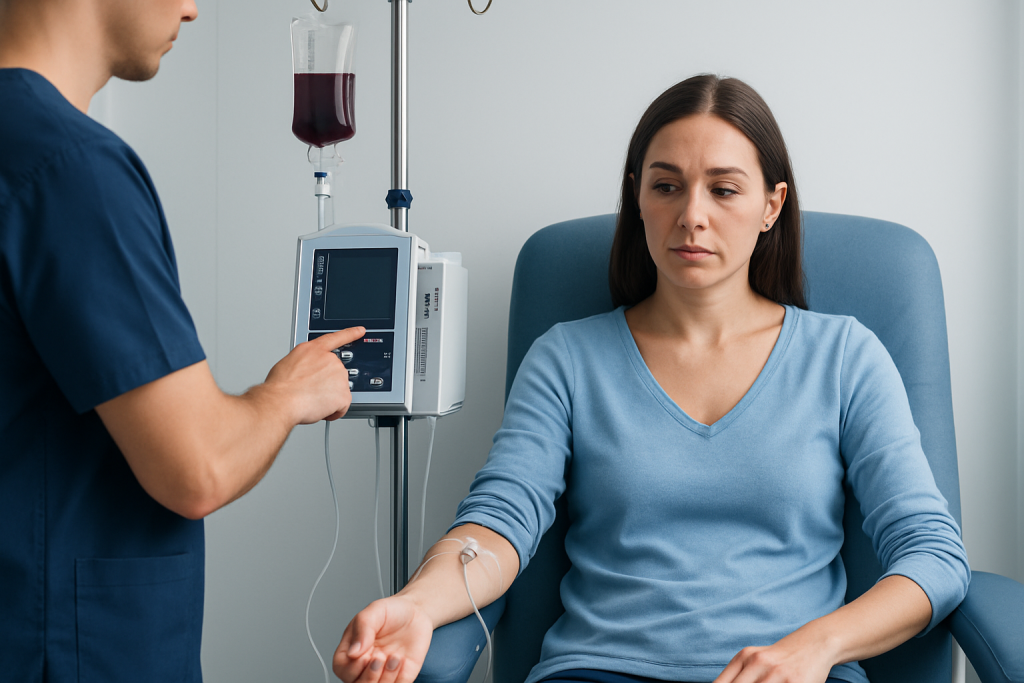
Some people with low hemoglobin notice no symptoms at first, especially if the drop has developed gradually. Others feel it in day-to-day activities such as climbing stairs, walking longer distances, or concentrating at work.
Common symptoms include tiredness, shortness of breath with activity, dizziness, paleness of the skin or inner eyelids, headaches, and a faster heartbeat. Some people also describe feeling cold more easily, having brittle nails, or losing their usual energy for exercise.
Symptoms often depend on how low the hemoglobin is, how quickly it fell, and whether the body has had time to adapt. A person with long-standing mild low hemoglobin may feel different from someone whose level dropped suddenly after bleeding or illness.
Causes & Risk Factors
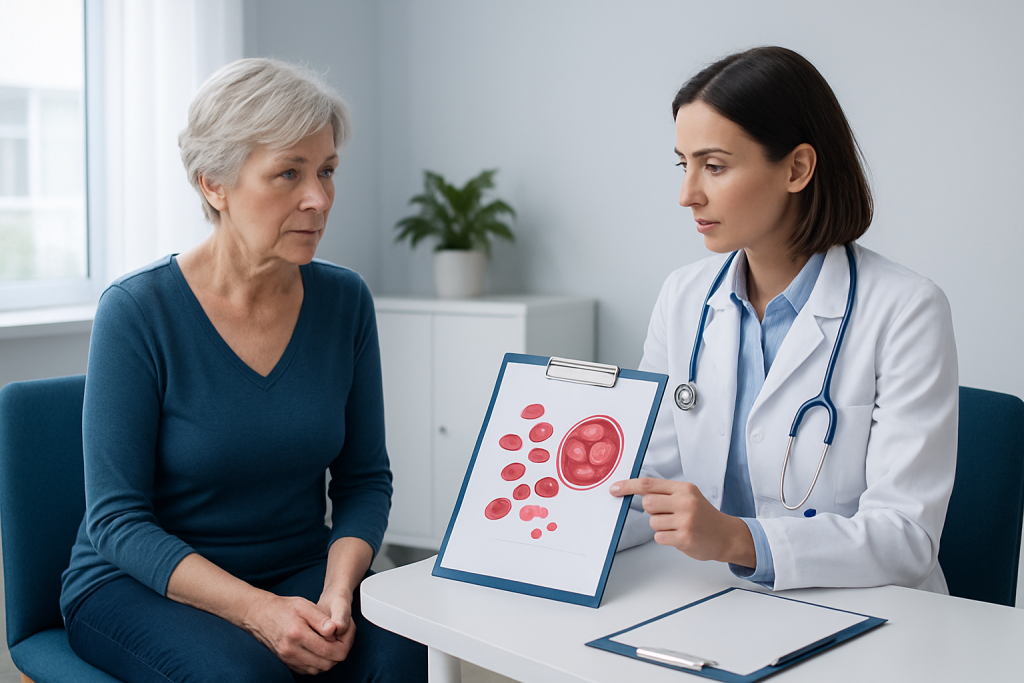
Low hemoglobin can develop for several reasons. The most common is iron deficiency, which may happen from not getting enough iron in the diet, having trouble absorbing iron, or losing blood over time through heavy menstrual periods, digestive tract bleeding, or other causes.
Vitamin B12 or folate deficiency can also reduce the body’s ability to make healthy red blood cells. Other causes include chronic Kidney Disease Treatment" class="ahp-ilk">kidney disease, inflammatory conditions, bone marrow disorders, inherited blood disorders such as thalassemia, and certain medicines that affect blood production.
Risk is higher in people who have ongoing blood loss, restrictive diets, digestive disorders, chronic illness, pregnancy, or a family history of blood disorders. In older adults, low hemoglobin may sometimes be the first sign of hidden blood loss or another underlying medical issue that deserves evaluation.
Diagnosis
The first step is usually a complete blood count, or CBC, which measures hemoglobin and other red blood cell values. These numbers help show whether the pattern fits iron deficiency, vitamin deficiency, blood loss, or another cause.
Depending on the result, a clinician may order ferritin, iron studies, vitamin B12, folate, kidney function tests, reticulocyte count, and tests for inflammation or blood loss. In some cases, stool testing, endoscopy, gynecologic evaluation, or other imaging may be recommended to look for the source of bleeding or a chronic condition.
A good evaluation does more than confirm low hemoglobin. It helps connect the lab result to the patient’s symptoms, travel plans, medical history, diet, medications, and recent changes in health, so treatment can be chosen safely and realistically.
Treatment Options
Treatment depends on the reason hemoglobin is low. If iron deficiency is the cause, a clinician may recommend iron-rich foods, oral iron supplements, or sometimes intravenous iron when absorption is poor or the deficiency is more severe.
If vitamin B12 or folate deficiency is found, replacement therapy is usually needed. When blood loss is the issue, the priority is to identify and manage the source, whether it is heavy menstrual bleeding, a stomach or bowel problem, or another cause. Chronic diseases, kidney disease, and bone marrow conditions may require condition-specific treatment.
In more urgent situations, such as significant blood loss or very low hemoglobin with symptoms, hospital-based treatment may be needed. This can include close monitoring, intravenous fluids, iron therapy, treatment of bleeding, or blood transfusion when clinically appropriate. The exact plan depends on the person’s symptoms, cause, and overall health.
Prevention & Self-care
Not every case of low hemoglobin can be prevented, but some forms can be reduced by supporting healthy blood production. A balanced diet that includes iron, vitamin B12, folate, protein, and other nutrients is helpful, especially for people with dietary restrictions.
Practical self-care also includes taking prescribed supplements as directed, not ignoring ongoing blood loss, and following up on lab tests rather than assuming symptoms will resolve on their own. People who travel for treatment should keep a record of their blood test results, medications, and any past procedures, since this makes follow-up easier across borders.
It is also sensible to avoid self-starting iron long term without knowing the cause. While iron is useful when deficiency is present, low hemoglobin can come from many different issues, and the safest approach is to match treatment to the diagnosis.
When to See a Doctor
A medical evaluation is appropriate when symptoms suggest anemia or when a routine blood test shows low hemoglobin. It is especially important to seek prompt care if low hemoglobin is accompanied by chest pain, fainting, shortness of breath at rest, black or bloody stools, heavy bleeding, or a very rapid heartbeat.
People with chronic illness, pregnancy, a family history of inherited blood disorders, or a history of digestive bleeding should not delay assessment. Even mild low hemoglobin can be worth investigating if it is persistent, worsening, or unexplained.
For patients planning care from abroad, a specialist review can help coordinate the necessary tests efficiently and decide whether treatment should be started before travel, during the visit, or after return home. Acibadem Health Point’s multidisciplinary specialists and JCI-accredited hospitals diagnose and treat low hemoglobin for international patients with coordinated, patient-centered care.
Living With Low Hemoglobin
Many people improve once the underlying cause is found and treated. The key is follow-up: hemoglobin often needs to be rechecked to confirm that treatment is working and that the body is rebuilding healthy red blood cells.
Energy may return gradually rather than overnight, especially if the level was low for a long time. During recovery, it can help to pace activity, maintain good nutrition, and keep appointments for repeat testing or specialist review.
If the cause is chronic, long-term management may be needed. In that situation, the goal is not only to raise hemoglobin, but also to understand the pattern over time and reduce the chance of recurrence.
Frequently asked questions
Is low hemoglobin the same as anemia?
Low hemoglobin is a common feature of anemia, but the term itself is a lab result rather than a diagnosis. A doctor looks for the reason it is low before deciding on treatment.
Can low hemoglobin be caused by diet alone?
Yes, it can, especially when iron, vitamin B12, or folate intake is too low. Still, diet is only one possibility, so persistent low hemoglobin should be checked for other causes too.
What tests are usually done after low hemoglobin is found?
A complete blood count is usually followed by tests such as ferritin, iron studies, vitamin levels, and sometimes kidney or inflammation tests. If blood loss is suspected, additional evaluation may be needed.
Do all people with low hemoglobin need iron tablets?
No. Iron helps when iron deficiency is present, but it is not the right treatment for every cause of low hemoglobin. Taking iron without a clear reason can delay the correct diagnosis.
Can low hemoglobin improve without treatment?
Sometimes a temporary drop may improve if the trigger resolves, but persistent or unexplained low hemoglobin should not be ignored. It is safer to identify the cause and monitor recovery with repeat testing.
When is low hemoglobin urgent?
It needs urgent attention if it comes with chest pain, fainting, severe shortness of breath, black or bloody stools, or ongoing heavy bleeding. These symptoms may signal significant blood loss or another serious problem that needs prompt care.
References
- World Health Organization
- Mayo Clinic
- National Heart, Lung, and Blood Institute
- MedlinePlus
- Merck Manual Professional Edition
This article is for general information only and is not a substitute for professional medical advice. Please consult a qualified doctor about your individual situation.
Explore treatments in Turkey — costs, top hospitals & a free quote
JCI-accredited · board-certified surgeons · reply within 24h
Add us as a Preferred Source to see more of our trusted health content across Google Search, AI Overviews and Discover.