Hematologist: What They Do and When to See One

Key Takeaways
- Hematologists diagnose and manage many blood-related conditions, from anemia to clotting disorders and blood cancers.
- Persistent fatigue, unusual bruising, frequent infections, or abnormal blood test results can be reasons for referral.
- Diagnosis often includes a detailed history, physical examination, blood tests, and sometimes bone marrow or genetic studies.
- Treatment may involve medicines, transfusions, iron therapy, clot prevention, or specialist procedures, depending on the condition.
- Ongoing follow-up is important because many blood disorders need regular monitoring and treatment adjustments.
Medically reviewed by the Acıbadem clinical team — August 19, 2026
A hematologist is a doctor who evaluates and treats conditions that affect the blood, bone marrow, and sometimes the lymphatic system. This article explains when a hematologist may be involved, what tests are commonly used, and how care is planned for patients at home or traveling for treatment.
Overview
A hematologist is a physician who focuses on disorders of the blood, bone marrow, and related parts of the immune and clotting systems. In everyday care, that can mean helping someone understand why they feel unusually tired, why bruises appear too easily, or why a routine blood test looks off.
For many people, the first step is not a dramatic symptom but a pattern: low hemoglobin that keeps returning, a platelet count that is too low or too high, repeated clotting problems, or an unexplained change in white blood cells. A hematologist helps sort out whether those changes are temporary, inherited, medication-related, or part of a more complex disease.
International patients often meet a hematologist when local testing has already raised questions and they want a clearer diagnosis, a second opinion, or a treatment plan that can be coordinated across borders. Because blood conditions may require repeated monitoring, the consultation is often as much about planning the next steps as it is about naming the diagnosis.
Symptoms
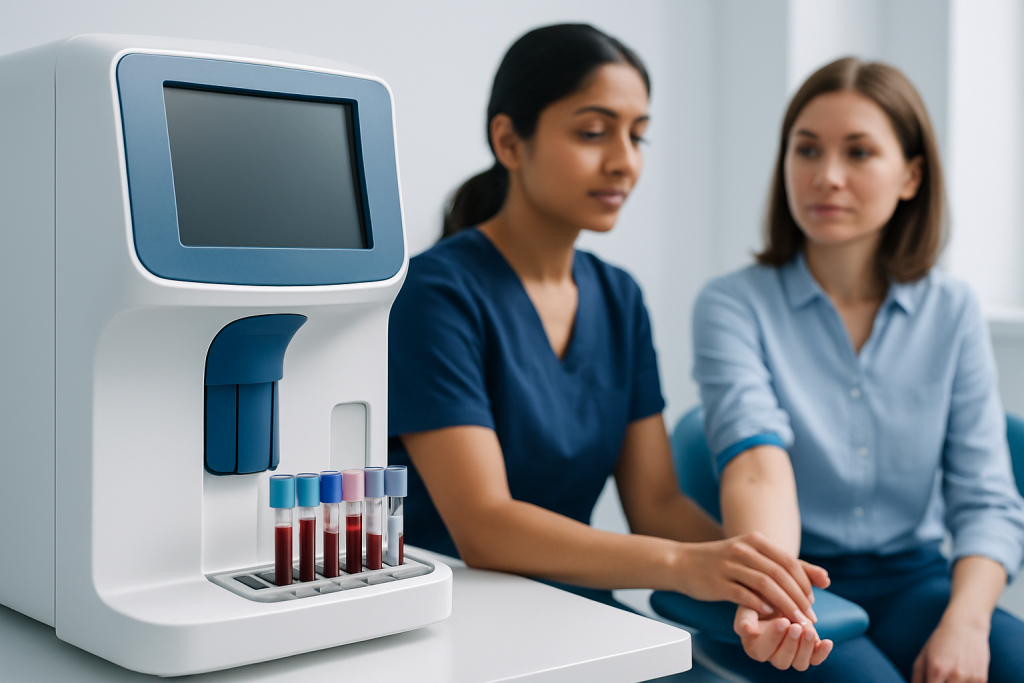
Blood disorders can look very different from one person to the next. Some are found only on a lab report, while others bring noticeable changes in energy, color, bleeding, or infection patterns.
Common reasons a person may be referred to a hematologist include:
- Persistent fatigue, weakness, dizziness, or shortness of breath
- Pale skin or cold intolerance
- Easy bruising or bleeding gums
- Nosebleeds that are frequent or difficult to stop
- Heavy menstrual bleeding
- Frequent infections or fevers without a clear cause
- Swollen lymph nodes, enlarged spleen, or unexplained weight loss
- Blood clots, especially if they occur unexpectedly or repeatedly
Symptoms are not always specific to one condition. For that reason, hematology care usually begins with careful pattern recognition rather than assumptions, which helps avoid both underdiagnosis and unnecessary alarm.
Causes & Risk Factors

Hematologists manage a wide range of conditions, and the causes vary accordingly. Some disorders are inherited, some develop gradually over time, and others are linked to medications, chronic illness, immune system changes, nutritional deficiencies, or cancers that begin in the blood-forming tissues.
Examples include iron-deficiency anemia, vitamin B12 or folate deficiency, hemolytic anemia, thrombocytopenia, hemophilia, von Willebrand disease, sickle cell disease, thalassemia, leukemia, lymphoma, and multiple myeloma. A person may also need a hematology evaluation because of clotting disorders such as deep vein thrombosis or pulmonary embolism.
Risk factors depend on the specific condition, but a hematologist may pay close attention to family history, previous blood clots, autoimmune disease, pregnancy-related changes, cancer history, chronic kidney disease, liver disease, exposure to certain medicines or toxins, and longstanding nutritional problems. A thorough history is especially important for patients traveling from another country, where past records may be incomplete or terminology may differ.
Diagnosis
Diagnosis in hematology usually starts with a conversation about symptoms, medical history, medications, bleeding or clotting events, and family history. A physical examination may look for signs such as pallor, bruising, enlarged lymph nodes, or an enlarged spleen.
Blood tests are the core of most evaluations. These may include a complete blood count, blood smear, iron studies, reticulocyte count, coagulation tests, vitamin levels, kidney and liver function tests, and markers of inflammation or hemolysis. Depending on the results, the doctor may order genetic testing, flow cytometry, imaging, or a bone marrow examination.
For international patients, bringing previous lab reports, biopsy results, medication lists, and imaging on a digital or printed format can make the visit more efficient. A hematologist can then compare old and new results, confirm whether a condition is stable or changing, and build a treatment plan that fits the patient’s travel schedule and follow-up needs.
Treatment Options
Treatment depends entirely on the diagnosis. Some conditions are corrected with simple replacement therapy, while others need long-term specialist care. The goal is to treat the cause, relieve symptoms, and prevent complications such as bleeding, clotting, organ damage, or severe infection.
Common hematology treatments may include iron, vitamin B12, or folate replacement; medicines that stimulate blood cell production; anticoagulation or anti-platelet therapy for selected clotting conditions; transfusions of red blood cells or platelets; immune-based treatments; chemotherapy; targeted therapies; and stem cell transplantation in certain diseases.
Care is often phased. A patient may first need stabilization, then a definitive diagnosis, and later a monitoring plan that continues after returning home. That follow-up can involve repeat blood tests, medication adjustments, and coordination with local doctors so treatment remains consistent across settings.
Prevention & Self-care
Not every blood disorder can be prevented, especially inherited or autoimmune conditions. Still, many patients can support their health by paying attention to nutrition, staying current with routine checkups, and reporting new symptoms early rather than waiting for them to become severe.
Helpful self-care habits may include following the prescribed treatment plan carefully, avoiding overuse of medicines that can affect bleeding unless a doctor approves them, keeping a personal record of lab results, and discussing travel plans in advance if ongoing monitoring is needed. People with anemia may also be advised to review dietary iron and vitamin intake with their clinician, rather than self-treating without a diagnosis.
When care is delivered far from home, organization matters. A simple folder of test results, treatment dates, allergies, and contact details can make future appointments easier, whether follow-up happens locally or through a return visit to the specialist team.
When to See a Doctor
A hematologist should be consulted when routine blood work remains abnormal, symptoms suggest a bleeding or clotting problem, or a primary care doctor wants specialist input on a difficult case. Referral is also appropriate when a patient has recurrent anemia, unexplained low platelets, unusual white blood cell findings, or a family history of an inherited blood disorder.
Some situations need prompt medical attention, especially heavy or uncontrolled bleeding, chest pain, shortness of breath, sudden leg swelling, severe weakness, or signs of serious infection. These symptoms do not always mean a hematologic disease is the cause, but they should be assessed quickly.
For patients seeking care abroad, a hematology consultation can help clarify the diagnosis before travel, narrow down the needed tests, and reduce delays once treatment begins. Acibadem Health Point’s multidisciplinary specialists and JCI-accredited hospitals diagnose and treat hematologic conditions for international patients in a coordinated setting.
Living With Hematologic Conditions
Many blood disorders are manageable, but they often require patience and follow-up. People may need regular laboratory checks, medication changes, or periodic procedures, especially when the condition is chronic or fluctuates over time.
Understanding the diagnosis helps patients participate in care more confidently. It can be useful to know what each test is monitoring, which symptoms should be reported, and how long a treatment might take to work. This is particularly important for people planning to split care between their home country and a specialist center abroad.
A hematologist’s role is not limited to naming a disease; it is also about helping the patient live safely with that disease. Clear communication, realistic expectations, and coordinated follow-up often make a meaningful difference in long-term outcomes.
Frequently asked questions
What does a hematologist do?
A hematologist diagnoses and treats diseases that affect blood, bone marrow, and clotting. This includes common problems such as anemia as well as more complex conditions like clotting disorders and blood cancers.
Do I need a referral to see a hematologist?
In many healthcare systems, a referral is needed, especially when abnormal blood tests or specific symptoms prompt specialist review. Some patients also seek a second opinion directly when their diagnosis is unclear or treatment has not helped as expected.
What tests might a hematologist order?
A hematologist often starts with blood counts and blood chemistry tests, then adds more targeted studies if needed. These can include coagulation tests, iron or vitamin tests, imaging, genetic testing, or a bone marrow examination.
Are all blood disorders serious?
No. Some blood problems are mild or temporary, while others are chronic or potentially serious. The importance of the diagnosis depends on the cause, the symptoms, and whether the condition affects bleeding, clotting, immunity, or oxygen levels.
Can a hematologist help with unexplained bruising?
Yes. Unexplained bruising can be related to low platelets, clotting problems, medication effects, or other blood-related issues. A hematologist can help identify the cause and decide whether treatment is needed.
What should an international patient bring to a hematology visit?
It is helpful to bring recent lab results, imaging reports, pathology slides or summaries if available, a medication list, and notes about previous treatments or blood clots. Clear records make it easier for the hematologist to compare findings and plan next steps.
References
- American Society of Hematology
- National Heart, Lung, and Blood Institute
- Mayo Clinic
- World Health Organization
- National Cancer Institute
This article is for general information only and is not a substitute for professional medical advice. Please consult a qualified doctor about your individual situation.
Explore treatments in Turkey — costs, top hospitals & a free quote
JCI-accredited · board-certified surgeons · reply within 24h
Add us as a Preferred Source to see more of our trusted health content across Google Search, AI Overviews and Discover.