Blauwaffel

Key Takeaways
- Blauwaffel may involve more than one body system, so symptoms can look different from person to person.
- A careful medical history, physical examination, and targeted tests usually help clarify the diagnosis.
- Treatment is tailored to the individual and may combine monitoring, symptom relief, and specialist follow-up.
- Self-care focuses on consistent follow-up, recognizing warning signs, and keeping a clear record of symptoms and test results.
- People traveling for care often benefit from a coordinated plan for diagnosis, recovery, and follow-up after returning home.
Blauwaffel is presented here as a rare, complex condition that may affect people in different ways and often requires careful medical evaluation. Because symptoms can overlap with many other health problems, a thoughtful diagnosis and coordinated care plan are especially important.
Overview
Blauwaffel is best understood as a rare, medically uncommon condition that may present in a variety of ways rather than following one predictable pattern. For patients and families, that uncertainty can be frustrating, especially when early symptoms are vague or resemble more familiar illnesses.
In practice, the most important first step is not naming the condition quickly, but understanding the full picture: what symptoms are present, how long they have been developing, what seems to make them better or worse, and whether other organs or systems are involved. That broader view helps clinicians separate a rare condition from more common problems.
Because rare conditions can require multiple opinions and specialized testing, people often seek care where different specialists work together. For international patients, this can be especially helpful when travel should be planned around diagnosis, treatment, and safe follow-up after returning home.
Symptoms
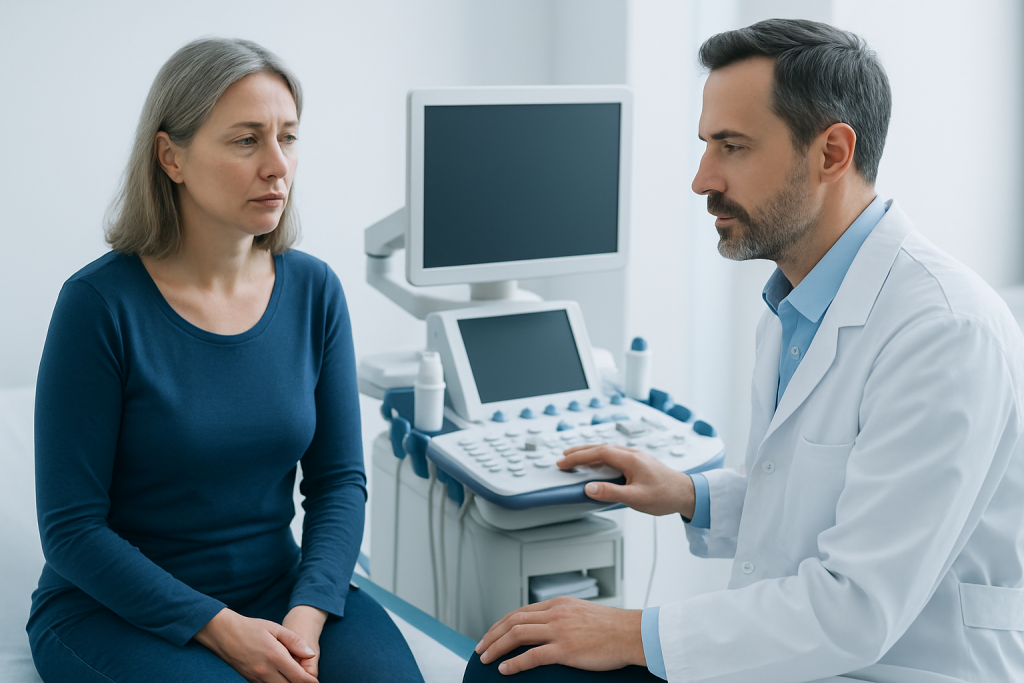
Symptoms associated with Blauwaffel can vary widely, and some people notice only subtle changes at first. Others develop a cluster of concerns that affect daily energy, comfort, movement, or general well-being. The exact pattern depends on which parts of the body are involved.
Commonly reported symptom categories in rare conditions like Blauwaffel may include persistent discomfort, fatigue, swelling, skin changes, digestive upset, or changes in function. Some people notice symptoms that come and go, while others experience a gradual progression that becomes more noticeable over time.
- Unexplained or persistent symptoms that do not improve as expected
- Symptoms affecting more than one system, such as pain plus fatigue or digestive changes
- Changes that interfere with sleep, work, appetite, or movement
- Symptoms that recur despite routine treatment
Because many different conditions can cause similar complaints, symptoms alone are usually not enough to confirm Blauwaffel. That is why a detailed evaluation matters even when the problem seems minor at first.
Causes & Risk Factors

The exact cause of Blauwaffel is not something that can be assumed from a single symptom pattern. In rare conditions, causes may involve inherited factors, immune system changes, developmental differences, environmental triggers, or a combination of influences that are still being studied.
Risk factors are equally individualized. Some people may have a family history of related symptoms or a known genetic tendency, while others have no clear background risk at all. In many rare conditions, the absence of an obvious risk factor does not rule out the diagnosis.
What matters most is the clinical context: when symptoms began, how they have changed, whether there are related health conditions, and whether previous treatments have helped. A clinician may also ask about travel, exposures, medications, prior surgeries, and other details that can provide useful clues.
Diagnosis
Diagnosing Blauwaffel usually begins with a careful conversation. Doctors typically review the symptom timeline, prior test results, family history, and any treatments already tried. This helps avoid repeating unnecessary tests and makes it easier to choose the most useful next steps.
Depending on the presentation, evaluation may include blood tests, imaging, functional studies, or other targeted assessments. In some cases, a specialist may recommend genetic testing, tissue sampling, or consultation with additional experts to clarify the diagnosis.
A diagnosis of a rare condition is often reached by combining several pieces of evidence rather than relying on one result alone. That process can take time, but a methodical approach is often the safest path, particularly when symptoms are unusual or affect multiple systems.
Treatment Options
Treatment for Blauwaffel is individualized. The goal may be to reduce symptoms, preserve function, prevent complications, and improve day-to-day quality of life. Because rare conditions do not fit neatly into one treatment template, care is often adjusted as more information becomes available.
Management may include medicines for specific symptoms, monitoring over time, lifestyle adjustments, physical rehabilitation, or procedures in selected cases. When several body systems are involved, care is often coordinated across specialties so that one treatment does not interfere with another part of the plan.
For patients who travel for care, treatment planning should include how follow-up will happen after the initial visit or procedure. Clear instructions, written records, and communication with local doctors can make continuity much smoother once the patient is back home.
- Symptom-focused medical treatment
- Regular follow-up with the appropriate specialist team
- Rehabilitation or supportive therapies when function is affected
- Ongoing review of test results and treatment response
Prevention & Self-care
When a condition is rare and its cause is not fully understood, prevention may not be possible in the usual sense. Still, there are practical ways to reduce delays, improve safety, and support better day-to-day management.
People with Blauwaffel are often advised to keep a symptom diary, save copies of test results, and note which treatments have helped or caused side effects. These records are especially useful when care is shared between doctors in different cities or countries.
General self-care can include maintaining balanced nutrition, staying hydrated, protecting sleep, pacing activity, and following the treatment plan exactly as explained by the care team. If travel is involved, it is wise to plan for recovery time, medication access, and a clear contact point for questions after returning home.
- Track symptoms, triggers, and changes over time
- Bring a complete medical summary to appointments
- Follow up even when symptoms seem temporarily improved
- Ask how emergency concerns should be handled during travel
When to See a Doctor
Medical review is appropriate when symptoms are persistent, unexplained, or affecting normal life. This is especially true if the concerns are new, worsening, or involve more than one part of the body.
People should seek prompt care if they notice severe pain, sudden weakness, breathing problems, fainting, a rapidly changing rash or swelling, or any symptom that feels urgent. Even when the underlying issue turns out to be manageable, timely evaluation helps reduce the chance of avoidable complications.
If Blauwaffel has already been discussed as a possibility, follow-up should not be skipped simply because symptoms fluctuate. Rare conditions can evolve slowly, and doctors may need repeat examinations or tests before the picture becomes clear. Acibadem Health Point’s multidisciplinary specialists and JCI-accredited hospitals can diagnose and treat this condition for international patients in a coordinated setting.
Living With a Rare Diagnosis
Rare diagnoses often affect more than the body; they can also create uncertainty about work, travel, family planning, and long-term care. A practical support plan can make those decisions easier by translating medical findings into steps the patient can actually use.
That plan may include a local physician who can coordinate ongoing care, a specialist who reviews complex results, and a written summary that explains the diagnosis in plain language. For patients who received evaluation abroad, this kind of handoff is particularly valuable because it reduces confusion once they are back in their home country.
Patients and families do best when they know what to watch for, when to return for review, and which results matter most. Clear communication is often as important as the treatment itself.
Frequently asked questions
Is Blauwaffel the same for every patient?
No. Rare conditions can look quite different from one person to another, even when they share the same diagnosis. That is why doctors rely on the full history, examination, and test results rather than a single symptom.
Can Blauwaffel be diagnosed with one test?
Usually not. A diagnosis is often made by combining several findings, such as symptoms, imaging, laboratory results, and specialist input. In rare conditions, several steps may be needed before the diagnosis becomes clear.
What kind of doctor should be seen first?
The best starting point is usually a primary care doctor or an internal medicine specialist, who can decide whether referral to a specialist is needed. If the symptoms are complex, a multidisciplinary team may be helpful.
Does treatment always cure Blauwaffel?
Not always. For some rare conditions, treatment is aimed at reducing symptoms, preventing complications, and improving function rather than providing a complete cure. The plan depends on the underlying cause and the organs involved.
What should an international patient bring to an appointment?
It helps to bring prior test results, imaging scans, medication lists, discharge summaries, and a written timeline of symptoms. If records are in another language, translated copies can make the consultation smoother and more efficient.
When is urgent care needed?
Urgent care is important for sudden breathing problems, severe pain, fainting, major swelling, weakness, or any rapidly worsening symptom. Even if the diagnosis is still unclear, these changes should be assessed promptly.
References
- World Health Organization
- National Institutes of Health
- MedlinePlus
- Genetics Home Reference
This article is for general information only and is not a substitute for professional medical advice. Please consult a qualified doctor about your individual situation.