Heat Stroke: Symptoms and Treatment

Key Takeaways
- Heat stroke symptoms often include a very high body temperature, confusion, hot skin, and collapse.
- Heat stroke can develop after strenuous activity or during prolonged heat exposure, especially when hydration is limited.
- It is different from heat exhaustion and needs urgent medical attention rather than home treatment alone.
- Cooling the body quickly and calling emergency services are the most important first steps.
- People traveling, exercising, or working in hot climates should plan ahead and watch for early warning signs.
Medically reviewed by the Acıbadem clinical team — August 19, 2026
Heat stroke is a medical emergency that can develop when the body can no longer cool itself effectively. Recognizing the symptoms early and acting quickly can help prevent serious complications and support a safer recovery.
Overview
Heat stroke is the most serious form of heat-related illness. It happens when the body’s usual cooling system cannot keep up, so internal temperature rises to dangerous levels and the brain and other organs begin to struggle. The condition can come on during intense exercise, long periods outdoors in hot weather, or even inside a warm space with poor ventilation.
For many people, the first challenge is telling heat stroke apart from a less severe problem such as heat exhaustion. That distinction matters because heat stroke is not something to “wait out.” The key is to notice the pattern: a person feels increasingly unwell, then becomes confused, unsteady, unusually drowsy, or collapses. When that happens, urgent medical care is needed.
International patients who are planning travel for work, sport, or leisure may find it especially helpful to think about heat risk before arrival. A few practical habits — recognizing warning signs, planning shade and water breaks, and knowing where emergency care is located — can make a meaningful difference.
Heat Stroke Symptoms
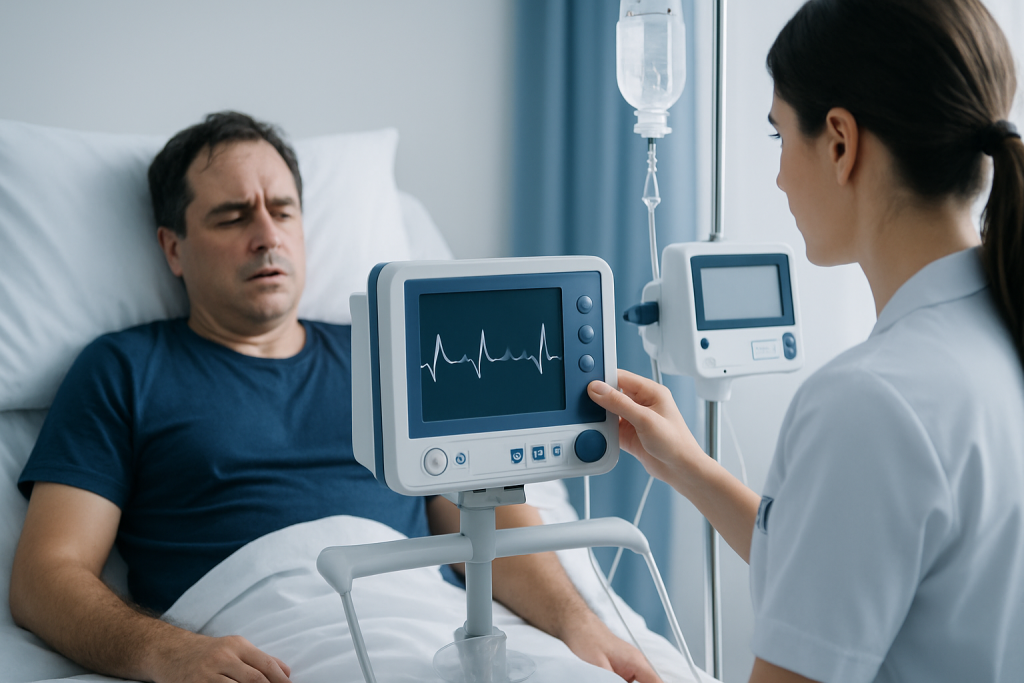
Heat stroke symptoms can appear quickly, and they often affect both the body and the mind. A very high body temperature is a major clue, but the way a person behaves is just as important. Confusion, agitation, slurred speech, fainting, or difficulty walking are all concerning signs that the brain is being affected.
The skin may feel hot and may be dry, though some people — especially those who develop heat stroke during physical activity — may still be sweating. Breathing and pulse can become rapid, and the person may look flushed, weak, or nauseated. Headache, dizziness, vomiting, and muscle weakness are also common.
Warning signs can include:
- Body temperature that is very high
- Confusion, disorientation, or unusual behavior
- Loss of consciousness or collapse
- Hot skin, with or without sweating
- Fast heartbeat or fast breathing
- Severe headache, nausea, or vomiting
Because symptoms can overlap with dehydration, low blood sugar, infection, or other emergencies, it is safer to treat a sudden change in mental status during heat exposure as urgent until a clinician says otherwise.
Causes & Risk Factors

Heat stroke develops when the body absorbs or produces more heat than it can release. High temperature, humidity, direct sun, lack of airflow, and vigorous physical activity all make cooling harder. Wearing heavy or non-breathable clothing can add to the strain, especially if a person is outdoors for a long period.
Certain situations increase risk. Older adults, infants, and young children may have a harder time regulating temperature. People with chronic illness, limited mobility, or a history of heat-related problems may also be more vulnerable. Some medicines can make it harder to sweat or stay hydrated, and alcohol or recreational drugs can reduce awareness of overheating.
Travel can add another layer. A person arriving from a cooler climate may not be acclimatized to local conditions, and busy sightseeing schedules, sports events, construction work, or outdoor tours can lead to long stretches in the heat without enough rest. A missed meal, poor sleep, or diarrhea can further reduce the body’s ability to cope.
Diagnosis
Heat stroke is diagnosed as a medical emergency. Clinicians assess the person’s temperature, mental status, breathing, pulse, blood pressure, and hydration. In many cases, the diagnosis is made quickly because the situation is obvious: a person exposed to heat becomes confused, collapses, or stops responding normally.
Doctors may order tests to check whether the heat has affected the kidneys, muscles, liver, or blood chemistry. These tests help guide treatment and monitor recovery. Depending on the setting, the team may also look for other causes of fever or altered consciousness, since not every hot, ill person has heat stroke.
For people seeking care while abroad, sharing a clear timeline helps. Information such as when symptoms began, how long the person was in the sun or exercising, how much fluid was taken, and whether any medicines were used can help the team move more efficiently and safely.
Treatment Options
Heat stroke treatment starts with rapid cooling and emergency evaluation. This is not a condition for home observation. The main goal is to lower body temperature as quickly and safely as possible while supporting breathing, circulation, and organ function. The specific approach depends on the person’s condition and the resources available.
Cooling methods may include moving the person to a shaded or air-conditioned area, removing excess clothing, applying cold water or ice packs, and using fans. In medical settings, more intensive cooling methods can be used if needed. Fluids may be given if dehydration is present, but the priority is temperature control and close monitoring.
After the immediate crisis, care focuses on recovery and checking for complications. Some people improve quickly once cooled, while others need observation in a hospital because heat stroke can affect the kidneys, muscles, liver, or nervous system. If a traveler is far from home, follow-up may require coordination between the treating team and the patient’s usual doctor so recovery continues smoothly after discharge.
Prevention & Self-care
Prevention begins before a hot day becomes a difficult day. Drinking fluids regularly, taking breaks in the shade, and avoiding the hottest hours when possible are practical steps that reduce strain on the body. Clothing that is lightweight, loose, and breathable can also help the body release heat more effectively.
People who exercise or work outdoors should build heat exposure gradually, especially when arriving in a warmer climate. This acclimatization period gives the body time to adapt. It is also wise to avoid alcohol before long heat exposure, to eat enough to maintain energy, and to be alert to early symptoms such as unusual fatigue, dizziness, or headache.
Helpful habits include:
- Checking the weather and planning around peak heat
- Drinking water regularly rather than waiting to feel thirsty
- Resting in cool spaces between activities
- Looking after children, older adults, and people with limited mobility
- Stopping activity immediately if confusion, faintness, or weakness appears
For international travelers, it can also help to identify air-conditioned places, understand local emergency numbers, and keep a simple heat plan in case symptoms develop away from the hotel or home.
When to See a Doctor
Any suspected heat stroke needs urgent medical attention. If a person has a very high temperature, confusion, loss of consciousness, repeated vomiting, or seems unable to respond normally after heat exposure, emergency services should be contacted immediately. Waiting for symptoms to pass can allow serious complications to progress.
Medical advice is also sensible after a milder heat illness if symptoms were severe, unusual, or slow to improve. A clinician may want to check hydration status, review medicines, and assess whether any organ stress occurred. This is especially important for people who are pregnant, older, have chronic disease, or are recovering from illness.
Travelers should seek help early if they are uncertain, particularly if they are far from familiar care or planning to continue a trip soon. In centers such as Acibadem Health Point, multidisciplinary specialists and JCI-accredited hospitals can diagnose and treat heat-related emergencies for international patients, with coordinated follow-up when it is needed.
Living Safely After a Heat Illness
After a heat-related emergency, the body may need time to regain its normal rhythm. Fatigue, reduced exercise tolerance, and a cautious return to activity are common. A gradual approach is usually best, with hydration, rest, and attention to any lingering symptoms.
People who have had heat stroke should be especially careful in future heat exposure. They may need individualized advice about returning to sports, work, or travel, particularly if they had muscle injury, kidney strain, or another complication during the episode. A clinician can help decide when it is reasonable to resume normal routines and how to reduce the chance of another episode.
For patients recovering far from home, keeping discharge notes, test results, and a short symptom timeline can make follow-up easier with local or home-country doctors. That continuity is often the simplest way to protect health after the acute event has passed.
Frequently asked questions
How is heat stroke different from heat exhaustion?
Heat exhaustion is a warning stage, while heat stroke is an emergency that affects the brain and other organs. Confusion, collapse, or loss of consciousness are especially concerning signs of heat stroke. If there is any doubt, urgent medical assessment is the safer choice.
Can a person still sweat during heat stroke?
Yes. Although hot, dry skin is a classic sign, some people with exertional heat stroke still sweat. The more important clues are a very high temperature, confusion, weakness, and a sudden change in behavior.
What should be done first if heat stroke is suspected?
Call emergency services right away and start cooling the person while waiting for help. Move them to a cooler place, remove extra clothing, and use whatever cooling methods are available. Do not delay care by trying to “rest it off.”
Who is most at risk of heat stroke?
Older adults, young children, people with chronic illness, those taking certain medicines, and anyone doing strenuous activity in hot weather are at increased risk. Travelers who are not used to a hot climate can also become ill more easily. Heat and humidity together can raise risk quickly.
Can heat stroke cause long-term problems?
It can, especially if treatment is delayed or if organ damage develops. Some people recover fully, while others need follow-up for kidney, liver, or muscle injury. A doctor can advise on monitoring and the safest return to normal activity.
Is it safe to drink water if someone has heat stroke?
Small sips may be appropriate if the person is awake and able to swallow safely, but urgent medical care is still needed. If the person is confused, vomiting, or not fully alert, do not force fluids by mouth. The priority is rapid cooling and professional evaluation.
References
- World Health Organization
- Centers for Disease Control and Prevention
- National Health Service
- Mayo Clinic
- American Red Cross
This article is for general information only and is not a substitute for professional medical advice. Please consult a qualified doctor about your individual situation.
Explore treatments in Turkey — costs, top hospitals & a free quote
JCI-accredited · board-certified surgeons · reply within 24h
Add us as a Preferred Source to see more of our trusted health content across Google Search, AI Overviews and Discover.