Hearing Test

Key Takeaways
- Hearing tests help identify hearing loss, the type of loss, and how severe it may be.
- Testing may include listening tasks, speech understanding checks, and middle-ear measurements.
- Hearing changes can develop gradually, so people may not notice them right away.
- Earwax, infections, noise exposure, aging, and some medical conditions can affect hearing.
- Prompt evaluation can help determine whether treatment, monitoring, or hearing support is needed.
A hearing test is a straightforward way to check how well the ears detect and process sound. It can help identify hearing changes early, guide treatment, and support better communication and quality of life.
Overview
A hearing test is more than a quick check for volume. It is a structured evaluation that shows how well sound moves through the ear and how clearly the brain receives it. For many people, the first clue that something has changed is not a dramatic loss of hearing, but small frustrations: asking others to repeat themselves, turning the television louder than usual, or struggling in busy places where voices blur together.
Because hearing changes often develop slowly, a test can be useful even when the ears do not feel painful or blocked. It helps clinicians distinguish between temporary issues, such as earwax buildup, and more persistent hearing problems that need treatment or monitoring. For international patients planning care abroad, hearing testing is often one of the first steps in an ENT or audiology visit because it provides a clear starting point for next decisions.
Most hearing evaluations are comfortable, noninvasive, and completed in a clinic setting. The exact combination of tests depends on the person’s age, symptoms, medical history, and whether the concern is hearing loss, ringing in the ears, balance issues, or difficulty understanding speech.
Symptoms That May Lead to a Hearing Test
People do not always notice hearing loss in the same way. Some hear sounds but cannot make out words clearly, especially when there is background noise. Others feel that people are mumbling, even though the real issue is reduced sound clarity rather than the speaker’s voice.
Common signs that may prompt testing include:
- Frequently asking others to repeat themselves
- Needing higher volume on the TV, phone, or music devices
- Difficulty hearing in meetings, restaurants, or group conversations
- Missing high-pitched sounds such as alarms or birds
- Ringing, buzzing, or other persistent noises in the ears
- Feeling that one ear hears better than the other
In children, signs can look different. They may respond inconsistently to sound, delay speech development, or seem to ignore voices when there is no obvious distraction. In older adults, hearing loss may be mistaken for forgetfulness or inattention, which is why formal testing can be so helpful.
Causes & Risk Factors

Hearing problems have many possible causes, and the right test can help sort them out. Some causes are temporary and reversible, while others reflect lasting changes in the ear or hearing nerve.
Common causes and risk factors include:
- Earwax buildup: A blockage can reduce sound transmission and cause muffled hearing.
- Middle ear fluid or infection: Often seen after colds, allergies, or ear infections.
- Noise exposure: Loud music, workplace noise, and sudden blasts can damage delicate ear structures.
- Age-related hearing loss: Hearing naturally becomes less sharp over time in many adults.
- Genetics: Family history can increase the likelihood of hearing changes.
- Medical conditions: Diabetes, circulatory problems, autoimmune disease, and some neurological disorders may affect hearing.
- Medicines that can affect hearing: Certain medications may be associated with hearing changes, especially when used in specific settings.
The pattern of hearing loss matters. Conductive hearing loss usually involves the outer or middle ear and may be related to blockage or fluid. Sensorineural hearing loss involves the inner ear or hearing nerve and is often more permanent. A hearing test helps identify which pattern is present.
Diagnosis
A hearing evaluation often begins with a conversation. The clinician may ask when the problem started, whether it affects one or both ears, and whether there is pain, dizziness, noise exposure, or a history of ear infections. This history helps shape the testing plan and may point toward a temporary cause that needs attention first.
Common parts of a hearing test may include:
- Ear examination: The ear canal and eardrum are checked for wax, fluid, inflammation, or structural changes.
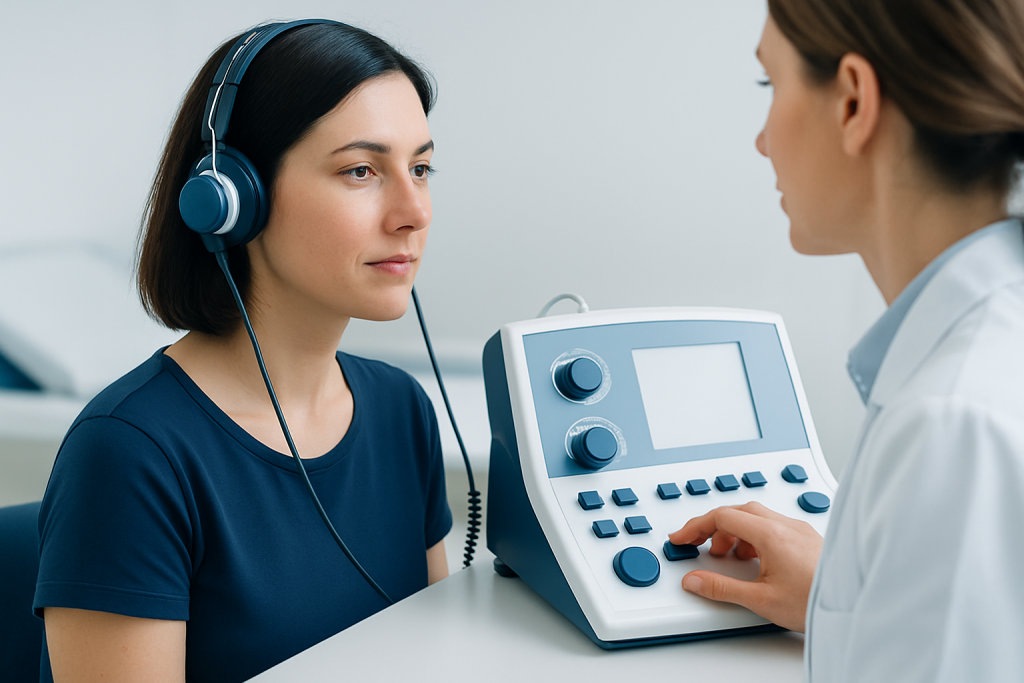
- Tone testing (audiometry): The person listens to sounds of different pitches and volumes through headphones and signals when they are heard.
- Speech testing: Words or syllables are repeated to measure how well speech is understood.
- Tympanometry: This checks how the eardrum moves and can suggest fluid or pressure changes in the middle ear.
- Additional tests: In some cases, specialist tests assess the inner ear or hearing nerve more closely.
For children or people who cannot complete standard instructions, clinicians may use age-appropriate or objective testing methods. The goal is always the same: to build a clear picture of hearing function and guide next steps without guesswork.
Treatment Options
Treatment depends on the cause of the hearing change. If earwax is blocking the canal, removing it may restore hearing quickly. If a middle ear infection or fluid is present, the care plan may focus on treating the infection or monitoring the ear until it clears.
When hearing loss is lasting, treatment often centers on improving communication and protecting remaining hearing. Options may include:
- Hearing aids: These devices amplify sound and can be adjusted to the person’s hearing pattern.
- Assistive listening devices: Tools such as amplified phones or remote microphones can help in specific situations.
- Medical or surgical treatment: Some ear conditions can be treated directly, depending on the diagnosis.
- Rehabilitation and communication strategies: Lip-reading support, captioning, and listening techniques can make daily life easier.
- Cochlear implant evaluation: In selected cases of significant hearing loss, a specialist may discuss implant-based options.
For international patients, treatment planning often includes more than the diagnosis itself. It may involve coordinating imaging, audiology, ENT review, and follow-up care within a practical travel timeline. A good plan balances medical needs with the realities of recovery, device fitting, and return-home support.
Prevention & Self-care
Not every cause of hearing loss can be prevented, but some habits can reduce avoidable damage. One of the most important steps is protecting ears from loud noise. If a setting sounds uncomfortably loud, it may be loud enough to harm hearing over time.
Helpful self-care habits include:
- Using ear protection in noisy workplaces, concerts, or around machinery
- Keeping headphone and earbud volume at a moderate level
- Avoiding inserting cotton swabs or other objects into the ear canal
- Seeking care for repeated ear infections or persistent ear blockage
- Managing chronic health conditions that can affect blood flow and nerve function
- Attending hearing follow-up if symptoms are ongoing or changing
Simple communication adjustments can also make daily life easier while waiting for evaluation or treatment. Facing the speaker, reducing background noise, and asking for written instructions when needed can lower strain and prevent misunderstandings.
When to See a Doctor
A hearing test is worth arranging when hearing changes interfere with daily life, even if they seem mild. It is especially important when one ear is affected more than the other, when the change comes on suddenly, or when hearing loss is paired with ringing, dizziness, ear pain, drainage, or pressure.
Parents should seek evaluation if a child does not respond consistently to sound, has speech delays, or often turns up the volume much higher than expected. Adults should also consider testing after significant noise exposure, head injury, or treatment with medicines known to affect hearing.
For people traveling for care, it can be useful to bring any previous test results, a medication list, and notes about symptoms, including when they began and what makes them better or worse. At Acibadem Health Point, multidisciplinary specialists and JCI-accredited hospitals diagnose and treat hearing-related conditions for international patients in a coordinated setting.
Frequently asked questions
What is the purpose of a hearing test?
A hearing test checks how well a person hears different sounds and understands speech. It helps identify whether hearing loss is present and may show whether the problem involves the outer ear, middle ear, inner ear, or hearing nerve.
Is a hearing test painful?
Most hearing tests are not painful. They are usually simple, noninvasive, and done in a clinic with headphones, sound signals, or brief ear pressure measurements.
How long does a hearing test take?
The length depends on the tests needed, the person’s age, and the complexity of the symptoms. Many evaluations can be completed in a single visit, though additional specialist testing may sometimes be recommended.
Can earwax affect a hearing test?
Yes, earwax can block sound and make hearing seem worse than it really is. Clinicians often check for wax before interpreting test results so the cause of hearing loss is not missed.
Do children need different hearing tests?
Yes, children often need age-appropriate testing methods that match their ability to respond. These tests help identify hearing issues early, which is important for speech and learning development.
Can hearing loss be treated?
Treatment depends on the cause. Some hearing problems improve with medical care, wax removal, or treatment of infection, while other types are managed with hearing aids, assistive devices, or specialist rehabilitation.
References
- World Health Organization
- National Institute on Deafness and Other Communication Disorders
- American Speech-Language-Hearing Association
- American Academy of Otolaryngology-Head and Neck Surgery
This article is for general information only and is not a substitute for professional medical advice. Please consult a qualified doctor about your individual situation.